Why Are Vapes Illegal in Australia as a Path to Safer Nicotine Use?
Introduction
Why are vapes illegal in Australia as a Path to Safer Nicotine Use? This question has attracted considerable attention among smokers, former smokers, health professionals, and policymakers. Australia has introduced strict vaping regulations to reduce nicotine addiction and protect public health. However, the country’s approach is more complicated than a complete ban on every vaping product.
The government has restricted the importation, manufacture, supply, and commercial sale of vaping products. At the same time, eligible adults can access therapeutic vapes through regulated pharmacy pathways. These measures aim to prevent recreational vaping while maintaining limited access for smoking cessation.
Understanding why are vapes illegal in Australia requires examining health concerns, nicotine dependence, youth protection, and government policy. It also helps explain how Australia approaches harm reduction and safer nicotine use.
Why Are Vapes Illegal in Australia?
Australia has introduced strict vaping laws because authorities are concerned about nicotine addiction and the growing popularity of disposable devices. Many vaping products contain nicotine, even when their packaging suggests otherwise.
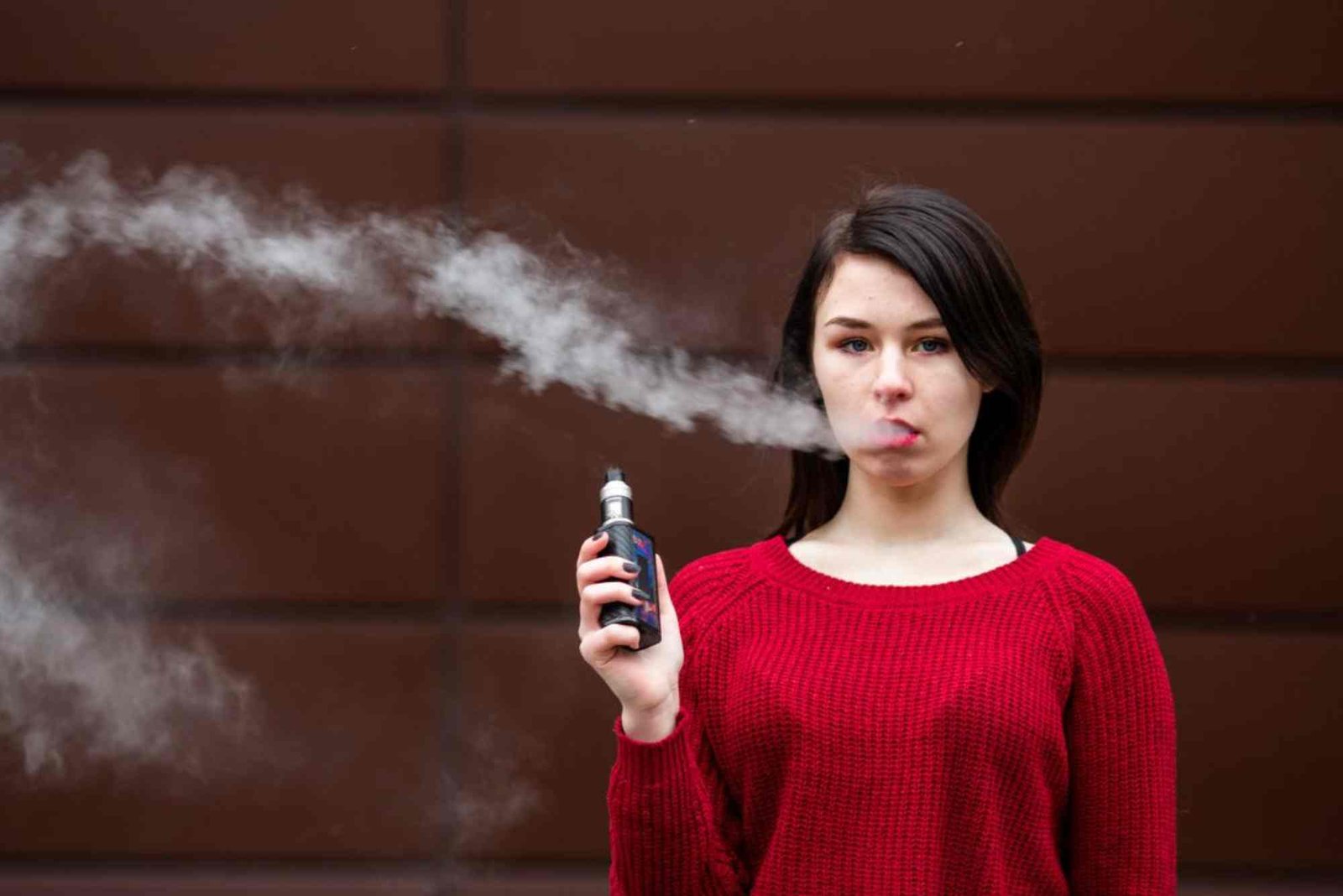
Health authorities are particularly concerned about young people. Nicotine can affect the developing brain and contribute to dependence. Flavoured products and attractive packaging can also make vaping appealing to teenagers.
Another concern involves product quality and inconsistent ingredients. Unregulated products may contain substances that consumers cannot easily identify. Therefore, authorities want vaping products intended for therapeutic use to meet established quality and safety requirements.

However, it is important to understand the legal distinction. Australia has not prohibited every form of vaping for every purpose. Instead, it has introduced a tightly controlled system that prioritises therapeutic access over recreational sales.
Australia’s Vaping Regulations and Legal Restrictions
Australia introduced major vaping reforms through the Therapeutic Goods and Other Legislation Amendment (Vaping Reforms) Act 2024. The legislation established a national framework for controlling vaping products.
The regulations cover importing, manufacturing, supplying, possessing commercially, and advertising vaping products. They also establish strict requirements for therapeutic products.
The Pharmacy-Only Vaping System
Since July 2024, pharmacies have become the only legal retail supply channel for therapeutic vaping products. Vape shops, tobacconists, convenience stores, and other retailers cannot legally sell them.
Adults aged 18 and older may access qualifying therapeutic vapes containing no more than 20 mg/mL nicotine without a prescription. However, a pharmacist must first assess whether the product is clinically appropriate.
People under 18 require a prescription. Australian Department of Health — nicotine import & use rules Adults seeking higher nicotine concentrations also require a prescription. State and territory rules may impose additional restrictions.
Import Restrictions and Personal Use
Importing vaping products into Australia is also tightly controlled. Commercial importers must satisfy licensing, permit, and product compliance requirements.
Consumers should not assume that ordering products from overseas makes them legal. Personal importation rules have changed significantly, and unauthorised imports can be seized.
The Australian Department of Health — nicotine import and use rules provide an important starting point for understanding the country’s regulatory approach. Consumers should also consider current Therapeutic Goods Administration requirements.
Why Does Australia Consider Vaping a Public Health Concern?
The main reason behind Australia’s strict vaping policies is public health protection. Authorities are concerned about nicotine dependence, exposure to potentially harmful chemicals, and increasing vaping among younger populations.
Nicotine Addiction and Long-Term Dependence
Nicotine is an addictive substance. Regular exposure can create dependence and make stopping difficult.
Some users begin vaping without previously smoking cigarettes. This creates concerns about introducing nicotine addiction to people who might otherwise never have used tobacco.
Young people are particularly vulnerable because their brains are still developing. Nicotine exposure during adolescence can affect attention, learning, and impulse control.
Chemical Exposure and Respiratory Concerns
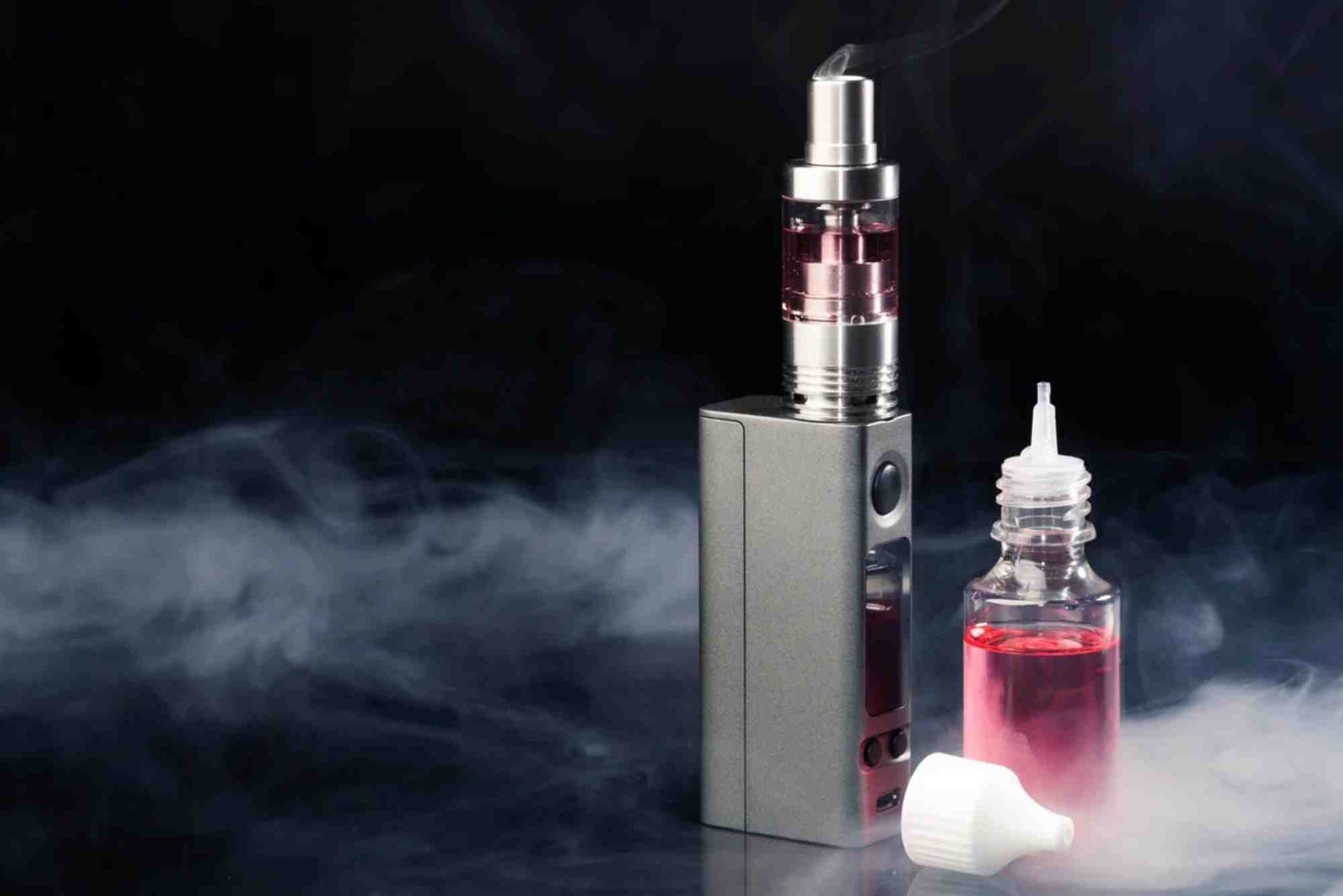
Vape aerosols are not simply harmless water vapour. They can contain nicotine, flavouring chemicals, and other substances.
Some products may expose users to metals and potentially harmful compounds. The precise ingredients and exposure levels can vary between devices.
Researchers are still investigating the long-term consequences of regular vaping. Therefore, the government considers precautionary regulation important.
Youth Vaping and Attractive Packaging
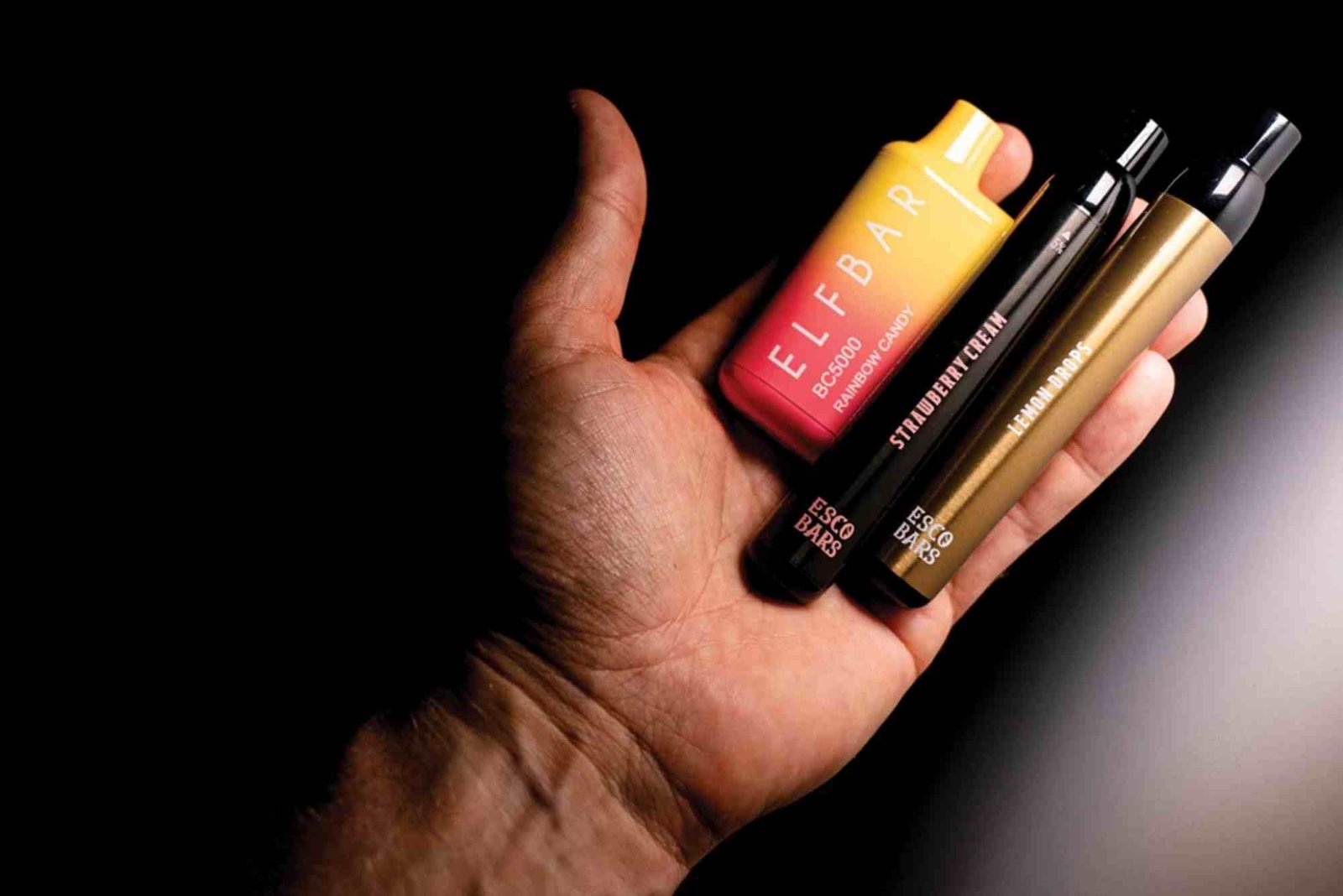
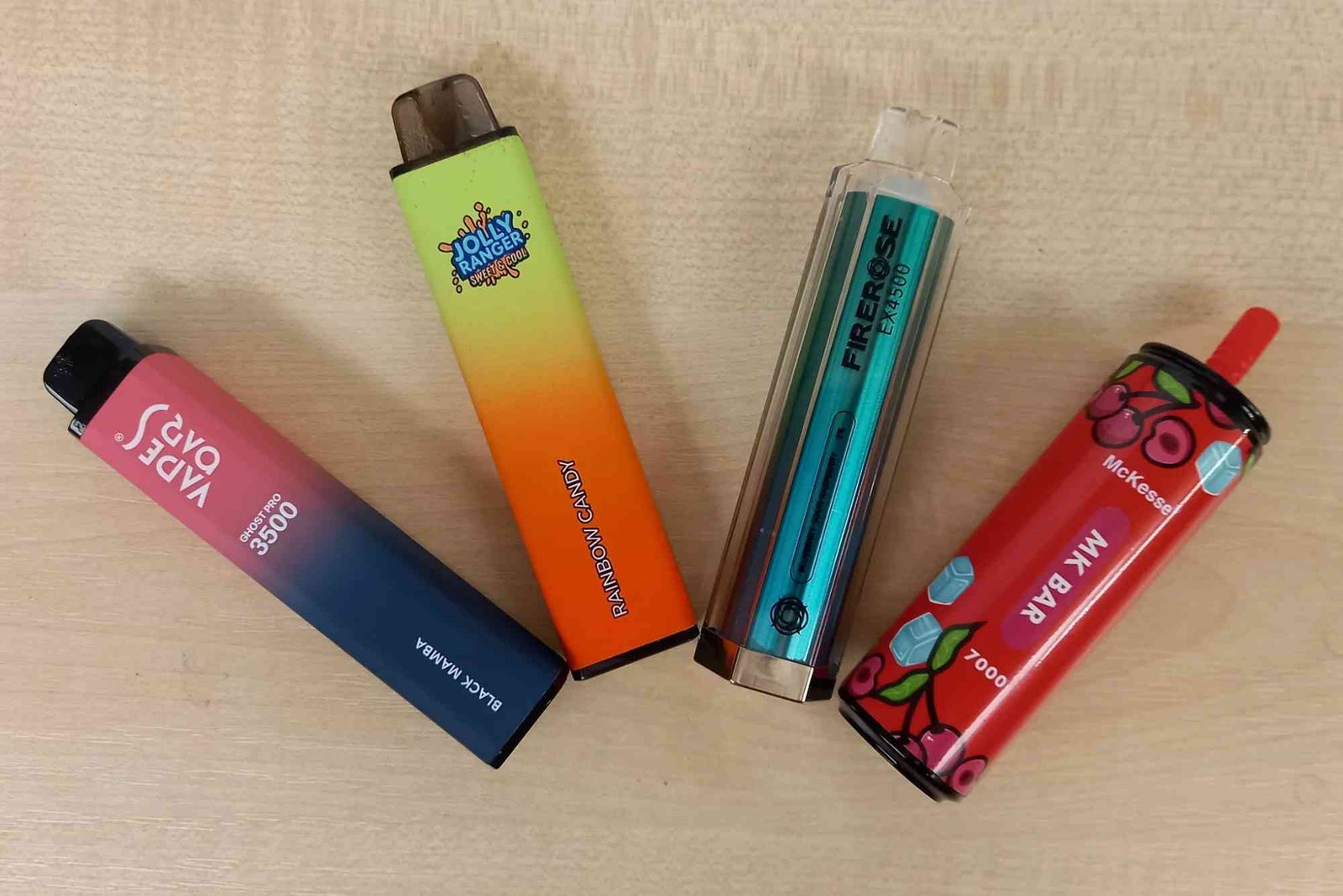
Flavoured products and colourful packaging have contributed to concerns about youth vaping. Disposable devices can also be easy to conceal and use.
Australia’s restrictions aim to reduce young people’s access to these products. Pharmaceutical-style packaging and limited flavours help distinguish therapeutic products from recreational alternatives.
How Australia’s Vape Laws Support Safer Nicotine Use
Understanding why are vapes illegal in Australia also requires examining the government’s harm-reduction strategy.
Harm reduction focuses on reducing the negative consequences associated with risky behaviours. In nicotine policy, this includes helping smokers move away from combustible tobacco.
However, Australian authorities do not consider vaping a first-line treatment for nicotine dependence. They encourage people to explore established smoking cessation treatments first.
Regulated Access for Adult Smokers
Australia has maintained pharmacy access for therapeutic vaping products. This recognises that some adults may need additional support when attempting to quit smoking.
A pharmacist can discuss nicotine strength, dosage, suitability, and alternative treatments. This creates an opportunity for professional guidance.
Encouraging Evidence-Based Smoking Cessation
Nicotine replacement therapy provides another option for people trying to quit smoking. Products such as patches, gum, and lozenges can help manage withdrawal symptoms.
Behavioural counselling and professional support can also improve quit attempts. Combining appropriate treatments with consistent support may make quitting more manageable.
Reducing Unregulated Product Distribution
Strict supply-chain controls help authorities monitor the products available through legitimate channels. They also make it easier to identify unlawful commercial suppliers.
Product standards address ingredients, labelling, packaging, and device requirements. These measures aim to improve oversight and reduce exposure to poorly controlled products.
Understanding Australia’s Vaping Laws at a Glance
The following table summarises the main regulatory requirements under Australia’s current vaping framework.
|
Vaping activity |
Legal position in Australia |
|---|---|
|
Selling recreational vapes |
Prohibited |
|
Selling vapes through vape shops |
Prohibited |
|
Selling therapeutic vapes through pharmacies |
Permitted under conditions |
|
Adult access to qualifying vapes up to 20 mg/mL |
Without prescription, subject to pharmacist assessment and local laws |
|
Access to higher nicotine strengths |
Prescription required |
|
Access for people under 18 |
Prescription required |
|
Selling disposable single-use vapes |
Prohibited |
|
Advertising vaping products |
Generally prohibited |
|
Commercial importing |
Requires appropriate licensing, permits, and compliance |
|
Personal possession |
Not generally criminalised under federal vaping laws |
These rules reflect the national framework. State and territory legislation can introduce additional restrictions.
health.gov.au+4
What Happens If Someone Breaks Australia’s Vape Laws?
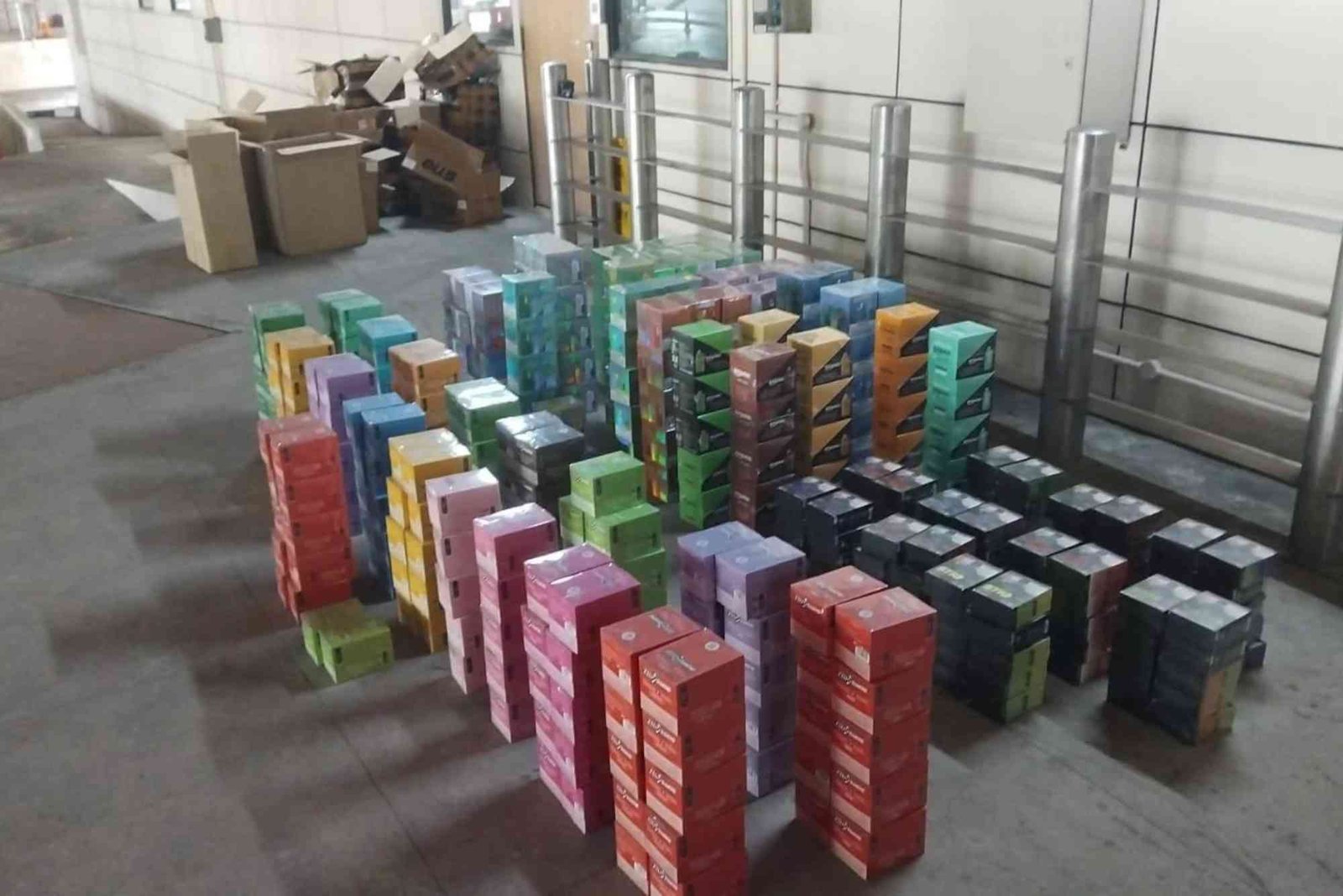
Australia applies significant penalties to businesses and individuals involved in unlawful commercial vaping activities. Enforcement focuses on illegal imports, manufacturing, retail distribution, and advertising.
The Therapeutic Goods Administration works with border authorities, police, and state agencies to investigate unlawful supply chains.
However, an important distinction exists between commercial offences and personal possession. Federal vaping laws do not generally criminalise individuals simply for possessing vaping products for personal use.
Nevertheless, state and territory laws may create separate restrictions. Travellers and residents should check applicable local requirements before carrying or using vaping products.
Is Vaping a Safer Alternative to Smoking?
The relationship between vaping and smoking requires careful consideration. Cigarette smoke contains thousands of chemicals, including numerous toxic substances produced through combustion.
Vaping does not involve burning tobacco. Therefore, completely switching from cigarettes to regulated vaping products may reduce exposure to some harmful chemicals.
However, reduced exposure does not mean vaping is harmless. Nicotine dependence, respiratory irritation, and uncertain long-term health effects remain important concerns.
For people who do not smoke, starting vaping offers no established health benefit. For existing smokers, quitting cigarettes remains the most important health objective.
Australia’s approach reflects this distinction. It allows controlled therapeutic access while discouraging recreational vaping and preventing unrestricted commercial sales.
The Future of Vaping Regulations in Australia
Australia’s vaping framework continues to develop as health evidence and enforcement experience evolve. Authorities are focusing on stronger product standards and reducing unlawful distribution.
The government also needs to balance public health protection with appropriate treatment access. Excessively restricted legal access may create challenges for some people seeking smoking cessation support.
At the same time, unrestricted availability could increase nicotine exposure among young people. Effective regulation must therefore address both concerns.
Future policy discussions will likely consider research findings, treatment effectiveness, youth protection, and consumer safety. Public education will remain important for helping people understand their choices.
Frequently Asked Questions About Why Are Vapes Illegal in Australia
Why are vapes illegal in Australia?
Australia restricts recreational vape sales because of concerns about nicotine addiction, youth vaping, and potential health risks. Therapeutic vaping products remain available through regulated pharmacy channels. The restrictions aim to protect public health while supporting appropriate smoking cessation treatment.
Can you legally buy vapes in Australia?
Yes, qualifying therapeutic vapes can be purchased through participating pharmacies. Adults may access products containing up to 20 mg/mL nicotine without a prescription, subject to pharmacist assessment and state or territory requirements. Higher strengths require a prescription.
Are nicotine-free vapes illegal in Australia?
Nicotine-free vapes are also covered by Australia’s vaping regulations. They cannot be sold through ordinary retail businesses. Pharmacy supply is permitted only when products meet the relevant therapeutic requirements.
Can tourists bring vapes into Australia?
Tourists cannot assume they can freely bring vaping products into Australia. Importation is subject to strict customs restrictions, permits, and applicable exemptions. Travellers should check current Australian Border Force and Therapeutic Goods Administration requirements before travelling.
Are disposable vapes illegal in Australia?
Yes, disposable single-use vapes are prohibited from ordinary commercial supply. Pharmacies cannot sell disposable recreational devices. The restrictions apply regardless of whether a disposable vape contains nicotine.
Can you vape in public in Australia?
Public vaping restrictions depend on the state or territory. Many locations apply restrictions similar to smoking bans. These can include workplaces, public transport areas, schools, and hospitality venues. Users should check local regulations before vaping in public.
Is vaping safer than smoking cigarettes?
Vaping generally exposes users to fewer toxic chemicals than cigarette smoke when smokers switch completely. However, vaping is not risk-free. Nicotine addiction and potential respiratory effects remain concerns. People who do not smoke should avoid starting.
Tryvapex.com is an online platform that offers users an informative browsing experience for vape-related products and updates. It provides easy navigation, guides, and product insights to help customers make informed choices. The website focuses on quality, convenience, and customer satisfaction, making it a reliable destination for vape enthusiasts seeking trusted information and solutions online.
Conclusion
Understanding why are vapes illegal in Australia as a Path to Safer Nicotine Use requires looking beyond the idea of an outright ban. Australia’s regulations aim to reduce nicotine addiction, protect younger generations, and control potentially harmful products.
The pharmacy-only system provides a regulated pathway for adults who may need therapeutic support. Meanwhile, restrictions on recreational sales and imports help limit uncontrolled distribution.
Ultimately, safer nicotine use depends on informed decisions, professional advice, and effective public health policies. People who smoke should consider evidence-based quitting options and discuss suitable treatments with healthcare professionals.
Take the next step: Stay informed about Australian vaping regulations, understand your legal responsibilities, and seek professional guidance when choosing a smoking cessation strategy.
Legal information checked against Australian Government and Therapeutic Goods Administration guidance available in November 2026. Laws can change, and state or territory requirements may differ.