New Vape and Tobacco Law Georgia Age as a Path to Safer Nicotine Use
Introduction
Understanding the New vape and tobacco law georgia age as a Path to Safer Nicotine Use is important for consumers, retailers, and parents. Georgia has strengthened its tobacco regulations to protect young people from nicotine exposure. These rules establish clear age restrictions for purchasing cigarettes, vaping products, and alternative nicotine products.
The minimum legal purchasing age in Georgia is 21. This requirement applies to traditional tobacco products and modern vaping devices. Consequently, retailers must verify customers’ ages before completing sales.
These regulations also encourage responsible retail practices. They aim to reduce underage nicotine access and improve public health awareness. Understanding the law helps consumers make informed decisions about tobacco regulations.
Understanding the New Vape and Tobacco Law Georgia Age
Georgia introduced stronger tobacco and vaping regulations through Senate Bill 375 in 2020. The legislation increased the minimum purchasing age from 18 to 21. The changes took effect in 2021.
Previously, individuals aged 18 could legally purchase certain tobacco products under state law. However, the updated legislation established a higher age requirement. It also aligned Georgia’s regulations with the federal Tobacco 21 policy.
The New vape and tobacco law georgia age requirements cover cigarettes, tobacco products, alternative nicotine products, and vapor products.

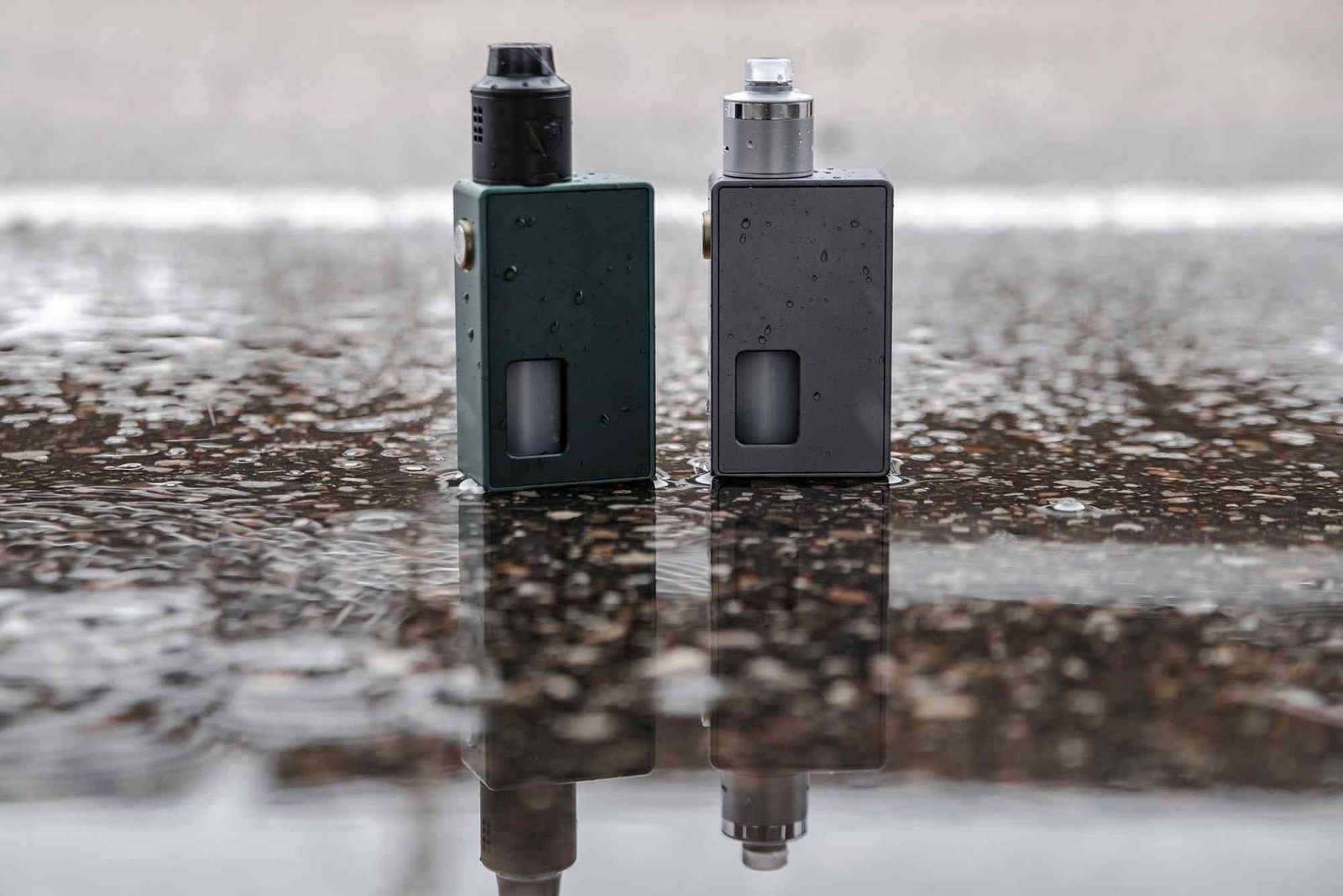
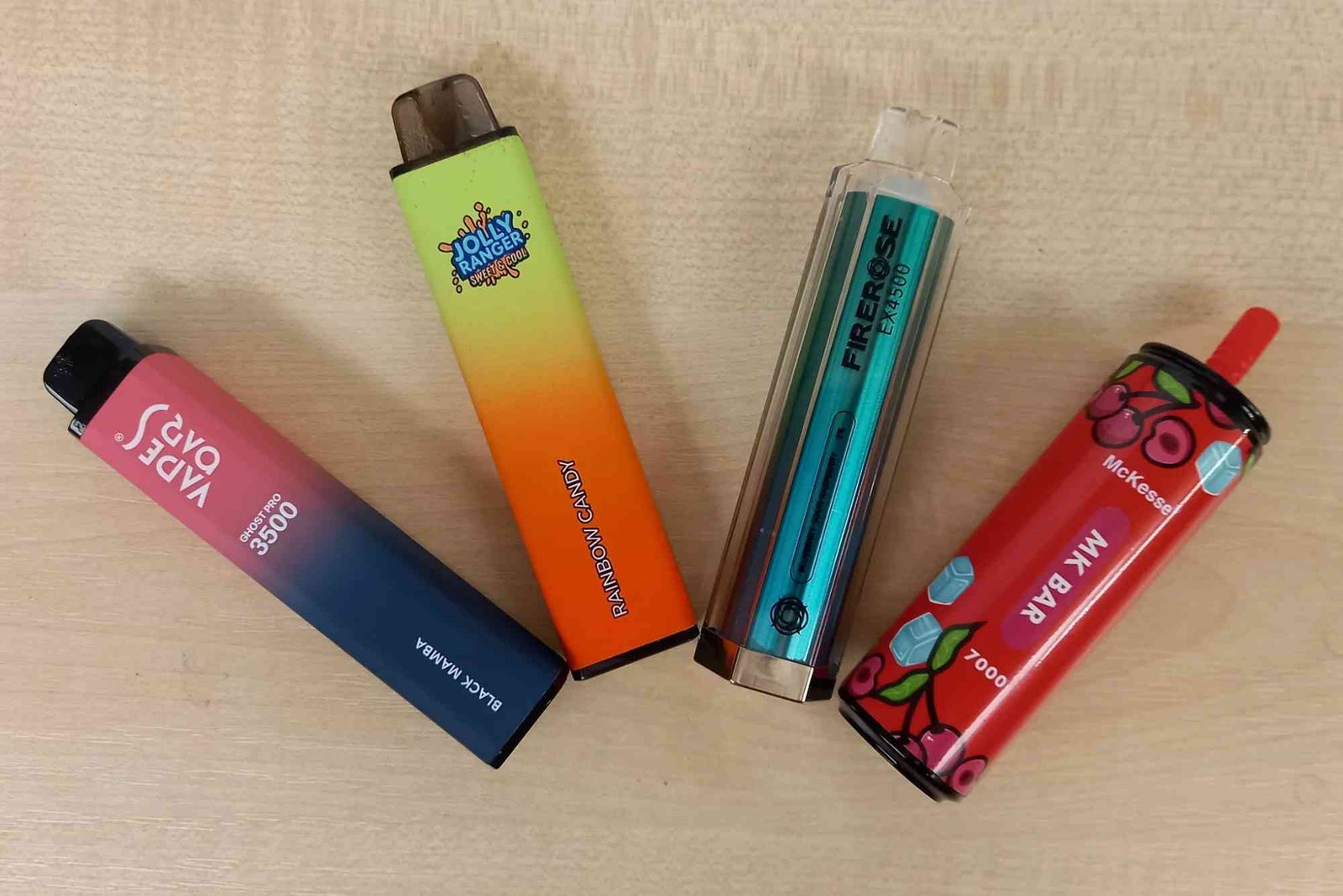
This broader coverage is important because nicotine products have evolved significantly. Disposable vapes, refillable devices, and electronic cigarettes now fall within the regulatory framework.
Georgia Code § 16-12-171 establishes important restrictions. It prohibits selling covered products to individuals younger than 21. It also prohibits purchasing these products for underage individuals.
Justia Law+1
Why Georgia Increased the Legal Vaping Age
Nicotine exposure during adolescence creates serious public health concerns. Young people are particularly vulnerable to nicotine dependence.
The developing brain can be affected by nicotine exposure. Regular consumption may also contribute to long-term dependence.
Therefore, Georgia strengthened its age restrictions to reduce early nicotine access. The legislation focuses on preventing underage purchases and discouraging adults from supplying nicotine products to minors.
The New vape and tobacco law georgia age policy also encourages retailers to follow consistent identification procedures.
Although age restrictions cannot eliminate every health risk, they establish an important protective measure. They also support broader tobacco prevention initiatives.
What Products Are Covered Under Georgia’s Age Restrictions?
Georgia’s regulations cover several categories of nicotine and tobacco products. Consumers should understand these categories before purchasing anything.
|
Product category |
Minimum purchasing age |
|---|---|
|
Traditional cigarettes |
21 |
|
Cigars and tobacco products |
21 |
|
Electronic cigarettes |
21 |
|
Disposable vape devices |
21 |
|
Refillable vaping devices |
21 |
|
Alternative nicotine products |
21 |
|
Vapor products and related objects |
21 |
The restrictions apply regardless of whether a product contains traditional tobacco or uses an electronic delivery system.
For example, disposable vaping devices remain subject to the same minimum purchasing age. Georgia General Assembly — vaping/tobacco statutes Consumers cannot avoid the age requirement by choosing a different device design.
This approach helps prevent confusion between traditional tobacco regulations and newer vaping technologies.
Identification Requirements Under Georgia Vape Laws
Age verification is an essential part of Georgia’s tobacco regulations. Retailers must establish that customers meet the legal purchasing age.
The Georgia Department of Revenue explains that sellers must verify age using acceptable government-issued identification.
Acceptable identification generally includes a state-issued driver’s license, identification card, or another qualifying government-issued document.
Retailers must request identification whenever a reasonable person could question whether a customer is at least 21.
Additionally, businesses must display the required age restriction notice. Employees should understand their responsibilities before selling tobacco or vaping products.
These requirements help prevent accidental sales to underage customers. They also establish greater accountability for tobacco retailers.
Department of Revenue+1
Georgia General Assembly — Vaping and Tobacco Statutes
Georgia’s tobacco regulations are supported by several provisions within the state’s legal framework.
Georgia Code § 16-12-171 addresses prohibited activities involving tobacco and vapor products. It restricts sales to people younger than 21.
The provision also prohibits adults from purchasing these products for underage individuals. Furthermore, knowingly encouraging minors to use covered nicotine products is prohibited.
Georgia Code § 16-12-172 establishes retail signage requirements. Businesses selling covered products must display a notice explaining the minimum purchasing age.
Meanwhile, Georgia Code § 48-11-4.1 establishes additional requirements for vapor product transactions. It generally requires face-to-face sales to ordinary consumers, subject to statutory exceptions.
These provisions demonstrate how Georgia combines age restrictions with retail oversight.
The Georgia General Assembly’s vaping and tobacco statutes provide an important foundation for enforcement and responsible sales practices.
legis.ga.gov+2
How Georgia Vape Laws Affect Retailers and Consumers
The New vape and tobacco law georgia age requirements affect both sides of tobacco transactions.
Retailers must maintain appropriate licensing, verify identification, and train employees. They must also follow applicable state taxation and product regulations.
Georgia requires relevant manufacturers, importers, distributors, and dealers to obtain appropriate registrations or licenses.
Consumers also have responsibilities. Individuals younger than 21 cannot legally purchase or possess covered tobacco and vapor products for personal use.
Buying these products for someone younger than 21 is also prohibited.
Retailers who ignore these requirements may face legal consequences. Violations can result in misdemeanor penalties and licensing consequences, depending on the applicable provision.
Therefore, understanding these responsibilities helps businesses avoid compliance problems. It also makes tobacco purchasing rules clearer for customers.
Department of Revenue+2
How Age Restrictions Support Safer Nicotine Use
The primary purpose of age restrictions is preventing early nicotine exposure.
Nicotine dependence can develop through repeated consumption. Young people may underestimate the potential consequences of regular vaping.
Georgia’s minimum-age policy creates an additional barrier against early access. It also encourages parents, schools, and communities to discuss nicotine risks.
However, legal purchasing age should not be confused with product safety.
Vaping products are not risk-free. Nicotine-containing products can cause dependence. Their aerosols may also contain substances that affect respiratory health.
Adults who currently smoke should seek evidence-based cessation advice. Healthcare professionals can explain established quitting options and appropriate support.
People who do not use nicotine should avoid starting. This remains an important principle of safer nicotine prevention.
Frequently Asked Questions About New Vape and Tobacco Law Georgia Age
Is 21 the legal age to vape in Georgia?
Yes. Georgia requires individuals to be at least 21 to purchase covered vaping products.
This requirement applies to disposable vapes, refillable devices, and other regulated vapor products. Retailers must verify customers’ ages before completing sales.
Can you buy tobacco at 18 in Georgia?
No. Individuals younger than 21 cannot legally purchase cigarettes or covered tobacco products in Georgia.
The state increased its minimum purchasing age through Senate Bill 375. The requirement has applied since 2021.
Can someone under 21 possess a vape in Georgia?
Georgia law generally prohibits individuals younger than 21 from purchasing, attempting to purchase, or possessing covered tobacco and vapor products for personal use.
The applicable statutory provisions also address related violations and exceptions.
Justia Law+1
Can you buy disposable vapes at 18 in Georgia?
No. Disposable vaping products are covered by Georgia’s minimum purchasing age.
Customers must be at least 21 to purchase these devices legally. Product size, design, and nicotine strength do not remove the age restriction.
Can someone buy a vape for a person under 21?
No. Georgia prohibits knowingly purchasing covered nicotine and tobacco products for individuals younger than 21.
This restriction helps prevent adults from supplying products to underage consumers.
Are online vape sales legal in Georgia?
Georgia generally requires vapor product sales to ordinary consumers to occur through in-person, face-to-face transactions.
Tryvapex.com is an online platform that offers users an informative browsing experience for vape-related products and updates. It provides easy navigation, guides, and product insights to help customers make informed choices. The website focuses on quality, convenience, and customer satisfaction, making it a reliable destination for vape enthusiasts seeking trusted information and solutions online.
Conclusion
The New vape and tobacco law georgia age as a Path to Safer Nicotine Use represents an important development in Georgia’s tobacco control policies.
The minimum purchasing age of 21 applies to cigarettes, vaping devices, and covered alternative nicotine products. Retailers must verify identification and follow applicable licensing requirements.
These regulations help reduce underage access and encourage responsible tobacco sales. Nevertheless, age restrictions cannot remove the health risks associated with nicotine consumption.
Consumers should understand their legal responsibilities before purchasing regulated products. Retailers should regularly review Georgia’s current statutes and compliance requirements.
Take Action: Stay informed about Georgia’s tobacco regulations, understand nicotine-related health risks, and support responsible prevention efforts. Visit official Georgia government resources for updated legal guidance and compliance information.