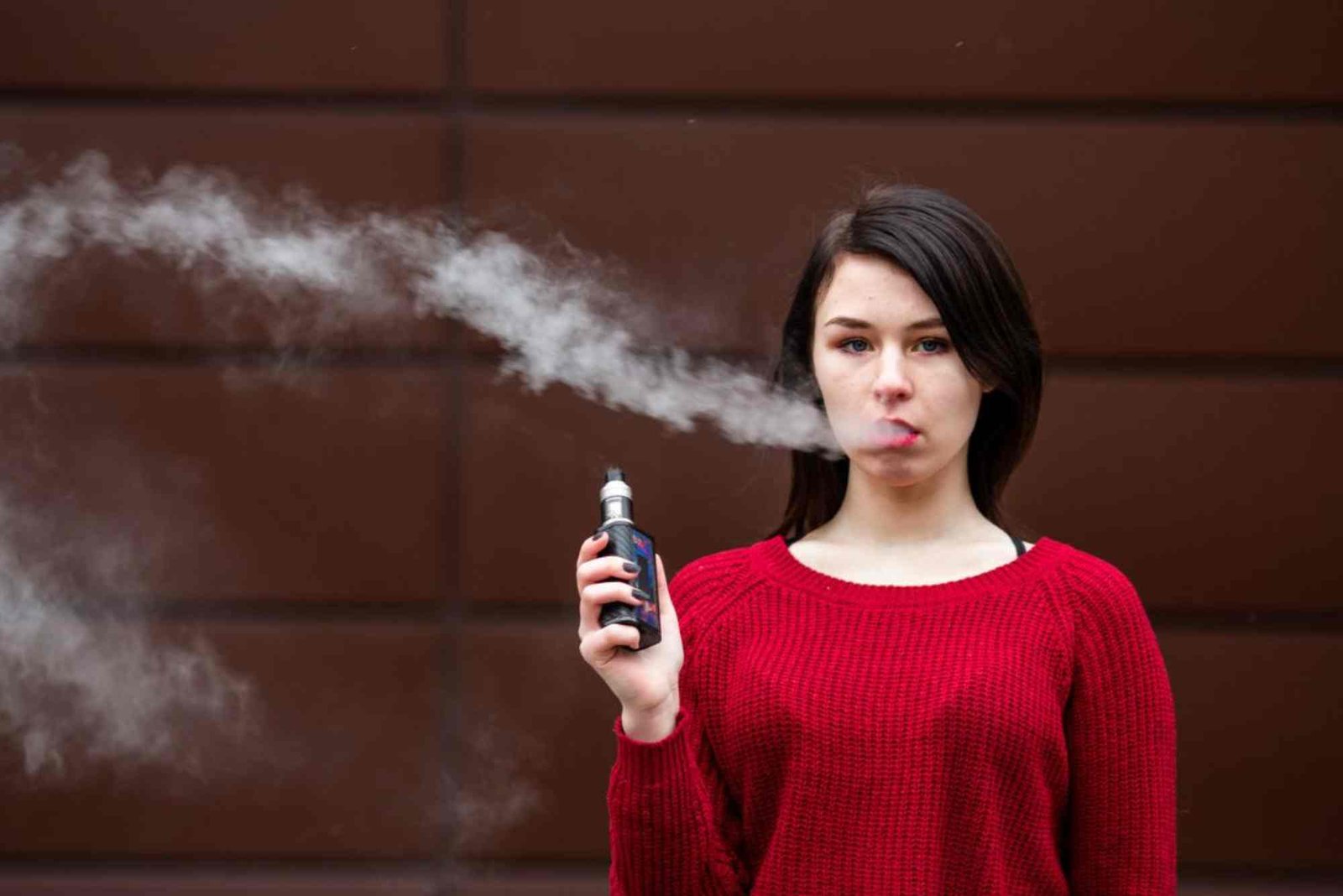
Is Against the Law in Utah to Vape Around Minors as a Path to Safer Nicotine Use?
Understanding whether it is against the law in Utah to vape around minors is important for parents, adults, and nicotine users. Vaping has become a major public health concern, particularly when children experience secondhand aerosol exposure. Although Utah has specific laws regulating tobacco and electronic cigarette use, different restrictions apply depending on the location and circumstances.
The question of whether it is against the law in Utah to vape around minors requires understanding several legal distinctions. These include public vaping restrictions, indoor air quality regulations, and laws protecting young people from nicotine products. Adults should also understand that legal permission does not necessarily mean vaping around children is harmless.
Utah’s approach combines tobacco control, youth protection, and public health education. Understanding these rules can help adults make responsible decisions while protecting children from preventable exposure.
Is It Against the Law in Utah to Vape Around Minors Under State Law?
The answer depends on where vaping occurs and whether other legal restrictions apply. Utah does not impose a universal statewide ban on every adult vaping near a minor. However, several laws restrict vaping in specific locations.
The Utah Indoor Clean Air Act is particularly important. It includes electronic cigarette use within its definition of smoking. Consequently, vaping is prohibited in most enclosed public places. These restrictions apply regardless of whether children are present.
The law also establishes a 25-foot restriction around entrances, exits, open windows, and air intakes. This applies to buildings where smoking is prohibited. Therefore, adults cannot avoid these restrictions simply by moving outside the building.

How Utah Protects Children From Vaping Exposure
Utah’s tobacco regulations aim to reduce exposure and prevent youth nicotine use. Schools, childcare facilities, and other protected environments have additional restrictions.
Parents should also understand the difference between vaping near children and allowing children to vape. These situations involve different legal considerations.
An adult vaping outside a prohibited area may not automatically violate a law simply because a child is nearby. Nevertheless, property rules and local restrictions may impose additional requirements.
Utah Vaping Laws and Restrictions Around Minors
Utah has established several important protections concerning electronic cigarettes and young people. Understanding these regulations helps adults avoid legal problems.
The following table summarizes important restrictions.
|
Situation |
Utah legal position |
|---|---|
|
Vaping inside public buildings |
Generally prohibited |
|
Vaping inside childcare facilities |
Prohibited |
|
Vaping within 25 feet of restricted building entrances |
Prohibited |
|
Vaping on school property |
Prohibited under applicable school restrictions |
|
Vaping in a vehicle with a child aged 15 or younger |
Prohibited |
|
Selling nicotine products to anyone under 21 |
Prohibited |
|
Allowing minors to use nicotine products in a business |
Prohibited |
|
Vaping near a minor in every outdoor location |
Not universally prohibited by statewide law |
These distinctions matter because the presence of a minor does not automatically determine whether an adult’s vaping is illegal. The location and circumstances remain important.
Is Vaping Around Minors Illegal Inside a Car in Utah?
Yes. Utah has a specific law addressing smoking and vaping in vehicles carrying young passengers.
Under Utah Code § 41-6a-1717, smoking is prohibited inside a motor vehicle when a child aged 15 or younger is present. Utah’s legal definition of smoking includes electronic cigarette use.
A violation is an infraction carrying a maximum fine of $45. The law provides a limited exception for convertible or open-body vehicles operating with the roof in open-air mode.
This regulation is particularly important for parents and caregivers. Opening a vehicle window does not create an exception for an ordinary enclosed car.
Keeping vehicles completely vape-free is the safest approach. Children should never have to breathe aerosol inside a confined space.
What Does Utah Law Say About Vaping Around Children at Home?
Private homes require a different legal consideration. The Utah Indoor Clean Air Act primarily regulates specified public and workplace environments.
It does not establish a universal prohibition against adults vaping in every private home when children are present. However, landlords, condominium associations, and property owners may establish additional restrictions.
Parents should also consider the potential consequences of exposing children to secondhand aerosol.
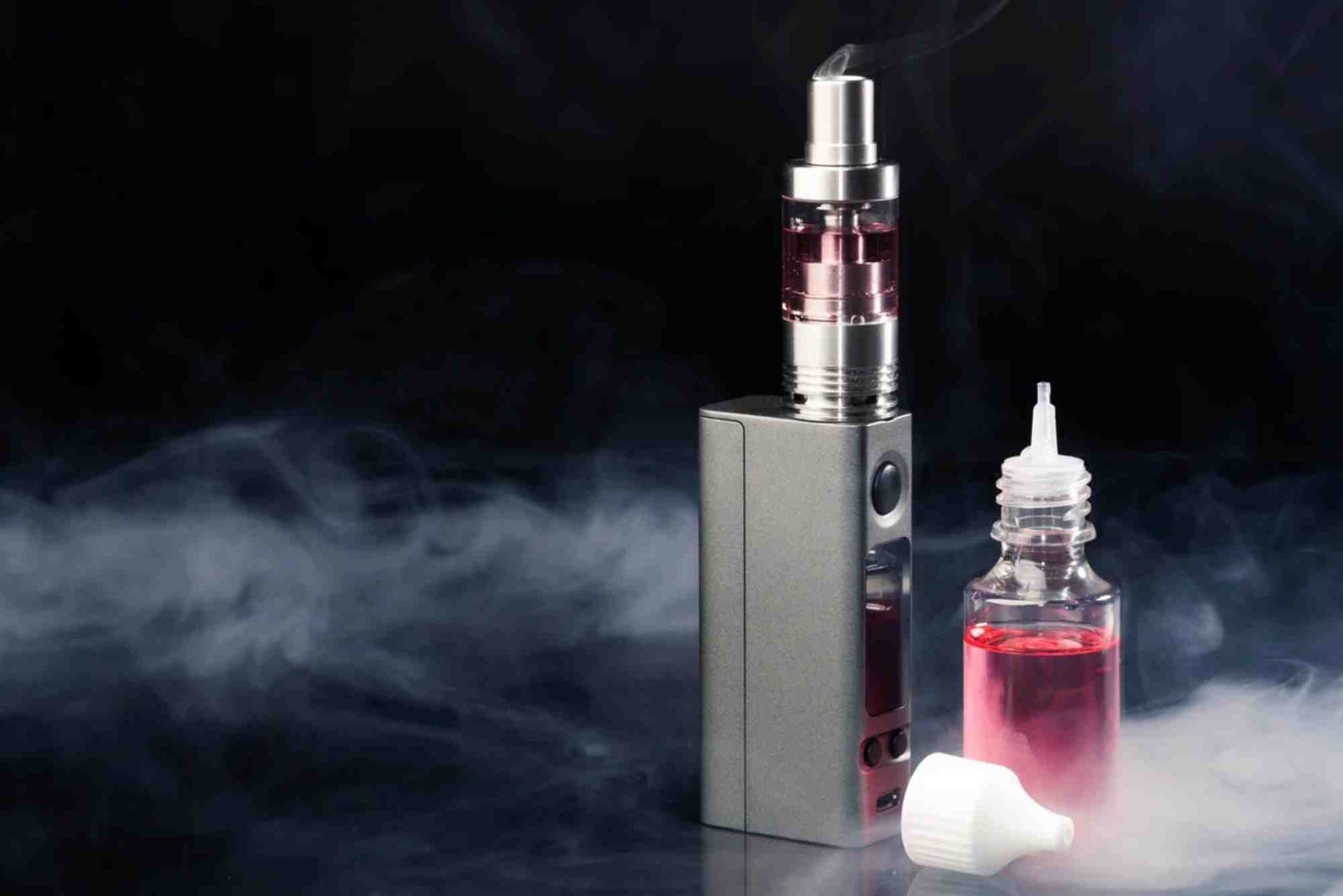
Electronic cigarettes produce an aerosol rather than harmless water vapor. Utah Department of Health / state code — minors protection It may contain nicotine, metals, formaldehyde, and other potentially harmful substances.
The Environmental Protection Agency explains that bystanders can inhale these substances. Ventilation may reduce exposure but cannot eliminate all associated risks.
Therefore, adults should avoid vaping indoors, especially around babies and young children. Maintaining a completely smoke-free and vape-free home provides better protection.
Can Adults Vape Around Minors in Public Places?
Public vaping rules in Utah depend on the location. Adults cannot assume that outdoor public spaces have identical restrictions.
The Utah Indoor Clean Air Act prohibits vaping in covered indoor public places. These include many workplaces, government buildings, childcare facilities, and other public-access locations.
Outdoor restrictions also apply near entrances, exits, windows, and air intakes of protected buildings. The 25-foot requirement is especially important when choosing an outdoor location.
Public parks, sidewalks, and private outdoor areas may have different rules. Local ordinances and property policies can impose additional restrictions.
Adults should check posted signs and follow local requirements. More importantly, they should avoid vaping near children whenever possible.
Utah’s Age Restrictions for Electronic Cigarettes
Utah maintains strict rules regarding youth access to nicotine products. The legal purchasing age is 21.
Under Utah Code § 76-9-1106, individuals younger than 21 cannot legally buy, attempt to buy, accept, or possess covered tobacco, electronic cigarette, or nicotine products.
Adults also cannot knowingly provide these products to individuals under 21. Businesses face penalties for permitting underage nicotine use on their premises.
These protections are important because nicotine can affect adolescent brain development. Early exposure can also increase the risk of nicotine dependence.
The rules distinguish between adults using products and young people possessing them. Understanding this distinction helps families avoid confusion about Utah’s vaping regulations.
Why Protecting Minors From Secondhand Vape Aerosol Matters
The discussion about whether it is against the law in Utah to vape around minors should include health considerations.
Legal restrictions establish minimum standards. However, responsible decisions require considering potential health consequences.
Children have developing respiratory systems. Their exposure to airborne chemicals deserves particular attention.
Secondhand vape aerosol can contain nicotine and fine particles. Some products may also release potentially harmful chemical compounds.
The EPA recommends preventing exposure rather than relying on ventilation. This is especially relevant in enclosed rooms and vehicles.
Parents can create healthier environments by establishing clear household rules. Caregivers should also avoid vaping near children during outdoor activities.
Is Vaping a Path to Safer Nicotine Use Around Minors?
Vaping is sometimes discussed as an alternative to traditional cigarette smoking. However, that discussion should not suggest that vaping is harmless.
For adults who smoke cigarettes, completely switching to regulated e-cigarettes may reduce exposure to certain harmful chemicals. Nevertheless, vaping still carries health risks and can maintain nicotine dependence.
Using vaping products around minors creates a separate concern. Children may observe adult behaviour and become curious about nicotine products.
Parents should avoid presenting vaping as harmless or suitable for young people. Nicotine products are not intended for children, teenagers, or adults who have never smoked.
Adults interested in quitting nicotine should consider evidence-based cessation support. Healthcare professionals can explain suitable treatments and behavioural strategies.
Frequently Asked Questions About Utah Vape Laws
Is it illegal to vape around children in Utah?
Utah does not have a universal statewide ban on vaping near minors in every outdoor or private setting. However, vaping is prohibited in designated public places, childcare facilities, and other restricted environments. Additional property and local rules may apply.
Can you vape in your car with a child in Utah?
No. Utah Code § 41-6a-1717 prohibits smoking, including vaping, in a motor vehicle carrying a child aged 15 or younger. The law includes a limited exception for certain open-air convertible vehicles.
Can parents vape inside their homes in Utah?
Utah does not impose a universal indoor vaping ban covering every private residence. Nevertheless, avoiding indoor vaping around children is strongly recommended. Property agreements may also establish additional restrictions.
What is the legal vaping age in Utah?
The minimum legal age for purchasing and possessing covered nicotine and electronic cigarette products is 21. Individuals younger than 21 are subject to Utah’s youth possession restrictions.
Is vaping allowed near Utah schools?
Vaping is prohibited on school property under Utah’s indoor air and school regulations. School policies also prohibit students from possessing or using electronic cigarettes on school property.
Does Utah consider vape aerosol harmful to children?
Yes. Vape aerosol can contain nicotine, fine particles, metals, and other potentially harmful substances. Children should not be exposed to secondhand aerosol.
Tryvapex.com is an online platform that offers users an informative browsing experience for vape-related products and updates. It provides easy navigation, guides, and product insights to help customers make informed choices. The website focuses on quality, convenience, and customer satisfaction, making it a reliable destination for vape enthusiasts seeking trusted information and solutions online.
Conclusion: Understanding Utah Vape Laws and Protecting Minors
Understanding whether it is against the law in Utah to vape around minors requires examining several different regulations. Utah prohibits vaping in many indoor public places and restricts smoking in vehicles carrying children aged 15 or younger.
State regulations also prevent individuals under 21 from purchasing or possessing covered nicotine products. These protections help reduce youth access and exposure to nicotine.
However, legal permission does not make vaping around children a safe practice. Parents, caregivers, and other adults should prioritize clean indoor air and protect children from unnecessary aerosol exposure.
Take action today: Review Utah’s vaping regulations, establish vape-free environments, and encourage responsible nicotine choices. Protecting children begins with informed decisions and healthier everyday habits.
For additional information, consult the Utah Department of Health’s tobacco prevention resources and applicable Utah state codes.