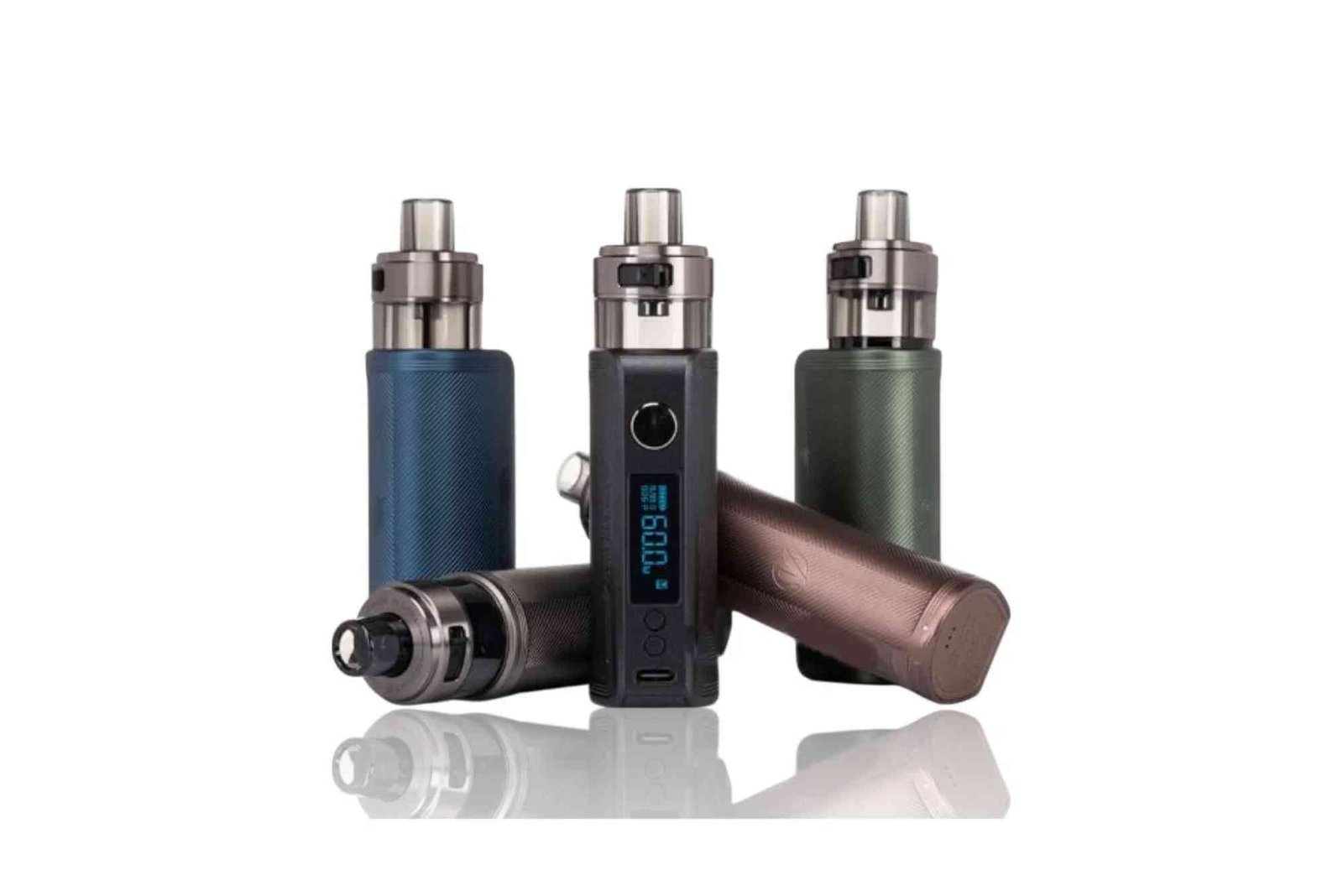

Truth vs Myth: Vaping Illegal Evanston in the Vaping World
Introduction
The question of whether vaping is illegal in Evanston creates confusion among residents and visitors. Some people believe all vaping products are prohibited. Others think they can vape anywhere because e-cigarettes are different from traditional cigarettes.
However, the truth is more complicated. Local regulations and Illinois state laws establish specific restrictions on vaping. These rules cover public places, workplaces, product sales, age requirements, and flavored tobacco products.
Truth vs Myth: Vaping illegal Evanston in the Vaping World explores these regulations and separates common misconceptions from legal facts. Understanding the rules helps consumers make informed decisions and avoid unnecessary penalties.
Vaping is not completely illegal in Evanston, Illinois. However, using certain products in restricted locations can violate local or state regulations.
Truth vs Myth: Vaping Illegal Evanston and What the Law Says
The most important distinction concerns the difference between possessing vaping products and using them in restricted places.
Illinois introduced additional restrictions on electronic cigarettes through amendments to the Smoke-Free Illinois Act. These changes took effect on January 1, 2024.

Consequently, vaping is prohibited in covered indoor public places and workplaces. The restrictions also extend to outdoor areas within 15 feet of specified entrances, exits, openable windows, and ventilation intakes.
This means vaping is subject to many of the same public-space restrictions as traditional smoking.
Evanston also maintains local tobacco regulations. Therefore, residents should understand both state requirements and applicable municipal rules.
Is Vaping Completely Illegal in Evanston?
No, vaping is not universally illegal in Evanston. Adults aged 21 and older can legally purchase qualifying vaping products, subject to applicable product and sales regulations.
However, legal possession does not automatically mean unrestricted use.
For example, someone may legally own a vape but cannot use it inside a covered restaurant, workplace, or public building. Similarly, vaping near certain entrances can violate state restrictions.
The distinction between purchasing, possessing, and using vaping products is essential.
A common misunderstanding is that restrictions on public vaping represent a complete prohibition. In reality, the law regulates where vaping can occur and which products retailers can sell.
Truth vs Myth: Understanding Evanston’s Local Vaping Ordinances
Evanston has introduced local tobacco regulations to protect public health. These rules address tobacco sales, flavored products, and smoking in designated areas.
The city’s Clean Air Act, Ordinance 38-O-08, restricts smoking in several public locations. These include restaurants, bars, schools, playgrounds, beaches, public transportation platforms, and shared residential spaces.
The ordinance also establishes a 25-foot restriction around entrances to enclosed areas where smoking is prohibited. Illinois state law separately establishes a 15-foot restriction for covered public places and workplaces.
These requirements should be considered together. Where local and state restrictions differ, users should follow the applicable legal requirements.
The city also introduced Ordinance 74-O-23, restricting the retail sale, display, marketing, and advertising of flavored tobacco products, including menthol. This restriction became effective on April 1, 2024.
What Does the Flavored Vape Ban Actually Mean?
The flavored tobacco restriction affects retailers selling flavored vaping products. It covers products containing nicotine and certain products without nicotine.
For example, flavored e-liquids containing fruit, candy, dessert, mint, or menthol characteristics fall within the city’s restrictions.
However, the city’s official guidance distinguishes flavored products from unflavored devices. An unflavored electronic cigarette sold separately may still be eligible for sale.
Consumers should understand that a retail sales restriction is not automatically the same as a prohibition on personal possession.
Vaping Laws in Evanston: Facts Versus Common Myths
The following table explains several common misunderstandings about vaping regulations.
|
Common belief |
Legal reality |
|---|---|
|
All vaping is illegal in Evanston |
False. Restrictions depend on location and product regulations. |
|
Adults cannot legally purchase vapes |
False. Eligible adults aged 21 and older can purchase permitted products. |
|
Vaping is allowed inside restaurants |
False. State law prohibits vaping in covered indoor public places. |
|
Flavored vape products can be freely sold |
False. Evanston restricts retail sales of flavored tobacco products. |
|
Vape devices are exempt from smoking restrictions |
False. Illinois law includes electronic smoking devices. |
|
Every vape possession is illegal |
False. Possession and prohibited retail sales are different legal issues. |
|
Outdoor vaping is always permitted |
False. Certain outdoor areas have restrictions. |
This comparison highlights why accurate information matters. People should avoid relying on social media discussions or outdated articles when interpreting local regulations.
Age Restrictions and Purchasing Vape Products
Age restrictions are another important part of the vaping debate.
Illinois law establishes 21 as the minimum age for purchasing tobacco products, including electronic cigarettes. Evanston’s Tobacco 21 ordinance also prohibits selling, giving away, or delivering tobacco and liquid nicotine products to people under 21.
The local ordinance additionally addresses the sale, purchase, and possession of tobacco products by minors.
Retailers must verify customers’ ages and follow applicable licensing requirements. Violations can result in financial penalties and potential licensing consequences.
Furthermore, flavored product restrictions create additional responsibilities for local businesses.
A product’s availability online does not necessarily mean its sale is lawful within Evanston. Retailers must follow the applicable local and state requirements.
Understanding the Health Debate Behind Vaping Regulations
Vaping regulations are not only about legal compliance. They also reflect concerns about public health and secondhand exposure.
Electronic cigarettes heat liquids to produce aerosols that users inhale. These aerosols may contain nicotine and other potentially harmful substances.
Although vaping differs from traditional cigarette smoking, it does not make vaping harmless.
Nicotine can cause dependence and may affect adolescent brain development. Health authorities particularly discourage vaping among young people and people who have never used tobacco.
Secondhand aerosol exposure is another concern. People nearby may encounter substances released during vaping.
Consequently, restrictions in workplaces, restaurants, and other shared environments aim to protect public spaces.
Understanding these health concerns provides useful context for Truth vs Myth: Vaping illegal Evanston in the Vaping World.
Where Can People Legally Vape in Evanston?
Understanding permitted locations is essential for avoiding legal problems.
Illinois law prohibits vaping inside covered public buildings and workplaces. City of Evanston — local vaping ordinances It also prohibits vaping within 15 feet of specified entrances, exits, openable windows, and ventilation intakes.
Evanston’s local rules provide additional restrictions in certain public areas.
Private residences generally receive different treatment under local smoking regulations. However, exceptions may apply to licensed care facilities and businesses operating from homes.
Property owners, landlords, and businesses may also establish additional rules. Therefore, permission from a property owner does not override state or municipal law.
Visitors should check posted signs before using electronic smoking devices.
City of Evanston — Local Vaping Ordinances and Their Impact
Local regulations influence both consumers and businesses.
Evanston’s tobacco policies aim to reduce tobacco consumption and protect residents from secondhand exposure. They also restrict the availability of flavored tobacco products.
Retailers must understand the difference between permitted unflavored products and restricted flavored products. They must also maintain appropriate licenses and follow age-verification requirements.
Consumers should recognize that local restrictions can change. Checking current municipal information is therefore important.
The following regulations provide a useful overview of the legal framework.
|
Regulation |
Main purpose |
Important requirement |
|---|---|---|
|
Ordinance 38-O-08 |
Clean Air Act |
Restricts smoking in designated public places |
|
Ordinance 74-O-23 |
Flavored tobacco restrictions |
Restricts flavored tobacco sales |
|
Ordinance 111-O-14 |
Tobacco 21 |
Establishes the minimum age of 21 |
|
Smoke-Free Illinois Act |
Statewide restrictions |
Prohibits vaping in covered public places and workplaces |
These regulations demonstrate that vaping laws involve several different responsibilities. Understanding each requirement helps prevent confusion.
Frequently Asked Questions About Vaping in Evanston
Is vaping illegal in Evanston, Illinois?
No, vaping is not completely illegal in Evanston. Adults aged 21 and older can legally purchase permitted vaping products. However, vaping is prohibited in covered public places and workplaces. Flavored tobacco product sales are also restricted.
Can you vape inside restaurants in Evanston?
No. Illinois law prohibits electronic cigarette use inside covered restaurants and other public places. These restrictions protect employees and customers from secondhand aerosol exposure.
What is the legal age to buy vapes in Evanston?
The minimum legal purchasing age is 21. Illinois law and Evanston’s Tobacco 21 ordinance establish this requirement. Retailers must verify customers’ ages before completing sales.
Are flavored vapes illegal in Evanston?
Evanston prohibits retailers from selling flavored tobacco products, including flavored vaping products and menthol products. The restriction became effective April 1, 2024. It applies to qualifying flavored products, including certain nicotine-free products.
Can you vape outside in Evanston?
Outdoor vaping is not automatically permitted everywhere. Illinois prohibits vaping within 15 feet of specified entrances, exits, openable windows, and ventilation intakes. Evanston also has additional local restrictions in designated areas.
Can you keep a vape inside your car in Evanston?
Generally, possessing a vaping device inside a private vehicle is not automatically illegal. However, other applicable laws and property restrictions may apply. Drivers should also avoid vaping where local rules prohibit it.
Tryvapex.com is an online platform that offers users an informative browsing experience for vape-related products and updates. It provides easy navigation, guides, and product insights to help customers make informed choices. The website focuses on quality, convenience, and customer satisfaction, making it a reliable destination for vape enthusiasts seeking trusted information and solutions online.
Conclusion: Understanding the Truth About Vaping in Evanston
The debate surrounding Truth vs Myth: Vaping illegal Evanston in the Vaping World demonstrates why accurate legal information matters.
Vaping is not completely prohibited in Evanston. However, Illinois state laws and local tobacco regulations establish important restrictions.
Adults must follow age requirements and understand where electronic cigarettes cannot be used. Retailers must also comply with flavored tobacco restrictions and licensing requirements.
Most importantly, consumers should distinguish between legal possession, product sales, and permitted usage locations.
Staying informed helps residents avoid misunderstandings and respect public health regulations.
Take action today: Learn about the applicable vaping regulations, check local requirements, and make responsible decisions. Staying informed is the best way to avoid unnecessary legal complications.