Truth vs Myth: Does Vaping Count as Smoking in the Vaping World?
The question of whether vaping counts as smoking creates considerable confusion. Many people use these terms interchangeably. However, vaping and traditional smoking are not the same activity.
Both involve inhaling substances into the lungs. Nevertheless, their devices, processes, and emissions differ significantly. Understanding these differences helps people make informed decisions.
Truth vs Myth: Does vaping count as smoking in the Vaping World explores the science, terminology, health considerations, and legal differences. It also explains why vaping sometimes receives the same restrictions as smoking. Although vaping does not involve burning tobacco, it is not completely risk-free.
Understanding the Difference Between Vaping and Smoking
Traditional smoking involves burning tobacco or another combustible material. This process produces smoke containing nicotine, carbon monoxide, tar, and numerous harmful chemicals.
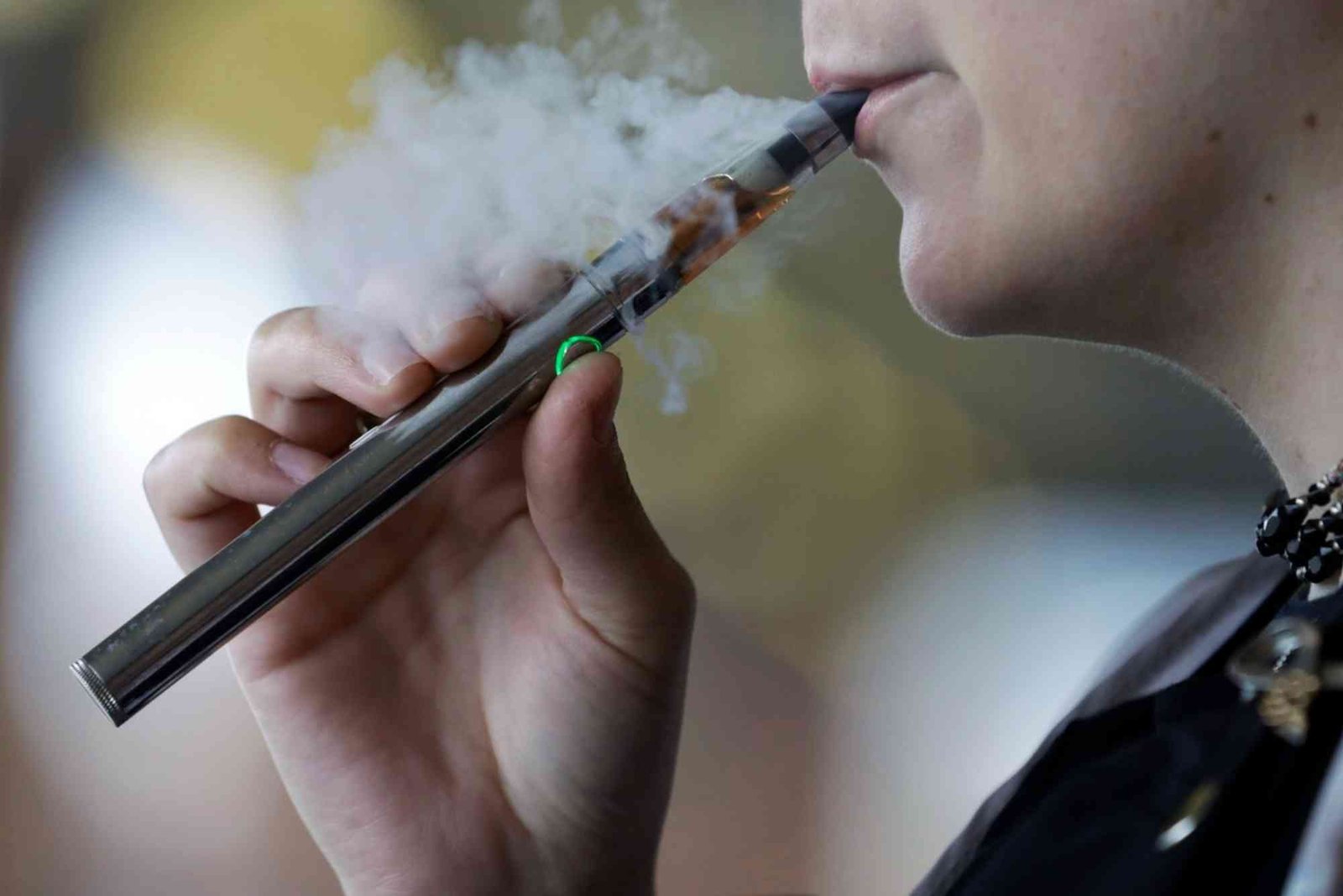
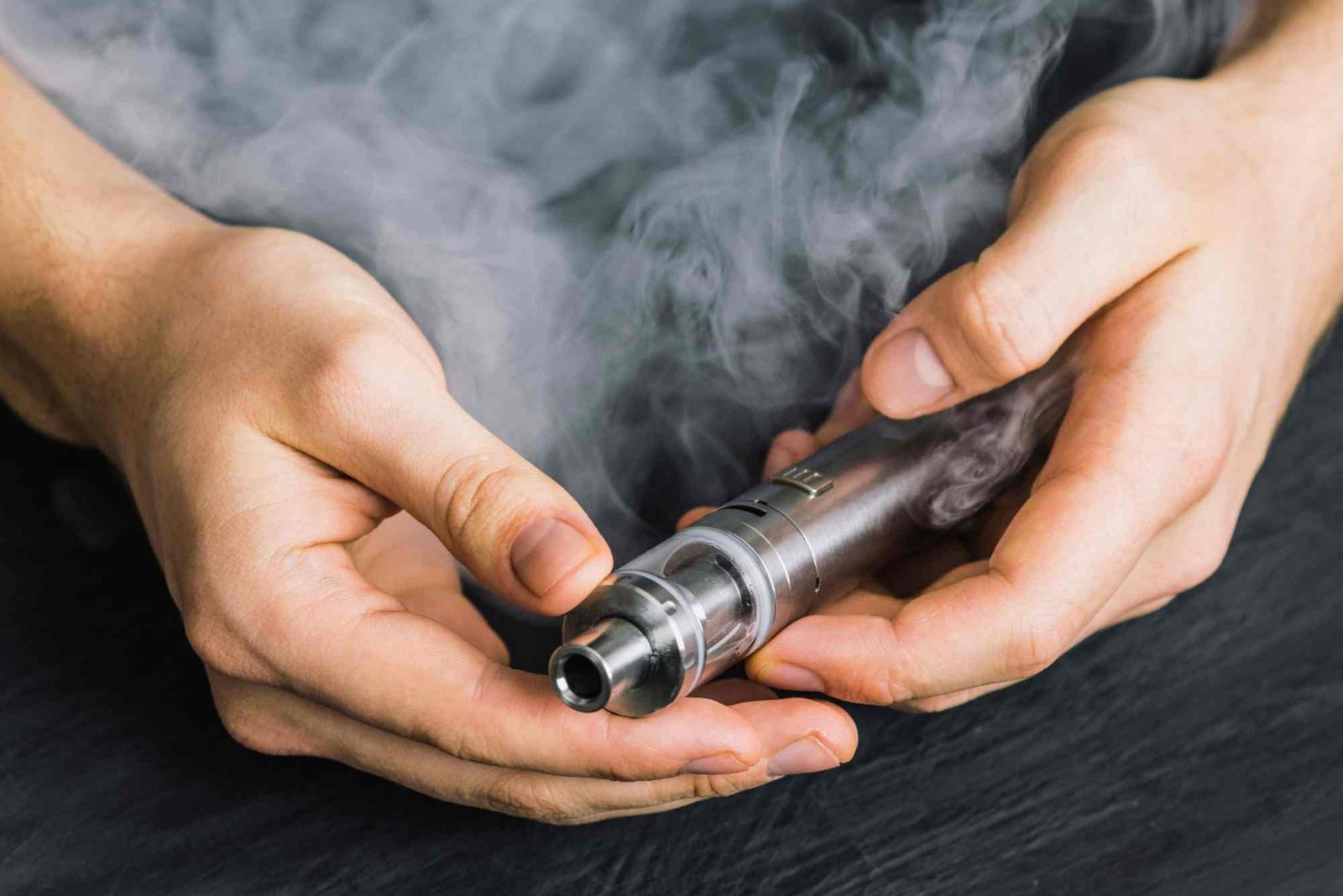
Vaping works differently. Electronic cigarettes heat a liquid to produce an aerosol. Users inhale this aerosol rather than tobacco smoke.
The liquid commonly contains nicotine, flavourings, propylene glycol, and vegetable glycerine. However, ingredients vary between products.

This distinction is central to understanding whether vaping counts as smoking. Scientifically, vaping is not traditional smoking because combustion does not occur.
Nevertheless, both activities involve inhaling substances. Therefore, they can share certain health concerns and public restrictions.
Truth vs Myth: Does Vaping Count as Smoking in Everyday Language?
The answer depends on the context. In everyday conversations, people sometimes describe vaping as smoking. This happens because both activities involve inhaling and exhaling visible emissions.
However, technical definitions distinguish the two processes. Smoking produces smoke through combustion. Vaping produces an aerosol through heating.
This difference matters when discussing health, legislation, workplace policies, and public behaviour.
For example, a workplace might prohibit both activities. Its policy may use the word smoking to describe all inhaled nicotine products. That does not make vaping scientifically identical to smoking.
Why Vaping Is Not Technically Smoking
The Absence of Tobacco Combustion
The biggest difference involves combustion. Cigarettes burn tobacco at high temperatures. This releases smoke containing thousands of chemicals.
Most electronic cigarettes heat liquid without burning tobacco. Consequently, their emissions have a different chemical composition.
However, vaping aerosols can still contain harmful substances. These may include fine particles, volatile organic compounds, and metals.
Different Emissions and Inhalation Processes
Cigarette smoke results from burning tobacco and other cigarette materials. Vape aerosol forms when heated liquid becomes airborne.
Although both reach the respiratory system, their contents differ. Neither should be considered harmless.
Different Products and Equipment
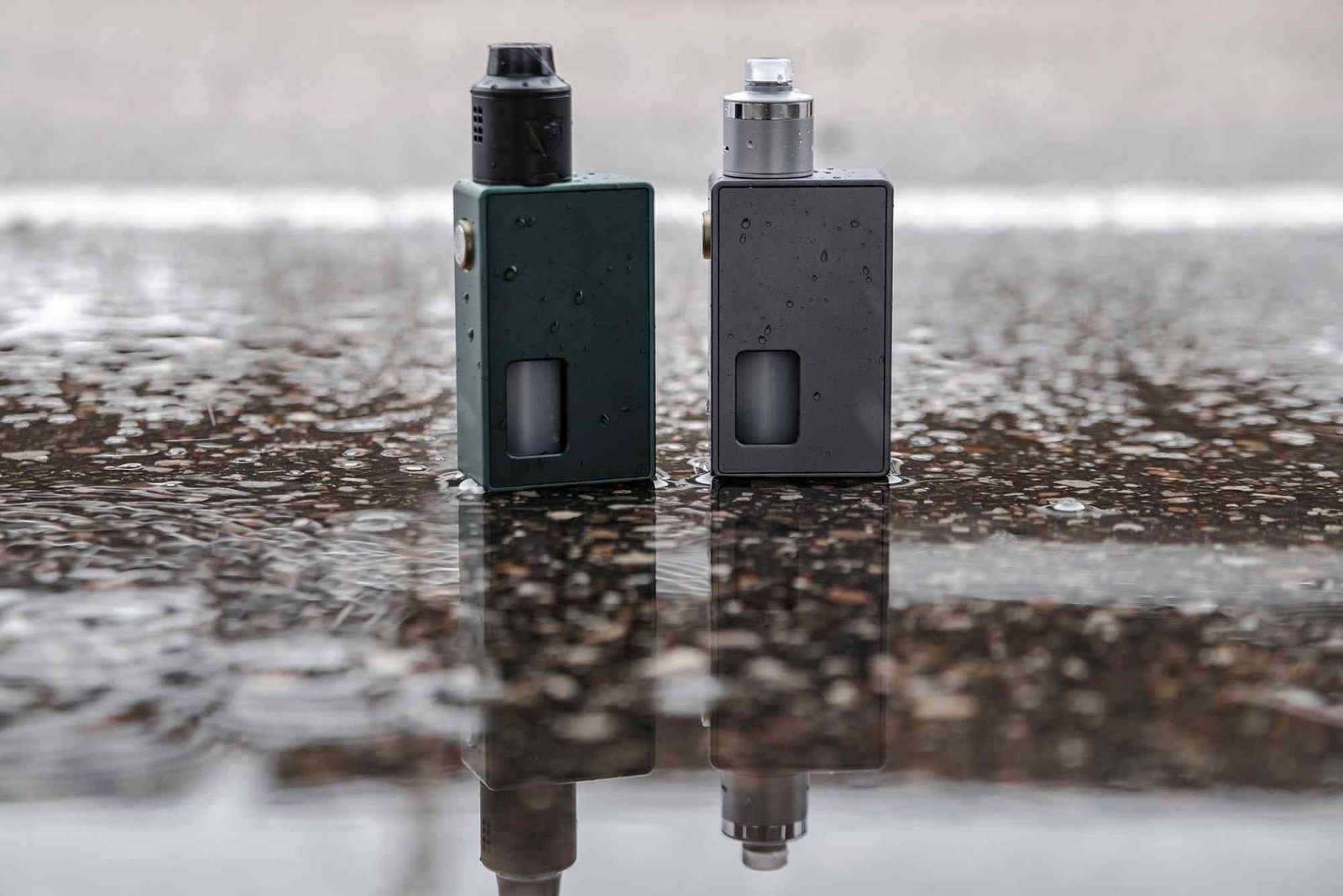
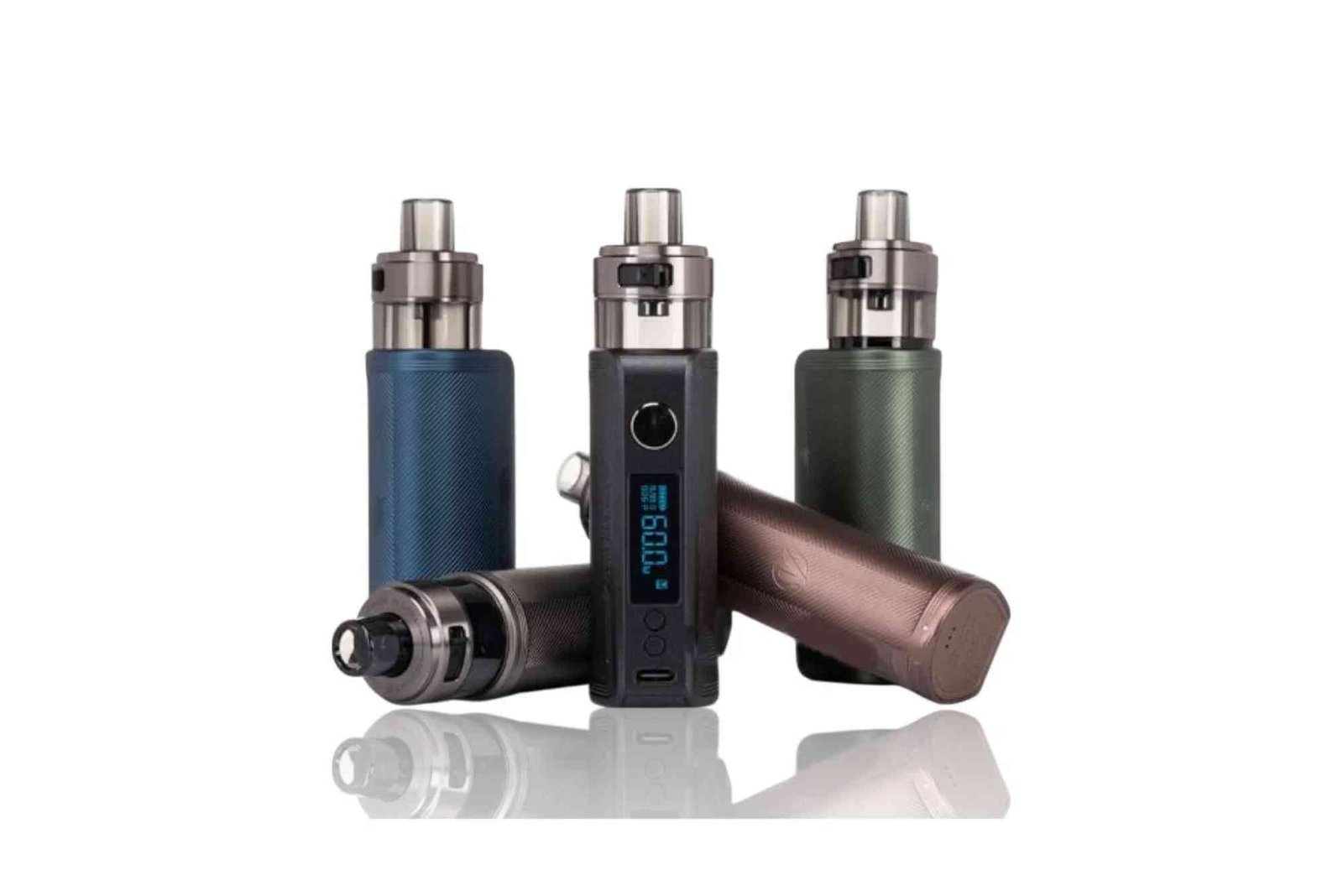
Traditional cigarettes contain processed tobacco. Vaping devices use rechargeable batteries, heating elements, and liquid cartridges or tanks.
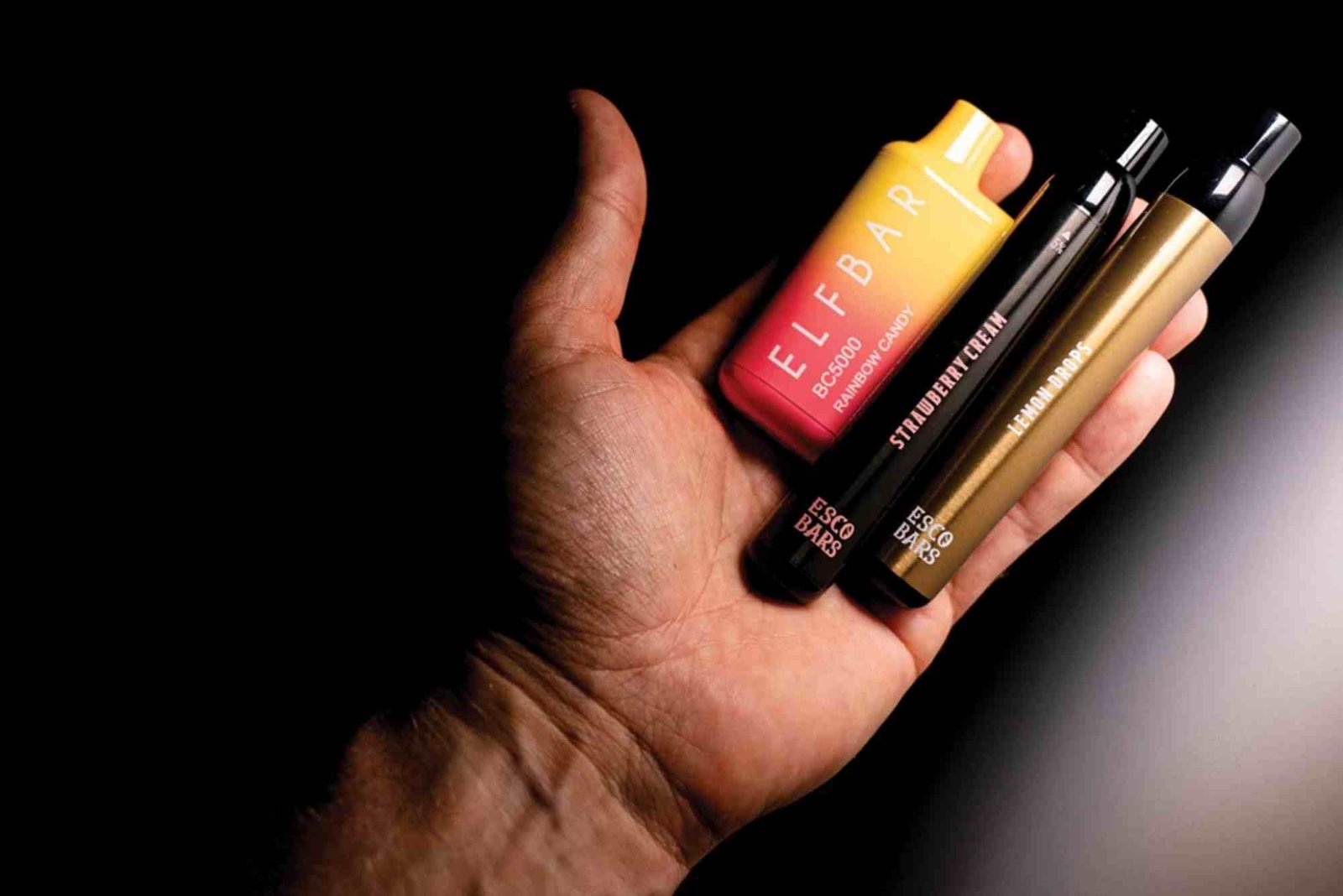
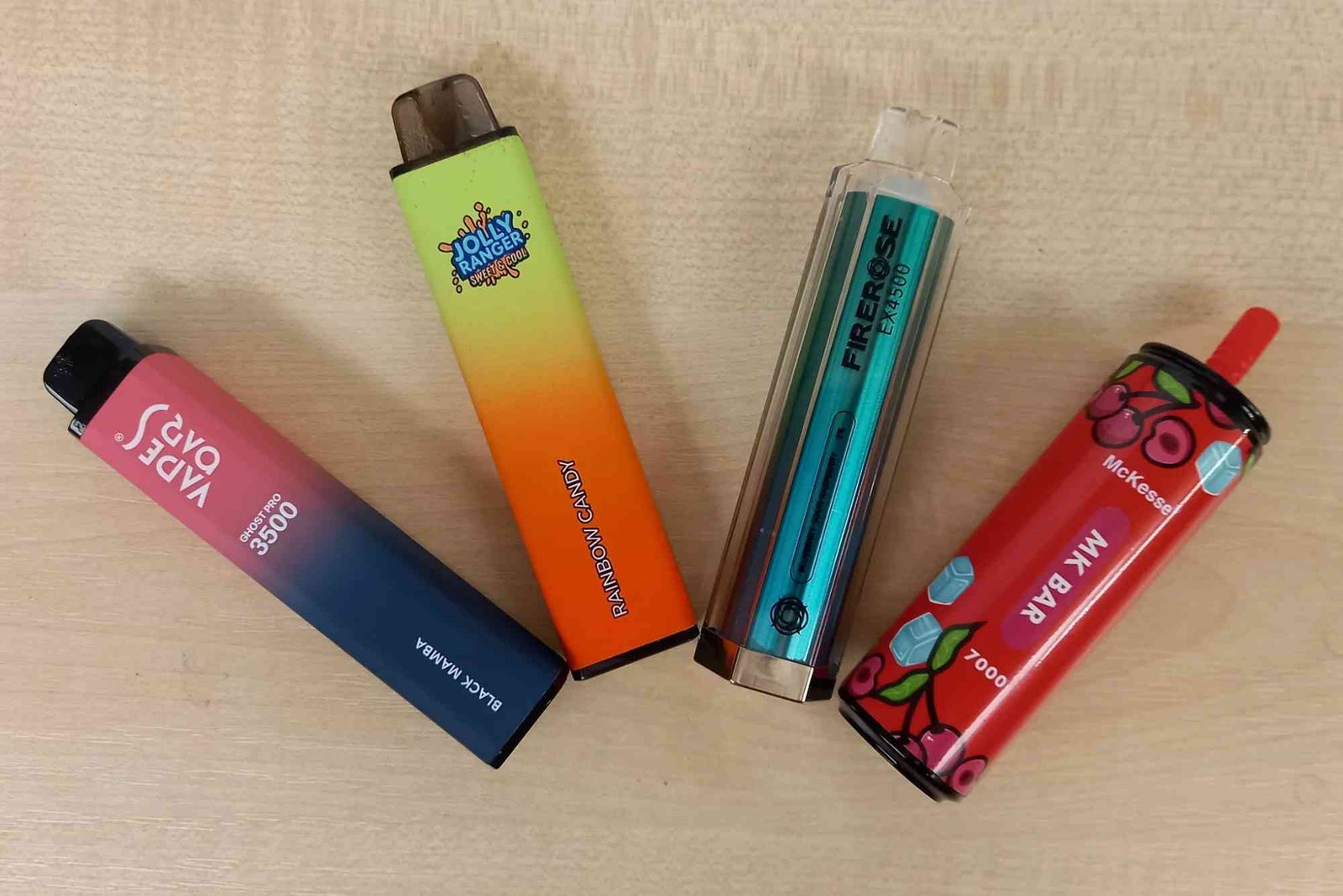
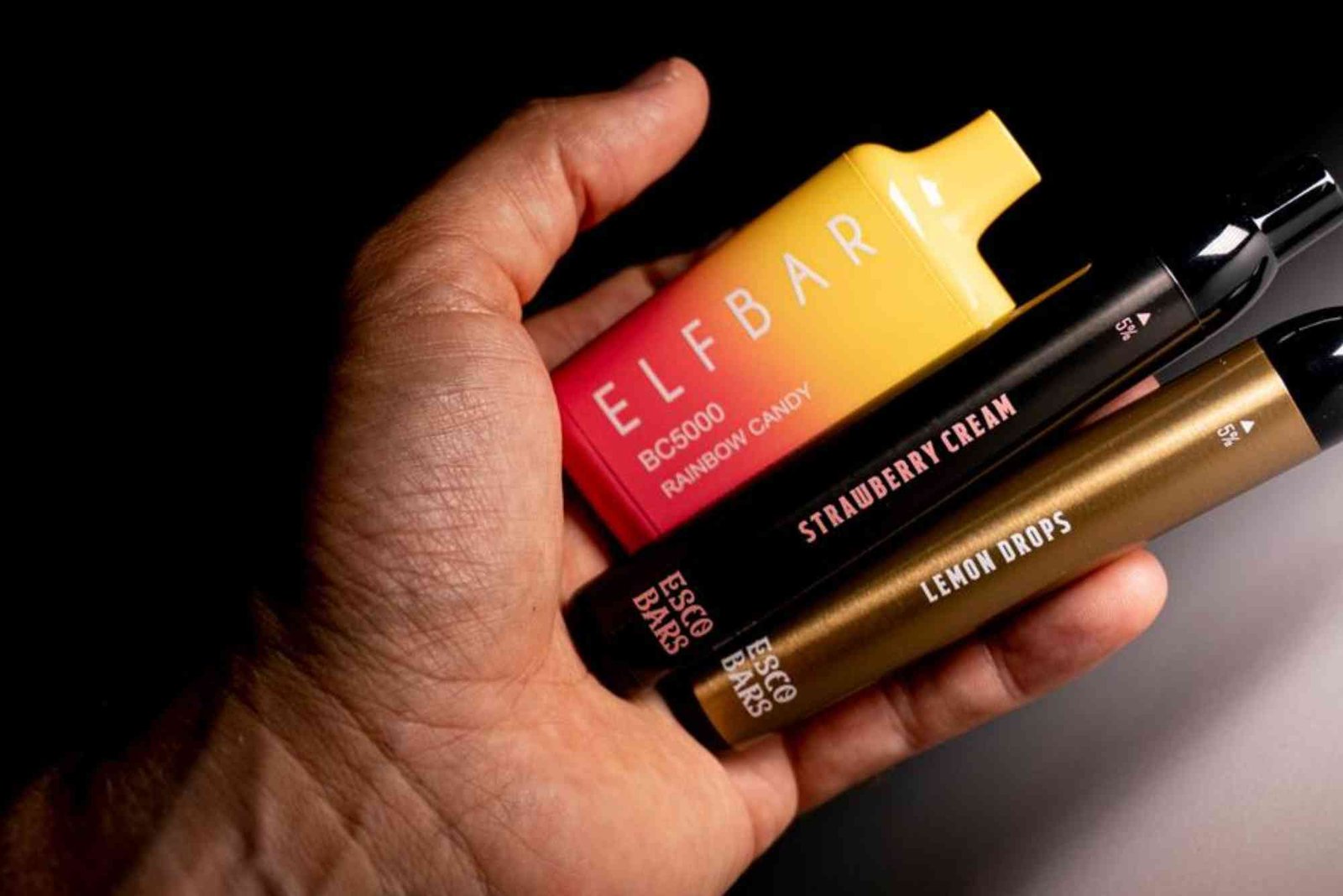
Some devices are disposable, while others allow users to refill them. Their designs and operating methods vary considerably.
Does Vaping Have the Same Health Risks as Smoking?
Vaping and smoking have different health effects. However, neither activity should be treated as entirely safe.
Cigarette smoking exposes users to toxic substances produced by burning tobacco. These substances increase the risks of cancer, heart disease, and respiratory illnesses.
Vaping generally exposes users to fewer harmful chemicals than cigarette smoking. However, vape aerosols can contain nicotine and other potentially harmful substances.
The NHS recognises vaping as a tool that can help adults stop smoking. However, non-smokers and young people should not start vaping.
Is Vaping a Safer Alternative to Cigarettes?
For adults who already smoke, completely switching to regulated nicotine vaping products can reduce exposure to many harmful chemicals.
However, using both cigarettes and vapes may preserve many smoking-related health risks. Therefore, completely stopping combustible tobacco is important.
Vaping is not risk-free. Its long-term health effects also require continued research.
Vaping Laws and Public Smoking Restrictions
Legal definitions play an important role in the vaping debate. Different countries have different rules governing electronic cigarettes.
Some governments regulate vaping separately from traditional smoking. Others introduce similar restrictions for public health reasons.
GOV.UK / UK Smoke-Free Law Guidance
In the UK, traditional smoke-free legislation and vaping restrictions have historically followed different rules.
The GOV.UK guidance explains that smoking is prohibited in enclosed workplaces, public buildings, and public transport. However, traditional smoke-free legislation does not automatically prohibit electronic cigarettes.
Employers can establish their own workplace vaping policies. Therefore, employees should check local rules before using electronic cigarettes.
The Tobacco and Vapes Act 2026 also introduces powers for designated vape-free places. Implementation depends on the relevant regulations and commencement provisions.
Consequently, the legal position should not be reduced to a simple statement that vaping is always permitted wherever smoking is prohibited.
Why Do Some Places Treat Vaping Like Smoking?
Many businesses introduce identical restrictions for practical reasons. Visible aerosol can disturb other visitors. GOV.UK / UK smoke-free law guidance Some establishments also want to discourage nicotine use.
Hospitals, schools, restaurants, and public transport operators may establish specific vaping policies.
These policies do not necessarily mean vaping and smoking are legally identical. Instead, they reflect individual safety and management decisions.
Truth vs Myth: Does Vaping Count as Smoking? A Comparison
The following comparison explains the main differences between both activities.
|
Comparison factor |
Traditional smoking |
Vaping |
|---|---|---|
|
Main process |
Burns tobacco |
Heats e-liquid |
|
Main emission |
Smoke |
Aerosol |
|
Tobacco combustion |
Yes |
No |
|
Nicotine |
Usually present |
May be present |
|
Tar production |
Produced through combustion |
Not produced in the same way |
|
Carbon monoxide |
Produced |
Generally not produced through normal vaping |
|
Health risks |
Well-established serious risks |
Not risk-free; long-term effects remain under study |
|
Legal classification |
Smoking |
Often regulated separately |
The comparison shows why vaping is not technically traditional smoking. Nevertheless, both activities deserve responsible regulation.
Common Myths About Vaping and Smoking
Myth: Vaping Produces Exactly the Same Smoke as Cigarettes
This statement is incorrect. Vapes produce an aerosol rather than combustion-generated tobacco smoke.
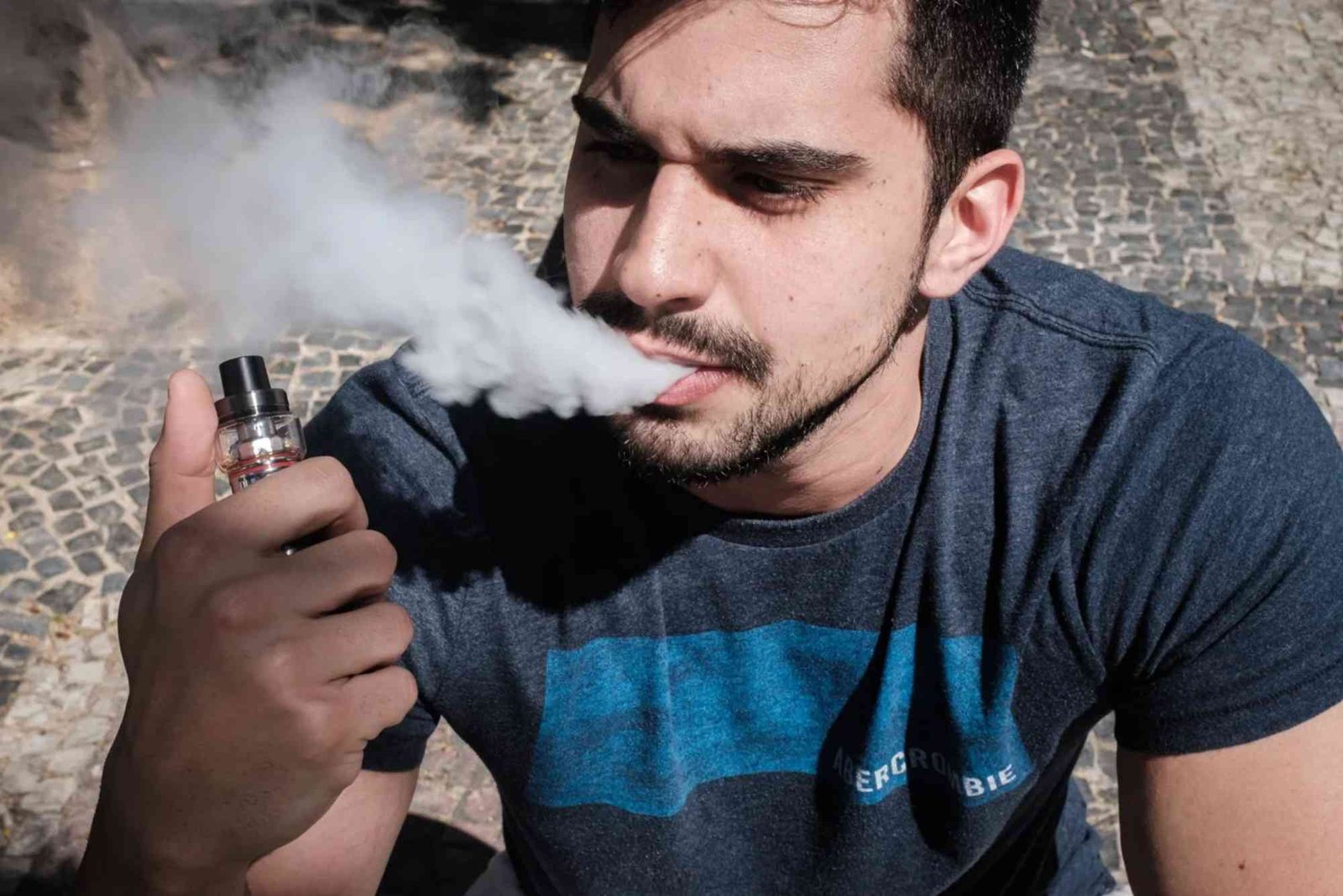
Although the clouds look similar, their chemical compositions differ. Appearance alone cannot determine what someone is inhaling.
Myth: Vaping Is Completely Harmless
This is another misconception. Some vaping liquids contain addictive nicotine.
Aerosols may also contain substances that can affect respiratory health. Therefore, vaping should not be described as harmless.
Myth: Vaping Is Always Illegal Where Smoking Is Banned
This is not universally true. Some laws distinguish vaping from smoking.
However, individual businesses and transport providers can impose additional restrictions. Always check the relevant policy before vaping.
Myth: Former Smokers Can Ignore All Vaping Risks
Former smokers should understand that nicotine dependence can continue through vaping.
Switching away from cigarettes can reduce exposure to harmful combustion products. However, stopping nicotine use remains an important consideration.
How Society Understands Vaping Today
Public attitudes towards vaping continue to change. Some people associate vaping with smoking because of its appearance and nicotine content.
Others recognise it as a separate category of electronic nicotine delivery. This distinction is particularly important in public health discussions.
Businesses increasingly develop separate policies for smoking and vaping. Meanwhile, governments continue reviewing regulations and scientific evidence.
Education helps prevent unnecessary confusion. It also encourages people to understand the differences between combustible tobacco and electronic cigarettes.
Frequently Asked Questions About Vaping and Smoking
Does vaping count as smoking?
No, vaping is not technically smoking. Smoking involves burning tobacco, whereas vaping heats liquid to produce an aerosol. However, certain laws and workplace policies restrict both activities.
Is vaping worse than smoking?
Current evidence indicates that vaping exposes users to fewer harmful chemicals than traditional cigarettes. However, vaping is not harmless. People who do not smoke should avoid starting.
Can you vape in places where smoking is prohibited?
It depends on local legislation and individual property policies. Some places permit vaping while prohibiting smoking. Others apply separate no-vaping restrictions.
Does vaping produce secondhand smoke?
No, vaping does not produce traditional secondhand tobacco smoke. Instead, it releases an aerosol into the surrounding environment. This aerosol may contain nicotine and other potentially harmful substances.
Does vaping contain nicotine?
Some vaping products contain nicotine, while others are nicotine-free. Nicotine is addictive and can create dependence. Users should check product ingredients carefully.
Why do people call vaping smoking?
People often use the word smoking because both activities involve inhalation. Visible vape clouds also resemble cigarette smoke. However, their underlying processes are different.
Conclusion: Understanding the Truth Behind Vaping and Smoking
So, does vaping count as smoking? The scientific answer is no. Vaping and traditional smoking involve different processes, emissions, and products.
However, this distinction does not make vaping completely safe. Nicotine dependence and potential respiratory effects remain important concerns.
Understanding these differences helps consumers, businesses, and policymakers make informed decisions. It also prevents misconceptions about vaping regulations and public health.
Want to learn more about vaping facts, regulations, and industry developments? Explore reliable educational resources and stay informed about the changing vaping landscape. Always prioritise health, responsible choices, and current local regulations.
Tryvapex.com is an online platform that offers users an informative browsing experience for vape-related products and updates. It provides easy navigation, guides, and product insights to help customers make informed choices. The website focuses on quality, convenience, and customer satisfaction, making it a reliable destination for vape enthusiasts seeking trusted information and solutions online.