
Truth vs Myth: Texas Vaping Laws in the Vaping World
Introduction
Vaping laws continue to change across the United States. Texas is no exception. Its regulations affect consumers, retailers, manufacturers, and businesses. However, conflicting information often creates confusion about what is legal.
Understanding Truth vs Myth: Texas vaping laws in the Vaping World helps consumers separate facts from misleading claims. Some people believe vaping is completely illegal in Texas. Others assume adults can vape anywhere without restrictions. Neither assumption is entirely correct.
Texas permits certain vaping activities under specific legal conditions. However, age restrictions, public-use rules, and product regulations must be followed. Recent legislative changes have also introduced additional requirements for vape products.
This article explores the major facts, common misconceptions, and important legal developments affecting Texas vaping laws in 2026.
Understanding Truth vs Myth: Texas Vaping Laws in the Vaping World
Texas regulates electronic cigarettes through several laws. These regulations cover purchasing, possession, advertising, manufacturing, and distribution.
The Texas Health and Safety Code establishes important requirements for tobacco and electronic cigarette products. Meanwhile, the Texas Penal Code addresses vaping in certain public places.

These laws do not create one universal prohibition against vaping. Instead, they establish specific restrictions depending on the person’s age, location, and product involved.
Another important development occurred on September 1, 2025. Several legislative changes introduced additional restrictions concerning e-cigarette products and advertising.
Therefore, understanding the difference between state laws and local regulations is essential.
Myth: Vaping Is Completely Illegal in Texas
One common misconception is that Texas prohibits all vaping activities. This statement is incorrect.
Adults who meet applicable legal requirements can generally purchase and use lawful vaping products. However, certain locations prohibit vaping, and some products cannot legally be marketed or sold.
For example, Texas prohibits e-cigarette use in specified public places. These include public school facilities, hospitals, libraries, enclosed theaters, and certain public transportation services.
Local governments can also introduce additional restrictions. Consequently, rules may differ between cities.
The important distinction is that legal vaping does not mean unrestricted vaping.
Fact: Texas Has a Minimum Legal Age for Vaping
Age restrictions are among the most important parts of Texas vaping regulations.
Under Senate Bill 21, which became effective in September 2019, Texas established 21 as the minimum age for purchasing, possessing, receiving, or consuming e-cigarettes.
The restrictions also apply to tobacco products and traditional cigarettes.
People younger than 21 generally cannot purchase or possess vaping products. Violations can result in legal consequences, including fines and educational requirements.
Texas Legislature Online — vape & tobacco statutes Texas law contains limited exceptions involving certain military personnel and individuals covered by earlier age provisions. However, federal Tobacco 21 requirements still prohibit retailers from selling tobacco products, including e-cigarettes, to people under 21.
Retailers must therefore verify customers’ ages before completing purchases.
Truth vs Myth: Texas Vaping Laws and Public Places
Another misunderstanding concerns vaping in public spaces. Some people assume that vaping is permitted everywhere smoking is allowed.
However, this assumption can create legal problems.
Texas Penal Code Section 48.01 restricts e-cigarette use in several specified public places. These restrictions include public school facilities, elevators, enclosed theaters, libraries, museums, hospitals, and certain transportation services.
Additionally, school-related regulations prohibit vaping and student possession at covered school activities.
Local governments may establish broader smoke-free ordinances. Some cities include restaurants, workplaces, parks, and other public areas.
For this reason, consumers should check local requirements before using vaping devices outside their homes.
Recent Changes to Texas Vaping Laws in 2025 and 2026
Texas introduced significant vaping-related legislative changes in 2025. These developments remain particularly important in 2026.
Senate Bill 2024, Senate Bill 1313, and Senate Bill 1316 became effective on September 1, 2025.
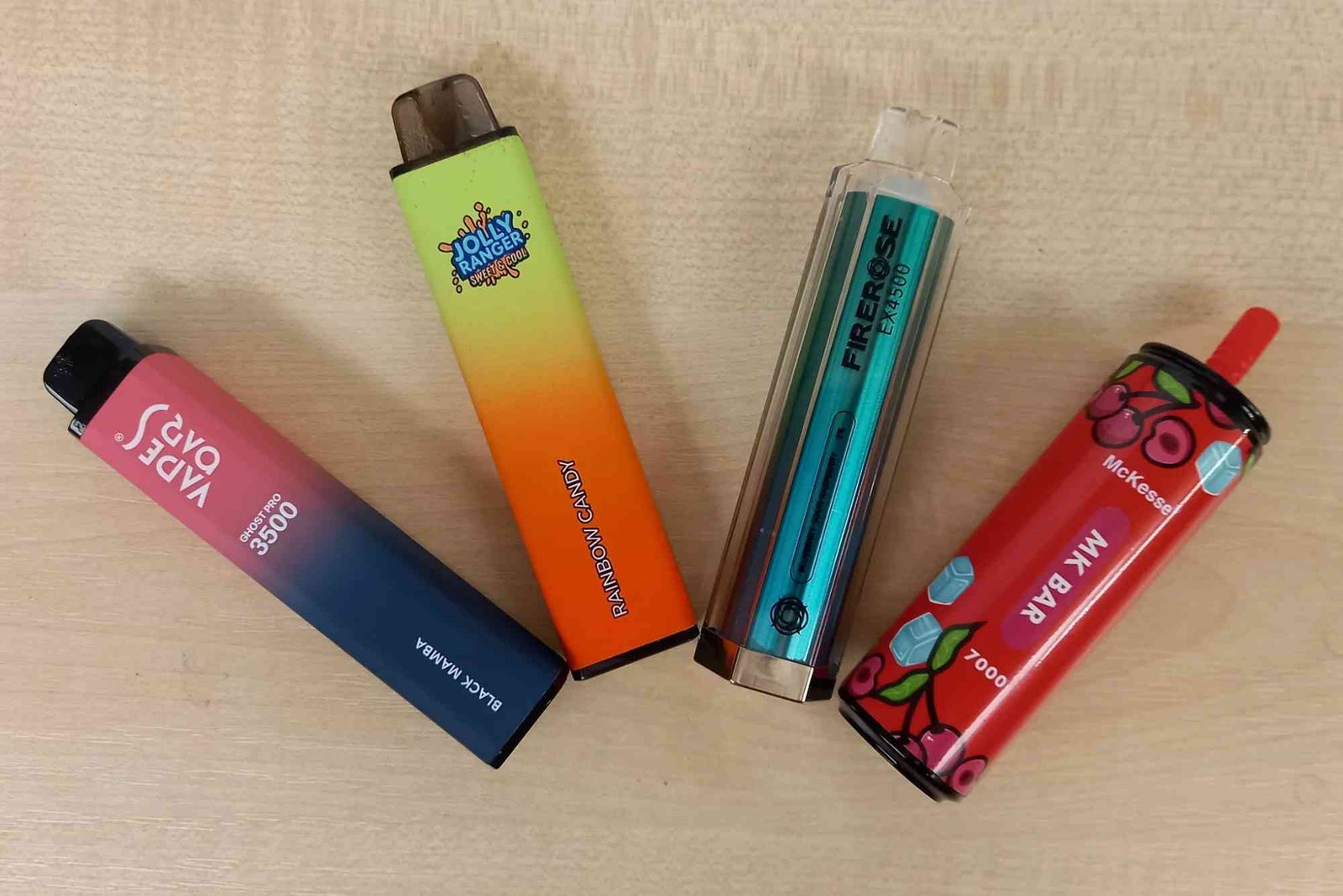
Senate Bill 2024 introduced restrictions involving certain e-cigarette products. These include products disguised as everyday objects, products manufactured wholly or partly in China or certain designated foreign adversary countries, and products containing specified substances.
The legislation also addresses packaging and marketing practices involving celebrity names and other prohibited product characteristics.
Senate Bill 1313 restricts certain advertising and marketing designs that appeal primarily to minors. This includes imagery resembling food products and other youth-oriented symbols.
Senate Bill 1316 restricts outdoor e-cigarette advertising signs within 1,000 feet of schools and churches.
These changes demonstrate that Texas vaping regulations extend beyond consumer age restrictions. They also address product design, advertising, and retail practices.
Truth vs Myth: Texas Vaping Laws Compared
The following table explains common assumptions and their legal realities.
| Common belief | Actual legal position in Texas |
|---|---|
| All vaping is illegal | Adults can use lawful products subject to restrictions. |
| Anyone over 18 can purchase vapes | Federal and state rules generally require customers to be at least 21. |
| Vaping is permitted everywhere | Certain public places prohibit e-cigarette use. |
| All vape products are legal | Certain products face specific marketing and sales prohibitions. |
| Local governments cannot restrict vaping | Cities can introduce additional restrictions. |
| Advertising any vape product is acceptable | Texas prohibits certain advertising practices and designs. |
| Vaping laws only affect consumers | Retailers and manufacturers also face legal requirements. |
These distinctions help readers understand the difference between popular assumptions and actual legal requirements.
How Texas Vaping Laws Affect Retailers and Manufacturers
Texas vaping regulations affect businesses throughout the supply chain.
Retailers must follow age-verification requirements and applicable product restrictions. They must also comply with licensing, display, advertising, and sales regulations.
Manufacturers must consider product composition, packaging, labeling, and manufacturing origins. Products that violate applicable restrictions cannot legally be marketed or sold in Texas.
Advertising is another important consideration. Businesses must avoid prohibited designs, misleading presentations, and marketing practices directed toward minors.
Noncompliance can result in financial penalties and criminal consequences. Therefore, businesses should regularly review legislative developments.
Why Understanding Texas Vaping Regulations Matters
Accurate information helps consumers and businesses make responsible decisions.
For consumers, understanding the law reduces the risk of purchasing prohibited products or vaping in restricted locations.
For retailers, legal awareness helps prevent compliance problems. It also supports responsible age verification and appropriate product selection.
Parents and educators can benefit from understanding these regulations. They can communicate legal responsibilities and explain why underage vaping creates serious concerns.
Moreover, following reliable government information is important because online discussions sometimes contain outdated legal advice.
Conclusion
Understanding Truth vs Myth: Texas vaping laws in the Vaping World requires looking beyond common assumptions. Texas does not completely prohibit adult vaping. However, strict age requirements, public-use restrictions, and product regulations apply.
The legislative changes introduced in September 2025 also demonstrate the state’s increased attention to vape advertising, product design, and manufacturing origins.
Consumers should understand applicable restrictions before purchasing or using vaping products. Retailers and manufacturers should review current requirements to maintain compliance.
Stay informed, verify legal information through official government resources, and make responsible decisions. Understanding the law is an important step toward navigating the changing vaping landscape in Texas.
Tryvapex.com is an online platform that offers users an informative browsing experience for vape-related products and updates. It provides easy navigation, guides, and product insights to help customers make informed choices. The website focuses on quality, convenience, and customer satisfaction, making it a reliable destination for vape enthusiasts seeking trusted information and solutions online.
Frequently Asked Questions About Texas Vaping Laws
Is vaping legal in Texas?
Yes. Adults who meet applicable age requirements can generally purchase and use lawful vaping products. However, restrictions apply to certain products and public locations.
Can you vape in public places in Texas?
It depends on the location. State law prohibits vaping in specified public facilities and transportation services. Local ordinances may impose additional restrictions.
Can an 18-year-old legally buy a vape in Texas?
Generally, no. Federal Tobacco 21 requirements prohibit retailers from selling e-cigarettes to individuals younger than 21. Limited historical state-law exceptions do not override federal retail restrictions.
Are flavored vapes illegal in Texas?
Texas does not impose a simple statewide prohibition on every flavored vaping product. However, certain products face restrictions based on packaging, design, ingredients, and other statutory requirements.
Can you vape inside restaurants in Texas?
There is no single statewide prohibition covering every restaurant. However, individual cities and restaurant owners may prohibit vaping indoors. Customers should check applicable local rules.
What changed in Texas vaping laws in 2025?
Several laws became effective on September 1, 2025. They introduced additional restrictions concerning product design, manufacturing origins, prohibited substances, and advertising practices.
Can Texas cities make their own vaping rules?
Yes. Local governments can establish additional restrictions on vaping in public places. Consequently, requirements may vary between Texas cities.
Where can consumers find accurate information about Texas vaping laws?
Consumers can consult official Texas government legislation, the Texas Comptroller’s tobacco enforcement information, and the Department of State Health Services. These resources provide information about current requirements and enforcement.