
Vaping has been promoted as a safer alternative to traditional smoking, but debates about public health, youth uptake, and regulation have intensified worldwide. In this context, when are vapes becoming illegal as a Path to Safer Nicotine Use is not just a question of law — it’s a broader discussion about balancing harm reduction and protection against addiction. Policymakers, health experts, and everyday users are asking whether restricting vapes will truly lead to safer nicotine consumption or unintended consequences.
Understanding the Legal Landscape for Vapes Globally
How Lawmakers View Vapes and Nicotine Safety
Across the world, vaping products are regulated very differently. Some nations have opted for complete bans, others for targeted restrictions like flavour bans, and many maintain regulated markets with age limits and advertising controls. These approaches reflect different public health priorities and cultural attitudes toward nicotine and smoking cessation.
In many places, governments are tightening vape regulations because of youth vaping concerns and potential health risks — even as many public health organizations acknowledge that vaping is generally less harmful than combustible tobacco.
Current and Future Ban Timelines: Case Notes
In the United Kingdom, the sale of disposable vaping products has already become illegal as of 1 June 2025, as part of a broader effort to limit waste and curb youth access. In contrast, some states in the United States have focused on flavour bans and product directory systems rather than blanket prohibition. In Ireland, completely new nicotine product laws are being developed to tighten how vape products are presented and sold, though they do not yet represent a full ban.
Other countries — including parts of Asia and Africa — have approached the topic with outright bans on vaping products, although enforcement and legal timelines vary widely and often cause debate about effectiveness and unintended markets.
Why Are Jurisdictions Considering Vape Restrictions?
Protecting Young People and Public Health
One of the main drivers behind these regulatory movements is concern over teen vaping rates. According to recent global health estimates, tens of millions of teenagers use e‑cigarettes, significantly outpacing adult use in some regions.

This surge has alarmed health officials, who worry that nicotine exposure during adolescence can affect brain development and foster long‑term addiction. Critics of vaping also argue that without strong regulations, vaping could re‑normalise smoking behaviour among youth, undoing decades of public health progress.
Environmental and Waste Considerations
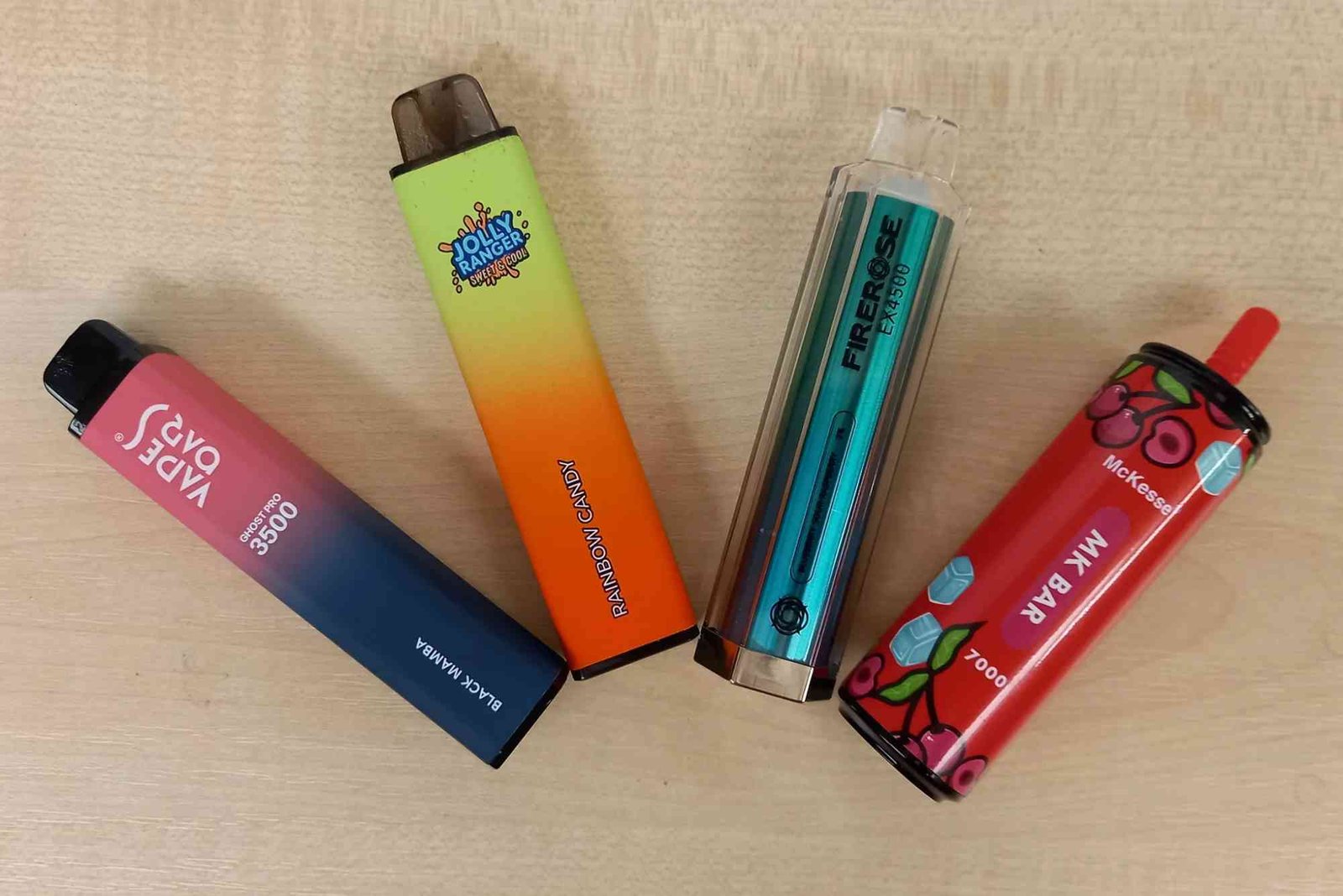
Single‑use disposable vapes create another policy concern that pulls regulators toward bans rather than just controls. The environmental impact of millions of disposable devices ending up in landfills has been cited as a reason for legislation like the UK’s 2025 ban.
Industry, Enforcement, and Illicit Markets
Regulating vapes is not just about legality but also enforceability. Some jurisdictions find that when products are banned, illicit markets can thrive. Reports from places with strict regulations show a growth in black‑market vape sales as users seek ways to circumvent prohibitions — raising questions about whether prohibition truly leads to safer nicotine use.
The Debate: Safer Nicotine Use vs. Complete Prohibition
Is Making a Product Illegal Always Safer?
One of the most discussed themes in the “when are vapes becoming illegal as a Path to Safer Nicotine Use” debate is whether prohibition itself enhances safety. Harm reduction experts often argue that vapes can help adult smokers quit cigarettes, thus lowering health risks associated with combustible tobacco. Others contend that removing regulated vape products pushes users toward harsher alternatives or unregulated supplies, which may be more dangerous.
Opponents of prohibition also point out that overly strict laws can disadvantage legitimate retailers and adult users, while illicit products — which are harder to monitor and test — flourish. This tension underscores why regulation design matters as much as the timeline.
Regulation As an Alternative to Blanket Bans
Rather than making vapes entirely illegal, many public health advocates push for smart regulation. This may include age‑restricted sales, clear quality standards, limits on flavours that appeal most to youth, and education campaigns. These measures aim to preserve the role of vaping in harm reduction for smokers, while curbing youth uptake.
Regional Snapshots: What’s Happening Now
United States
No state has yet banned all vaping products outright, but many have flavour bans or product approval lists that limit availability. The federal government and states are also cracking down on illegally sold products that lack regulatory approval.
In England, additional laws are being considered to extend bans on vaping in cars with children and near schools — reflecting a priority on protecting vulnerable populations without eliminating vaping entirely.
United Kingdom
The UK’s disposable vape ban marks a significant regulatory milestone. By focusing specifically on single‑use products, authorities aim to reduce waste and control youth access without ending all vape availability.
Ireland and Europe
Ireland’s proposed nicotine laws do not ban vaping entirely, but they do restrict advertising, product presentation, and youth access as part of a broader public health strategy.
Rest of the World
Across Asia, the Middle East, and parts of Africa, several countries have instituted complete bans on vaping products — meaning sales, import, and possession could be illegal. Meanwhile, in Pakistan, vaping remains legal currently, though legislative proposals remain fluid and subject to future lawmaking.
What This Means for Users and Public Health
The Real Timeline: Transitioning or Restricting?
When are vapes becoming illegal as a Path to Safer Nicotine Use? The honest answer is that timelines vary enormously by region, and illegal does not always mean safer. For policymakers asked to balance protecting youth and supporting smokers’ quit attempts, it’s rarely a simple choice.
Some places choose partial restrictions that reduce youth appeal while preserving legitimate adult access. Others take the tougher path of banning entire product categories, which may lead to unintended supply issues. And many will continue refining these laws as more evidence emerges.
WHO Perspectives and Legislative Tracking
For country‑level timelines and detailed legislative tracking, consult WHO / national legislative trackers — proposed ban timelines. This resource helps stay updated on how different governments plan to regulate or restrict vaping products based on health data and legal proposals.
A Shifting Landscape
The question “when are vapes becoming illegal as a Path to Safer Nicotine Use” does not have a universal answer. It depends on where you live, evolving public health priorities, and how lawmakers balance harm reduction with youth protection. Laws are changing rapidly, and what seems settled today can shift with new research, public pressure, and health data.
As regulations tighten in some regions and loosen in others, staying informed and making choices based on evidence rather than emotion is crucial. Whether you vape to quit smoking or are curious about nicotine alternatives, understanding the legal landscape empowers you to make safer decisions.
Discover a platform that makes vaping simple and enjoyable. For more information and to explore their products, visit tryvapex.com today and see what they have to offer!
FAQ: Real User Questions
Will vapes be illegal everywhere soon?
No. While some countries and regions are tightening laws or banning certain products, global approaches vary widely. Not all jurisdictions plan full bans.
Are disposable vapes banned in 2025?
Yes, in places like the UK, the sale of disposable vapes became illegal from June 1, 2025, under new legislation.
Is vaping safer than smoking?
Most evidence suggests that vaping is less harmful than smoking cigarettes, but it is not risk‑free. Nicotine addiction and long‑term health effects are still concerns.
What happens if vapes are banned in my country?
If vaping becomes fully illegal, you may face restrictions on possession, sale, or import. However, regulatory approaches often evolve, so staying updated with official guidance is important.
Does banning vapes reduce smoking rates?
The evidence is mixed. Some studies show lower vaping rates but don’t necessarily lead to lower smoking rates. Harm reduction and public health outcomes depend on broader tobacco control policies.
Vape Illegal Outdoors as a Path to Safer Nicotine Use Banning vaping in outdoor public spaces can reduce accidental exposure to harmful chemicals, especially for non-smokers and youth. By restricting where vaping is allowed, communities encourage safer nicotine use while protecting the environment and public health, promoting responsible habits over casual or reckless consumption.
Related Reading: Vapes Illegal Australia as a Path to Safer Nicotine Use
Related Reading: Vapes Banned in Indiana as a Path to Safer Nicotine Use