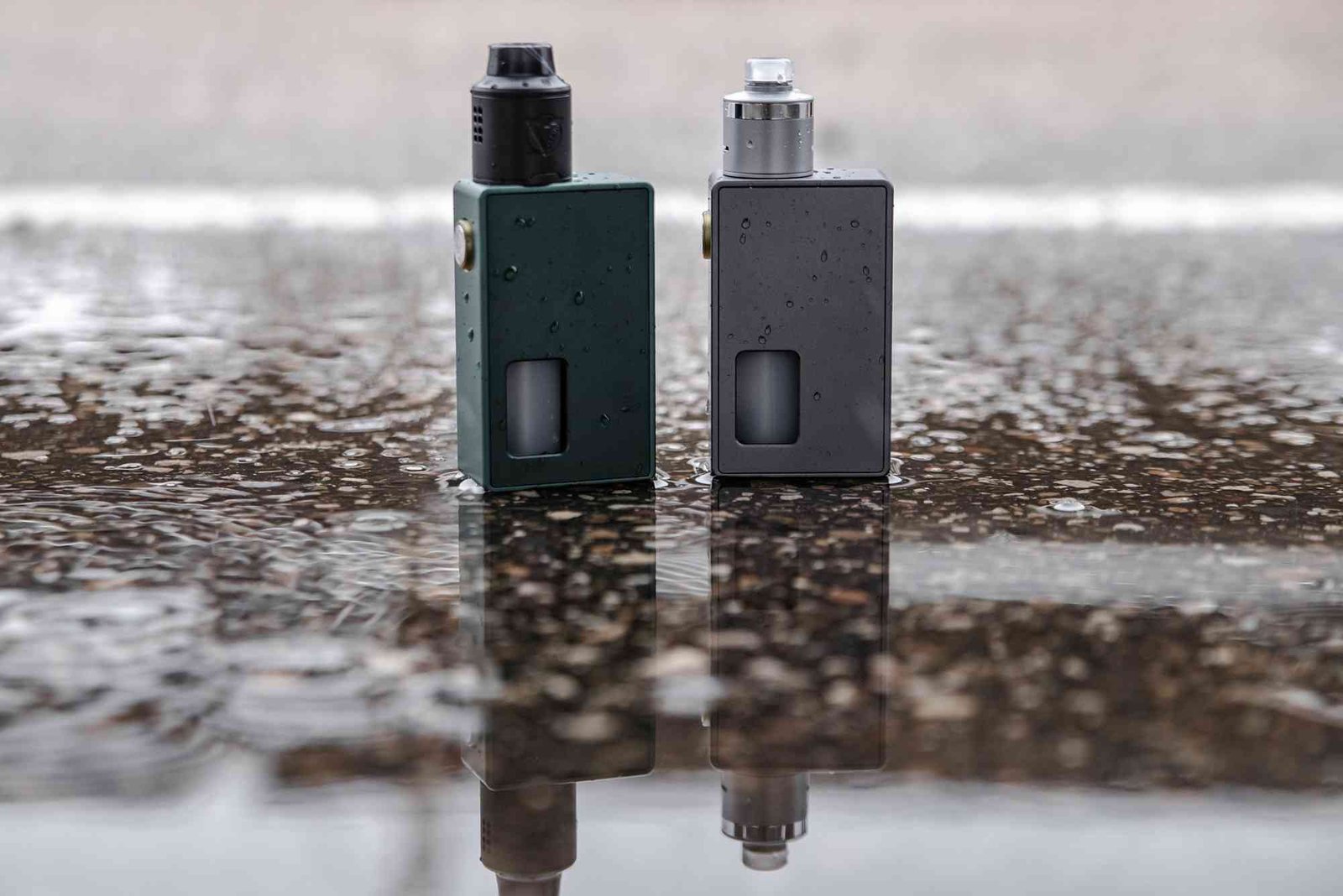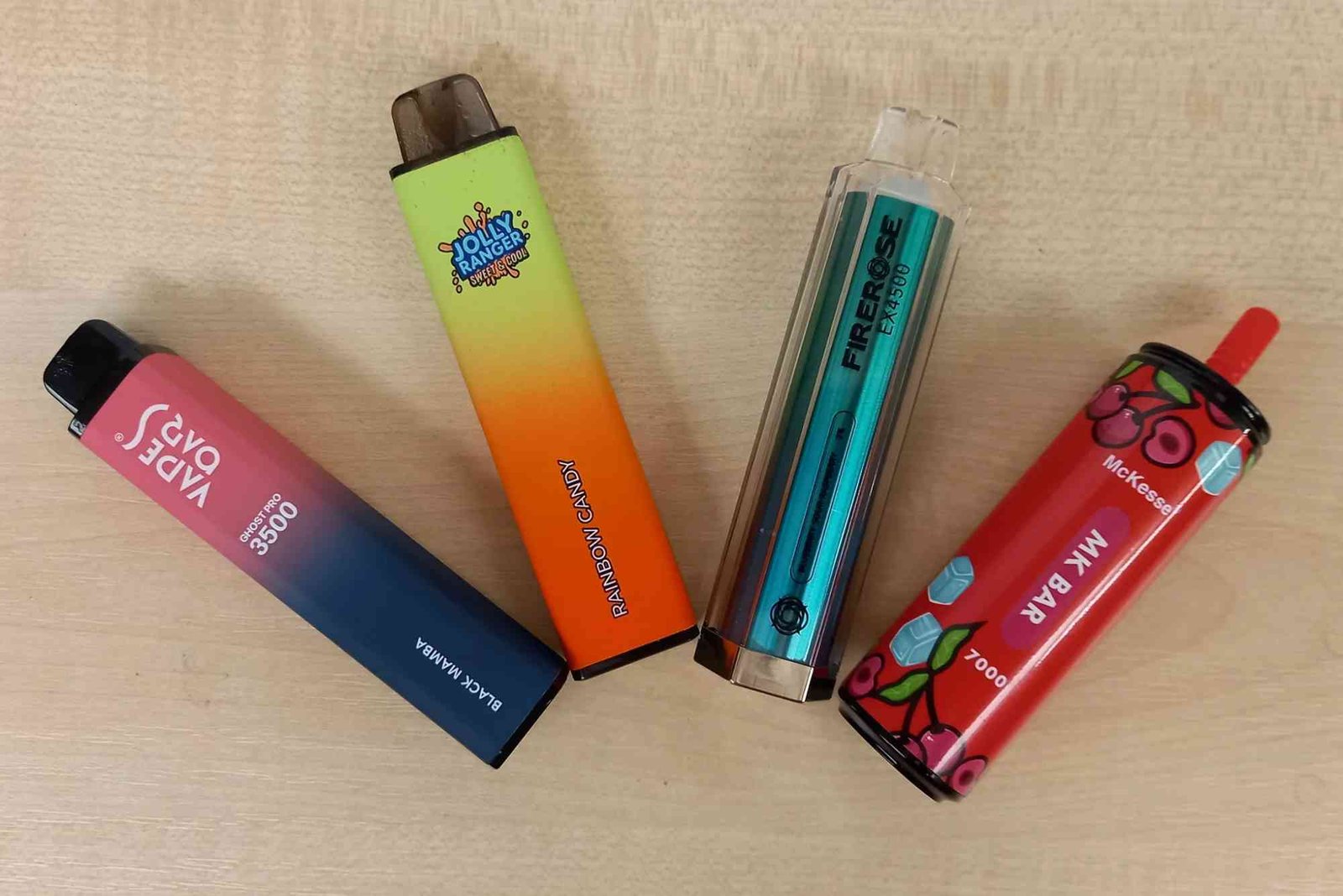

The phrase Vape illegal outdoors as a Path to Safer Nicotine Use captures a bold public‑health debate sweeping cities and policymakers. While vaping has often been positioned as a less harmful alternative to smoking, questions remain about where it should be permitted — and whether outdoor bans could meaningfully guide safer nicotine habits. Across communities, regulators are grappling with how to balance harm reduction, public comfort, and long‑term wellbeing.
This article explores why making vaping illegal outdoors might be a thoughtful strategy on the road to safer nicotine use. We’ll dive into the science, public perceptions, legal frameworks, and practical impacts of restricting vaping in open areas. Throughout, we’ll show how thoughtful policy and awareness can support healthier choices without stigmatizing individuals seeking alternatives to smoking.
Understanding Vaping and Nicotine Use
Vaping refers to the use of e‑cigarettes and similar battery‑powered devices that heat a liquid — usually containing nicotine — into an aerosol that a person inhales. The aerosol is not harmless water vapor but carries nicotine and other chemicals that users, bystanders, and communities can be exposed to.
In debates about tobacco harm reduction, vaping is often compared with cigarette smoking. Many experts acknowledge that switching entirely from combustible cigarettes to vaping may reduce exposure to some toxicants found in smoke, such as tar and carbon monoxide. But “less harmful” does not mean “safe,” and this distinction is essential when designing public policy.
Because vaping is distinct from traditional smoking, many places adopt their own rules. Some regions regulate vaping wherever smoking is banned. Others allow vaping in designated areas but prohibit it in certain public spaces — with complex legal approaches that reflect health, environmental, and social priorities.
The Issue with Outdoor Vaping
Many people assume outdoor vaping is harmless because it occurs in open air. However, outdoor vaping still produces a visible aerosol that contains nicotine and other substances. While the concentration of potentially harmful chemicals dissipates faster than in closed spaces, exposure can still occur — especially in crowded settings like parks, outdoor dining, or events. There are also social consequences to consider.

Some people find the visible vapor disruptive or unpleasant, particularly when children or sensitive populations are present. Stories from community forums illustrate how even outdoors, vaping can be considered inconsiderate or intrusive when it drifts into shared air. These reactions highlight why some argue outdoor restrictions aren’t just about health, but also about social etiquette and shared comfort.
Why Outdoor Vaping Bans Matter
When advocates discuss making vaping illegal outdoors, they’re often thinking beyond the simple question of where a puff happens. Outdoor vaping restrictions serve several purposes that align with public health goals and community wellbeing.
Reducing Nicotine Normalization
If vaping is visible and ubiquitous in public spaces, it can unintentionally normalize nicotine use, particularly for young people and people trying to quit. When others see nicotine use casually in parks or streets, that normalization makes it harder for individuals to resist or reconsider their habits. Research from health authorities shows that early exposure to nicotine in any form can make dependence more likely, especially among youth with still‑developing brains.
Supporting Clean Air Norms
Outdoor vaping may not generate smoke in the traditional sense, but the aerosol does contain fine particles and chemicals. Though secondhand exposure in outdoor settings is less studied than indoor air, some public health voices emphasize that minimizing exposure — especially near children, seniors, or people with lung conditions — is a responsible choice.
Encouraging Intentional Use
Banning vaping outdoors can encourage people to think more intentionally about how, when, and why they use nicotine. Instead of impulsive puffs while walking or social vaping in parks, individuals are nudged toward planning their use — or better yet, toward healthier alternatives like nicotine replacement therapies or structured cessation programs.
Challenges of Outdoor Bans
Despite the logic behind outdoor restrictions, there are significant challenges to consider.
Critics argue that outdoor vaping bans could push people back toward smoking if alternatives aren’t accessible or attractive. A nuanced review of vaping policy emphasizes that the goal should be harm reduction, not simple prohibition. If smokers see vaping as a less harmful path away from cigarettes, overly restrictive policies might undermine that benefit.
Moreover, enforcement of outdoor vaping rules can be tricky. Unlike fixed indoor spaces, open areas are harder to manage, and without clear signage and communication, compliance may be low. Outdoor bans may also be perceived as overreach if they don’t reflect local norms or public comfort levels.
These challenges suggest that bans must be part of a broader strategy that includes education, support for quitting, and clear reasons for policy choices.
Vaping vs Smoking: A Harm‑Reduction Perspective
Comparing vaping and smoking helps clarify why policy debates like Vape illegal outdoors as a Path to Safer Nicotine Use are so contentious. According to scientific discussion, vaping may reduce exposure to some of the most harmful chemicals in cigarette smoke. However, public health authorities also emphasize that vaping isn’t risk‑free.
This complex landscape requires nuanced policy thinking. A blanket ban might be too blunt, while thoughtful regulation that considers context — age, location, proximity to children, and dependence levels — could achieve better outcomes. These conversations have led some regions to adopt tiered approaches, where vaping is allowed in some outdoor areas but restricted in others.
Alternatives and Support for Safer Nicotine Paths
While policies about vaping outdoors are debated, individual smokers and vapers can take steps toward safer nicotine use.
Nicotine replacement therapies (patches, gums, lozenges) offer a nicotine intake without inhaling aerosols. These products have decades of evidence supporting their role in smoking cessation. Many health services and clinicians recommend them as part of quitting plans.
Behavioral support — such as counseling, quitlines, and digital support tools — significantly improves the chances of ending nicotine dependence successfully. These tools help users break not just the chemical addiction but also the habitual and emotional aspects of nicotine use.
Looking for a reliable platform to explore vaping products and accessories? Visit tryvapex.com for a wide selection, helpful guides, and the latest trends in vaping. Whether you’re a beginner or an experienced vaper, tryvapex.com has everything you need to elevate your experience.
National and Local Vaping Rules to Know
Different jurisdictions handle vaping rules in different ways. Some follow existing smoke‑free policies to include vaping; others carve out unique rules. For guidance on local public space regulations, see National public-space smoking/vaping rules (example: local gov portal) for the latest updates in your area. Regardless of your location, always check local laws before using nicotine products publicly.
Frequently Asked Questions About Vaping Outdoors
Is vaping outdoors really dangerous?
Outdoor vaping poses less risk than indoor use because aerosol disperses in open air. But it still releases nicotine and other chemicals, and people nearby — especially children or vulnerable individuals — may inhale part of that aerosol.
Why do some places ban vaping outdoors?
Policies that ban vaping outdoors aim to reduce public exposure, avoid normalizing nicotine use, and protect sensitive populations. Regions often extend indoor smoke‑free laws to outdoor areas where people congregate.
Can outdoor vaping bans help people quit nicotine?
By creating boundaries and reducing impulsive use, outdoor bans might encourage users to plan for nicotine reduction or cessation. Coupled with support resources, such bans can be part of effective harm‑reduction strategies.
Are vaping and smoking treated the same legally?
Not always. In some places, vaping is treated the same as smoking in smoke‑free zones, while others have distinct regulations. Research local policies to understand how outdoor vaping is addressed where you live.
Finding Balance in Nicotine Policy
The idea to Vape illegal outdoors as a Path to Safer Nicotine Use isn’t about punitive restrictions. It’s about guiding healthier public habits, reducing unintended exposure, and encouraging thoughtful choices around nicotine. Policies that restrict vaping outdoors can promote clarity and comfort in shared spaces while nudging individuals toward safer alternatives and quitting strategies.
Vape Laws Colorado as a Path to Safer Nicotine Use Colorado’s vape laws aim to regulate the sale and use of e-cigarettes, limiting youth access and ensuring product safety. By enforcing age restrictions, labeling standards, and flavor controls, these laws encourage safer nicotine consumption, helping users make informed choices while reducing the risks associated with unregulated vaping products.