Introduction
In today’s fast-growing global trade environment, vape products are among the most frequently imported and exported consumer goods. However, behind every shipment of e-liquids, vape devices, coils, and accessories lies a critical compliance system that determines how these items are classified and taxed at borders. This system is known as harmonized codes, and gaining a clear grasp of Understanding Vape Product Harmonized Codes is essential for importers, exporters, distributors, and compliance professionals.
The Harmonized System (HS) is used worldwide to categorize products for customs duties, taxation, and trade statistics. For vape businesses, incorrect classification can lead to delays, penalties, or even shipment rejection. This is why Understanding Vape Product Harmonized Codes is not just a technical requirement but a core business necessity for smooth international operations.
In this article, we will break down how vape products are classified, why these codes matter, and how businesses can stay compliant with customs regulations while avoiding costly mistakes.
What Are Harmonized Codes and Why They Matter in Vape Trade
Harmonized codes, also known as HS codes, are internationally standardized numerical codes used by customs authorities to identify products. These codes are maintained by the World Customs Organization and adopted by most countries.
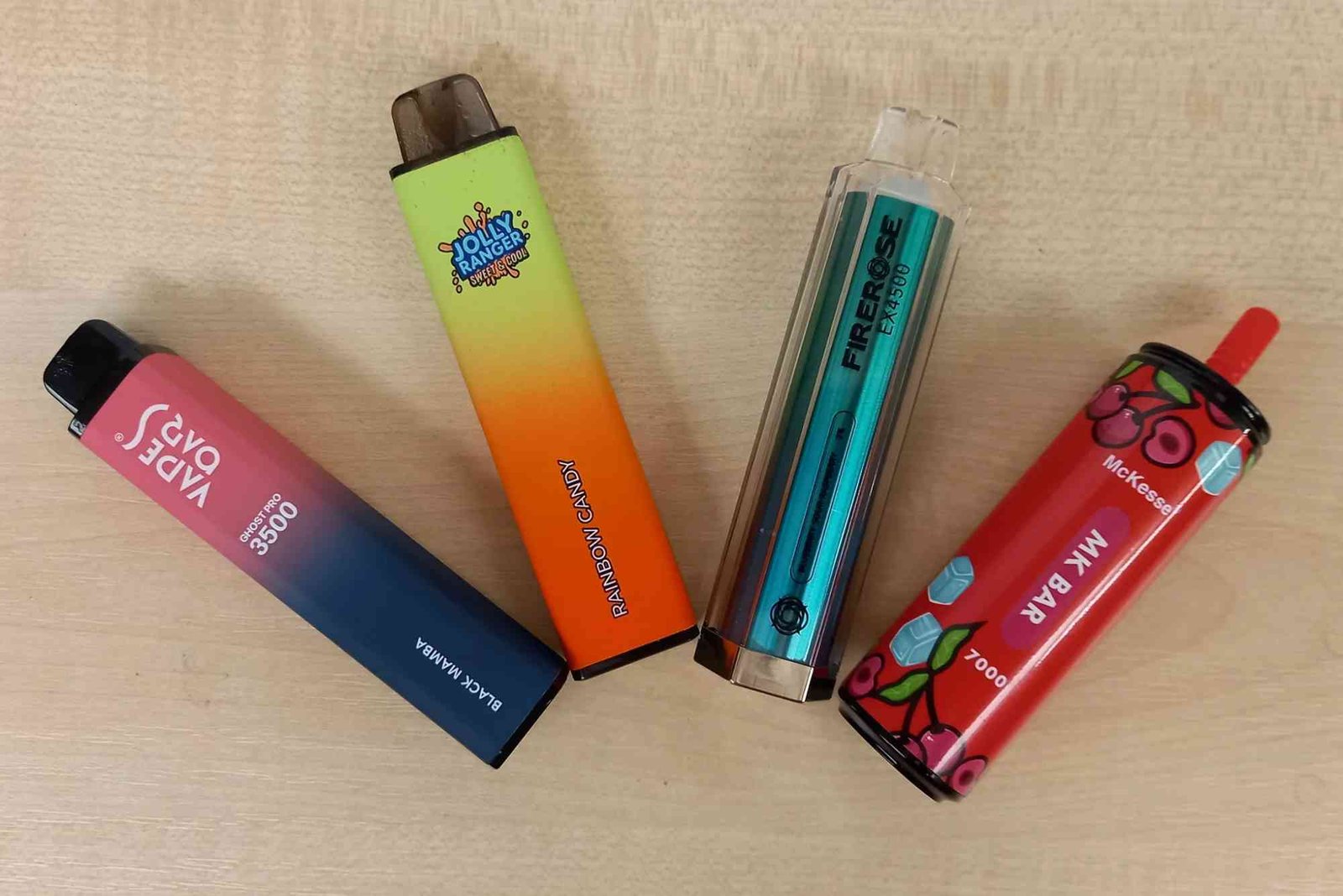
When it comes to Understanding Vape Product Harmonized Codes, the key idea is that every vape-related product—whether it is a disposable vape pen, a refillable pod system, or vape liquid—must be assigned a specific classification that determines duty rates and import requirements.
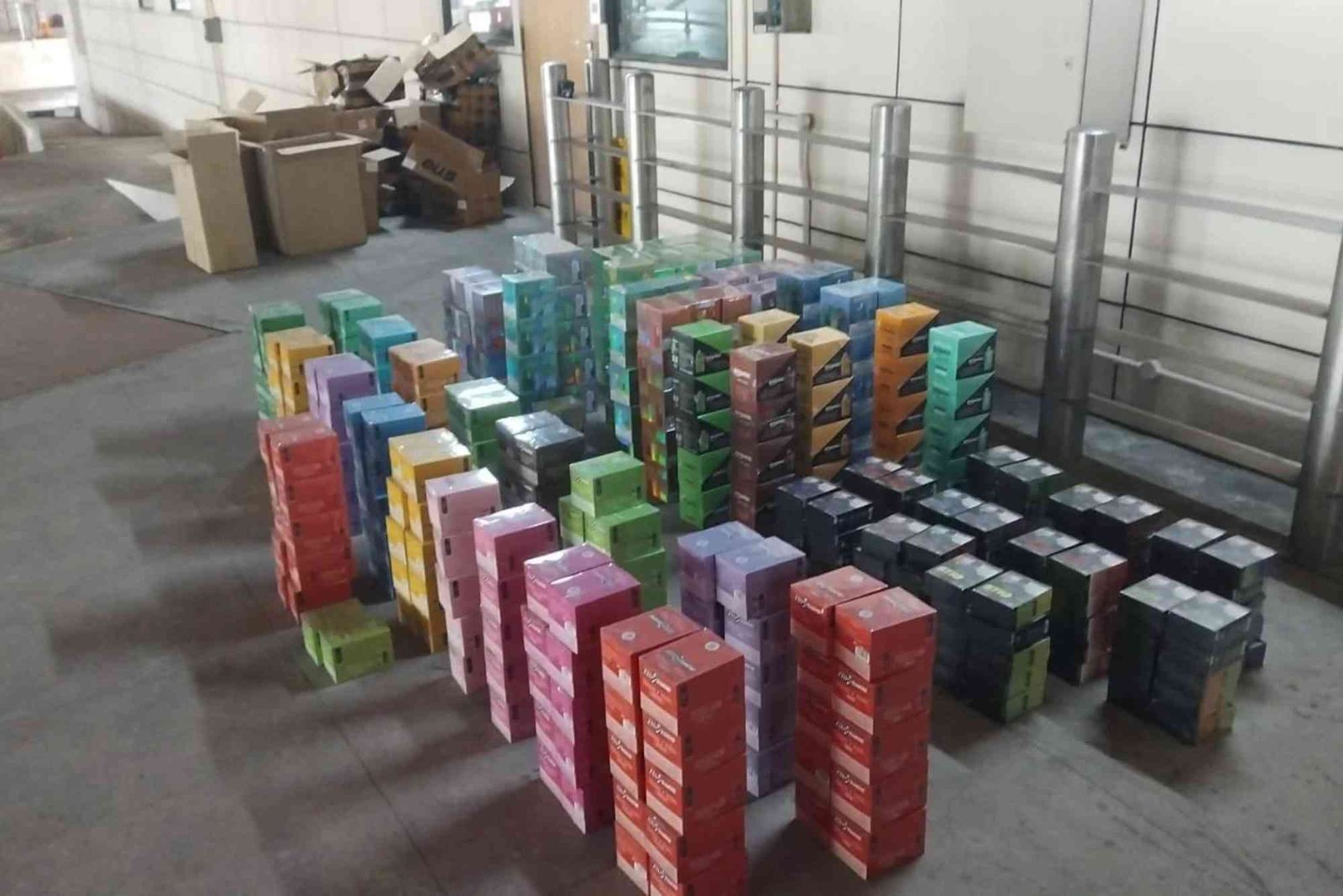
Incorrect classification can create several challenges. A shipment may be held at customs for inspection, reclassified with higher duties, or even confiscated if regulations are violated. Therefore, Understanding Vape Product Harmonized Codes is essential for businesses that rely on timely product movement across borders.

How Vape Products Are Classified Under Harmonized System
The classification of vape products is not always straightforward. Vape devices and accessories often fall under electronic equipment categories, while liquids may be treated differently depending on their composition and nicotine content.
When working through Understanding Vape Product Harmonized Codes, it is important to recognize that classification depends on multiple factors such as product structure, function, and intended use. For example, a vape device with a battery and heating element is often classified under electronic smoking devices, while vape liquids may fall under chemical or preparation-based categories.
Customs authorities evaluate these distinctions carefully, and importers must ensure they apply the correct coding system. This is where professional guidance and official documentation become essential. For businesses seeking official clarity, resources like customs import documentation guidance provide important regulatory direction for import procedures and compliance expectations.
Common Harmonized Code Categories for Vape Products
While exact codes vary by country and regulatory interpretation, vape products typically fall into several broad categories.
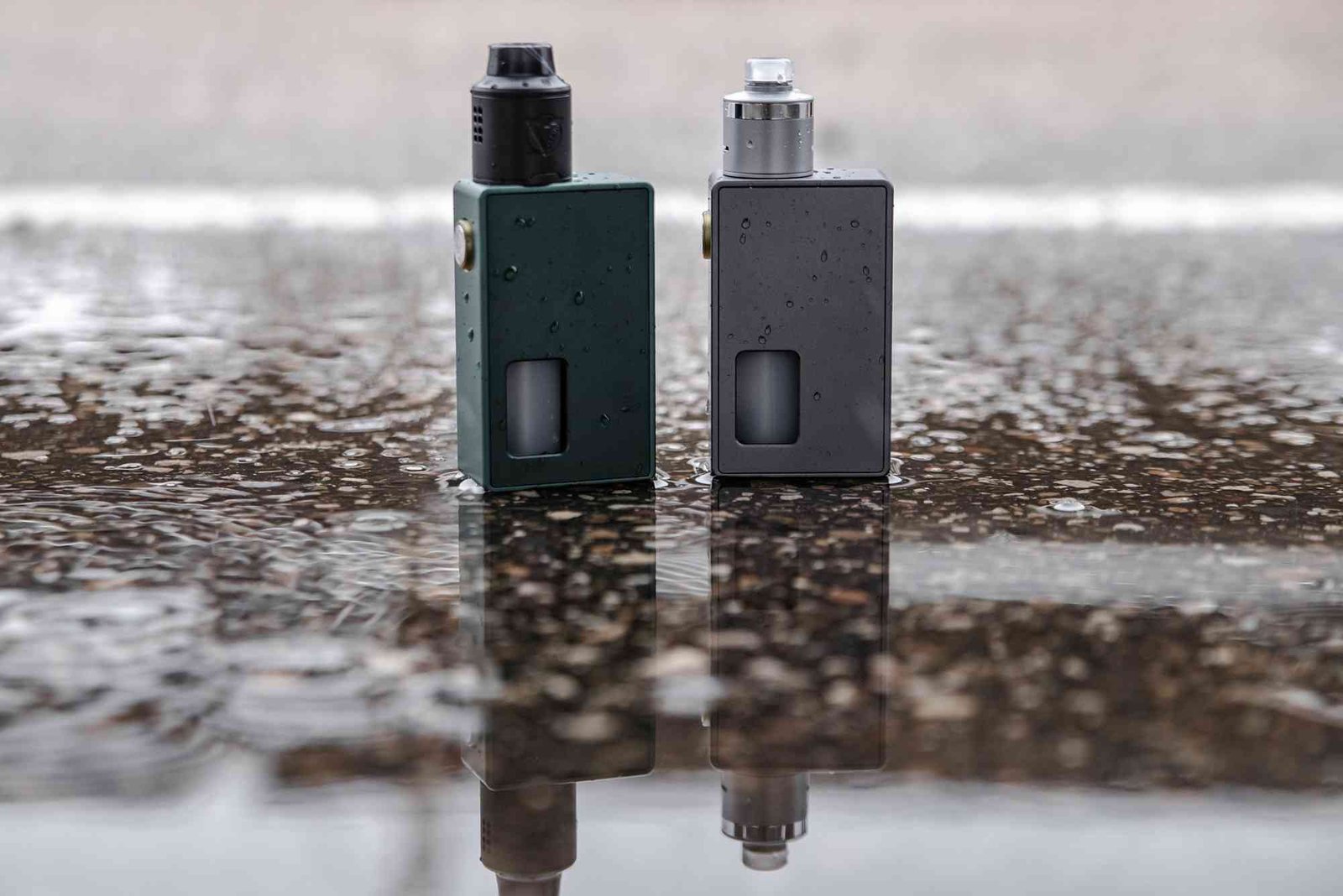
Electronic vape devices are generally classified under electrical apparatus headings. These include rechargeable vape pens, mods, and pod systems. Vape cartridges and pods may be categorized separately depending on whether they are pre-filled or refillable.
E-liquids are often classified under chemical preparations, especially when they contain nicotine or flavoring agents. Accessories such as coils, tanks, and replacement parts may fall under mechanical or electrical spare parts classifications.
In the process of Understanding Vape Product Harmonized Codes, it becomes clear that vape classification is not uniform and requires careful analysis of each product component. Businesses must evaluate product composition, packaging, and usage before assigning a final HS code.
Why Accurate Classification Is Critical for Vape Importers
Accuracy in harmonized coding directly affects cost, compliance, and operational efficiency. Import duties are calculated based on HS codes, meaning that even a small classification error can significantly change landed costs.
In Understanding Vape Product Harmonized Codes, one of the most important aspects is compliance risk management. Customs authorities use HS codes to enforce regulatory controls, especially for products like vape devices that may be subject to health and safety restrictions in different countries.
Incorrect classification can also lead to audits or legal complications. For vape businesses operating internationally, consistency in classification ensures smoother customs clearance and reduces financial unpredictability.
Challenges in Understanding Vape Product Harmonized Codes
One of the biggest challenges in Understanding Vape Product Harmonized Codes is the lack of uniform global interpretation. While the HS system is standardized at a high level, individual countries often apply different sub-classifications and interpretations.
Another challenge is the rapid evolution of vape technology. New devices, hybrid systems, and disposable innovations frequently outpace regulatory updates, making classification more complex.
Additionally, vape liquids with varying nicotine strengths or synthetic ingredients can complicate categorization. Businesses must often consult customs brokers or trade experts to ensure correct classification under Understanding Vape Product Harmonized Codes frameworks.
Best Practices for Vape HS Code Compliance
To maintain compliance, businesses should adopt structured classification practices. This includes reviewing product specifications in detail, maintaining updated product documentation, and staying informed about regulatory updates.
It is also important to train supply chain teams on classification principles. A well-informed logistics team reduces the risk of incorrect declarations during customs filing.
Another effective practice is maintaining communication with customs authorities or licensed brokers. This ensures that any ambiguity in Understanding Vape Product Harmonized Codes is resolved before shipment dispatch.
Role of Documentation in Vape Import Classification
Proper documentation plays a crucial role in customs clearance. Product descriptions must be clear, accurate, and aligned with HS code definitions. Misleading or incomplete descriptions often trigger inspections or delays.
Businesses should always ensure that invoices, packing lists, and product datasheets reflect accurate technical specifications. This helps customs officials correctly interpret classifications during clearance procedures.
For structured import processes and regulatory clarity, official guidance such as customs import documentation guidance is highly valuable in ensuring compliance with import requirements.
Impact of Harmonized Codes on Vape Business Strategy
Harmonized codes do more than determine tax rates; they also influence overall business strategy. In Understanding Vape Product Harmonized Codes, companies realize that classification affects pricing, market entry, and supply chain efficiency.
For instance, a lower tariff classification can make a product more competitive in international markets. On the other hand, misclassification can reduce profit margins or restrict access to certain countries altogether.
Therefore, strategic planning around HS codes is essential for vape brands looking to expand globally.
Future Trends in Vape Product Classification
As the vape industry continues to grow, regulatory frameworks are expected to become more detailed and specific. Governments are increasingly focusing on health regulations, taxation structures, and import monitoring.
In the future, Understanding Vape Product Harmonized Codes will likely involve more digital tracking systems and automated classification tools. Artificial intelligence and customs automation may also play a role in reducing classification errors.
Discover the latest insights, reviews, and updates on vaping trends at Tryvapex, your trusted source for quality information and expert guidance. Whether you’re a beginner or an experienced vaper, we bring you helpful tips, product highlights, and honest opinions to enhance your vaping journey.
FAQs
What are vape product harmonized codes used for?
Vape product harmonized codes are used to classify vape devices, liquids, and accessories for customs duties, taxation, and trade regulation purposes. They ensure products are correctly identified during import and export procedures.
How do I find the correct HS code for vape products?
Finding the correct HS code requires analyzing product composition, function, and regulatory classification. Many businesses consult customs brokers or official trade databases to ensure accuracy when working on Understanding Vape Product Harmonized Codes.
Are vape products classified the same in every country?
No, vape products are not classified the same globally. While the HS system provides a standard structure, countries may apply different sub-codes and interpretations, making Understanding Vape Product Harmonized Codes more complex.
What happens if I use the wrong harmonized code for vape imports?
Using the wrong code can lead to customs delays, fines, reclassification of duties, or even seizure of goods. Accurate classification is essential for compliance and smooth import operations.
Why are vape liquids classified differently from devices?
Vape liquids are often considered chemical or consumable preparations, while devices are classified as electronic equipment. This difference is a key part of Understanding Vape Product Harmonized Codes and affects duty rates and regulations.
Vape Customs Risk Management Best Practices: Effective vape customs risk management focuses on compliance with import regulations, accurate product classification, and proper documentation. Businesses should assess shipping risks, ensure tax accuracy, and follow local laws to reduce delays, penalties, and seizure risks in international trade.
Related Reading: Vape Tariff Codes Explained for Retailers
Related Reading: How to Ship Vape Hardware and Accessories Safely
Related Reading: Vape Product Safety Tests Before Export