
Introduction
Understanding Vape Tariff Codes Explained for Retailers is essential for any business involved in importing, exporting, or selling vaping products across international markets. Whether you operate a small vape shop or manage a large distribution network, tariff classification affects customs clearance, taxes, duties, and regulatory compliance. Using the wrong tariff code can result in shipment delays, financial penalties, or unnecessary import costs.
Retailers often focus on inventory, customer service, and marketing while overlooking customs classifications. However, tariff codes are one of the most important parts of international trade documentation. Knowing how they work allows retailers to estimate import costs accurately, maintain legal compliance, and build stronger relationships with suppliers and customs authorities.
What Are Vape Tariff Codes?
Vape tariff codes are internationally recognized numerical classifications assigned to vaping products during import and export procedures. These codes form part of the Harmonized System (HS), which is maintained globally to standardize customs classifications across countries.
Each vaping product is assigned a specific tariff code based on its design, purpose, materials, and intended use. Customs officials rely on these codes to calculate import duties, determine tax obligations, monitor trade statistics, and enforce product regulations.
Retailers who understand these classifications are less likely to experience customs issues and more likely to enjoy predictable import costs.
Why Vape Tariff Codes Matter for Retailers
Every shipment entering a country passes through customs inspection. During this process, authorities verify documentation, product descriptions, declared values, and tariff classifications.

When retailers use the correct vape tariff codes, customs clearance usually becomes faster because officers can quickly identify the products being imported.
Incorrect classifications may lead to shipment inspections, additional paperwork, reassessment of duties, product seizures, or monetary fines. These issues increase operational costs and disrupt inventory planning.
For growing vape businesses, understanding tariff codes is just as important as understanding pricing strategies or supplier negotiations.
How the Harmonized System Works
The Harmonized System divides internationally traded goods into standardized categories. Every product begins with a six-digit international code, while individual countries often expand these numbers into eight or ten digits for national customs purposes.
For vaping products, additional national classifications may depend on local regulations, product composition, nicotine content, battery inclusion, or intended market.
Retailers should remember that although the first six digits remain internationally consistent, final tariff classifications may vary between countries.
Understanding Different Vape Product Categories
Different vaping products are not always classified under the same tariff code.
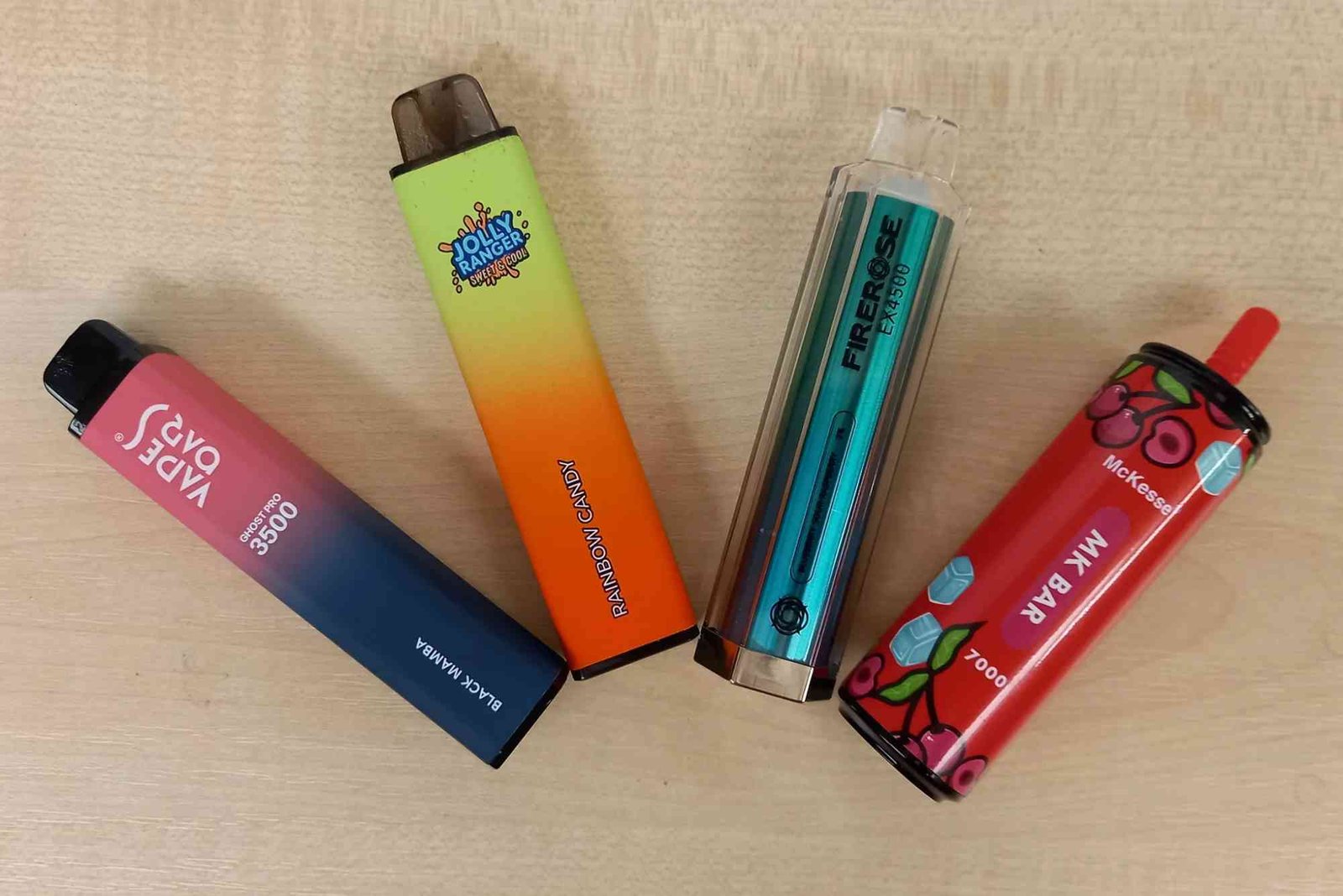
Disposable vapes may receive one classification, while refillable electronic cigarettes could receive another. Replacement coils, pods, batteries, chargers, tanks, and accessories may all fall into separate tariff categories.
Retailers frequently assume that all vape-related products share identical codes, but customs authorities evaluate each item individually based on its characteristics.
This is particularly important when importing mixed shipments containing multiple vape accessories.
Electronic Cigarettes and Device Classification
Electronic cigarette devices generally receive classifications based on their primary function.
Customs authorities examine whether the product is designed as a complete vaping system, a replacement component, or an electrical accessory.
Battery-powered devices often require additional documentation regarding electrical safety and transportation regulations, especially during air freight.
Retailers should always verify product specifications before preparing customs declarations.
Classification of Vape Liquids
Vape liquids can present additional classification challenges because customs authorities may consider ingredients, nicotine concentration, intended use, and packaging.
Nicotine-containing products may fall under different regulations than nicotine-free e-liquids.
Some countries also regulate flavorings differently, requiring importers to submit additional declarations or product registrations before customs clearance.
Retailers importing international brands should confirm classification requirements before shipping products.
How Accessories Receive Separate Tariff Codes
Many retailers are surprised to learn that vape accessories often receive independent tariff classifications.
Items such as replacement pods, charging cables, coils, batteries, tanks, drip tips, carrying cases, and charging docks may each require separate customs descriptions.
Accurate documentation reduces the risk of customs questioning incomplete or vague shipment descriptions.
Proper classification also helps businesses calculate landed costs more accurately.
Country-Specific Differences
Although the Harmonized System provides international consistency, each country may introduce additional classification requirements.
Some governments classify vaping products primarily as electronic devices, while others focus on nicotine delivery systems or tobacco alternatives.
Tax rates, import licensing, health regulations, and customs documentation may therefore differ significantly between jurisdictions.
Retailers expanding internationally should review local customs regulations before placing supplier orders.
The Relationship Between Tariff Codes and Import Duties
Tariff codes directly determine how much duty a retailer pays.
Each classification corresponds with specific duty rates established by national customs authorities.
If the wrong tariff code is used, customs may recalculate duties after inspection, creating unexpected expenses.
Correct classifications improve budgeting because retailers can estimate landed costs before products leave the supplier.
Avoiding Common Classification Mistakes
One common mistake is relying entirely on supplier documentation.
Manufacturers may use tariff codes appropriate for their own country, but importing countries sometimes require different national extensions.
Retailers should independently verify classifications instead of copying invoice descriptions without review.
Another mistake involves describing products too generally. Simply writing “vape products” rarely provides sufficient customs information.
Detailed product descriptions help customs officers process shipments efficiently.
Importance of Accurate Commercial Invoices
Commercial invoices should match tariff classifications precisely.
Product descriptions, declared values, quantities, and country of origin should all align with customs documentation.
Any discrepancies between invoices and customs declarations increase the likelihood of shipment inspections.
Professional documentation demonstrates compliance and builds credibility with customs authorities.
Retailers looking for reliable customs import documentation guidance can consult customs import documentation guidance to better understand import procedures and required paperwork before shipping vaping products internationally.
Working with Customs Brokers
Experienced customs brokers help retailers classify products correctly.
These professionals understand evolving customs regulations and frequently communicate with government authorities regarding classification updates.
Although using a customs broker involves additional costs, many retailers find that professional guidance reduces delays and prevents expensive compliance mistakes.
Their expertise becomes especially valuable when importing diverse product ranges.
How Tariff Codes Affect Inventory Planning
Accurate tariff classifications improve more than customs compliance.
Retailers who understand import duties can calculate precise landed costs, establish better retail pricing, forecast inventory expenses, and negotiate supplier contracts more effectively.
Unexpected customs costs often reduce profit margins because retailers may have already committed to retail pricing before shipments arrive.
Understanding tariff codes supports healthier financial planning.
Compliance Beyond Customs
Retailers should remember that customs classification is only one part of regulatory compliance.
Many countries also regulate product labeling, nicotine limits, packaging standards, battery safety, recycling requirements, and age restrictions.
Meeting customs requirements does not automatically satisfy consumer safety regulations.
Successful retailers integrate customs compliance into broader regulatory management.
Keeping Up with Regulatory Changes
International trade regulations evolve regularly.
Governments occasionally revise tariff schedules, adjust duty rates, or introduce new product classifications as vaping technology develops.
Retailers should review customs updates annually and maintain regular communication with customs brokers or trade advisors.
Proactive monitoring prevents costly surprises during future imports.
Best Practices for Retail Vape Businesses
Retailers who consistently maintain accurate product specifications, organized documentation, verified tariff classifications, and updated customs records typically experience smoother import operations.
Good recordkeeping also simplifies customs audits and helps resolve classification questions quickly.
Building compliance into everyday business operations creates long-term efficiency rather than treating customs documentation as a last-minute administrative task.
FAQs
What is a vape tariff code?
A vape tariff code is an internationally recognized customs classification used to identify vaping products for import duties, taxes, and regulatory compliance during international trade.
Do disposable vapes and refillable vapes use the same tariff code?
Not always. Customs authorities may classify disposable devices, refillable systems, replacement pods, batteries, and accessories under different tariff codes depending on product characteristics.
Who determines vape tariff codes?
The first six digits are based on the international Harmonized System, while each country may add additional digits for national customs purposes.
Can using the wrong tariff code delay customs clearance?
Yes. Incorrect tariff classifications can lead to shipment inspections, reassessment of duties, additional documentation requests, customs delays, or financial penalties.
Should retailers rely only on supplier tariff codes?
No. Retailers should independently verify tariff classifications because importing countries may use different national tariff extensions than the exporting country.
How often do vape tariff codes change?
International HS updates occur periodically, while individual countries may revise tariff schedules or regulations more frequently. Retailers should review customs guidance regularly to remain compliant.
TryVapex is your trusted destination for the latest vaping insights, product guides, and expert tips. Whether you’re new to vaping or an experienced enthusiast, you’ll find reliable information to help you make informed choices.
Related Reading: Vape Courier Partnerships Around the World
Related Reading: Understanding Vape Product Harmonized Codes
Related Reading: Vape Taxation Differences by Country Explained
Related Reading: Vape Customs Law Updates Retailers Should Know — full guide
Related Reading: How Vape Retailers Can Avoid Fines in 2026