
Truth vs Myth: Is Vaping Illegal in Philippines in the Vaping World
Introduction
The question of whether vaping is illegal in Philippines continues to attract attention among travelers, residents, and vaping enthusiasts. Conflicting information online often creates confusion about the country’s vaping regulations. Some people believe that the Philippines has completely banned electronic cigarettes. Others assume vaping is permitted everywhere.
However, neither assumption accurately explains the country’s legal position.
The truth is that vaping is legal under specific conditions. The government regulates vaping products, their sale, advertising, distribution, and public use. Republic Act No. 11900 provides the primary legal framework for these activities.
Understanding these regulations helps people avoid unnecessary legal problems. It also separates common vaping myths from established facts. This guide explores whether vaping is illegal in Philippines and explains the rules that matter in everyday situations.
Truth vs Myth: Is Vaping Illegal in Philippines Under Current Laws?
The Philippines does not impose a complete nationwide ban on vaping. Instead, the government regulates vaporized nicotine and non-nicotine products through national legislation.
Republic Act No. 11900, also called the Vaporized Nicotine and Non-Nicotine Products Regulation Act, became law on July 25, 2022. It establishes requirements for selling, purchasing, manufacturing, importing, and using vaping products.

Consequently, adults can legally purchase and use compliant vaping products. However, they must follow applicable age restrictions and location-based rules.
The legislation also gives government agencies responsibilities for product registration, consumer protection, and advertising regulation.
Therefore, the answer to whether vaping is illegal in Philippines depends on how and where someone uses these products. Legal adult use is permitted, but unrestricted vaping is not.
Understanding Republic Act No. 11900 and Its Purpose
Republic Act No. 11900 introduced a structured regulatory approach to vaping products. Its purpose includes protecting consumers and preventing access by minors.
The legislation covers vaporized nicotine products, non-nicotine products, their devices, and certain novel tobacco products.
It establishes standards for product safety, packaging, health warnings, and commercial activities. It also identifies restrictions on sales and vaping in public places.
Minimum Legal Age for Vaping
One important provision concerns the minimum legal age. Under Section 6, individuals must be at least 18 years old to purchase, sell, or use covered vaping products.
Retailers must verify customers’ ages using valid government-issued identification. They cannot legally sell these products to underage individuals.
This requirement also applies to online purchases. Sellers must introduce suitable age-verification measures before completing transactions.
Are Online Vape Purchases Legal?
Online vape purchases are not automatically illegal in the Philippines. Republic Act No. 11900 allows online sales under specific conditions.
Online sellers must satisfy registration requirements with the Department of Trade and Industry or Securities and Exchange Commission, as applicable. Products must also comply with relevant health-warning and tax requirements.
Furthermore, sellers must prevent minors from accessing restricted products. Deliveries must follow the law’s age-verification requirements.
Consumers should therefore avoid purchasing from unregistered or questionable online sellers.
Where Is Vaping Prohibited in the Philippines?
A common misunderstanding is that legal vaping products can be used anywhere. In reality, the law establishes significant restrictions on vaping locations.
Section 15 of Republic Act No. 11900 prohibits vaping in indoor public places, subject to specified exceptions for designated vaping areas and qualifying product demonstrations.
The law also identifies locations where vaping is absolutely prohibited.
These include schools, universities, youth recreational facilities, elevators, and stairwells. Vaping is also prohibited inside hospitals, medical clinics, and healthcare facilities.
Public transportation facilities, including airport terminals, train stations, and bus stations, are covered. Restaurants, conference halls, food preparation areas, and places of worship are also included.
Government office buildings and their premises are restricted as well, except for designated vaping areas permitted under the law.
Are Designated Vaping Areas Allowed?
Yes. The legislation recognizes designated vaping areas, commonly called DVAs.
These areas must satisfy specific requirements. They may occupy suitable outdoor spaces or separate indoor areas with proper ventilation.
Establishments must display appropriate warning signs. Individuals under 18 and pregnant women cannot enter designated vaping areas.
Indoor DVAs must also meet ventilation and separation requirements. Their placement must respect restrictions concerning entrances, exits, and areas where people gather.
Importantly, establishments are not required to create vaping areas. They can adopt stricter smoke-free and vape-free policies.
Truth vs Myth: Common Misunderstandings About Vaping Laws
Several misconceptions contribute to confusion about whether vaping is illegal in Philippines.
One common myth suggests that every vape product is prohibited. This is incorrect because the law permits compliant products under established regulatory conditions.
Another misconception claims that adults can vape anywhere. However, public-place restrictions apply regardless of someone’s age.
Philippines Department of Health — tobacco & e-cigarette notices Some consumers also believe that online shopping removes legal responsibilities. This is another misunderstanding because online retailers and deliveries must follow applicable regulations.
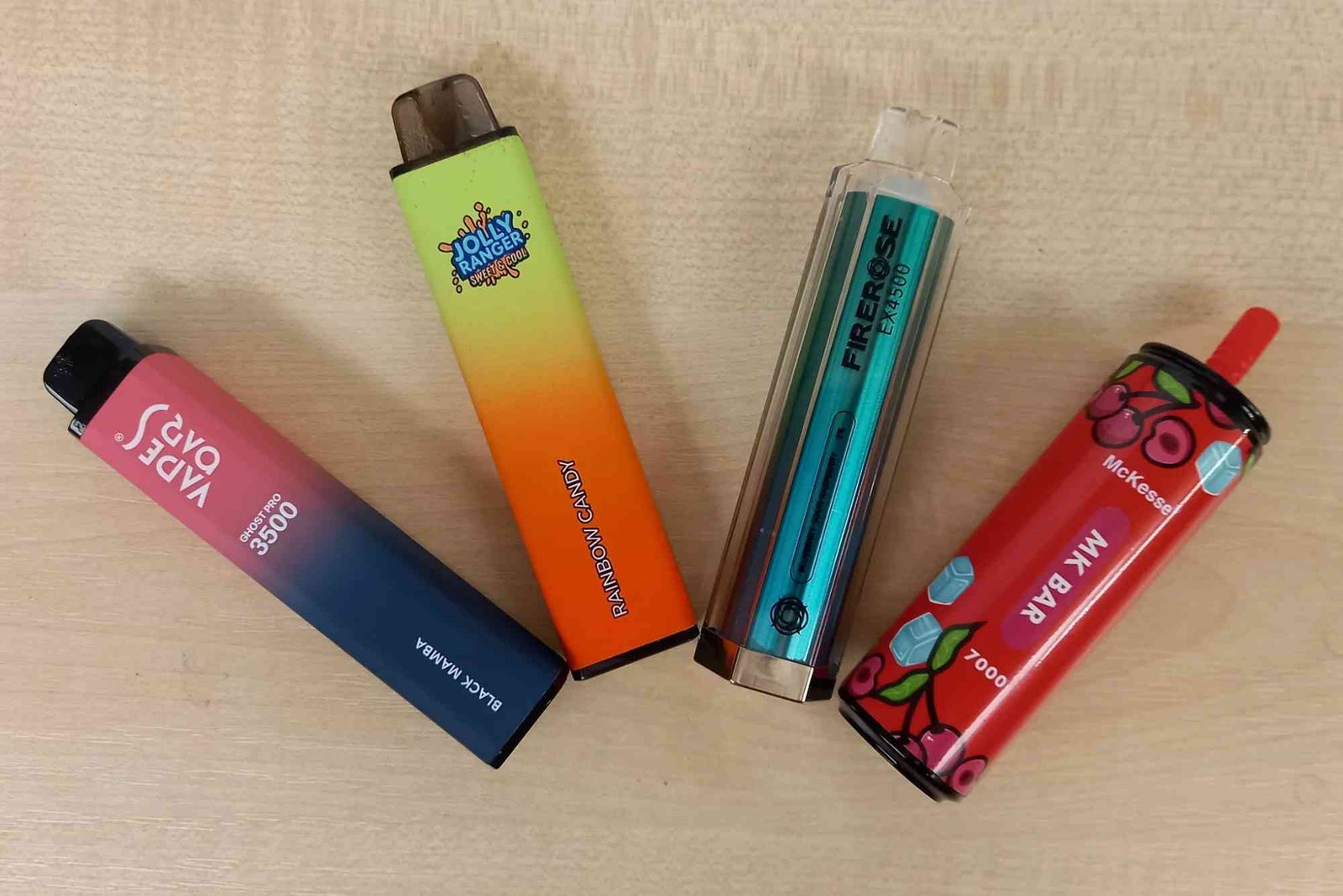
There is also confusion surrounding disposable vaping devices. Their legal status depends on applicable product standards, registration, and compliance requirements. A product should not automatically be considered legal simply because a retailer offers it.
Understanding these distinctions helps consumers make informed decisions.
Important Vaping Regulations in the Philippines
The following table summarizes important provisions under Republic Act No. 11900.
| Regulatory area | Legal requirement |
|---|---|
| Minimum age | 18 years old |
| Underage sales | Prohibited |
| Online sales | Permitted under regulatory conditions |
| Public indoor vaping | Generally prohibited, subject to legal exceptions |
| Schools and hospitals | Vaping prohibited |
| Designated vaping areas | Permitted under specific standards |
| Product registration | Required for covered products |
| Nicotine concentration | Maximum 65 mg/ml |
| Nicotine shots and concentrates | Retail sale and use prohibited |
| Health warnings | Required on applicable packaging |
| Advertising | Subject to restrictions |
These requirements demonstrate that the Philippines follows a regulated approach rather than a complete prohibition.
The Role of the Philippines Department of Health — Tobacco & E-Cigarette Notices
The Philippines Department of Health plays an important role in communicating public health information about tobacco and electronic cigarette products.
Under Republic Act No. 11900, the Department of Health has responsibilities concerning graphic health warnings. These warnings communicate potential health risks to consumers.
The department has also issued administrative guidance concerning warning templates for vaporized nicotine and non-nicotine products.
Administrative Order No. 2025-0003 introduced the second set of graphic health warning templates. These templates became fully effective on May 12, 2026.
Such requirements demonstrate the government’s continued attention to product labeling and consumer awareness.
Consumers should distinguish between product regulation and health endorsement. Legal availability does not mean vaping products are medically safe or recommended.
Can Tourists Bring Vape Devices Into the Philippines?
Travelers often wonder whether they can bring personal vaping devices when visiting the Philippines.
The country’s regulatory framework covers the importation and distribution of vaping products. Therefore, travelers should not assume that every device or liquid can enter without restrictions.
Product compliance, applicable customs requirements, and importation rules may affect what travelers can bring.
Airlines also establish separate requirements for electronic devices and lithium batteries. Passengers should check their airline’s current baggage policies before departure.
Travelers should also avoid using vaping devices inside restricted airport facilities. Designated vaping areas, where legally provided, should be used instead.
Checking current customs and airline guidance before traveling can prevent unexpected complications.
Is Vaping Safer or Healthier Than Smoking?
Legal status and health effects are two different questions.
Although vaping products are regulated, they are not risk-free. Nicotine can cause dependence, while aerosols may contain substances that negatively affect health.
Non-nicotine products should not automatically be considered harmless either. Their ingredients and emissions can present potential health concerns.
People who do not smoke should avoid starting vaping. Young people and pregnant women should particularly avoid nicotine exposure.
Anyone considering stopping smoking should seek guidance from qualified healthcare professionals. Evidence-based cessation support provides a more reliable approach than assuming vaping is harmless.
Frequently Asked Questions About Vaping in the Philippines
Is vaping illegal in the Philippines?
No. Vaping is not completely illegal in the Philippines. Adults aged 18 and above may purchase and use compliant products, subject to applicable restrictions.
Can you vape in public places in the Philippines?
Vaping is prohibited in most indoor public places under Republic Act No. 11900. Designated vaping areas provide limited exceptions when they satisfy legal requirements.
What is the legal age for vaping in the Philippines?
The minimum legal age is 18. Selling, purchasing, and using covered vaping products below this age is prohibited.
Can tourists bring vapes to the Philippines?
Travelers should check applicable importation and customs requirements before bringing vaping products into the country. Airline baggage restrictions also apply to electronic devices and batteries.
Is selling disposable vapes legal in the Philippines?
Disposable products are not automatically prohibited. Their sale depends on compliance with applicable registration, product standards, labeling, and other regulatory requirements.
Can you buy vapes online in the Philippines?
Yes. Online sales are permitted when sellers satisfy applicable registration, age-verification, product-compliance, and delivery requirements.
Tryvapex.com is an online platform that offers users an informative browsing experience for vape-related products and updates. It provides easy navigation, guides, and product insights to help customers make informed choices. The website focuses on quality, convenience, and customer satisfaction, making it a reliable destination for vape enthusiasts seeking trusted information and solutions online.
Conclusion: Understanding the Truth About Vaping Laws in the Philippines
The debate surrounding whether vaping is illegal in Philippines becomes clearer when examining Republic Act No. 11900.
The country does not completely prohibit vaping. Instead, it establishes rules governing adult access, product registration, online sales, advertising, and public use.
Adults must understand these restrictions before purchasing or using vaping products. They should also respect designated vaping areas and avoid locations where vaping is prohibited.
Ultimately, separating truth from misinformation helps consumers understand their responsibilities. It also encourages greater awareness of public health and legal requirements.
Stay informed before making vaping-related decisions. Always check current government regulations and official public health announcements to understand your rights and responsibilities in the Philippines.