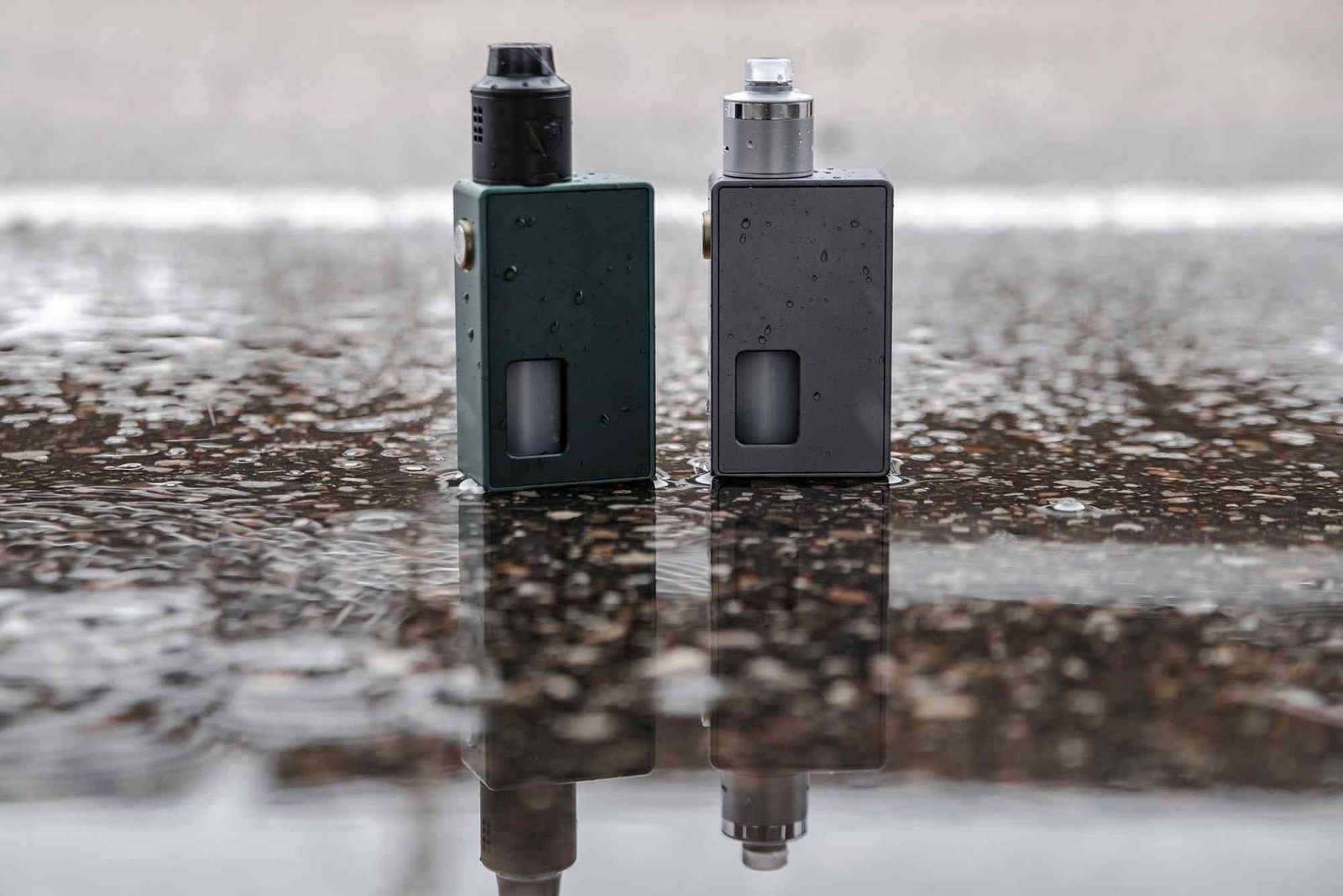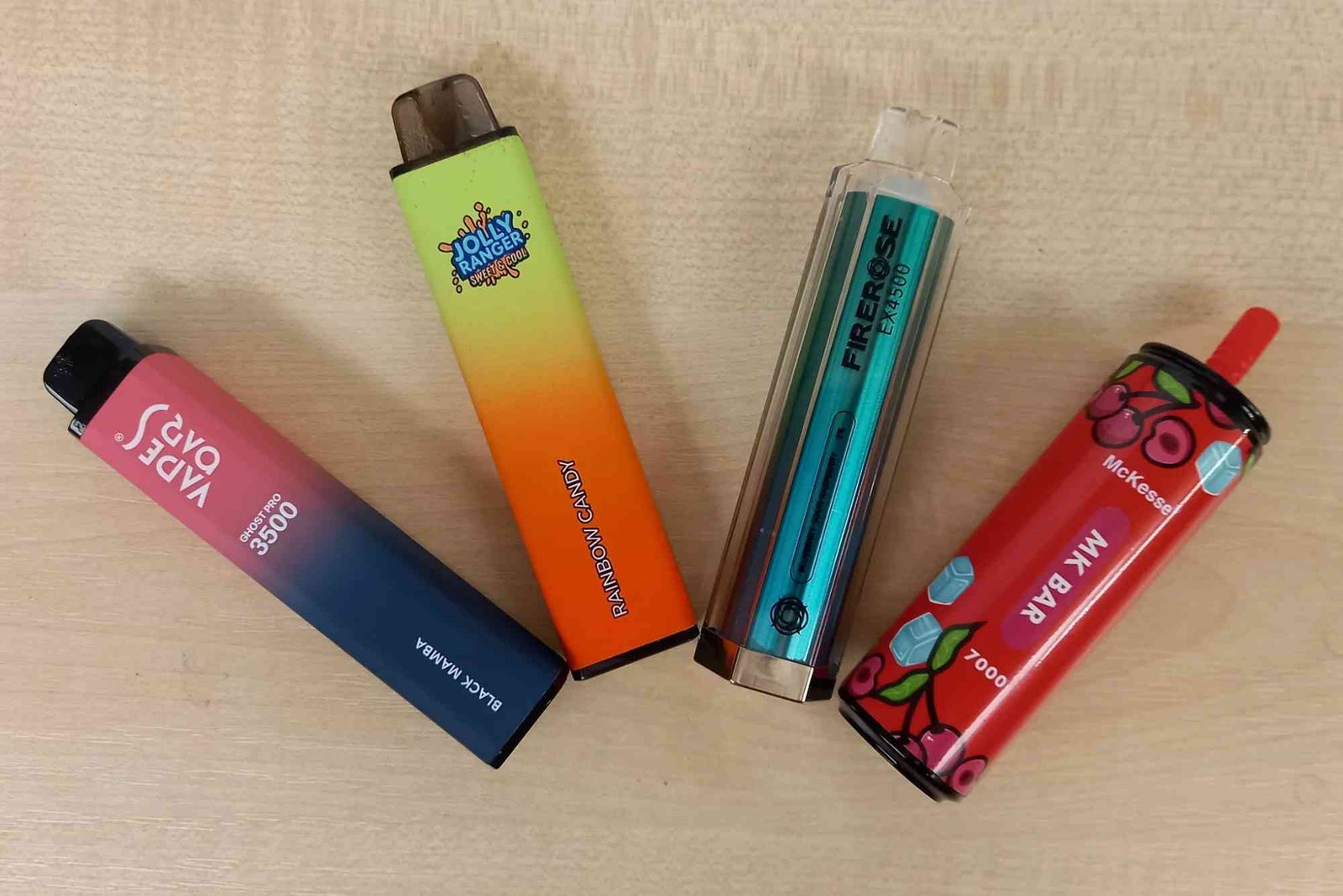

Truth vs Myth: Laws on Shipping Vape Liquid in the Vaping World
Introduction
The vaping industry has expanded across international markets. Consequently, shipping vape liquid has become an important legal and logistical issue. Businesses and consumers often misunderstand the regulations surrounding these products. Some believe all vape liquids can be shipped freely. Others assume every country completely prohibits their transportation.
However, the reality is more complicated. Laws depend on nicotine content, destination, shipping method, product classification, and local regulations. Understanding these differences helps prevent rejected shipments, customs problems, and legal penalties.
Truth vs Myth: Laws on shipping vape liquid in the Vaping World explores common misconceptions and explains the rules affecting domestic and international deliveries. It also examines postal restrictions, carrier policies, and important compliance considerations.
Truth vs Myth: Laws on Shipping Vape Liquid in the Vaping World Explained
Shipping vape liquid is not governed by one universal international law. Instead, different countries establish their own requirements for nicotine products, e-liquids, and electronic smoking devices.
Some governments allow restricted commercial shipments. Others prohibit specific products entirely. Furthermore, shipping companies can establish stricter policies than national legislation.
For example, a product might be legally available in one country but prohibited from entering another. Therefore, sellers must understand both transportation regulations and destination-country requirements.

The distinction between legal permission and carrier acceptance is particularly important. A courier company can refuse a shipment even when local legislation does not completely prohibit the product.
Myth: All Vape Liquids Can Be Shipped Without Restrictions
One common misconception suggests that vape liquids are ordinary consumer liquids. According to this belief, sellers can package them like cosmetics or other household products.
This assumption is incorrect.
Nicotine-containing e-liquids can face additional regulatory requirements. These may include product registration, ingredient disclosure, warning labels, licensing, and import authorization.
Even nicotine-free liquids can face restrictions when classified as components of electronic nicotine delivery systems. For example, United States Postal Service regulations include separately shipped ENDS liquids within their definition of covered products.
Consequently, removing nicotine does not automatically make vape liquid eligible for unrestricted shipping.
Truth: USPS and Postal Restrictions Affect Vape Liquid Shipments
Understanding USPS / postal restrictions — shipping batteries & liquids is essential when examining American shipping regulations.
The United States introduced restrictions covering electronic nicotine delivery systems through the Preventing Online Sales of E-Cigarettes to Children Act. These requirements took effect for USPS shipments in October 2021.
USPS generally considers vaping devices, components, and associated liquids nonmailable. Limited domestic exceptions exist, but qualifying shipments must satisfy specific legal and postal requirements.
International mail is particularly restrictive. USPS Publication 52 identifies electronic nicotine delivery systems as nonmailable in inbound and outbound international mail.
These restrictions apply regardless of whether the associated liquid contains nicotine. <sup>(USPS Publication 52)</sup>
Battery transportation creates another challenge. Lithium-ion batteries are subject to separate packaging, labeling, and transportation requirements. Their classification depends on battery type, configuration, and shipment arrangement.
Therefore, sellers must evaluate liquid restrictions and battery transportation rules separately.
Myth: International Shipping Rules Are Identical Everywhere
International shipping regulations vary considerably between countries. A shipment accepted in one market might be rejected by another country’s customs authority.
Some jurisdictions permit regulated nicotine products under specific conditions. Others restrict imports, prohibit sales, or require government authorization.
The European market illustrates this complexity. Countries apply national rules alongside relevant European Union tobacco-product requirements.
Meanwhile, some Asian and Middle Eastern destinations maintain considerably stricter policies.
Businesses must also consider customs declarations, product documentation, import duties, and applicable product standards.
Assuming one international shipping policy covers every destination can create unnecessary financial and legal problems.
Truth: Courier Companies Have Independent Shipping Policies
Government regulations are only one part of the shipping process. Private transportation companies also establish their own acceptance policies.
For example, UPS prohibits vaping product shipments throughout its United States domestic network. Its definition includes e-liquids and gels, regardless of nicotine content.
FedEx also maintains restrictions covering electronic cigarettes and associated liquids on its shipping networks.
DHL Express Pakistan identifies electronic cigarettes and accessories as restricted items that may require approval. Such shipments are not automatically accepted.
These examples demonstrate why checking individual courier policies is essential before arranging transportation.
Important Shipping Considerations for Vape Liquid
Understanding the major shipping requirements helps businesses evaluate potential compliance problems.
Product classification is particularly important because nicotine liquids, nicotine-free liquids, and device accessories may receive different regulatory treatment.
Packaging also matters. Certain liquids may require leak-resistant containers, protective secondary packaging, and compliance with applicable dangerous-goods transportation standards.
Accurate declarations are equally important. Misrepresenting a vaping product as ordinary household merchandise can create customs and carrier violations.
Businesses should also maintain relevant invoices, product specifications, safety documentation, and import permits where required.
Comparison of Common Vape Liquid Shipping Requirements
The following table explains how different shipping considerations affect vape liquid transportation.
| Shipping consideration | Main requirement | Potential restriction |
|---|---|---|
| Nicotine-containing liquid | Check local nicotine regulations | Licensing or import restrictions |
| Nicotine-free liquid | Verify product classification | ENDS-related restrictions |
| USPS domestic shipping | Follow Publication 52 | Generally nonmailable |
| USPS international shipping | Follow international mail rules | ENDS shipments prohibited |
| Lithium batteries | Follow battery transport standards | Packaging and labeling requirements |
| International courier | Obtain carrier acceptance | Destination-specific restrictions |
| Customs documentation | Declare products accurately | Seizure or shipment rejection |
How Businesses Can Avoid Vape Shipping Problems
Businesses should establish a compliance process before accepting international orders. The first step involves checking whether the destination permits the specific product.
Next, sellers should confirm whether the chosen courier accepts vaping products. Written approval may be necessary for restricted shipments.
Product documentation should accurately describe ingredients, nicotine concentration, packaging, and intended use.
Companies should also review changing regulations regularly. Import restrictions and carrier policies can change without much notice.
Most importantly, businesses should never conceal restricted products or provide misleading customs information. Transparency reduces compliance risks and supports responsible commercial operations.
The Future of Vape Liquid Shipping Regulations
The vaping industry continues to experience regulatory changes. Governments increasingly examine product safety, nicotine exposure, youth access, and online sales.
As a result, transportation requirements may become more detailed. Digital customs documentation and stronger age-verification procedures could also influence commercial distribution.
International sellers will need better regulatory monitoring systems. Courier companies may introduce additional screening procedures for restricted products.
Nevertheless, responsible shipping practices will remain essential. Businesses that understand local legislation and carrier policies will be better prepared for regulatory changes.
Frequently Asked Questions
Can you legally ship vape juice?
It depends on the product, destination, and shipping method. Some countries permit regulated commercial shipments, while others prohibit them. Nicotine content and product classification can also influence shipping eligibility.
Can you send vape liquid through USPS?
USPS generally prohibits mailing electronic nicotine delivery systems, including associated liquids and components. Limited domestic exceptions may apply under Publication 52. International shipments of ENDS are prohibited.
Can you ship nicotine-free vape juice?
Nicotine-free vape juice is not automatically exempt from shipping restrictions. Certain regulations classify associated liquids as ENDS products regardless of nicotine content.
Can you ship vape juice internationally?
International shipping depends on destination-country legislation and transportation policies. Some countries permit authorized commercial imports, while others prohibit vaping products. Always verify customs and courier requirements before shipping.
Do shipping companies allow vape products?
Shipping companies have different policies. UPS prohibits vaping product shipments throughout its US domestic network. FedEx also restricts these products, while DHL Express Pakistan may consider electronic cigarettes restricted items requiring approval.
What happens if you ship prohibited vape liquid?
Authorities or shipping companies may reject, return, or seize prohibited shipments. Depending on the applicable law, senders may also face financial penalties or other legal consequences.
Tryvapex.com is an online platform that offers users an informative browsing experience for vape-related products and updates. It provides easy navigation, guides, and product insights to help customers make informed choices. The website focuses on quality, convenience, and customer satisfaction, making it a reliable destination for vape enthusiasts seeking trusted information and solutions online.
Conclusion
Truth vs Myth: Laws on shipping vape liquid in the Vaping World highlights the importance of understanding transportation regulations before sending vaping products.
The biggest misconception is that every vape liquid follows ordinary shipping rules. In reality, nicotine content, product classification, postal regulations, courier policies, and destination laws all matter.
For businesses and consumers, accurate declarations and regulatory checks are essential. Never assume that a product accepted by one courier or country will be accepted elsewhere.
Before arranging any shipment, consult the relevant postal authority, customs department, and transportation provider. Stay informed, follow applicable regulations, and make responsible shipping decisions.