SF Vape Law as a Path to Safer Nicotine Use
Introduction
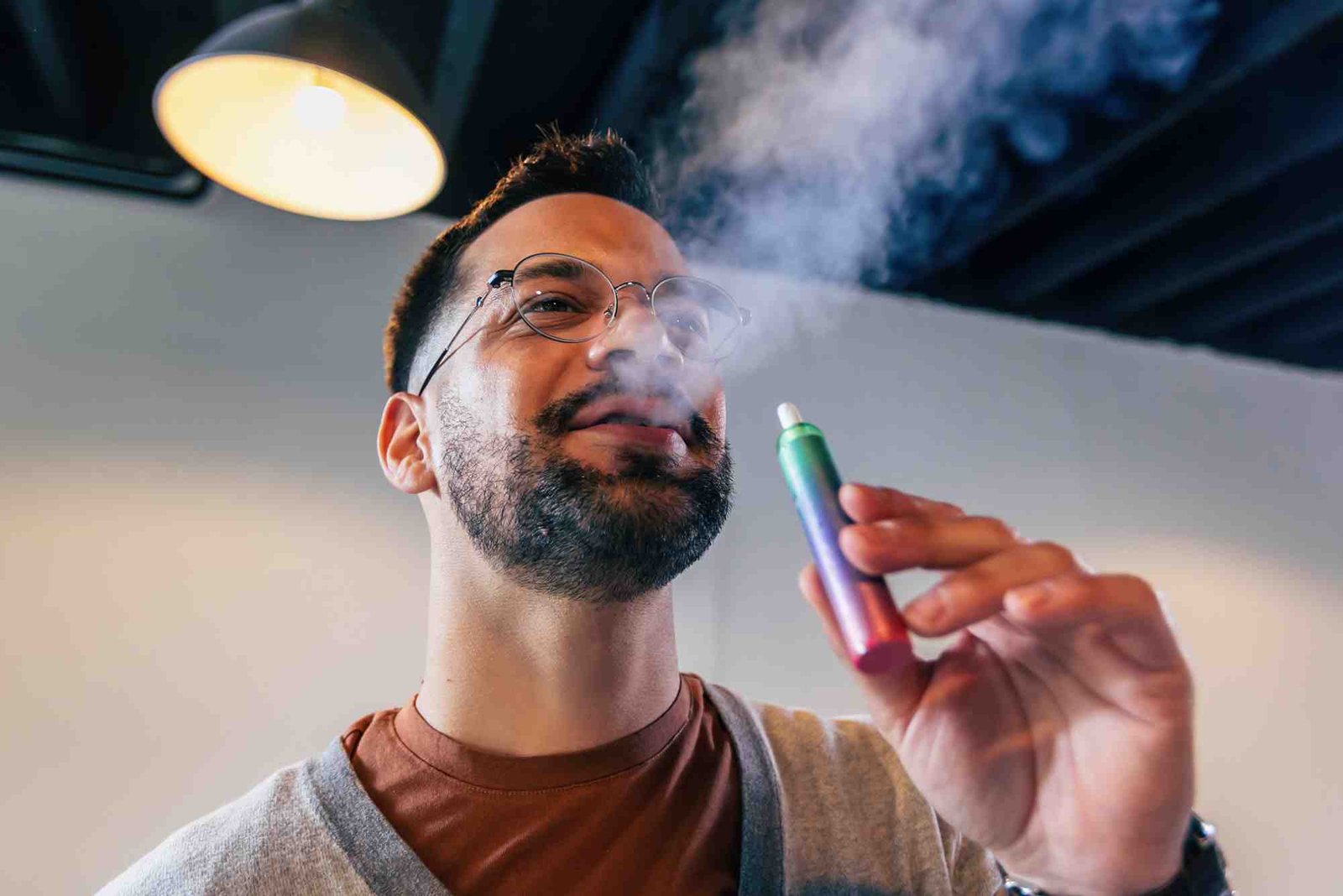
The SF vape law as a Path to Safer Nicotine Use reflects San Francisco’s commitment to protecting public health. The city has introduced strict regulations governing electronic cigarettes and flavored tobacco products. These regulations aim to reduce nicotine exposure, discourage youth vaping, and promote healthier communities.
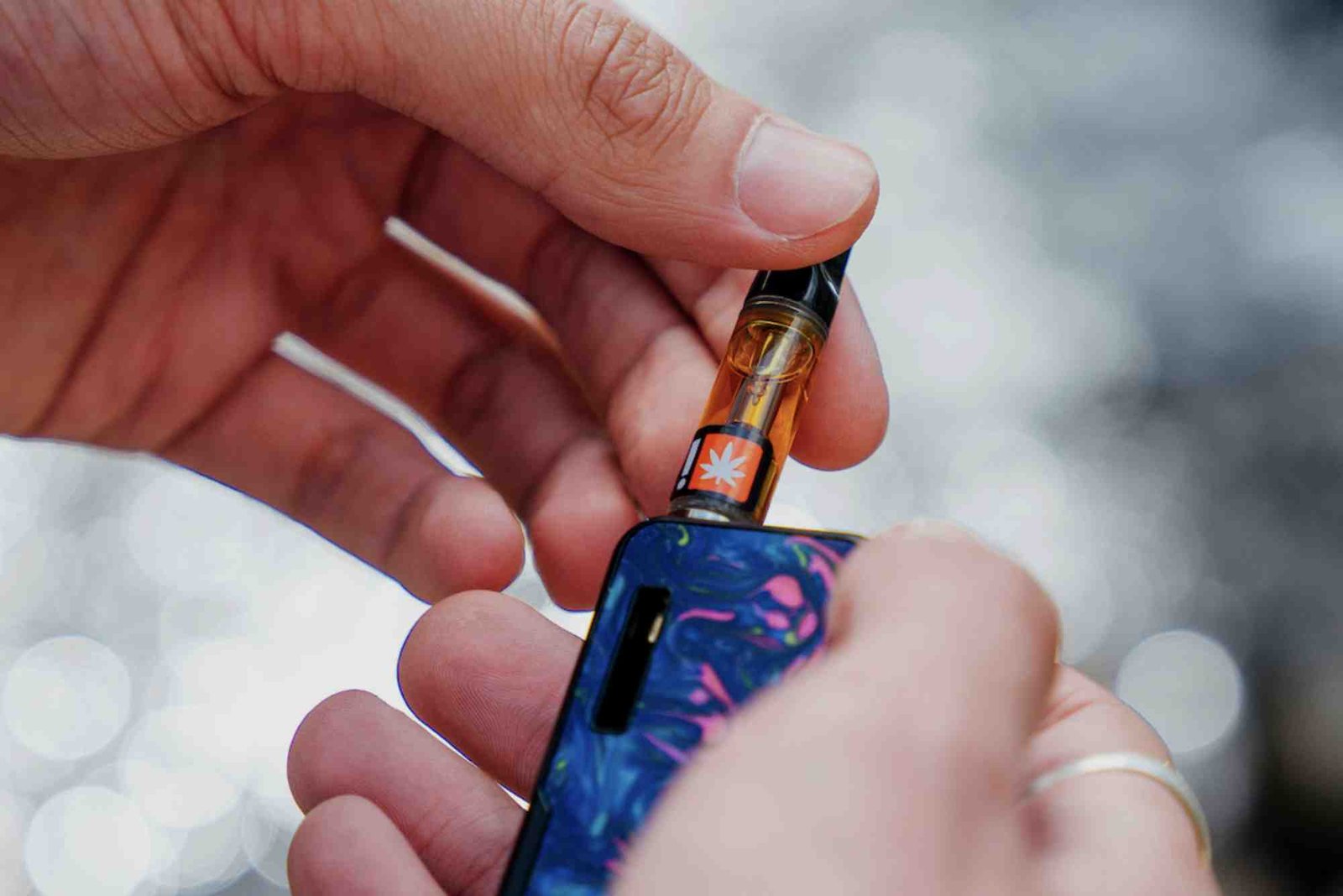
Vaping has become a significant public health discussion across the United States. Although some adults consider e-cigarettes an alternative to traditional cigarettes, vaping still carries health risks. Nicotine can cause dependence and affect brain development in young people.
San Francisco has responded through local tobacco control policies. These policies regulate product sales, restrict certain flavors, and establish rules for vaping in public spaces. Understanding these requirements helps residents, visitors, and retailers make informed decisions.
Understanding SF Vape Law and Its Public Health Purpose
San Francisco has developed comprehensive tobacco control regulations. These rules address the sale, distribution, and use of electronic cigarettes.
The city’s approach focuses on reducing access to potentially harmful nicotine products. It also aims to prevent young people from developing nicotine dependence.
The SF vape law includes restrictions on flavored tobacco products. It also addresses electronic cigarettes that lack required federal authorization.

Under San Francisco Health Code Article 19S, retailers cannot sell or distribute covered electronic cigarettes without the required FDA marketing authorization. The local code also prohibits flavored tobacco product sales.
These measures establish important protections for consumers. However, they do not make vaping products completely safe.
Why San Francisco Restricts Flavored Vape Products
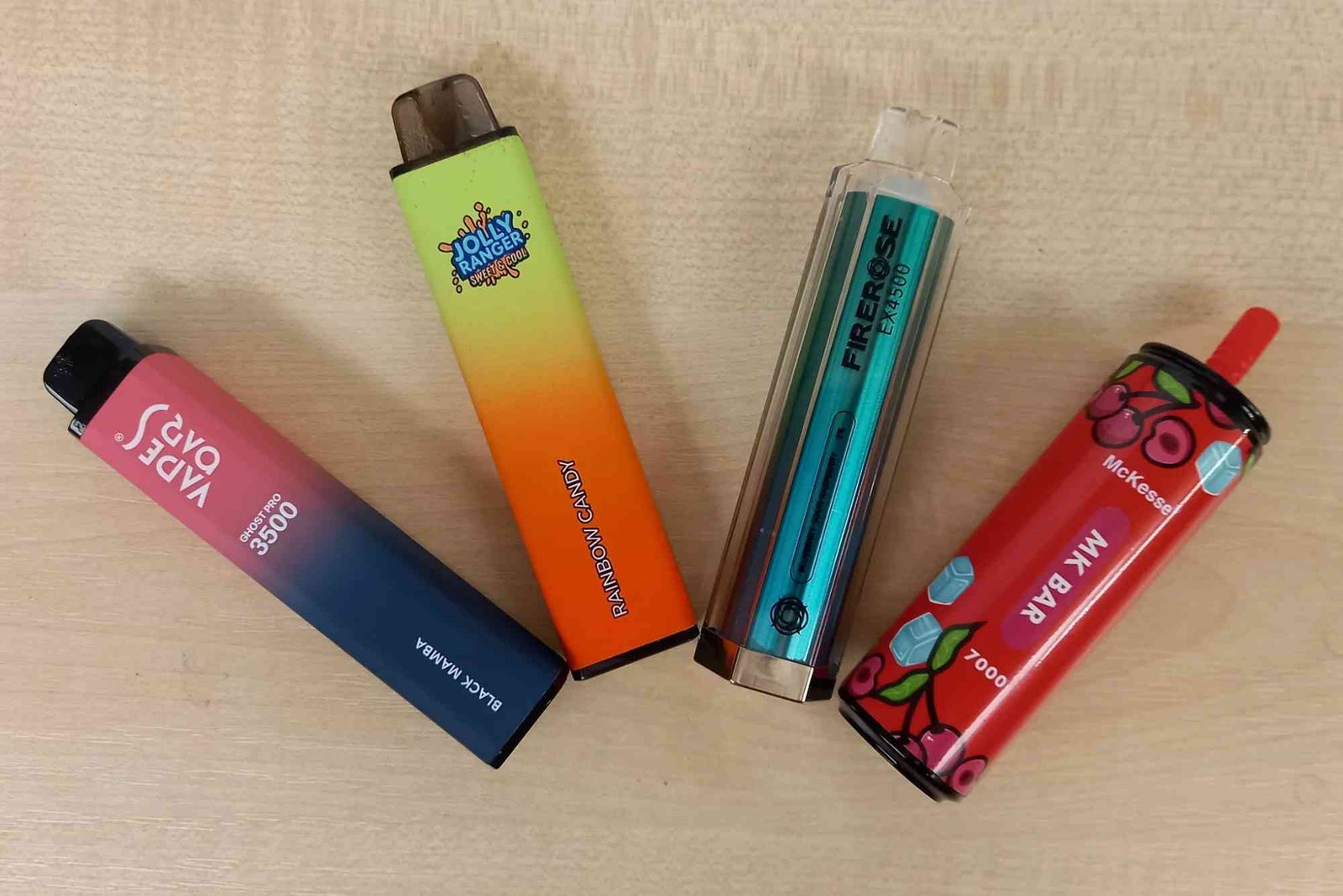
Flavored vaping products have attracted considerable attention from public health authorities. Fruit, candy, mint, and dessert flavors can make nicotine products appealing.
Young people may find these products particularly attractive. Consequently, policymakers have introduced restrictions to reduce their availability.
San Francisco prohibits the sale and distribution of flavored tobacco products. This includes flavored e-cigarettes, nicotine liquids, and other covered tobacco products.
The restrictions also support California’s broader flavored tobacco control policies. State regulations prohibit most flavored tobacco sales, including flavored vaping products.
The SF vape law therefore addresses more than traditional cigarette consumption. It considers how product design and marketing can influence nicotine use.
How SF Vape Law Supports Safer Nicotine Decisions
Public health regulations can influence consumer behavior. San Francisco’s approach encourages people to understand nicotine-related risks before making decisions.
The law supports safer communities through several important mechanisms.
Reducing youth access: Restrictions limit the legal availability of covered vaping products. This helps reduce opportunities for underage nicotine consumption.
Improving product oversight: Federal marketing authorization requirements establish an additional regulatory safeguard. They help distinguish authorized products from products lacking required approval.
Increasing public awareness: Local restrictions encourage conversations about nicotine dependence and tobacco-related health concerns.
Supporting smoke-free environments: Electronic cigarette use is prohibited wherever smoking is prohibited under applicable San Francisco laws.
Nevertheless, restrictions alone cannot eliminate nicotine dependence. Education, prevention, and access to evidence-based cessation support remain important.
Understanding the Main Requirements of SF Vape Law
Residents and businesses should understand how different regulations apply. The following table summarizes important aspects of San Francisco’s vaping framework.
| Regulatory area | Main requirement | Public health purpose |
|---|---|---|
| Flavored vape sales | Covered flavored tobacco products cannot be sold | Reduce youth appeal |
| FDA authorization | Certain e-cigarettes require FDA marketing authorization | Strengthen product oversight |
| Retail permits | Tobacco retailers need applicable permits | Improve business accountability |
| Public vaping | Vaping is prohibited where smoking is prohibited | Protect shared environments |
| Age restrictions | Tobacco and nicotine sales are restricted to adults aged 21 and older | Prevent underage access |
| Online sales | Applicable state and local restrictions also affect online sellers | Prevent prohibited product distribution |
These requirements demonstrate how local and state regulations work together. Retailers must follow the applicable rules before offering tobacco products.
The SF vape law does not establish that every legally available product is harmless. Consumers should understand this distinction when evaluating nicotine-related choices.
The Role of the San Francisco Health Department
The San Francisco Department of Public Health plays an important role in local tobacco control. It provides information about tobacco regulations and supports enforcement activities.
The San Francisco Health Department — local vape ordinance provides an important framework for understanding local requirements.
The department helps communicate restrictions to retailers and the wider community. Its regulatory responsibilities also include tobacco retail permits and compliance monitoring.
Retailers must understand which products are prohibited. They should also maintain accurate purchasing records and follow applicable requirements.
Selling prohibited products can result in enforcement action. Depending on the circumstances, violations may affect a retailer’s tobacco sales permit.
For residents, official public health information provides a reliable starting point. It helps clarify legal responsibilities and available cessation resources.
Can You Vape in Public Places in San Francisco?
San Francisco applies smoke-free rules to electronic cigarettes. Under Health Code Article 19N, vaping is prohibited wherever smoking tobacco products is prohibited by law.
This restriction can apply to workplaces and other designated smoke-free environments. Specific requirements depend on the location and applicable regulations.
Public transportation and other shared environments may also have restrictions. Therefore, visitors should check posted signs and follow local requirements.
The purpose is to reduce unwanted exposure to secondhand aerosol. It also helps maintain cleaner and more comfortable public spaces.
People should never assume vaping is permitted simply because traditional smoking rules appear unclear. Checking the applicable location-specific requirements is the better approach.
The Connection Between Vaping Regulations and Nicotine Awareness
Nicotine awareness is an essential part of responsible public health policy. Many consumers misunderstand the difference between reduced exposure and complete safety.
Vaping products can contain addictive nicotine. Their aerosol may also contain substances that create health concerns.
The long-term effects of vaping are still being studied. Therefore, consumers should avoid treating electronic cigarettes as harmless lifestyle products.
San Francisco’s regulatory approach encourages a more informed discussion. It places greater attention on prevention, product oversight, and community health.
Adults who smoke and want to quit should consider evidence-based cessation methods. Healthcare professionals can explain approved nicotine replacement therapies and other treatment options.
People who do not use nicotine should avoid starting. Young adults and adolescents should be particularly aware of nicotine dependence risks.
How Businesses Can Comply With SF Vape Law
Retailers have important responsibilities under San Francisco’s tobacco regulations. Compliance begins with understanding local and state requirements.
Businesses should verify applicable FDA marketing authorization before purchasing regulated electronic cigarette products. They must also avoid stocking prohibited flavored tobacco products.
Staff training is another essential part of compliance. Employees should understand age verification procedures and relevant sales restrictions.
Retailers should maintain appropriate permits and purchasing documentation. They should also monitor regulatory updates from local and state authorities.
Online sellers must consider the destination jurisdiction’s requirements. California’s flavored tobacco restrictions also apply to covered online and delivery sales.
Following these responsibilities helps businesses avoid unnecessary violations. More importantly, responsible retail practices support public health objectives.
Frequently Asked Questions About SF Vape Law
Is vaping illegal in San Francisco?
Vaping is not completely illegal throughout San Francisco. However, local laws restrict the sale of certain electronic cigarettes and prohibit vaping wherever smoking is prohibited.
Are flavored vapes banned in San Francisco?
Yes. San Francisco prohibits the sale and distribution of covered flavored tobacco products. This includes flavored vaping products and nicotine liquids.
Can you buy nicotine vapes in San Francisco?
The sale of electronic cigarettes is subject to strict requirements. Products must satisfy applicable federal, state, and local regulations. Flavored tobacco products and unauthorized electronic cigarettes cannot legally be sold.
Can you vape indoors in San Francisco?
Vaping is prohibited wherever smoking is prohibited under applicable local law. This includes designated smoke-free environments and other regulated locations.
What is the legal vaping age in San Francisco?
The minimum legal age for purchasing tobacco and nicotine products is 21. Retailers must verify customers’ ages before completing applicable sales.
Does SF vape law make vaping safer?
The regulations aim to reduce exposure, limit youth access, and improve product oversight. However, legal restrictions do not make vaping harmless or eliminate nicotine-related health risks.
Tryvapex.com is an online platform that offers users an informative browsing experience for vape-related products and updates. It provides easy navigation, guides, and product insights to help customers make informed choices. The website focuses on quality, convenience, and customer satisfaction, making it a reliable destination for vape enthusiasts seeking trusted information and solutions online.
Conclusion
The SF vape law as a Path to Safer Nicotine Use highlights the importance of public health protection and responsible regulation. San Francisco’s approach addresses flavored tobacco sales, FDA authorization, retail responsibilities, and smoke-free environments.
These regulations help communities understand nicotine-related risks. They also encourage businesses to follow responsible retail practices.
However, legislation is only one part of a broader public health strategy. Education, prevention, and effective smoking cessation support remain equally important.
Understanding local requirements allows residents and visitors to make informed decisions. Retailers should also stay updated on changing regulations.
Take the next step: Learn about local tobacco restrictions, understand nicotine-related health risks, and explore evidence-based resources for quitting nicotine. A healthier community begins with informed decisions.