New Vape Laws Ireland as a Path to Safer Nicotine Use
Introduction
New vape laws Ireland represents an important development in the country’s approach to nicotine regulation. The government is introducing stronger measures to protect young people and reduce nicotine-related harm. These changes also aim to make the vaping market more responsible.
Ireland has gradually strengthened its vaping regulations through new legislation. The Public Health (Tobacco Products and Nicotine Inhaling Products) Act 2023 established important protections. Further legislation in 2025 and 2026 expanded this regulatory framework.
Understanding New vape laws ireland as a Path to Safer Nicotine Use is important for consumers, retailers and public health professionals. These changes affect product availability, advertising, packaging and retail responsibilities.
The main objective is not simply to restrict products. Instead, Ireland wants to reduce youth exposure, discourage nicotine initiation and support informed public health decisions.
Understanding New Vape Laws Ireland
Ireland’s vaping regulations have developed in response to growing concerns about nicotine addiction. Young people, particularly teenagers, have become an important focus of government policy.
The Public Health (Tobacco Products and Nicotine Inhaling Products) Act 2023 introduced several important restrictions. One major provision prohibited selling nicotine inhaling products to anyone under 18.

Since 22 December 2023, retailers have been legally prohibited from selling vapes to minors. Violations can result in substantial penalties.
The government subsequently introduced additional restrictions covering advertising, sales methods and retail licensing. These measures create stronger controls throughout the vaping industry.
New Vape Laws Ireland also reflects a wider effort to prevent nicotine products from becoming attractive lifestyle accessories for children.
Why Ireland Is Introducing Stronger Vaping Regulations
Nicotine dependence remains an important public health concern. Although vaping products differ from traditional cigarettes, they are not risk-free.
Nicotine can cause dependence and may affect adolescent brain development. Furthermore, attractive packaging and sweet flavour descriptions can encourage experimentation among younger consumers.
Ireland’s updated regulations address these concerns through several approaches.
Protecting Young People from Nicotine Addiction
Preventing underage access is one of the government’s main priorities. The existing age restriction makes selling vaping products to children illegal.
Additional restrictions target advertising and product presentation. These measures aim to reduce exposure in everyday retail environments.
Improving Retail Responsibility
Retailers now face stronger responsibilities when selling nicotine products. Licensing requirements create greater accountability across the industry.
These rules also help enforcement authorities identify businesses operating outside legal requirements.
Encouraging Responsible Consumer Choices
Clearer packaging and stricter product standards can help consumers understand what they purchase. However, regulation cannot eliminate the health risks associated with nicotine.
Therefore, consumers should understand both the legal requirements and potential health consequences.
Major Changes Under New Vape Laws Ireland
The latest legislation introduces significant changes for manufacturers, retailers and consumers. Government of Ireland / Department of Health — vaping law updates Some provisions are already operational, while others have future implementation dates.
The following table explains the important measures as of November 2026.
|
Regulation |
Legal position and implementation |
|---|---|
|
Minimum purchasing age |
Selling vapes to under-18s has been prohibited since December 2023 |
|
Retail licensing |
Annual licences required from 2 February 2026 |
|
Self-service sales |
Restrictions effective from September 2025 |
|
Disposable vapes |
Sales ban scheduled for 24 January 2027 |
|
Vape packaging |
New restrictions introduced through 2026 legislation |
|
Flavour restrictions |
Flavour names and permitted flavours face tighter controls |
|
Retail advertising |
Further restrictions apply to advertising and product displays |
These developments demonstrate Ireland’s commitment to stronger nicotine regulation. However, consumers should distinguish between enacted laws and provisions awaiting commencement.
The Disposable Vape Ban and Its Importance
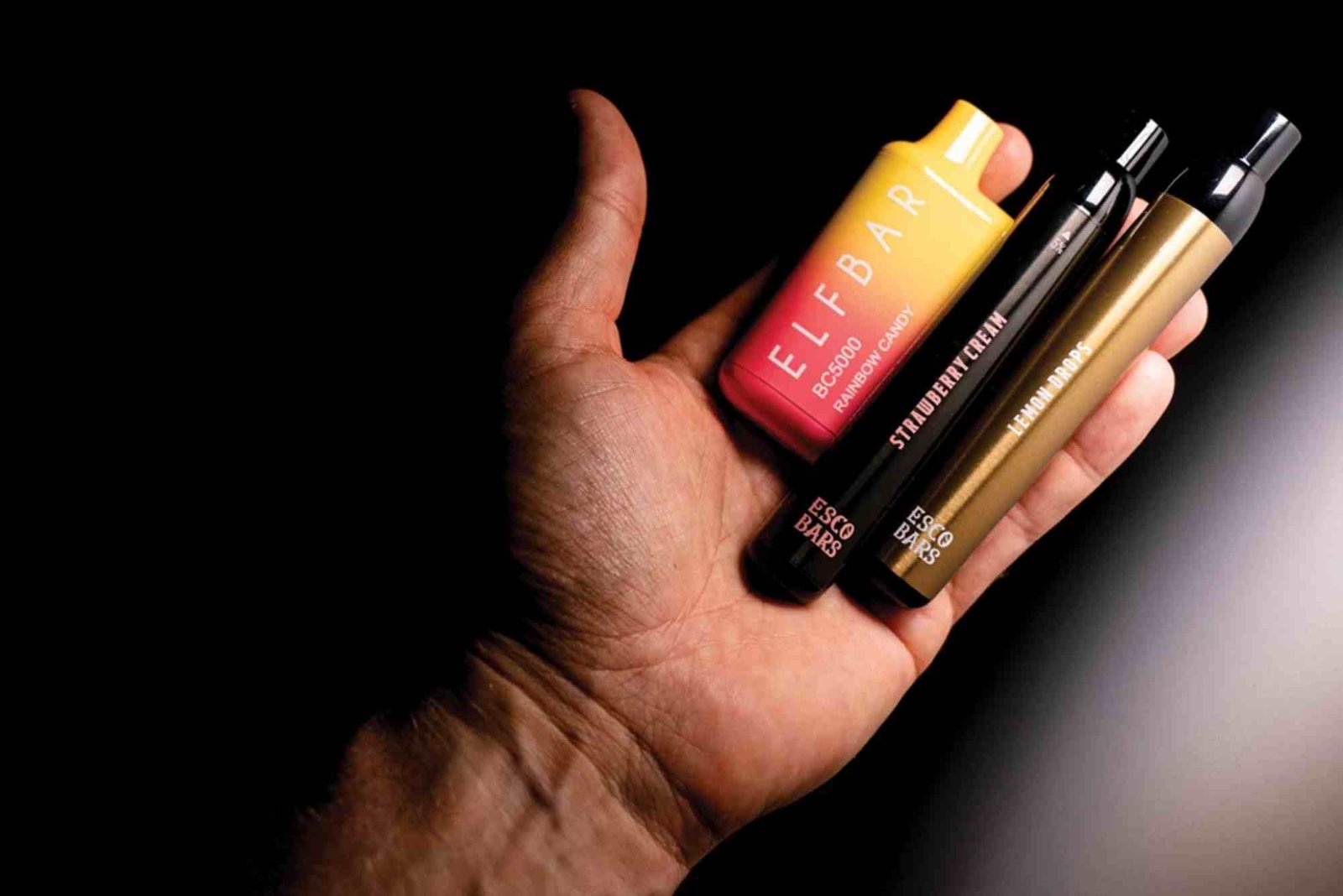
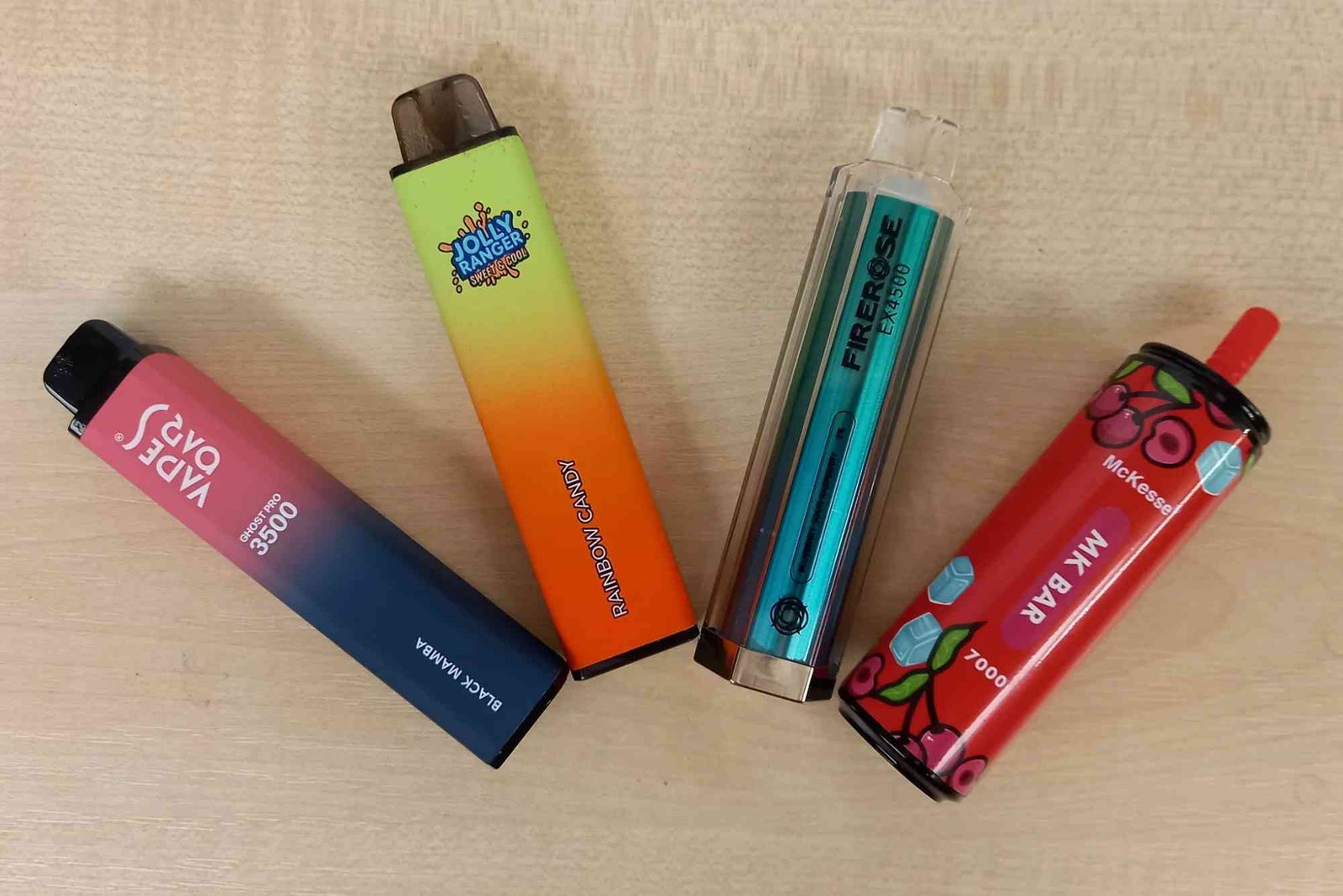
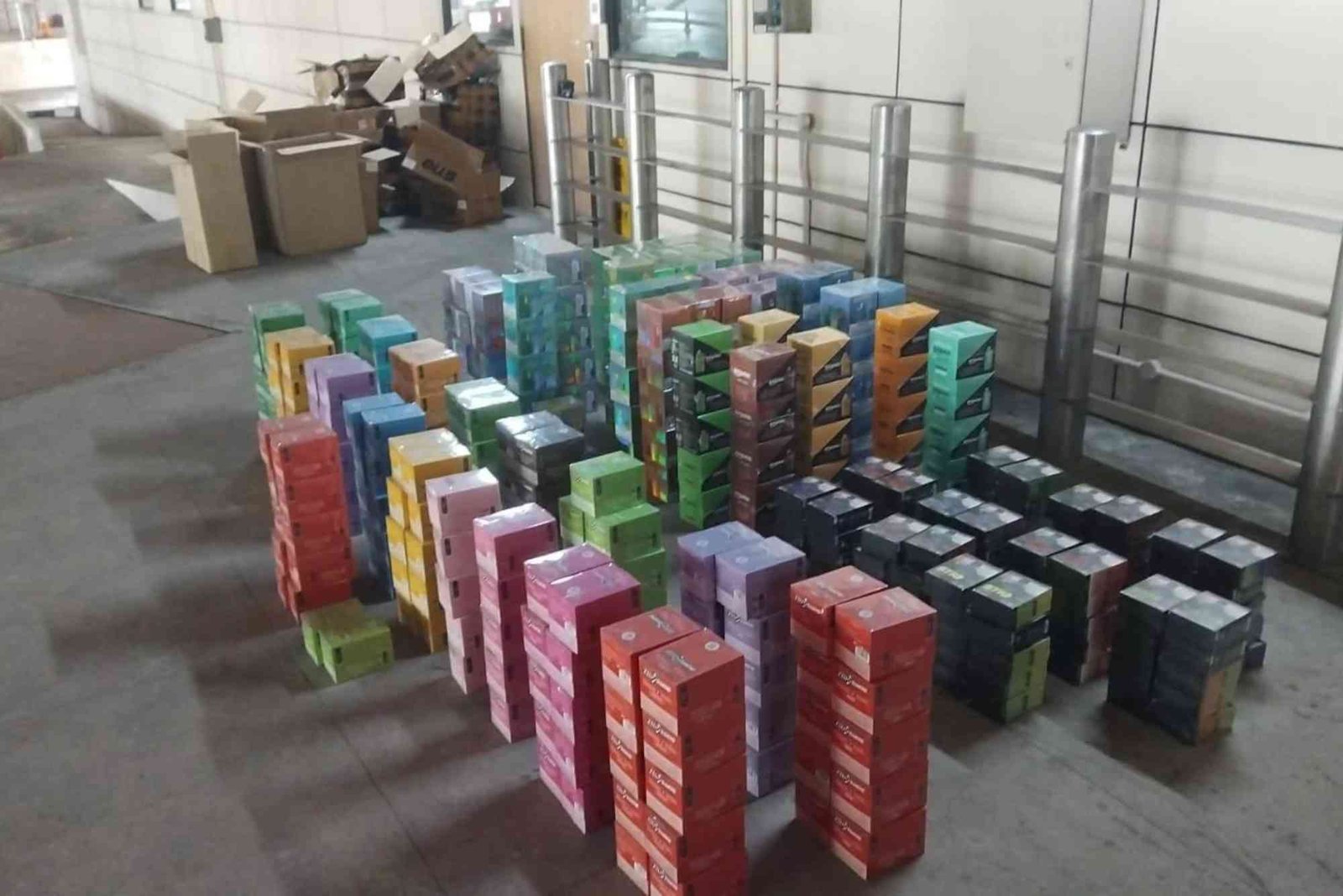
Disposable vaping products have become a significant concern for Irish policymakers. Their convenience, low initial cost and colourful designs have contributed to their popularity.
However, single-use devices also create environmental problems. Batteries, electronic components and plastic materials contribute to unnecessary waste.
Ireland has therefore introduced legislation to prohibit their retail sale.
The Public Health (Single-Use Vapes) Act 2026 commenced on 24 July 2026. A six-month transition period applies, meaning the sales prohibition takes effect on 24 January 2027.
This distinction is important because the ban does not mean every disposable vape became illegal immediately upon commencement.
The measure aims to reduce environmental damage and discourage easy access to disposable nicotine products. It also encourages a more responsible retail environment.
New Restrictions on Vape Flavours and Packaging
Flavours and product appearance are important parts of Ireland’s regulatory strategy. Policymakers believe attractive designs can increase the appeal of vaping among young people.
The Public Health (Tobacco Products and Nicotine Inhaling Products) (Amendment) Act 2026 introduces stronger controls.
These include restrictions on product colours, imagery and flavour descriptions. The legislation also provides powers to limit permitted flavour names.
Under the new framework, flavour names are restricted towards tobacco and unflavoured descriptions. The government can introduce further regulations concerning permitted flavours.
The legislation also addresses devices resembling toys, games or other unrelated products.
However, consumers should understand that passing legislation and implementing every provision are different processes. Some requirements involve transition periods and commencement arrangements.
How Retail Licensing Changes the Vaping Industry
Retail licensing is another important part of New vape laws Ireland.
Previously, businesses faced fewer requirements when selling nicotine inhaling products. The new licensing framework introduces greater accountability.
From 2 February 2026, retailers must obtain annual licences for each premises selling tobacco or nicotine inhaling products.
This system gives authorities better oversight of the retail market. It also helps ensure businesses understand their legal responsibilities.
Licensing can improve compliance by making retailers more accountable for age verification and lawful product sales.
Furthermore, businesses must consider changes to advertising, product displays and permitted products.
Retailers who ignore these requirements may face enforcement action and financial penalties.
New Vape Laws Ireland and the Path to Safer Nicotine Use
The relationship between regulation and harm reduction requires careful consideration.
Vaping is not harmless, and nicotine remains addictive. Nevertheless, public health discussions often distinguish between vaping and combustible tobacco smoking.
For adults who already smoke, completely switching to regulated vaping products may reduce exposure to many harmful chemicals produced by burning tobacco. However, vaping still carries health risks.
People who do not smoke should not start vaping.
Ireland’s regulatory approach attempts to balance adult public health considerations with preventing nicotine addiction among young people.
This balance requires accurate information rather than exaggerated claims about vaping safety.
Supporting Adult Smokers Through Better Information
Adults considering alternatives to smoking should receive reliable health advice. They should understand nicotine dependence, potential risks and available cessation support.
Healthcare professionals can explain established smoking cessation options. These include behavioural support and approved nicotine replacement treatments.
Vaping should not be presented as completely safe or suitable for everyone.
Preventing Youth Nicotine Exposure
Young people require particular protection because nicotine dependence can develop quickly.
Restrictions on flavours, advertising and attractive packaging aim to reduce unnecessary exposure.
Schools, families and communities also have important roles. Open conversations about nicotine addiction can help young people make informed decisions.
Advertising Restrictions and Consumer Protection
Advertising restrictions are another important element of Ireland’s vaping legislation.
Promotional activities can influence consumer perceptions, particularly among younger audiences. Consequently, the government has introduced stronger controls over retail advertising and product visibility.
The 2026 amendment legislation restricts advertising of nicotine inhaling products in retail settings. It also limits product displays in mixed retail premises.
These restrictions aim to prevent vaping products from becoming prominent promotional items.
Online retailers must also pay attention to applicable advertising and sales requirements. Selling products legally requires compliance with relevant Irish and European regulations.
How New Vape Laws Ireland Affect Consumers and Retailers
The updated legislation affects different groups in different ways.
For consumers, product choices and availability may change. Some previously available disposable products and flavoured options will face restrictions.
Retailers must review their product ranges, licences and marketing practices. Manufacturers must also adapt packaging and product designs.
The following comparison explains the expected impact.
|
Group |
Main impact |
|---|---|
|
Adult consumers |
Changes to product availability and presentation |
|
Under-18s |
Stronger protection against nicotine access |
|
Retail businesses |
Annual licensing and stricter sales requirements |
|
Manufacturers |
Greater packaging and flavour controls |
|
Public health organisations |
Stronger opportunities for prevention and education |
|
Environment |
Reduced waste from disposable vaping products |
Ultimately, these changes encourage greater responsibility throughout the nicotine market.
Frequently Asked Questions About New Vape Laws Ireland
What are the new vape laws in Ireland?
Ireland has introduced stronger regulations covering nicotine sales, retail licensing, disposable products, advertising and packaging.
The minimum purchasing age remains 18. Additionally, disposable vape sales are scheduled to become prohibited from 24 January 2027.
Are disposable vapes illegal in Ireland?
Disposable vapes are not subject to an immediate nationwide sales prohibition as of November 2026.
The Public Health (Single-Use Vapes) Act 2026 commenced on 24 July 2026. Its six-month transition period ends on 24 January 2027, when the sales ban takes effect.
Can you legally buy vapes in Ireland?
Yes, adults aged 18 and over can legally purchase compliant vaping products from authorised retailers.
However, products must satisfy applicable Irish and European requirements. Retailers must also comply with licensing and sales regulations.
What is the legal age for vaping in Ireland?
The legal minimum purchasing age is 18.
Selling nicotine inhaling products to anyone under 18 is prohibited. Retailers must take appropriate steps to verify customers’ ages.
Are flavoured vapes being banned in Ireland?
Ireland’s 2026 amendment legislation introduces significant flavour restrictions.
It restricts flavour descriptions and provides for tighter controls over permitted flavours. Implementation arrangements and applicable commencement dates are important when assessing individual products.
Can you vape indoors in Ireland?
Ireland does not have one universal national prohibition covering vaping in every indoor public space.
However, individual workplaces, healthcare facilities, transport operators and businesses can impose their own restrictions.
Consumers should always follow the rules displayed at the premises.
What happens if a retailer breaks Irish vape laws?
Retailers who breach applicable regulations can face legal enforcement and financial penalties.
Selling nicotine products to minors is a criminal offence. Other violations can also result in enforcement action under relevant legislation.
Tryvapex.com is an online platform that offers users an informative browsing experience for vape-related products and updates. It provides easy navigation, guides, and product insights to help customers make informed choices. The website focuses on quality, convenience, and customer satisfaction, making it a reliable destination for vape enthusiasts seeking trusted information and solutions online.
Conclusion: Building a More Responsible Nicotine Market
New vape laws Ireland represents an important step towards stronger nicotine regulation and public health protection.
The introduction of retail licensing, disposable vape restrictions and stricter packaging requirements demonstrates the government’s changing approach.
These measures aim to protect young people, improve retail accountability and reduce environmental damage.
However, legislation alone cannot eliminate nicotine addiction. Public education, responsible consumer decisions and accessible smoking cessation support remain essential.
Understanding New vape laws Ireland as a Path to Safer Nicotine Use helps consumers and businesses prepare for regulatory changes.
Take Action Today: Stay informed about Irish vaping regulations, check product compliance and follow official public health guidance. Retailers should review their licensing obligations, while consumers should make informed decisions about nicotine use.
Article accuracy note: This article reflects the legislative position as of 18 November 2026. Proposed measures, enacted provisions and fully commenced requirements should not be treated as interchangeable.