
Introduction
Vaping laws continue to change across the United States. Hawaii is among the states taking a stricter approach to electronic smoking devices. These regulations affect consumers, retailers, manufacturers, and visitors. Understanding the difference between facts and common misconceptions is essential.
The topic of Truth vs Myth: Hawaii vape law in the Vaping World deserves attention because several rules influence how vaping products are purchased, possessed, and used. Some people believe Hawaii has completely prohibited vaping. Others assume adults can freely purchase every type of vape product. However, neither assumption accurately explains the state’s regulatory framework.
Hawaii allows certain vaping products under specific conditions. Nevertheless, age restrictions, public-use regulations, licensing requirements, and new product restrictions apply. Additional legislation signed in 2026 will introduce important changes in 2027.
Understanding these developments helps consumers make informed decisions. It also helps retailers avoid unnecessary legal complications.
Understanding Hawaii Vape Law and Its Purpose
Hawaii regulates electronic smoking devices through several state laws. These devices include traditional e-cigarettes, vape pens, electronic cigars, and related equipment.
The state considers vaping an important public health issue. Its regulations focus particularly on preventing youth access and reducing exposure to secondhand aerosol.

According to the Hawaii Department of Health, electronic smoking devices are prohibited in locations where state law prohibits smoking. This approach places vaping within the broader smoke-free public environment.
The state’s position does not mean every vaping activity is automatically illegal. Instead, different rules apply depending on the person’s age, product type, location, and purchasing arrangements.
For accurate information, readers should consult the Hawaii Department of Health — vaping rules & guidance. Its tobacco prevention resources explain important restrictions and public health recommendations.
Truth vs Myth: Hawaii Vape Law in the Vaping World
Understanding the difference between popular assumptions and actual regulations is important. Several misconceptions continue to create confusion among consumers.
Myth: Vaping Is Completely Illegal in Hawaii
One common misconception suggests that Hawaii has prohibited every vaping product.
The reality is more complicated. Adults may legally possess and use vaping products when applicable laws are followed. However, purchasing and selling products must comply with state and federal requirements.
Hawaii has introduced additional restrictions on disposable devices and unauthorized products. These changes make product legality particularly important.
Therefore, consumers should not assume every product available elsewhere is legally available in Hawaii.
Myth: Anyone Can Purchase Vaping Products
Another misunderstanding concerns the legal purchasing age.
Hawaii follows a minimum purchasing age of 21 for tobacco products, including electronic smoking devices. Retailers cannot legally sell these products to individuals younger than 21.
The restrictions also extend to possession and consumption by people under 21 in public places under applicable state law.
These requirements aim to reduce youth exposure to nicotine. They also place responsibility on retailers to verify customers’ ages.
Consequently, identification checks remain an important part of legal retail transactions.
Truth: Public Vaping Restrictions Apply Across Hawaii
Many people assume vaping is permitted wherever traditional cigarettes are allowed. However, Hawaii’s clean indoor air regulations include electronic smoking devices.
Vaping is prohibited in enclosed and partially enclosed public places. These restrictions cover workplaces, restaurants, public transportation, and government facilities.
Hawaii airports also prohibit vaping from the terminal cabin area through the curbside area. State parks have additional restrictions.
Furthermore, vaping is prohibited within 20 feet of certain entrances, exits, operable windows, and ventilation intakes.
Local regulations can introduce additional restrictions. Therefore, visitors should always check posted signs and follow property rules.
Truth: Disposable Vape Regulations Are Becoming Stricter
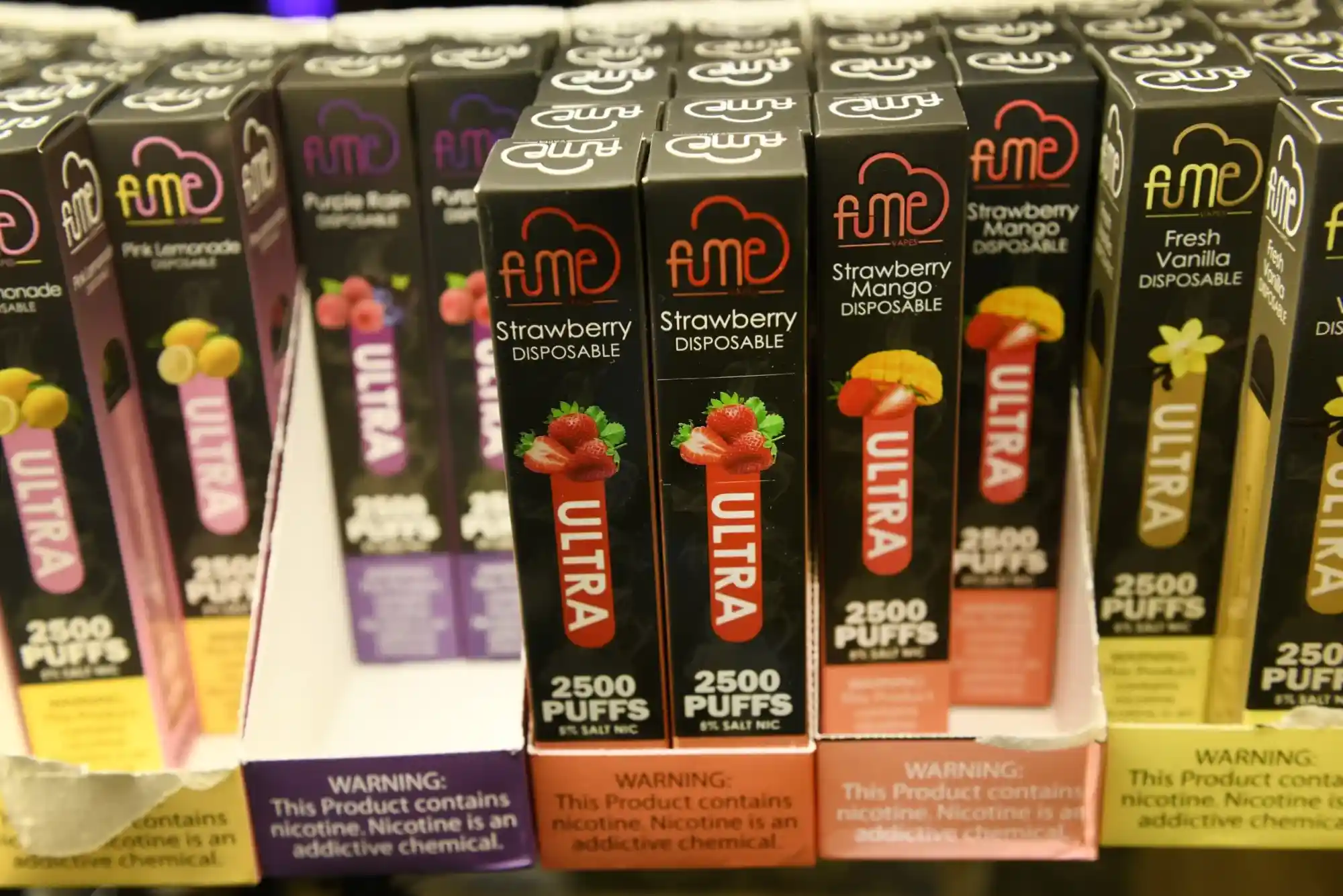
One of the most important developments concerns disposable vaping devices.
Hawaii enacted Act 189 in 2026. This legislation prohibits the sale of disposable electronic smoking devices beginning January 1, 2027.
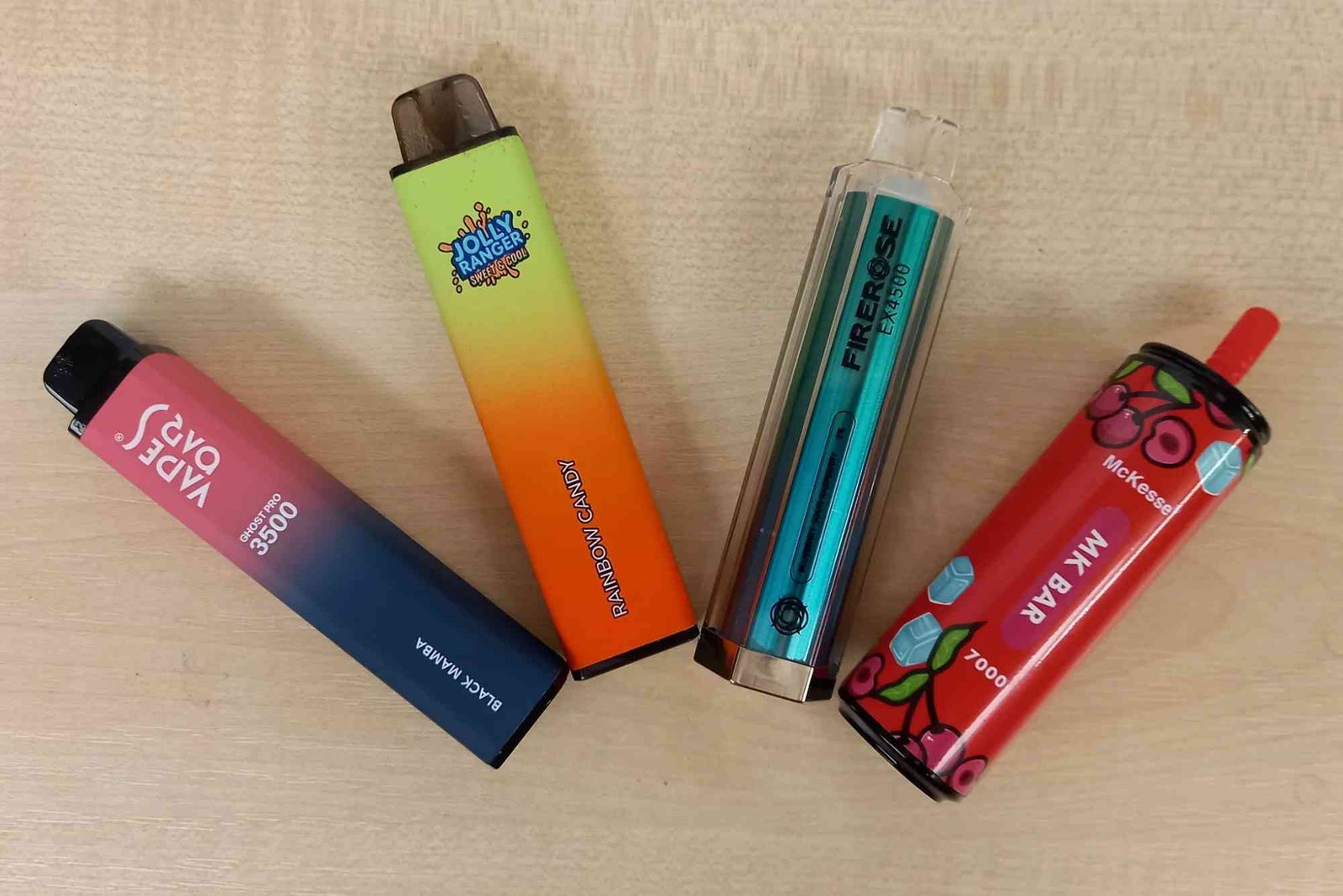
The law defines a disposable device using specific characteristics. It generally covers non-refillable devices with non-rechargeable batteries intended for disposal after their contents are used.
However, the legislation provides an exception for qualifying products with an FDA marketing granted order.
This distinction matters because not every disposable device automatically receives the same legal treatment. Consumers and retailers must understand the actual statutory definition.
The Major 2026 Changes Affecting Hawaii Vape Law
Hawaii introduced several important legislative changes during 2026. These developments significantly affect the vaping industry’s regulatory environment.
Act 190 and the New Product Directory
Act 190 establishes additional requirements for electronic smoking devices and e-liquids.
Beginning October 1, 2026, manufacturers must certify qualifying products with the Department of the Attorney General’s Tobacco Enforcement Unit.
Manufacturers must demonstrate that their products have received an FDA marketing granted order. They must also confirm compliance with applicable federal and state requirements.
The legislation introduces the Hawaii Electronic Smoking Device and E-Liquid Directory.
Starting January 1, 2027, only products included in this directory may legally be sold in Hawaii.
This requirement is particularly significant for retailers. A manufacturer appearing in the directory does not automatically mean every product from that manufacturer is permitted.
Retailers must verify individual products and applicable flavors.
Act 229 and Retail Enforcement
Act 229 introduces additional enforcement measures.
Effective September 1, 2026, the legislation strengthens the authority of state agencies to inspect businesses and seize tobacco products.
Electronic smoking devices and e-liquids are included in these enforcement provisions.
Untaxed tobacco products can also be treated as illegal contraband. This development reinforces the importance of proper licensing, taxation, and distribution records.
What Happens When Retailers Violate Product Regulations?
Act 190 introduces financial penalties for businesses handling unauthorized products.
The initial penalty can reach $500 per individual product. Repeat violations carry higher penalties.
Subsequent violations can result in fines reaching $2,000 per individual product.
These measures demonstrate Hawaii’s intention to strengthen compliance throughout the vaping supply chain.
How Hawaii Regulates Vape Sales and Retail Businesses
Retail businesses must follow specific requirements when selling vaping products.
Hawaii requires applicable wholesalers and dealers to obtain tobacco licenses through the Department of Taxation. Retailers must obtain the appropriate tobacco permits for their individual locations.
Electronic smoking devices and e-liquids are also subject to a 70% excise tax on their wholesale price under the state’s applicable tax provisions.
Retail sales must generally take place through direct, face-to-face transactions. Vending machines and self-service tobacco displays are prohibited under applicable retail placement rules.
Shipping vaping products to individuals or businesses without the required tobacco license can also create legal problems for sellers.
These requirements demonstrate why operating a vaping business involves more than simply purchasing products and offering them to customers.
How Hawaii’s Vaping Regulations Affect Tourists and Residents
Tourists visiting Hawaii should understand local restrictions before bringing vaping products.
Travelers should not assume that a product legally purchased in another state can automatically be sold or distributed in Hawaii.
Possession, personal use, commercial distribution, and retail sales can involve different legal requirements.
Visitors should also avoid vaping in smoke-free public areas. Hotels, restaurants, airports, parks, and private establishments may enforce additional restrictions.
Residents should regularly review official government announcements. This is particularly important as the January 2027 product directory requirements approach.
Being informed helps prevent misunderstandings during travel and everyday activities.
The Role of Public Health in Hawaii’s Vaping Regulations
Public health concerns remain central to Hawaii’s approach.
Nicotine exposure can affect brain development in adolescents. Vaping aerosols can also contain potentially harmful substances.
The Hawaii Department of Health encourages young people to avoid electronic cigarettes. It also provides educational resources for parents, schools, and communities.
Adults who smoke traditional cigarettes should seek reliable medical advice when considering smoking cessation options. Vaping products should not automatically be considered harmless alternatives.
Understanding these health considerations helps explain why lawmakers continue reviewing vaping regulations.
At the same time, accurate information matters. Consumers should distinguish established legal requirements from exaggerated claims circulating online.
What Consumers Should Know About Future Vape Regulations
The vaping industry in Hawaii is entering an important regulatory period.
The January 2027 product directory will change how retailers determine which products can legally enter the market. Manufacturers must meet applicable federal and state requirements.
Consumers should pay attention to product authorization rather than relying exclusively on brand popularity or advertising claims.
Retailers should review official updates before purchasing inventory. They should also maintain appropriate licensing and tax documentation.
The most reliable information comes directly from government sources. Checking official announcements regularly is more useful than relying on outdated articles or social media discussions.
Understanding Flavored Vape Laws helps consumers stay informed about nicotine regulations, product safety, and public health concerns. Clear policies can support responsible choices, improve product oversight, and encourage awareness of potential risks while balancing adult consumer access with efforts to protect young people.
Conclusion
The discussion surrounding Truth vs Myth: Hawaii vape law in the Vaping World reveals an important distinction. Hawaii has not simply prohibited every vaping activity. Instead, it has established detailed restrictions governing age limits, public use, product sales, taxation, and manufacturer compliance.
Frequently Asked Questions
Is vaping illegal in Hawaii?
No. Vaping is not completely prohibited for adults. However, Hawaii regulates purchasing, possession, product sales, and vaping locations. Certain products will face additional restrictions beginning January 1, 2027.
What is the legal age to buy vapes in Hawaii?
The minimum legal age for purchasing vaping products in Hawaii is 21. Selling these products to individuals under 21 is prohibited.
Can you vape in public places in Hawaii?
Not everywhere. Hawaii prohibits vaping in locations covered by its smoke-free laws. These include enclosed workplaces, restaurants, public transportation, airports, and state parks.
Are disposable vapes banned in Hawaii?
Hawaii will prohibit the sale of disposable electronic smoking devices beginning January 1, 2027. Qualifying devices with an FDA marketing granted order are excluded from the statutory definition.
Can tourists bring vapes to Hawaii?
Tourists should check applicable federal and state requirements before traveling. Personal possession, commercial sales, and distribution are subject to different rules. Travelers should also respect local vaping restrictions.
In the evolving world of vaping, finding reliable information and quality products is important for making informed choices. TryVapex offers an online platform where visitors can explore vaping-related products and discover useful information.