Introduction
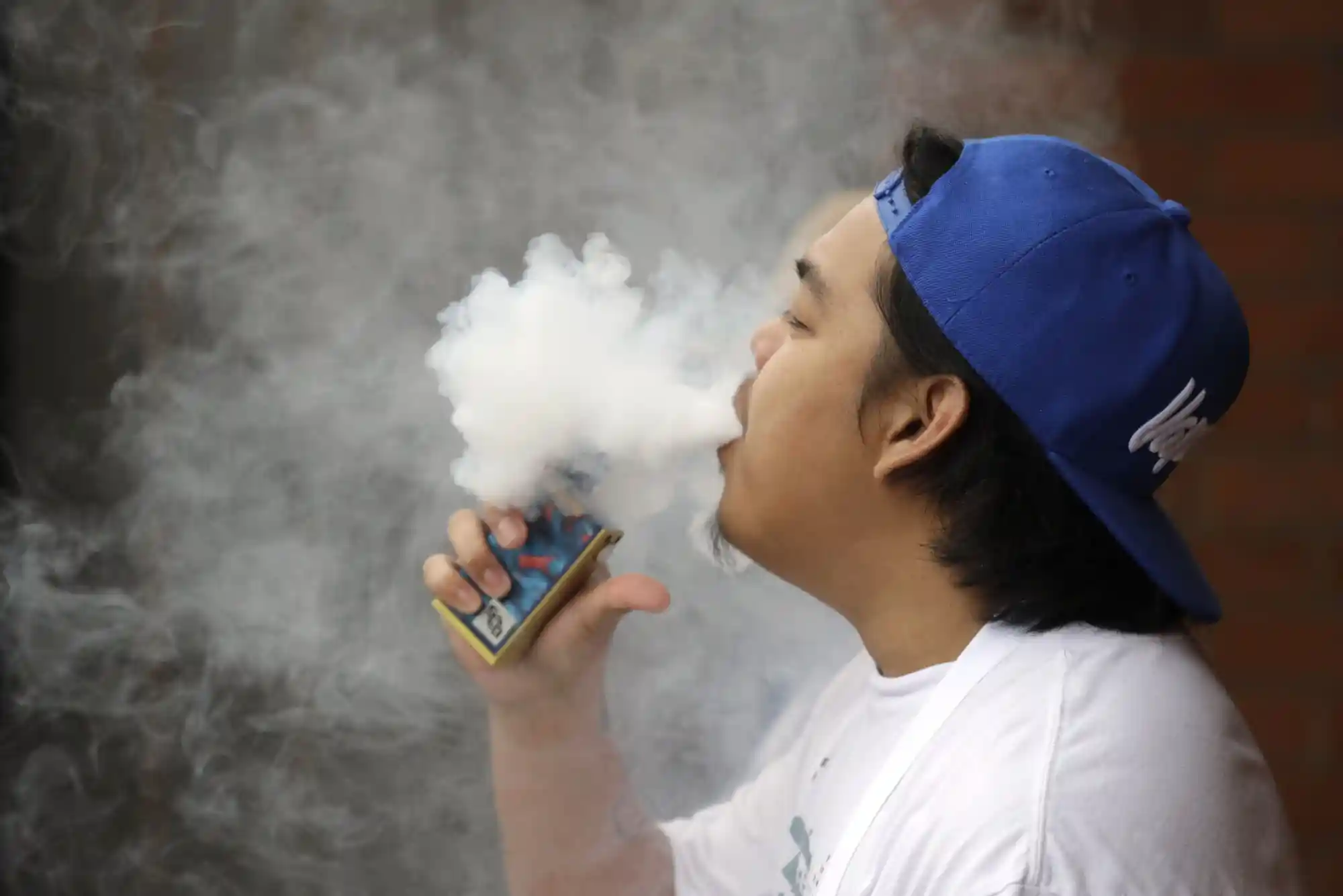
Flavored vape laws as a Path to Safer Nicotine Use has become an important topic in modern public health discussions. Governments worldwide are examining how flavored nicotine products affect consumers, particularly young people. These regulations aim to reduce youth vaping while addressing concerns about adult nicotine users. However, creating effective policies requires balancing public health protection with responsible regulation.
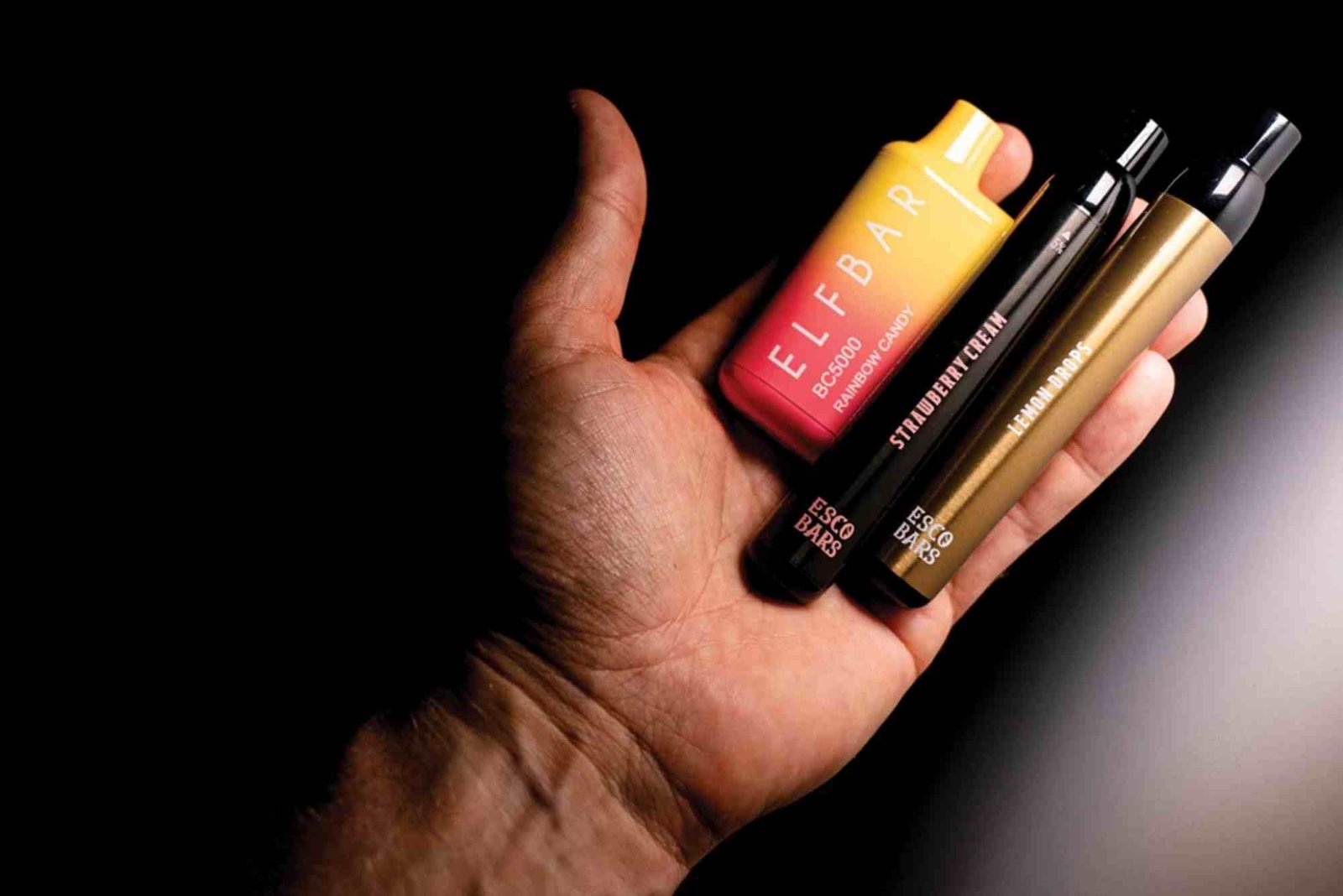
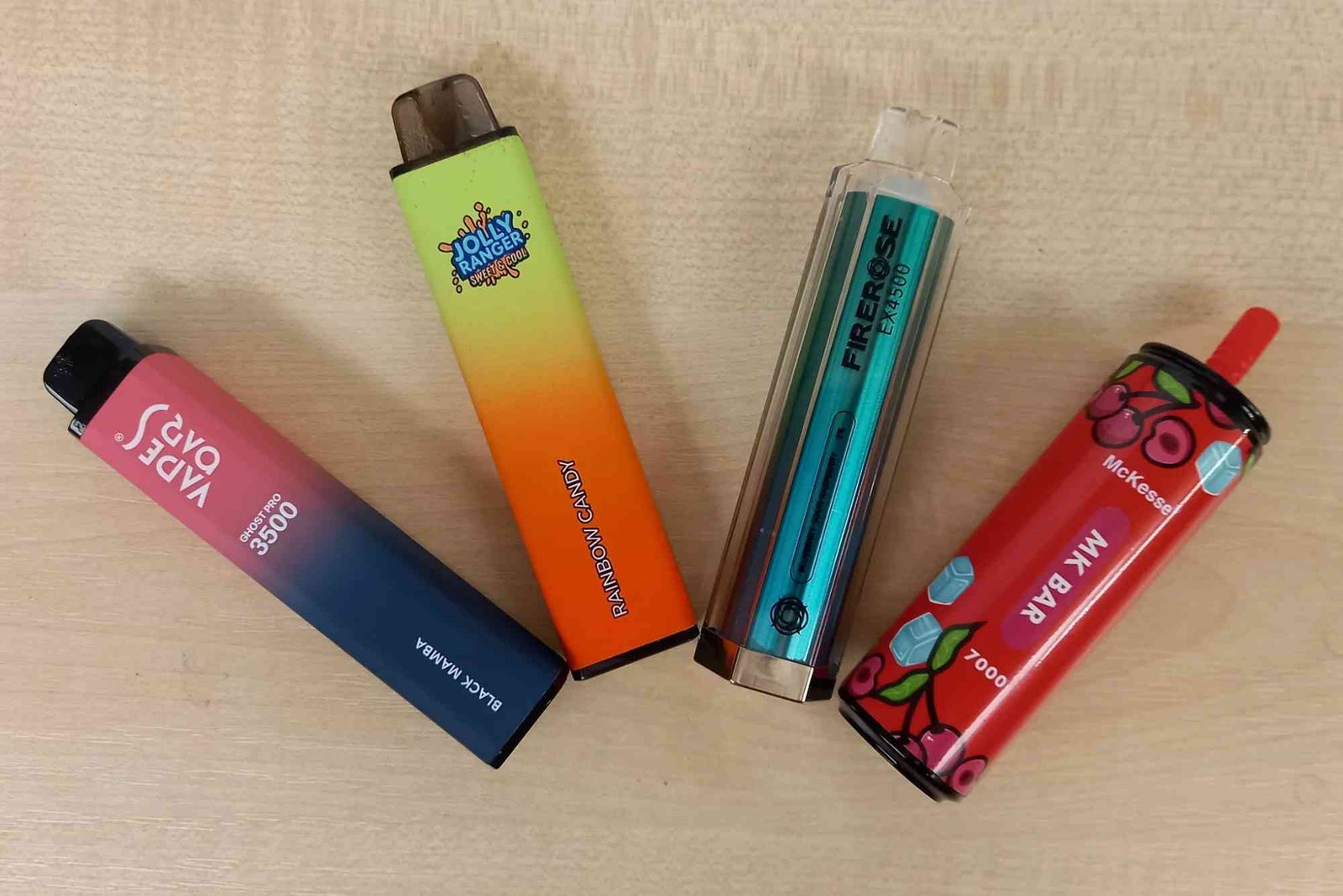
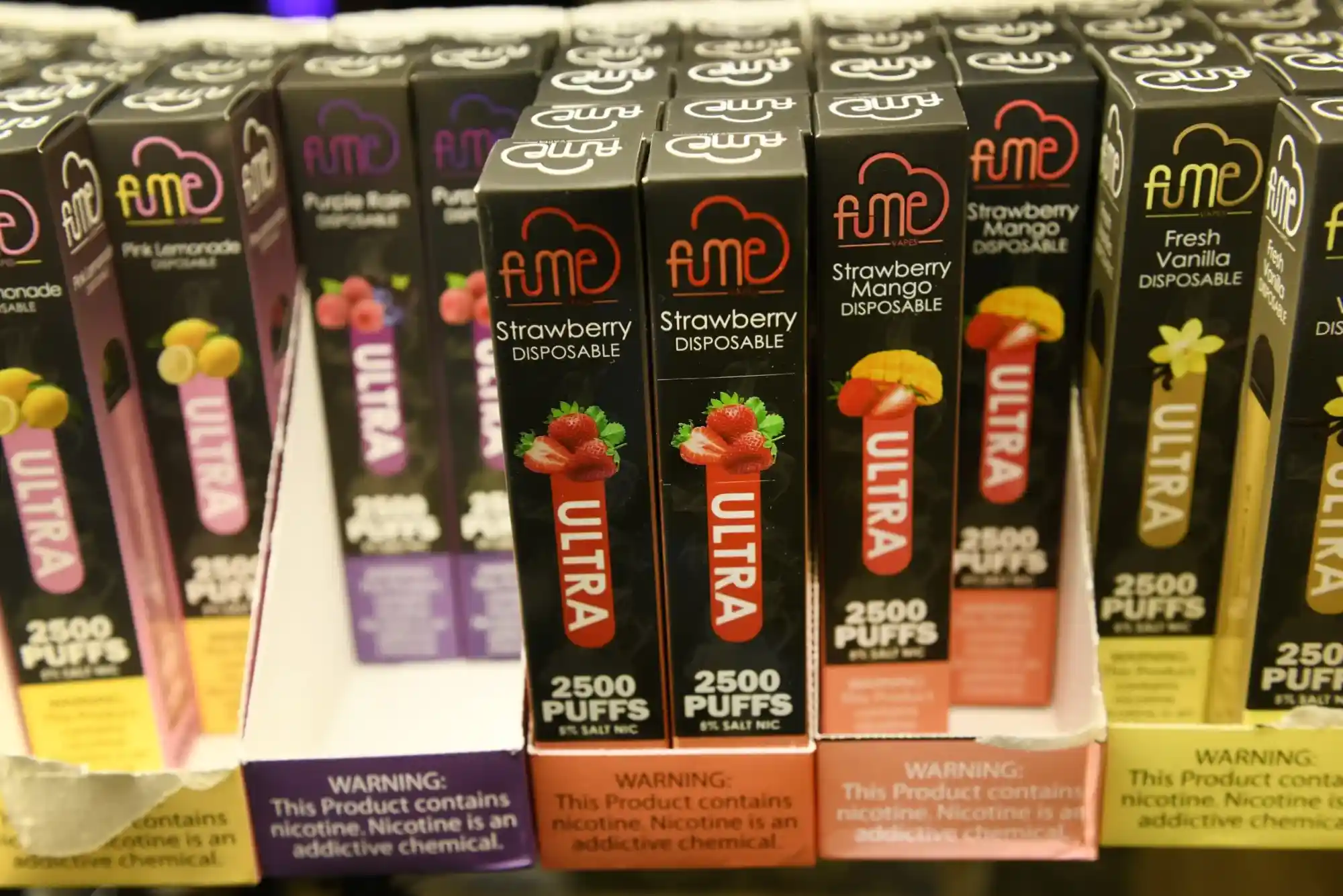
Flavored vape products often contain sweet, fruity, mint, and dessert-inspired flavors. These options can attract younger audiences because of their appealing taste and packaging. Consequently, regulators are considering restrictions that limit unnecessary exposure among minors. At the same time, policymakers must consider adult consumers and existing tobacco-control strategies.
Understanding flavored vape laws helps readers recognize how governments approach nicotine regulation. It also explains why product standards, age restrictions, and enforcement matter. A balanced approach can prioritize public safety without overlooking scientific evidence.
Understanding the Purpose of Flavored Vape Laws
Flavored vape laws are designed to control how nicotine products are manufactured, marketed, distributed, and sold. These regulations differ between countries and even between states. Some governments restrict specific flavors, while others require manufacturers to obtain regulatory authorization.
Why Are Flavored Vapes a Public Health Concern?
Flavored products can make vaping more appealing to inexperienced users. Fruit, candy, mint, and dessert flavors may reduce the unpleasant taste associated with nicotine. This can encourage experimentation among young people.
According to the Centers for Disease Control and Prevention (CDC), nearly nine out of ten middle and high school students who currently vaped in 2024 used flavored products. This finding highlights why regulators consider flavor availability an important public health issue.

However, flavor restrictions alone cannot address every cause of nicotine consumption. Education, prevention programs, responsible retail practices, and effective enforcement are equally important.
How Flavored Vape Laws Support Safer Nicotine Policies
Flavored vape laws can support safer public health policies when governments establish clear product standards. These standards help distinguish authorized products from those that enter markets without proper regulatory review.
Protecting Young People From Nicotine Exposure
One major objective of flavor restrictions is reducing nicotine exposure among teenagers. Young people may underestimate the risks associated with vaping. Attractive packaging and sweet flavors can make nicotine products appear less harmful than they are.
Regulations can limit youth-oriented advertising and restrict sales to underage consumers. Retailers must also follow identification requirements and applicable age-verification procedures.
These measures create stronger barriers between young people and nicotine products. Nevertheless, enforcement must remain consistent to achieve meaningful results.
Encouraging Responsible Product Marketing
Manufacturers and retailers have responsibilities beyond following minimum legal requirements. They should avoid promotional strategies that appeal specifically to children. Product descriptions, packaging, advertisements, and online campaigns should communicate accurate information.
Furthermore, companies must understand that compliance involves more than avoiding prohibited flavors. They must follow applicable manufacturing, labeling, advertising, and distribution requirements.
Responsible marketing supports consumer awareness. It also helps regulatory authorities maintain greater oversight of the nicotine market.
Understanding Federal and State Flavor Restrictions
The United States provides an important example of how different regulatory levels influence flavored vape availability.
The Role of the FDA
The Food and Drug Administration regulates electronic nicotine delivery systems under federal tobacco-control laws. Its responsibilities include reviewing applications and overseeing product marketing.
Manufacturers generally need FDA marketing authorization before legally marketing new tobacco products. This requirement also applies to electronic cigarettes and relevant components.
The FDA evaluates potential population-wide health effects. Its assessment considers risks to young people and possible benefits for adults who smoke.
For example, in August 2026, the FDA authorized specific JUUL2 tobacco-flavored and menthol-flavored products. This demonstrates that flavor-related decisions depend on individual product reviews rather than unrestricted market access.
Consumers and businesses can explore State & federal flavor restriction resources (example: FDA flavor policy) to understand relevant regulatory policies and official announcements.
Why State Laws Also Matter
Federal regulations establish nationwide requirements. However, individual states and local governments may introduce additional restrictions.
Some jurisdictions prohibit the retail sale of particular flavored nicotine products. Others introduce licensing requirements, advertising restrictions, or additional retail controls.
Therefore, a product permitted under federal regulations may still face restrictions in a particular state or locality.
Retailers should check current local requirements before selling flavored nicotine products. Consumers should also avoid assuming that regulations are identical across the country.
Balancing Youth Protection and Adult Consumer Interests
An important challenge involves protecting young people without overlooking adult consumers. Policymakers must consider different patterns of nicotine use and the possible consequences of restrictions.
Considering Adult Smokers
Some adults who smoke consider regulated vaping products as alternatives to combustible cigarettes. However, vaping is not risk-free, and its long-term health effects remain under investigation.
The CDC explains that e-cigarettes may have potential benefits for adults who smoke when they completely replace conventional cigarettes. However, no e-cigarette has been approved by the FDA as a smoking cessation medicine.
Consequently, public health policies should avoid presenting vaping as harmless. Adults seeking to quit smoking should consider evidence-based cessation support.
Preventing Unintended Consequences
Flavor restrictions can produce complicated outcomes. Some consumers may stop vaping, while others might seek unauthorized products or return to traditional cigarettes.
Research published in JAMA Network Open has examined these possible effects. Studies have associated some flavor restrictions with reduced vaping initiation among young adults.
Other research has identified possible increases in cigarette smoking following certain restrictions.
These findings demonstrate why policymakers need continuous monitoring. Regulations should be evaluated using real-world evidence rather than assumptions.
The Importance of Product Standards and Market Enforcement
Effective flavored vape laws require reliable enforcement. Without proper oversight, unauthorized products can continue reaching consumers.
Monitoring Unauthorized Products
Regulatory authorities must monitor manufacturers, importers, wholesalers, and retailers. This process helps identify products that lack required marketing authorization.
Unauthorized products may also create additional concerns about ingredients, manufacturing quality, and labeling accuracy.
Retail inspections and supply-chain monitoring can help address these problems. Authorities should also establish clear penalties for businesses that repeatedly violate regulations.
Improving Consumer Awareness
Consumers need reliable information about nicotine products. They should understand that flavor descriptions do not establish product safety.
A fruit-flavored product is not automatically safer than a tobacco-flavored product. Similarly, regulatory authorization does not mean a product is harmless.
Public awareness campaigns should explain nicotine dependence, potential health effects, and legal requirements. Clear information helps consumers make informed decisions.
Challenges Facing Flavored Vape Regulation
Although flavored vape laws offer important regulatory tools, implementing them successfully can be difficult.
One challenge involves differences between federal, state, and local requirements. Businesses operating across multiple jurisdictions must understand several regulatory frameworks.
Another challenge involves online sales. Unauthorized products may reach consumers through websites and international suppliers. Effective monitoring requires cooperation between regulatory agencies and online platforms.
Enforcement also requires adequate resources. Authorities need trained inspectors, reliable testing procedures, and updated compliance systems.
Furthermore, policymakers must consider changing consumer behavior. New devices, product designs, and marketing techniques can create regulatory challenges.
A successful framework should therefore remain adaptable. Regular policy reviews can help authorities respond to emerging risks.
Building a Balanced Approach to Safer Nicotine Use
Flavored vape laws should form part of a broader public health strategy. Restrictions alone cannot eliminate nicotine dependence or prevent every form of tobacco use.
Governments should combine sensible regulation with education and accessible cessation services.
Healthcare professionals can explain nicotine-related risks and recommend established quitting methods. Schools can provide age-appropriate education about tobacco and vaping. Retailers can strengthen age-verification procedures and refuse unauthorized products.
Manufacturers should also maintain transparent labeling and follow applicable product requirements.
Most importantly, public health decisions should reflect scientific evidence. Researchers need reliable data about youth initiation, adult smoking behavior, product safety, and the effects of regulatory changes.
This approach allows policymakers to identify successful measures while addressing unintended consequences.
The Fin Advanced Vaping System V Tank highlights the importance of product design, responsible choices, and informed nicotine use. Understanding vaping devices, their features, and potential risks can help adults make better decisions. Learning about safety standards and nicotine regulations also supports a more informed approach to harm reduction.
Conclusion:
Flavored vape laws as a Path to Safer Nicotine Use represent an important part of ongoing tobacco-control discussions. These regulations can help reduce youth exposure, improve market oversight, and encourage responsible product marketing.
Frequently Asked Questions
Are flavored vapes banned in the United States?
There is no single nationwide ban covering every flavored vape product. The FDA requires applicable tobacco products to receive marketing authorization. State and local governments may also impose additional restrictions.
Why are flavored vapes restricted?
Flavored vapes are restricted primarily because attractive flavors may encourage nicotine experimentation among young people. Regulators aim to reduce youth exposure and prevent nicotine dependence.
Are flavored vapes safer than regular cigarettes?
Flavored vapes are not harmless. They can contain addictive nicotine and other potentially harmful substances. Although completely switching from cigarettes to e-cigarettes may reduce exposure to certain harmful chemicals, vaping still carries health risks.
Can adults legally buy flavored vapes?
The answer depends on federal authorization and applicable state and local laws. Adults should verify whether a particular product is legally marketed and available in their jurisdiction.
Does the FDA regulate flavored vape products?
Yes. The FDA regulates electronic nicotine delivery systems, including e-liquids, flavorings, devices, and relevant components. Applicable products generally require marketing authorization before legal marketing.
How can consumers check flavored vape regulations?
Consumers can consult FDA announcements, state health department websites, and local tobacco-control authorities. Checking official sources helps prevent confusion about changing restrictions and product authorization.
In the evolving world of vaping, finding reliable information and quality products is important for making informed choices. TryVapex offers an online platform where visitors can explore vaping-related products and discover useful information.