How Vape Tank Capacity Law Affects Vaping Health in 2025
Vaping has transformed dramatically in recent years, shifting from a niche alternative to smoking into a regulated global industry. In 2025, one of the most talked-about aspects is the vape tank capacity law, which determines how much e-liquid a vape device can hold. This regulation, though seemingly technical, directly impacts vaping health, consumer behavior, and the future of the industry. Understanding these laws helps vapers make healthier choices and policymakers design better safety standards.
Understanding Vape Tank Capacity Law
The vape tank capacity law refers to government regulations that limit how much e-liquid a vape tank can hold at one time. Different countries have adopted varying limits depending on their stance toward vaping. For example, the European Union’s Tobacco Products Directive (TPD) restricts tanks to 2ml capacity, while the United States and many Asian countries have no universal limits.
Why Governments Regulate Tank Size
Lawmakers often argue that smaller tank capacities reduce excessive nicotine intake, limit youth accessibility, and encourage controlled vaping habits. By restricting capacity, regulators aim to make vaping less appealing to casual users while still keeping it available as a harm-reduction tool for smokers trying to quit.
How Capacity Impacts Nicotine Consumption
The size of a vape tank influences how much vapor a person can consume before refilling. A larger tank allows longer sessions, potentially leading to more frequent nicotine exposure. A smaller tank requires users to refill often, which naturally limits consumption and prompts awareness of intake levels. This connection between tank size and nicotine use is at the core of most vaping health debates.
Health Implications of Vape Tank Capacity in 2025
The health effects of vaping are still being studied, but there is consensus that tank size influences user behavior. In 2025, research increasingly highlights how capacity laws shape both physical and psychological health outcomes.
Reduced Overconsumption Risks
A smaller tank means fewer puffs before needing a refill. This often discourages chain vaping, reducing risks of nicotine overdose, dry mouth, throat irritation, and long-term lung strain. While not a perfect safeguard, it creates a natural boundary against overuse.

Impact on Nicotine Addiction
Nicotine remains highly addictive regardless of delivery method. Large-capacity tanks may contribute to stronger dependency by making it easier to consume large amounts without realizing. By contrast, smaller tanks force pauses in usage, giving the brain time to register nicotine intake. Over time, this may help vapers reduce dependence.
Psychological Impact of Refill Frequency
Frequent refills, as required by smaller tanks, create a moment of awareness. Users become more conscious of their habits, which can act as a deterrent. This simple break can reduce mindless vaping and encourage moderation. However, critics argue that constant refilling may frustrate users, leading some to modify or hack their devices to bypass restrictions.
Global Differences in Vape Tank Capacity Law
Vape tank capacity law are not uniform worldwide, and in 2025 these differences influence both consumer health and industry innovation.
European Union
The EU continues to enforce the 2ml limit, one of the strictest regulations globally. This law has encouraged manufacturers to design compact devices with safety-focused features. While some vapers complain about inconvenience, studies suggest this regulation has lowered average nicotine consumption rates across member countries.
United States
The US has yet to impose a universal federal limit on tank capacity. Instead, regulations vary by state. Larger tanks remain widely available, and this flexibility appeals to heavy vapers. However, health experts worry about higher addiction risks, particularly among young users.
Asia and Middle East
In countries like Japan and Saudi Arabia, capacity regulations are emerging but remain inconsistent. Some governments are adopting stricter rules aligned with the EU, while others maintain a more lenient approach to fuel local vaping markets.
Canada and Australia
Both Canada and Australia are moving toward stricter regulations. Canada is considering limits similar to the EU, while Australia already enforces prescription-only access to nicotine vaping products. These legal structures shape how citizens interact with vaping and highlight the ongoing debate between harm reduction and public safety.
Industry Response to Tank Capacity Laws
Vape manufacturers have adapted quickly to these changing laws, introducing innovations that balance consumer demand with compliance.
Compact Device Innovation
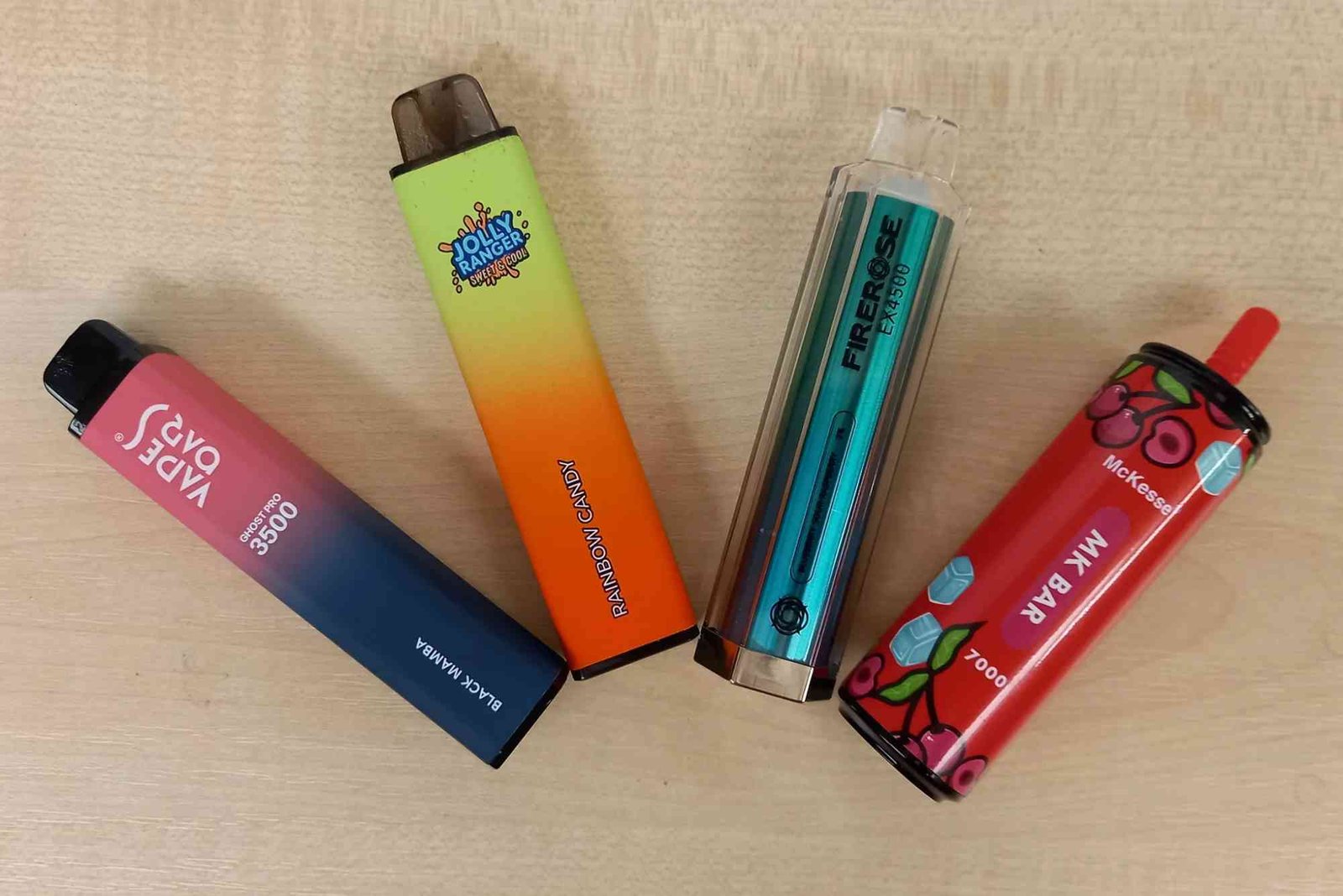
Smaller tanks have led to sleeker, more portable devices. In 2025, pod systems and disposable vapes dominate the market, offering convenience while adhering to legal restrictions. These designs cater to both new and experienced users.
Adjustable Nicotine Strengths
To compensate for smaller tanks, many brands now provide higher-nicotine e-liquids. This allows users to achieve satisfaction without refilling excessively. While this helps with cravings, it also raises concerns about stronger addiction risks.
Consumer Workarounds
Some vapers seek larger tanks from unregulated markets or modify devices illegally. These practices create health risks, as altered devices may lack safety testing, leak e-liquids, or deliver inconsistent nicotine levels. This black-market activity highlights the tension between regulation and consumer behavior.
How Vape Tank Capacity Law Affects Vaping Health in Daily Life
For individual users, these laws influence not only physical health but also lifestyle choices.
Moderation vs. Convenience
Smaller tanks promote moderation but reduce convenience. Frequent refills can feel tedious, especially for heavy users. Yet, this very inconvenience may serve as a subtle health benefit by limiting continuous vaping.
Cost Implications
Refilling more often can increase the perceived cost of vaping, especially with premium e-liquids. This financial barrier may reduce usage, indirectly benefiting health. However, some argue it unfairly burdens responsible vapers who already use vaping as a harm-reduction tool.
Social and Behavioral Effects
Public perception of vaping often links to visible usage. With smaller tanks, sessions are shorter, making vaping less socially disruptive. This contributes to reducing secondhand exposure risks in public spaces.
Future Outlook: Vape Tank Capacity and Health in 2025 and Beyond
As vaping becomes more mainstream, governments, health organizations, and manufacturers will continue shaping policies. In 2025, capacity laws are expected to evolve further as research deepens our understanding of vaping health.
Experts predict stricter enforcement in countries with growing youth vaping rates, while others may adopt flexible approaches to encourage smoking cessation. Ultimately, the effectiveness of tank capacity laws will depend on whether they balance harm reduction with consumer freedom.
(FAQs)
What is the vape tank capacity law?
The vape tank capacity law regulates how much e-liquid a vape device can hold, usually ranging from 2ml to larger unrestricted options.
Why does tank size affect health?
Tank size affects how much nicotine users can consume before refilling. Smaller tanks encourage moderation and reduce overconsumption risks.
Which countries have vape tank capacity restrictions?
The European Union enforces a 2ml limit, while Canada, Australia, and some Asian nations are moving toward stricter restrictions. The US has no universal limit.
Do smaller tanks make vaping safer?
They can reduce overuse and increase awareness, but safety also depends on nicotine strength, device quality, and user habits.
Can larger tanks lead to stronger addiction?
Yes, because larger tanks allow longer sessions without breaks, making it easier to consume higher amounts of nicotine unconsciously.
In 2025, the vape tank capacity law continues to shape how people vape, influencing both health outcomes and lifestyle habits. Smaller tanks may seem inconvenient, but they provide real health benefits by reducing overconsumption, encouraging mindfulness, and limiting addiction risks. Larger tanks offer convenience but may increase dependence and harm.
As governments refine regulations and manufacturers innovate, the balance between safety and freedom remains central to vaping’s future. For vapers, staying informed about tank capacity laws is not just about compliance—it’s about making healthier, more mindful choices.