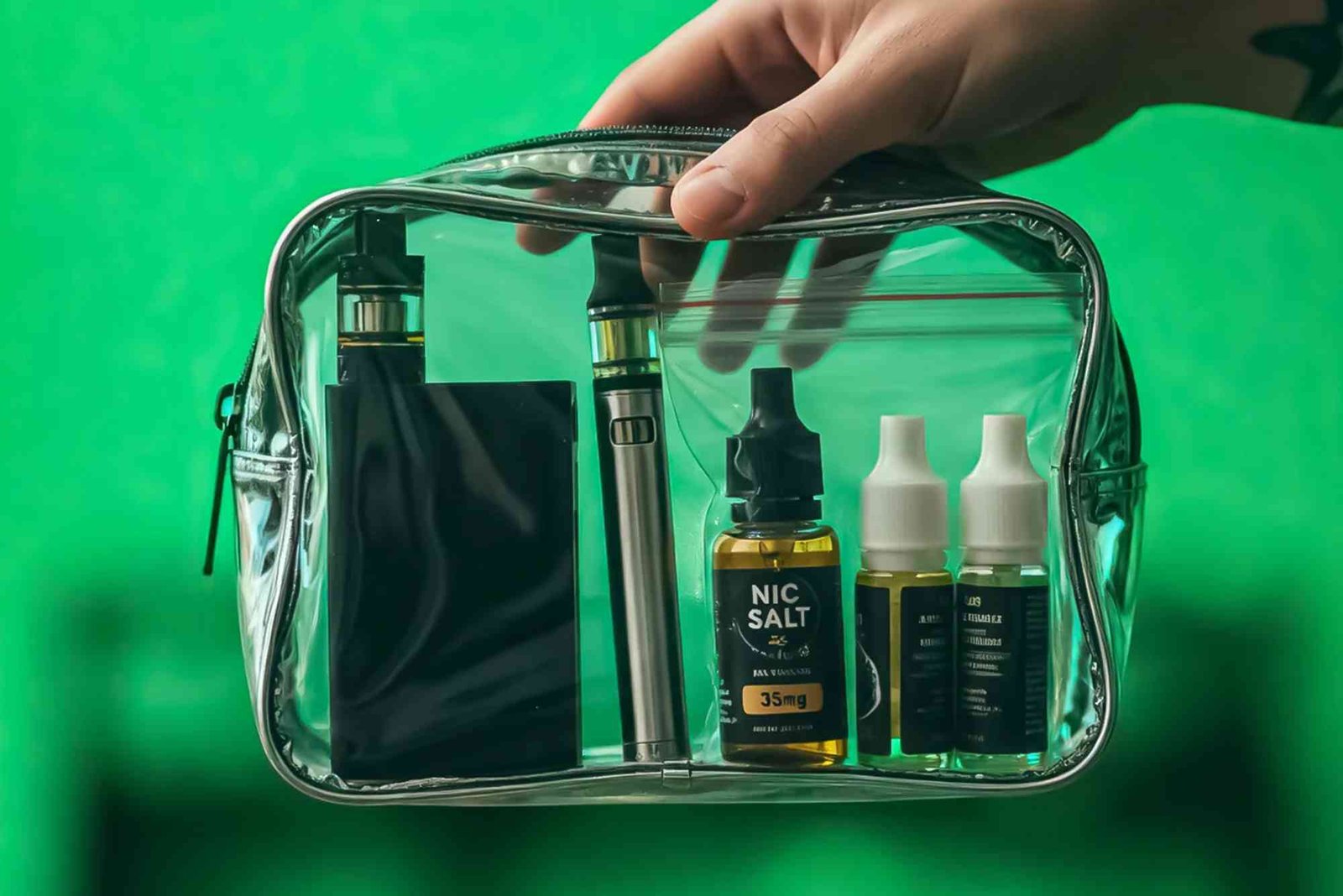
Introduction
Global regulations for vape juice transport have become increasingly important as the vaping industry continues expanding across international markets. Whether you are a manufacturer, distributor, wholesaler, or retailer, understanding how different countries regulate the movement of vape liquids is essential for avoiding customs delays, legal penalties, and shipment losses. Every destination has unique requirements covering packaging, labeling, nicotine concentration, hazardous material classifications, and import documentation.
International shipping is no longer simply about moving products from one country to another. Governments are strengthening public health regulations while customs authorities are increasing inspections on nicotine-containing products. Businesses that stay informed about global regulations for vape juice transport can reduce operational risks, maintain customer confidence, and ensure smooth international trade.
Why Global Regulations for Vape Juice Transport Matter
International vape commerce is governed by multiple layers of regulations rather than one universal standard. National governments establish their own rules while international transport organizations introduce additional safety requirements for handling liquids and products containing nicotine.
Compliance protects businesses from shipment seizures, expensive fines, delayed deliveries, and damaged commercial relationships. More importantly, following established regulations demonstrates professionalism and responsible business practices.
As global demand continues growing, customs authorities have become more attentive to vape products. Proper documentation and regulatory compliance significantly improve the chances of successful cross-border delivery.

Understanding International Vape Shipping Laws
Different Countries Apply Different Rules
One of the biggest challenges in global regulations for vape juice transport is that every country has different legal frameworks. Some nations allow nicotine vape juice with specific concentration limits, while others restrict flavored products or prohibit imports altogether.
Before exporting products, businesses should carefully review the destination country’s current legislation. Regulations frequently change, making regular compliance reviews essential for exporters operating internationally.
Import Licences and Product Registration
Several countries require vape products to be registered before importation. Manufacturers may need to submit laboratory testing reports, ingredient disclosures, safety certificates, and product specifications.
Importers often require government-issued licences before customs authorities will release shipments. Missing documentation may result in rejected cargo or extended storage fees at ports.
Packaging Requirements for International Transport
Leak-Proof Packaging Standards
Safe packaging remains one of the most important aspects of global regulations for vape juice transport. Because vape juice is classified as a liquid, shipments must be protected against leakage during handling, pressure changes, and long-distance transportation.
Professional exporters typically use tamper-evident bottles, leak-resistant caps, sealed packaging materials, and impact-resistant outer cartons designed specifically for liquid transportation.
Protective Shipping Materials
Packaging should minimize movement inside cartons while protecting bottles from breakage. Shock-absorbing materials help reduce product damage throughout international logistics networks.
Proper secondary containment also prevents leaks from affecting other cargo if accidental damage occurs during transit.
Labeling Requirements Across Global Markets
Labels play an essential role in regulatory compliance. Customs officers rely on accurate labeling to identify products, verify documentation, and determine applicable regulations.
Most countries require labels that clearly display:
Product Identification
The product name should accurately identify the vape liquid and distinguish nicotine-containing products from nicotine-free alternatives.
Nicotine Information
Where nicotine is present, concentration levels generally must be displayed according to local regulations. Some markets also require addiction warnings.
Ingredient Disclosure
Many jurisdictions require manufacturers to identify ingredients, batch numbers, production dates, expiry dates, and manufacturer information.
Accurate labeling reduces customs questions and helps prevent unnecessary shipment delays.
Customs Documentation Requirements
International shipping depends heavily on complete and accurate paperwork. Even compliant products may experience delays if documentation is incomplete.
Export documentation commonly includes commercial invoices, packing lists, certificates of origin, product descriptions, customs declarations, and shipping documents.
Authorities may also request laboratory reports confirming nicotine concentrations or ingredient safety depending on the destination country’s requirements.
Clear documentation improves customs efficiency while demonstrating regulatory compliance.
Transportation Methods and Compliance
Air Freight Regulations
Air transport involves strict safety requirements because pressure changes increase the importance of secure liquid packaging.
Airlines often follow international dangerous goods regulations where applicable, and shipments containing nicotine products may require additional declarations depending on classification.
Packaging integrity is carefully evaluated before acceptance for international air transport.
Sea Freight Requirements
Sea freight offers a cost-effective option for large commercial shipments. Although transit times are longer, proper moisture protection and secure packaging remain essential.
Container loading should prevent movement that could damage bottles during ocean transportation.
Road Transport Compliance
Road freight regulations vary between regions but generally focus on product security, documentation accuracy, and safe handling practices throughout transit.
Nicotine Concentration Regulations
Nicotine concentration represents one of the most regulated aspects of international vape trade.
Several countries limit maximum nicotine strength for consumer products. Others require special approvals for higher concentrations used in manufacturing or commercial purposes.
Exporters should never assume that products approved in one country automatically meet another country’s regulatory standards.
Understanding destination-specific nicotine regulations helps businesses avoid rejected imports and product recalls.
Age Verification and Consumer Protection
Many governments have introduced regulations extending beyond transportation itself.
Businesses involved in international vape distribution often must demonstrate responsible sales practices, including age verification procedures and compliance with consumer protection laws.
While these requirements primarily affect retail distribution, they also influence import licensing and customs approvals in certain markets.
Responsible compliance supports long-term market access.
Quality Assurance During International Shipping
Product quality can deteriorate if vape juice is exposed to excessive temperatures, sunlight, or prolonged storage.
Maintaining product stability throughout transportation protects customer satisfaction while supporting regulatory compliance.
Manufacturers should establish quality management systems that monitor production consistency, packaging performance, and shipping conditions.
Quality assurance documentation may also strengthen customs inspections by demonstrating manufacturing standards.
Environmental and Sustainability Considerations
Environmental regulations increasingly influence international logistics.
Many countries encourage recyclable packaging, waste reduction, and environmentally responsible transportation practices.
Businesses adopting sustainable packaging often strengthen both regulatory compliance and brand reputation.
Reducing unnecessary packaging materials while maintaining shipment protection benefits both operational efficiency and environmental responsibility.
How Businesses Can Stay Compliant
Global regulations for vape juice transport continue evolving as governments update public health policies and international trade requirements.
Successful exporters regularly monitor legal developments, review customs procedures, train logistics staff, and work with experienced freight partners familiar with vape industry regulations.
Maintaining accurate compliance records helps companies respond quickly during customs inspections while reducing operational risks.
Businesses should also establish internal compliance procedures covering packaging verification, documentation reviews, regulatory updates, and shipment audits before products leave the warehouse.
For businesses looking to better understand international liquid shipping practices, the DHL guide to shipping liquids internationally provides useful information about packaging considerations, documentation, and transportation requirements for liquid products.
The Future of Global Regulations for Vape Juice Transport
The international vape industry continues changing alongside evolving public health priorities and consumer expectations.
Future regulations are likely to place greater emphasis on product traceability, digital customs documentation, ingredient transparency, environmental sustainability, and standardized quality controls.
Technological improvements, including electronic customs systems and digital compliance platforms, will likely simplify international trade for companies that prioritize regulatory readiness.
Businesses investing in compliance today will be better positioned for future market expansion.
Global regulations for vape juice transport affect every stage of international trade, from manufacturing and packaging to customs clearance and final delivery. Success in international markets depends on understanding destination-specific laws, preparing accurate documentation, maintaining high-quality packaging standards, and continuously monitoring regulatory changes.
FAQs
What are the global regulations for vape juice transport?
Global regulations for vape juice transport include country-specific rules covering packaging, labeling, nicotine limits, customs documentation, import licences, and transportation safety requirements.
Can vape juice be shipped internationally?
Yes, vape juice can often be shipped internationally where permitted by local laws, but exporters must comply with the regulations of both the origin and destination countries.
Do all countries allow nicotine vape juice imports?
No. Some countries permit nicotine vape products under strict regulations, while others restrict or prohibit their import entirely.
Why do vape juice shipments get delayed at customs?
Common reasons include incomplete documentation, incorrect labeling, missing licences, inaccurate product descriptions, or non-compliance with destination regulations.
How should vape juice be packaged for international shipping?
Vape juice should be packed in leak-resistant containers with secure closures, protective cushioning, appropriate labeling, and packaging that complies with carrier and customs requirements.
What documents are usually required for international vape juice transport?
Requirements vary by country but commonly include commercial invoices, packing lists, customs declarations, certificates of origin where applicable, and supporting product documentation.
Looking for trusted vaping products and the latest industry insights? Visit TryVapex at tryvapex.com to explore a wide selection of premium vape devices, e-liquids, and accessories. Whether you’re new to vaping or an experienced user, TryVapex offers reliable products, helpful information, and a smooth shopping experience for every vaping enthusiast.
Related Reading: Double Brew Vape Juice UK flavours guide and buying tips — full guide
Related Reading: Vape Courier Partnerships Around the World — full guide
Related Reading: Vape Packaging Rules for Temperature Control — full guide