Are Cannabis Vapes Illegal as a Path to Safer Nicotine Use?
Introduction
Are cannabis vapes illegal as a Path to Safer Nicotine Use? This question has become increasingly important as vaping products gain attention. Cannabis vapes are different from traditional nicotine vaping devices. They contain cannabis extracts or cannabinoids, including THC and CBD.
However, their legal status depends on several factors. These include cannabis content, product classification, local regulations, and intended use. Some jurisdictions permit regulated medical cannabis products. Others maintain strict restrictions on cannabis possession and distribution.
Understanding whether cannabis vapes are illegal requires examining national controlled substances regulations. It also requires considering the difference between nicotine products and cannabis-based alternatives. Importantly, legality does not automatically mean safety.
Understanding Whether Cannabis Vapes Are Illegal
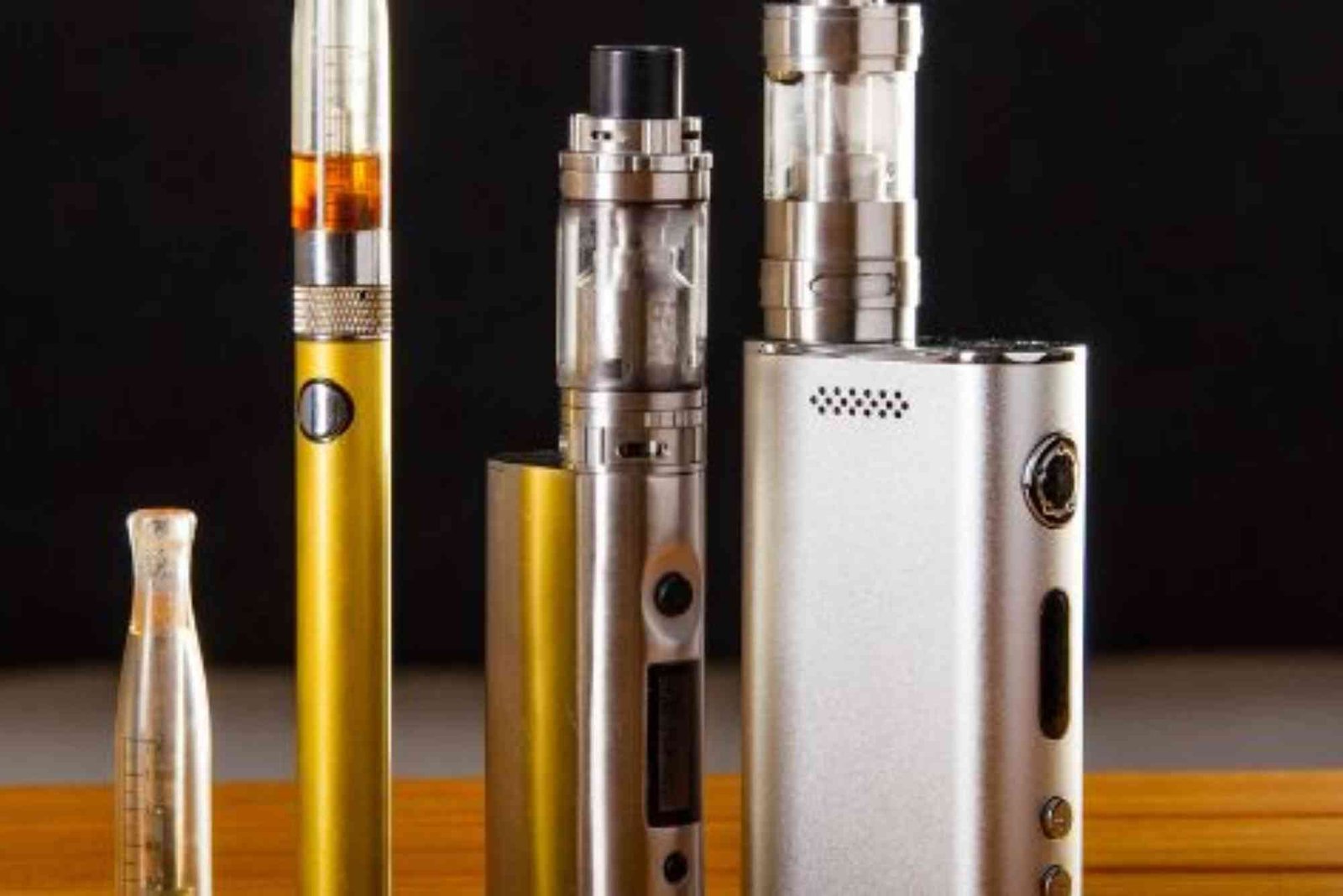
Cannabis vapes are electronic devices designed to heat cannabis extracts. They produce an aerosol containing cannabinoids for inhalation. Unlike traditional nicotine vapes, these products may contain THC or CBD.
THC is the primary intoxicating compound associated with cannabis. CBD is another cannabinoid that does not produce the same intoxicating effects.
Whether cannabis vapes are illegal depends largely on their ingredients and jurisdiction. Products containing controlled THC concentrations may face strict legal restrictions. However, certain regulated medical products receive different treatment.

Consumers should understand that a product’s availability does not guarantee its legality. Retailers and manufacturers must follow applicable cannabis regulations.
National Controlled Substances and DOJ Guidance on Cannabis Vapes
National controlled substances legislation plays an important role in determining cannabis vape legality. In the United States, the Controlled Substances Act establishes federal restrictions.
The Department of Justice (DOJ) and Drug Enforcement Administration (DEA) oversee important aspects of federal controlled substance enforcement.
In April 2026, the DOJ moved FDA-approved marijuana products and qualifying state-licensed medical marijuana products into Schedule III. However, this change did not legalize every cannabis product.
Recreational marijuana remains subject to Schedule I restrictions under the broader federal framework. Consequently, cannabis vape products do not automatically become federally legal because some medical products received rescheduling.
The legal classification depends on the product and applicable regulatory requirements.
Are Cannabis Vapes Illegal Under Federal and State Laws?
Federal and state regulations can create different legal outcomes. Several US states permit regulated recreational or medical cannabis markets. Nevertheless, federal restrictions remain relevant.
For example, a cannabis vape purchased legally under state regulations may still raise federal legal questions.
Medical cannabis programs also operate under specific licensing requirements. Consumers must follow their state’s purchasing, possession, and usage rules.
The following table explains important legal distinctions.
| Cannabis product category | General legal position in the United States |
|---|---|
| Recreational THC vape products | State laws vary; federal restrictions remain |
| Qualifying medical cannabis vape products | May qualify for Schedule III treatment under the 2026 DOJ order |
| FDA-approved cannabis medicines | Classified under Schedule III |
| Hemp-derived products | Depend on applicable hemp definitions and product regulations |
| Unlicensed cannabis vape products | May violate federal and state laws |
| CBD vape products | Depend on ingredients, hemp classification, and applicable regulations |
These distinctions demonstrate why consumers should examine product classifications carefully.
Cannabis Vapes and the Difference Between Nicotine Vaping
Cannabis vaping and nicotine vaping involve different substances. Although both products use electronic heating devices, their ingredients and effects differ.
Nicotine vapes deliver nicotine through inhaled aerosol. Cannabis vapes generally deliver cannabinoids, including THC or CBD.
Their regulations also differ. Nicotine products are subject to tobacco-related regulations. National controlled substances / DOJ guidance on cannabis vapes Cannabis products fall under separate controlled substance and cannabis licensing frameworks.
Therefore, cannabis vaping should not automatically be considered a safer nicotine alternative.
Nicotine itself carries addiction risks. Cannabis can also affect memory, attention, coordination, and judgment. THC-containing products may produce intoxication and unwanted psychological effects.
People considering alternatives to nicotine should consult qualified healthcare professionals. Evidence-based smoking cessation support offers more established approaches.
Why Cannabis Vape Regulations Matter for Consumer Safety
Regulations help establish standards for manufacturing, labeling, testing, and distribution. These safeguards are particularly important for inhaled products.
Unregulated cannabis vape cartridges may contain unidentified substances. Contamination and inaccurate ingredient labeling can create additional risks.
Consumers may also encounter products with misleading THC concentrations. Such inconsistencies make informed decisions difficult.
Regulated markets can introduce testing requirements and manufacturing oversight. However, regulatory approval does not eliminate every health risk.
Vaping aerosol can contain substances that irritate the respiratory system. Furthermore, the long-term effects of inhaling cannabis concentrates remain an important research concern.
Understanding product ingredients and regulatory requirements is therefore essential.
Can Cannabis Vapes Be Used as a Safer Nicotine Alternative?
Cannabis vapes should not be promoted as safer nicotine alternatives. Nicotine and cannabis affect the body differently. Replacing one substance with another does not necessarily reduce overall health risks.
For individuals trying to stop nicotine use, established cessation strategies deserve priority.
Healthcare professionals can recommend appropriate nicotine replacement therapies. These may include regulated patches, gum, and lozenges.
Behavioral counseling can also help people manage cravings. Combining professional support with suitable treatment can improve cessation outcomes.
Cannabis products have separate medical considerations. They should not be treated as general-purpose smoking cessation treatments.
Factors That Determine Whether Cannabis Vapes Are Illegal
Several factors influence the legal status of cannabis vape products.
The first consideration is THC content. Products containing controlled cannabis compounds may fall under specific legal restrictions.
The second consideration is product classification. Hemp-derived products and marijuana-derived products may receive different regulatory treatment.
Licensing is another important factor. Medical cannabis products may require authorized manufacturers and licensed distribution channels.
Location also matters. State and local governments establish different cannabis policies. Consequently, consumers must understand the regulations applicable to their location.
Finally, age restrictions and public consumption rules can affect lawful possession and use.
Frequently Asked Questions About Cannabis Vape Legality
Are Cannabis Vapes Illegal in the United States?
Cannabis vape legality depends on federal and state regulations. Recreational THC products remain subject to federal restrictions. Qualifying medical cannabis products received Schedule III treatment under the April 2026 DOJ order. State laws may permit additional activities.
Are THC Vapes Legal?
THC vape legality depends on the product’s classification and location. Some states permit regulated recreational or medical sales. However, recreational marijuana remains federally restricted. Consumers should check current local requirements.
Can You Travel With Cannabis Vapes?
Traveling with cannabis vapes can create legal complications. State authorization does not automatically permit transportation across state boundaries. Airports and federal transportation regulations may introduce additional restrictions. International travel presents further legal risks.
Are CBD Vapes Legal?
CBD vape legality depends on the ingredients and applicable regulations. Qualifying hemp-derived products may receive different treatment from marijuana-derived products. However, federal and state restrictions can still apply. Consumers should verify product classification before purchasing.
Are Cannabis Vapes Safer Than Smoking?
Cannabis vaping is not risk-free. It may expose users to respiratory irritants and potentially harmful substances. Product contamination can introduce additional dangers. Current evidence does not establish cannabis vaping as a completely safe alternative to smoking.
Tryvapex.com is an online platform that offers users an informative browsing experience for vape-related products and updates. It provides easy navigation, guides, and product insights to help customers make informed choices. The website focuses on quality, convenience, and customer satisfaction, making it a reliable destination for vape enthusiasts seeking trusted information and solutions online.
Conclusion
Are cannabis vapes illegal as a Path to Safer Nicotine Use? The answer depends on the product, its ingredients, and applicable legislation.
Federal regulations, state cannabis programs, and controlled substance classifications all influence legality. Recent DOJ changes have expanded Schedule III treatment for qualifying medical cannabis products. However, these changes have not legalized every recreational cannabis vape.
Consumers should distinguish cannabis products from nicotine alternatives. They should also prioritize accurate product information and applicable legal requirements.
Take the Next Step: Stay informed about cannabis regulations, understand the risks of inhaled products, and consult qualified healthcare professionals before making decisions about nicotine cessation or cannabis use.