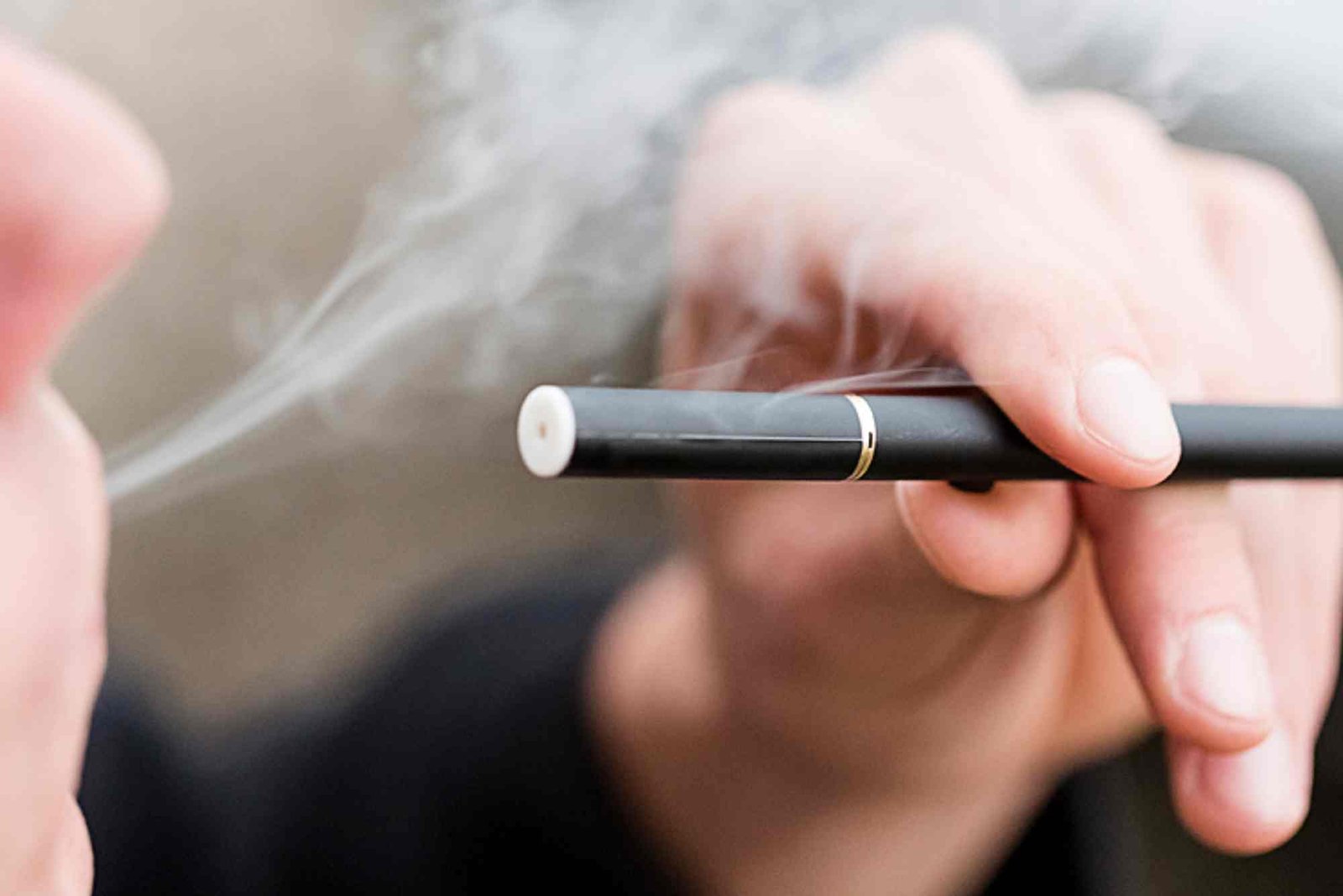
Joe Biden Vape Law as a Path to Safer Nicotine Use
Meta Title: Joe Biden Vape Law: Safer Nicotine Use
Meta Description: Explore how Joe Biden’s vape laws shaped nicotine regulation, vaping safety, FDA oversight, and public health in America.
Introduction
The Joe Biden vape law as a Path to Safer Nicotine Use became an important topic in America’s public health debate. During Joe Biden’s presidency, vaping regulations received considerable attention. His administration focused on nicotine products, youth protection, and stronger tobacco oversight.
Vaping became increasingly popular among adults and younger consumers. Consequently, federal authorities faced growing pressure to address product safety. They also needed to prevent underage access and control misleading marketing.
The Biden administration continued several existing tobacco-control policies. It also supported stronger regulatory oversight through the Food and Drug Administration (FDA). These measures influenced how manufacturers developed, marketed, and sold vaping products.
Understanding these policies requires examining their purpose and limitations. Regulations can improve accountability, but they do not automatically make vaping safe.

Understanding Joe Biden Vape Law and Its Purpose
The term Joe Biden vape law describes several federal regulatory measures associated with tobacco and nicotine products during Biden’s presidency. It does not refer to one single law banning every vaping device.
Instead, the administration operated within an existing federal framework. This framework included the Family Smoking Prevention and Tobacco Control Act and subsequent legislation.
The FDA played a central role in implementing these requirements. Its responsibilities included reviewing tobacco products, enforcing marketing restrictions, and protecting public health.
The main policy objective involved reducing tobacco-related harm. Regulators also wanted to prevent nicotine addiction among young people.
How Biden-Era Regulations Changed the Vape Industry
Federal vaping regulations influenced manufacturers, retailers, and consumers. Companies faced greater pressure to demonstrate regulatory compliance.
The FDA’s premarket tobacco product application process became particularly important. Manufacturers generally needed authorization before legally marketing covered new tobacco products.
FDA Oversight and Product Authorization
The FDA evaluates applications using public health standards. Its assessment considers potential benefits and risks for the population.
These considerations include the likelihood of youth initiation. They also include possible effects on adult tobacco users.
A product’s popularity does not automatically establish its legal authorization. Similarly, a manufacturer’s safety claims do not replace FDA review.
Restrictions on Unauthorized Vape Products
The FDA took enforcement action against companies marketing unauthorized vaping products. These actions included warning letters and other regulatory measures.
Such enforcement aimed to discourage unlawful sales. It also encouraged manufacturers to follow established requirements.
The 2022 Synthetic Nicotine Law and Its Impact
One significant development occurred on March 15, 2022. President Biden signed the Consolidated Appropriations Act, 2022, which expanded FDA authority.
The legislation clarified that federal tobacco regulations covered nicotine from any source. This included synthetic nicotine previously used by some manufacturers to avoid tobacco-based regulatory requirements.
The new provision became effective on April 14, 2022. Manufacturers selling affected products needed to submit premarket applications and obtain FDA authorization.
This change strengthened federal oversight across the vaping industry. It also reduced opportunities to avoid regulation through alternative nicotine sources.
Joe Biden Vape Law and Youth Protection
Protecting young people remained a major concern during Biden’s presidency. Nicotine exposure can create addiction risks during adolescence.
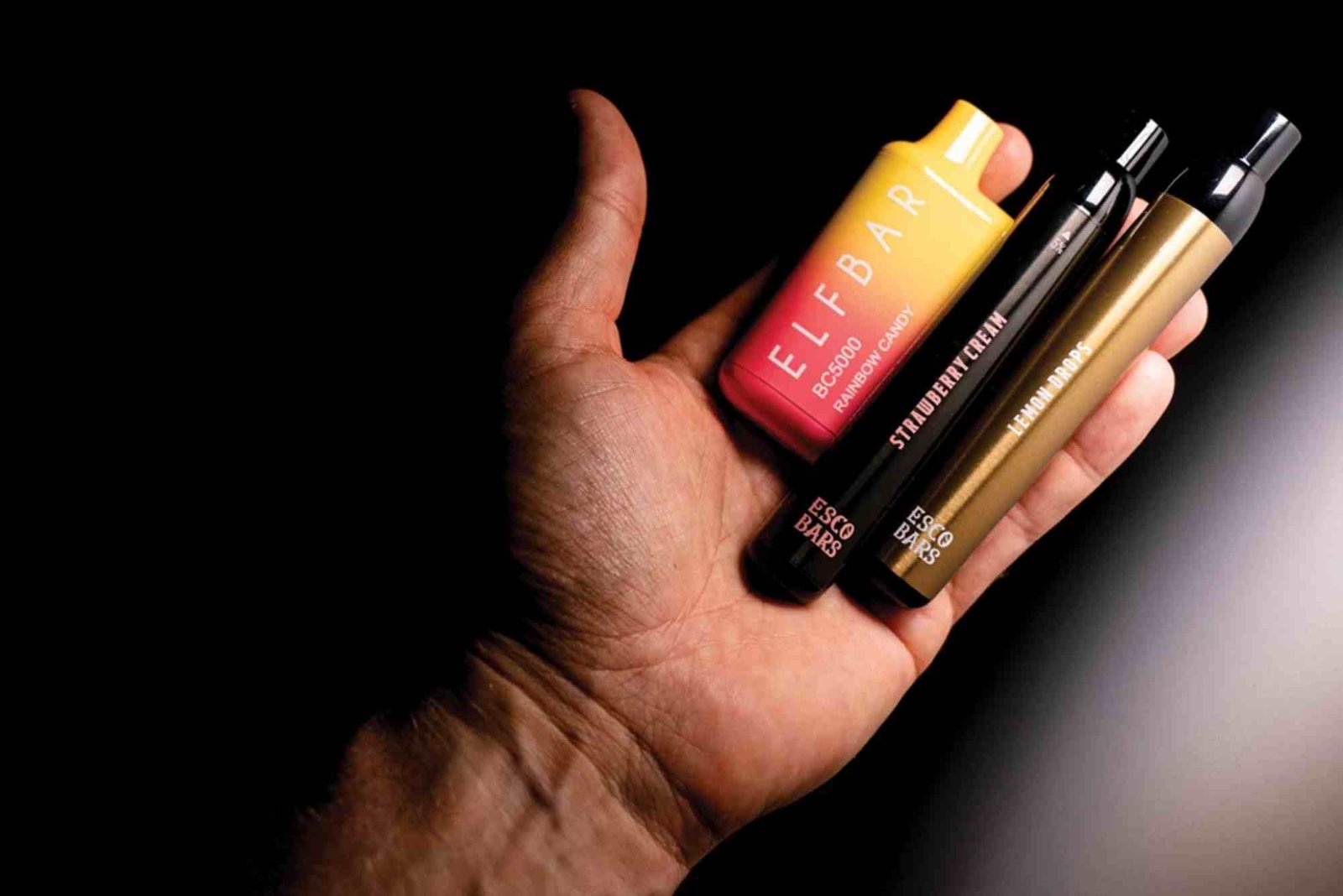
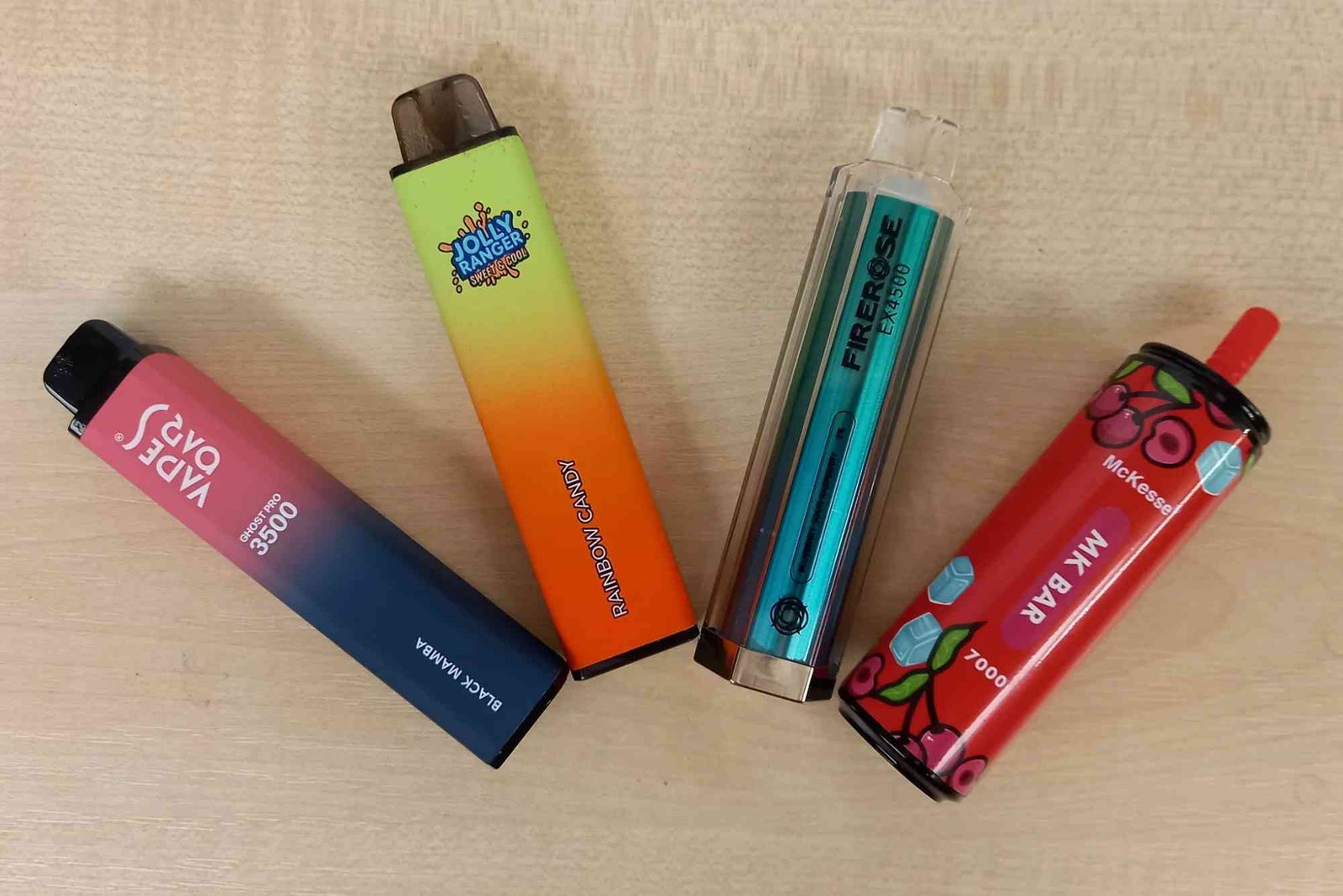
The FDA continued targeting unauthorized products with youth-oriented marketing. White House — administration policy announcements Flavoured disposable devices received particular attention from enforcement authorities.
In April 2024, the FDA and Department of Justice announced a seizure. Authorities removed more than 45,000 unauthorized e-cigarettes from a California warehouse.
Why Youth Access Became a Priority
Young consumers can encounter vaping products through social media and online retailers. Attractive packaging and sweet flavours may increase their appeal.
Federal regulators therefore emphasized responsible marketing and age restrictions. Retailers also faced obligations concerning legal sales and product distribution.
How Vape Regulations Affect Manufacturers and Consumers
The Joe Biden vape law framework created important responsibilities for manufacturers. Businesses needed to understand federal requirements before introducing products.
Consumers also needed better information about product authorization. A product being available in a shop does not necessarily mean the FDA authorized it.
|
Regulatory development |
Main purpose |
Consumer impact |
|---|---|---|
|
2022 synthetic nicotine legislation |
Expanded FDA authority |
More nicotine products entered federal oversight |
|
Premarket authorization |
Evaluate new tobacco products |
Improved regulatory accountability |
|
Youth protection enforcement |
Address unlawful youth-oriented sales |
Stronger action against unauthorized products |
|
Online sales restrictions |
Reduce unlawful remote sales |
Additional retailer responsibilities |
|
Federal seizures |
Remove unauthorized products |
Greater enforcement against illegal distribution |
These measures demonstrate how federal oversight developed during Biden’s presidency. However, authorization should not be confused with proof of complete safety.
Can Joe Biden Vape Law Make Nicotine Use Safer?
The Joe Biden vape law approach aimed to strengthen regulation rather than declare vaping harmless. This distinction matters when discussing nicotine alternatives.
Traditional cigarettes produce harmful chemicals through tobacco combustion. E-cigarettes generally heat liquid instead of burning tobacco.
Nevertheless, vaping can expose users to nicotine and other potentially harmful substances. Its long-term health effects also require continued research.
For adults who smoke, completely switching away from combustible cigarettes may reduce exposure to certain harmful chemicals. However, using both cigarettes and vapes may not provide the same potential benefit.
People who do not smoke should avoid starting vaping. Young people and pregnant individuals should particularly avoid nicotine products.
The Role of the White House in Tobacco Policy
The White House provided executive leadership during Biden’s presidency. Federal agencies, particularly the FDA, implemented relevant regulatory responsibilities.
Policy announcements and administrative decisions helped communicate the government’s public health priorities. However, Congress enacted important statutory changes, including the 2022 synthetic nicotine provision.
The White House did not independently create every vaping restriction. Understanding the distinction between congressional legislation and agency enforcement prevents confusion.
The administration’s approach involved stronger oversight, youth protection, and enforcement against unauthorized products.
Challenges Facing the Joe Biden Vape Law
Despite regulatory progress, implementing vaping policies remained challenging. The industry continued introducing new devices and nicotine formulations.
Unauthorized imports also created enforcement difficulties. Online sellers could reach consumers across different jurisdictions.
Another challenge involved balancing adult access with youth protection. Some adults viewed vaping as an alternative to traditional cigarettes. Meanwhile, regulators remained concerned about nicotine addiction and unapproved products.
Effective policies require consistent enforcement and reliable scientific evidence. They also need clear communication between regulators, manufacturers, retailers, and consumers.
What the Future of Vape Regulation Means for Nicotine Users
The policies introduced or implemented during Biden’s presidency influenced subsequent discussions about vaping regulation. Their effects extended beyond his administration.
Future regulatory decisions will continue shaping product availability and industry responsibilities. Scientific research will also influence decisions about nicotine exposure and public health.
Consumers should understand that FDA authorization does not mean a vaping product is risk-free. They should also distinguish between legally marketed products and unauthorized alternatives.
Frequently Asked Questions About Joe Biden Vape Law
Did Joe Biden ban vaping in the United States?
No. Biden did not introduce a nationwide ban on all vaping products. His administration supported federal oversight through existing tobacco laws and strengthened FDA authority over nicotine products.
What did Biden’s 2022 vape law change?
The 2022 legislation expanded FDA authority to cover products containing nicotine from any source. This included synthetic nicotine. Manufacturers therefore faced federal application and authorization requirements.
Are flavored vapes illegal in America?
Not every flavoured vape is automatically illegal. However, products generally require FDA marketing authorization. Selling unauthorized products can violate federal law.
Does the FDA approve all vape products?
No. The FDA does not approve every vaping product available in stores. Manufacturers generally need marketing authorization before legally selling new tobacco products.
Can adults legally buy vaping products in the United States?
Adults aged 21 and older can purchase legally marketed tobacco products under applicable federal requirements. State and local restrictions may impose additional limitations.
Is vaping safer than traditional smoking?
Vaping generally exposes users to fewer harmful chemicals than combustible cigarettes. However, it is not harmless. Nicotine addiction and other health risks remain important concerns.
Tryvapex.com is an online platform that offers users an informative browsing experience for vape-related products and updates. It provides easy navigation, guides, and product insights to help customers make informed choices. The website focuses on quality, convenience, and customer satisfaction, making it a reliable destination for vape enthusiasts seeking trusted information and solutions online.
Conclusion
The Joe Biden vape law as a Path to Safer Nicotine Use represents an important chapter in American tobacco regulation. The administration strengthened federal oversight and addressed regulatory gaps involving synthetic nicotine.
Its policies also emphasized youth protection and enforcement against unauthorized vaping products. Nevertheless, regulation cannot eliminate every health risk associated with nicotine.
Consumers should understand product authorization and make informed decisions. Manufacturers must also prioritize transparency and regulatory compliance.
Take Action: Stay informed about FDA regulations and responsible nicotine policies. If you currently use nicotine, consider discussing evidence-based quitting options with a qualified healthcare professional. Better awareness and informed decisions can support a healthier future.