Introduction
The vaping industry has changed significantly as governments introduce stricter regulations. In the United States, the Food and Drug Administration (FDA) plays an important role in regulating electronic nicotine delivery systems (ENDS). However, many consumers misunderstand what FDA authorization actually means. Some believe that every vape available in American stores has received government approval. Others assume that FDA-authorized products are completely safe.
Understanding the difference is essential when discussing Truth vs Myth: Vapes that are FDA approved in the Vaping World. The FDA does not technically approve vaping products as safe consumer products. Instead, it evaluates applications and issues marketing orders for specific tobacco products that meet applicable public health requirements.
This distinction helps consumers understand the legal vaping market. It also helps retailers and manufacturers avoid misleading advertising. By examining official FDA information, we can separate popular assumptions from regulatory facts.
Understanding FDA Authorization in the Vaping Industry
The FDA regulates tobacco products under the Family Smoking Prevention and Tobacco Control Act. Its responsibilities include reviewing applications, monitoring manufacturing practices, and enforcing federal tobacco regulations.
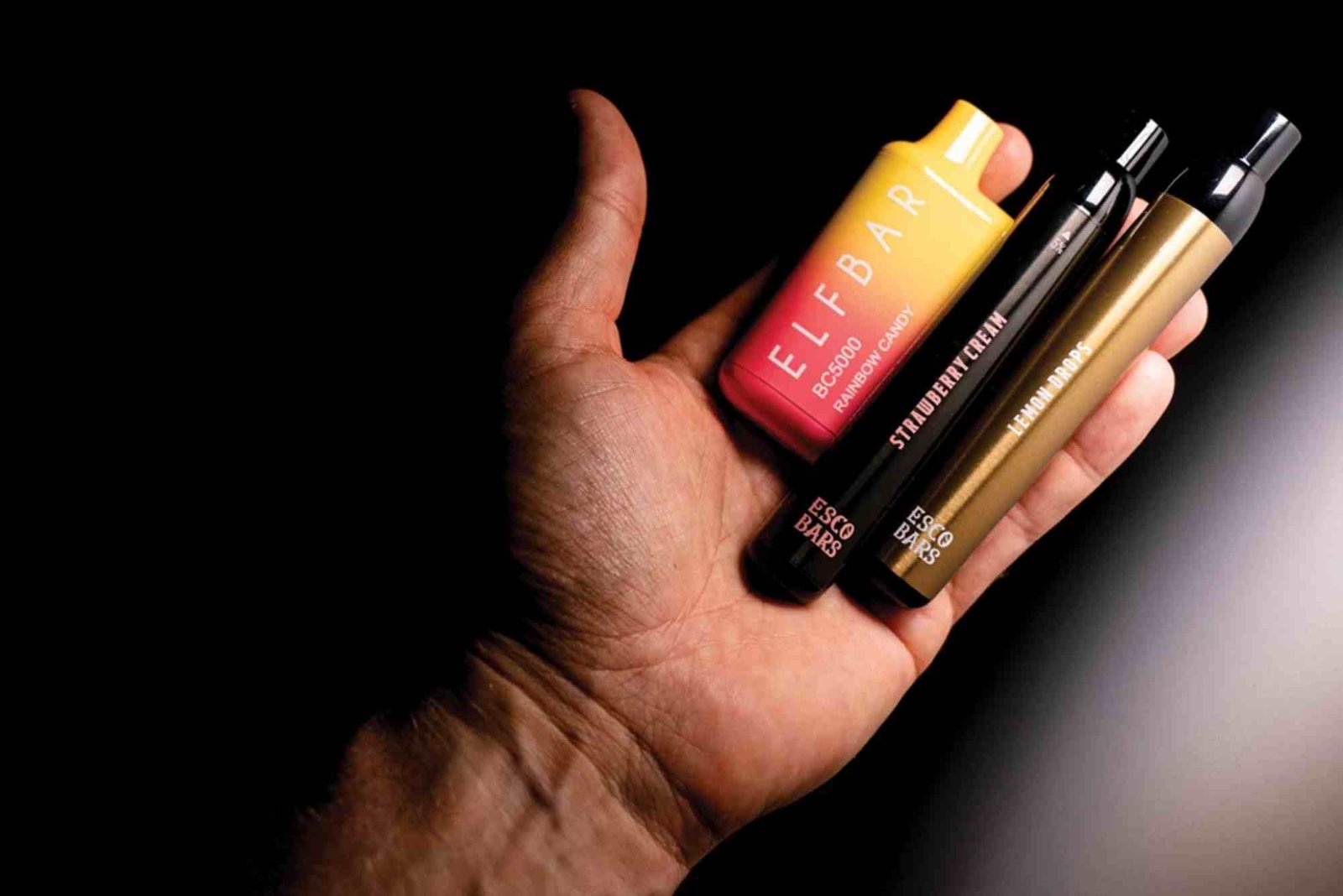
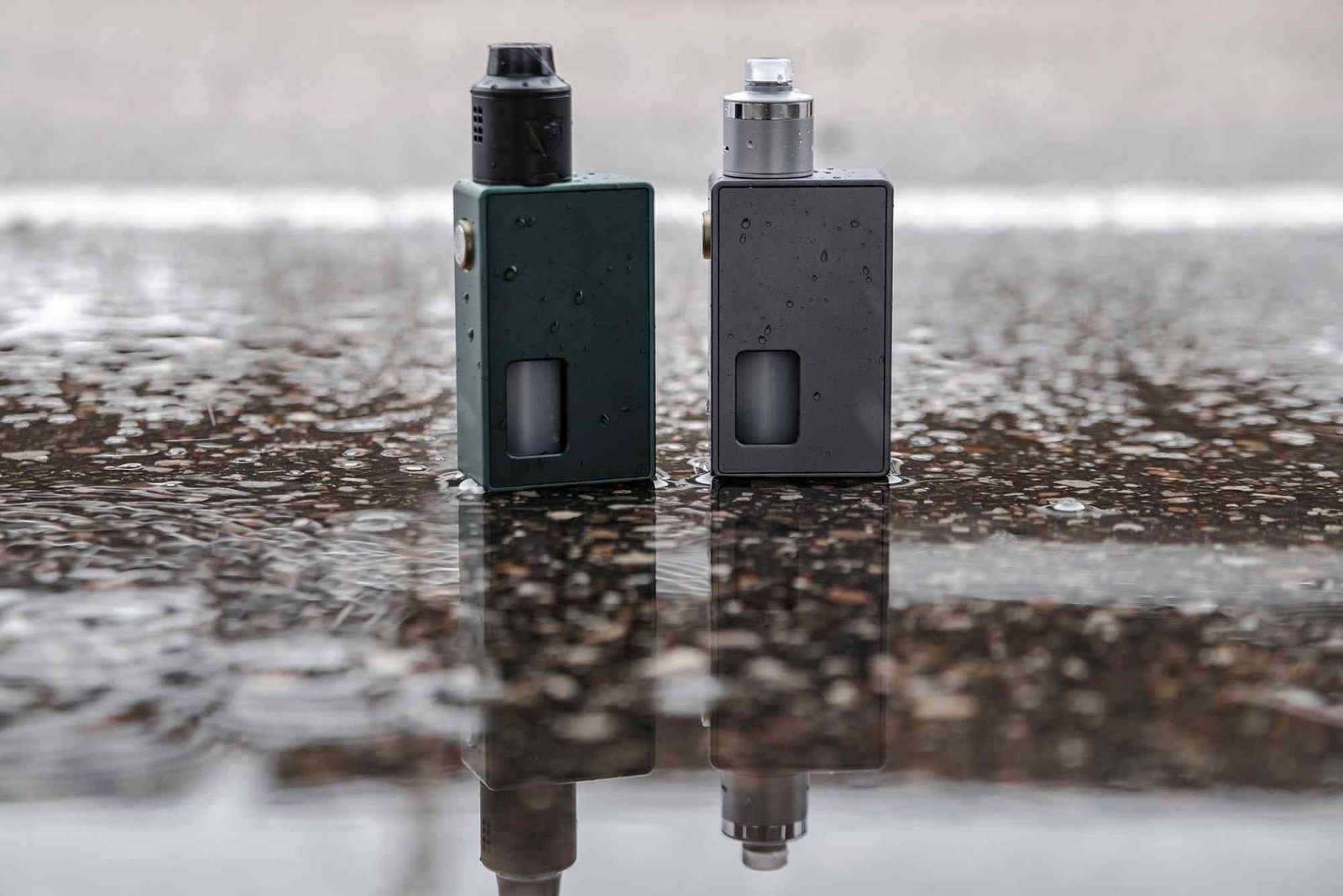
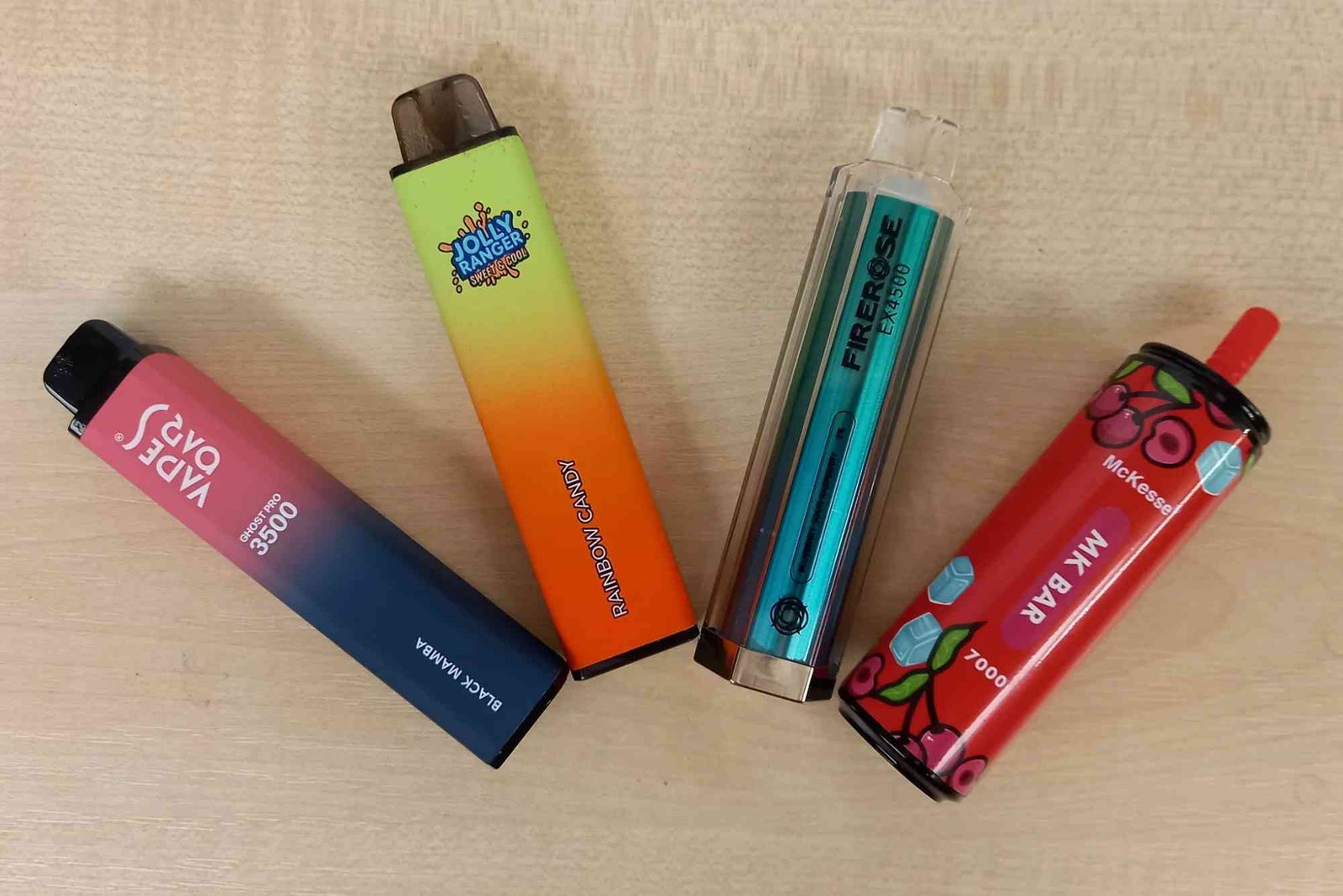
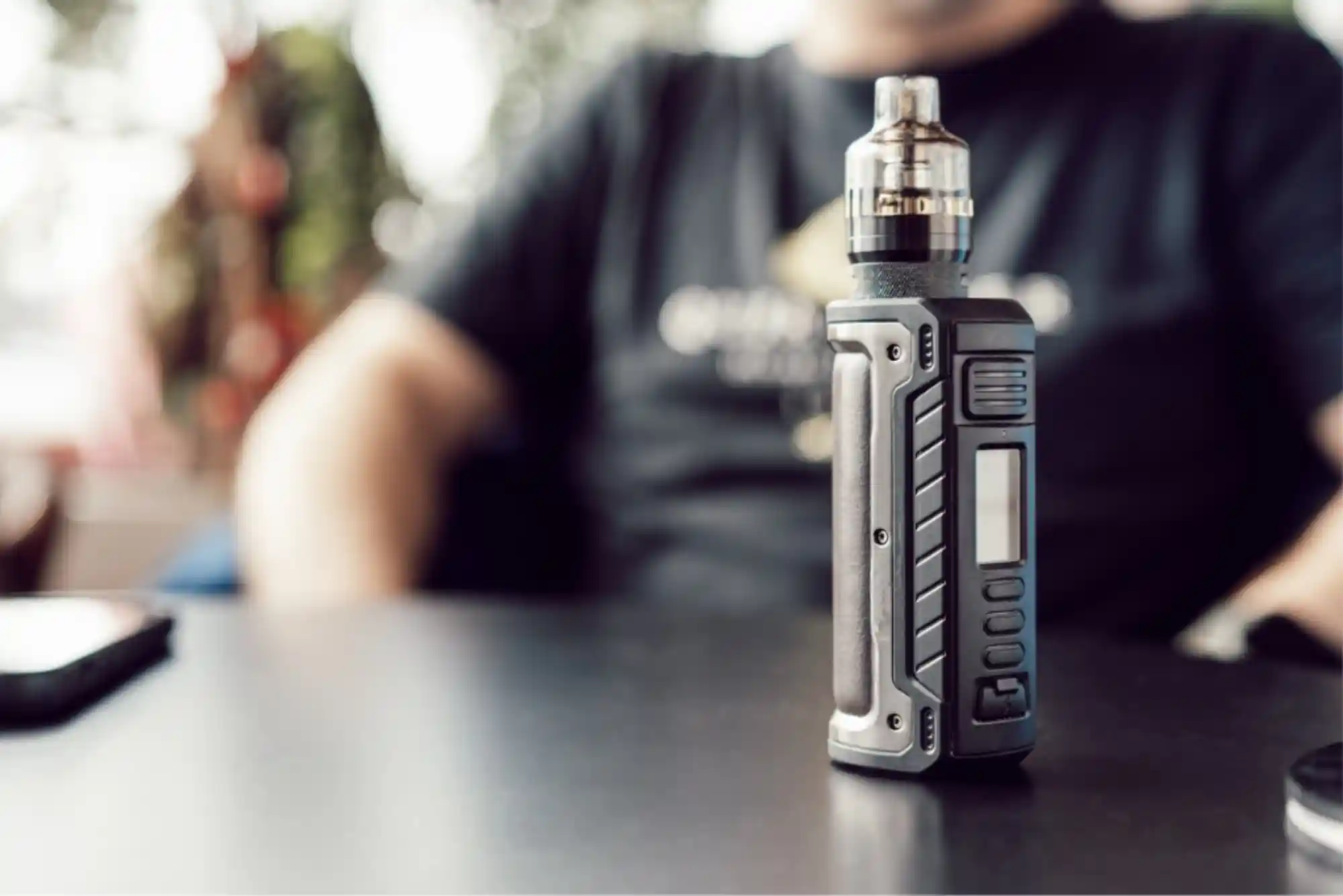
Electronic cigarettes fall under the category of electronic nicotine delivery systems. These products generally include rechargeable vape devices, disposable electronic cigarettes, cartridges, and nicotine-containing e-liquids.
Before a new tobacco product can legally enter the United States market, manufacturers generally need an appropriate FDA marketing authorization. The premarket tobacco product application (PMTA) pathway is particularly important for electronic cigarettes.

During this process, manufacturers provide scientific information about their products. The FDA examines product ingredients, manufacturing processes, toxicological information, and potential public health effects.
Importantly, authorization does not mean a product is harmless. It means the FDA has determined that permitting its marketing meets the applicable public health standard.
Truth vs Myth: Vapes That Are FDA Approved in the Vaping World
The phrase FDA-approved vapes is frequently used in online discussions. However, this terminology creates confusion because FDA authorization and FDA approval are not interchangeable.
The agency does not approve tobacco products using the same safety and effectiveness standards applied to medicines. Instead, it issues marketing granted orders for specific tobacco products.
Myth: Every Vape Sold in the United States Is FDA Authorized
This is one of the biggest misconceptions surrounding the vaping industry.
Many consumers assume that products displayed in established vape shops have already passed federal regulatory requirements. However, retail availability does not automatically establish legal authorization.
The FDA maintains an official list of authorized electronic cigarettes. According to its updated information, only 48 e-cigarette products have received authorization as of November 2026.
Products not covered by an applicable marketing authorization cannot legally be marketed in the United States. Manufacturers and retailers must therefore verify the regulatory status of individual products.
Truth: FDA Authorization Applies to Specific Products
Another important fact concerns product variations.
An authorization applies to the specific products identified in the FDA’s marketing order. It does not automatically cover every product manufactured by the same company.
For example, authorization for a particular device or nicotine pod does not mean that every flavor, strength, or replacement cartridge from that manufacturer is authorized.
This distinction matters because vaping companies frequently introduce new product variations. Consumers should check the exact product name rather than relying exclusively on a familiar brand.
Which Vapes Have Received FDA Marketing Authorization?
The FDA maintains an updated directory of electronic cigarettes that have received marketing granted orders.
The authorized manufacturers include Glas Inc., JUUL Labs Inc., Logic Technology Development LLC, NJOY LLC, and R.J. Reynolds Vapor Company.
These manufacturers have received authorization for particular devices, cartridges, pods, or nicotine products. Their inclusion does not mean that every product in their catalogs has received authorization.
For example, certain Vuse tobacco-flavored pods and accompanying devices have received marketing authorization. Similarly, specific NJOY ACE products and selected JUUL products appear in the authorized product database.
In May 2026, the FDA also authorized four Glas electronic nicotine delivery products. These included Classic Menthol, Fresh Menthol, Gold, and Sapphire pods.
In August 2026, the agency authorized additional JUUL2 products. These developments demonstrate that the authorized product landscape can change over time.
Consumers and retailers should consult the official U.S. FDA — list of authorised nicotine products & marketing orders before making assumptions about a product’s legal status.
The searchable database provides a more reliable reference than advertisements, social media claims, or unofficial product lists.
Why FDA Marketing Orders Matter
FDA marketing orders serve an important regulatory purpose. They establish whether a particular new tobacco product can legally be marketed in the United States.
The review process considers potential benefits and risks across the population. This includes existing adult tobacco users, young people, and individuals who do not currently use tobacco.
Manufacturers must provide information supporting their applications. The agency examines scientific evidence to determine whether permitting the product’s marketing would be appropriate for public health.
However, authorization is not permanent immunity from regulatory oversight. The FDA can take additional action if circumstances change or new evidence raises concerns.
Consequently, manufacturers must continue complying with applicable federal requirements.
Common Myths About FDA-Authorized Vaping Products
Myth: FDA-Authorized Vapes Are Completely Safe
This statement is incorrect. Nicotine is addictive, and tobacco products carry health risks.
FDA authorization does not remove these risks. It also does not establish that vaping is harmless for adults, teenagers, or people who have never used tobacco.
The agency specifically warns consumers that there is no safe tobacco product. Therefore, individuals who do not currently use tobacco should not begin vaping.
Myth: FDA Authorization Means a Vape Is a Smoking Cessation Medicine
Another common misunderstanding involves smoking cessation.
An FDA marketing order for an electronic cigarette does not automatically authorize it as a smoking cessation treatment. Tobacco product authorization and medical product approval involve different regulatory pathways.
Consumers seeking help quitting smoking should consult qualified healthcare professionals about established cessation treatments.
Truth: Unauthorized Products Can Face Enforcement
Products marketed without the required authorization can violate federal tobacco laws.
The FDA monitors manufacturers, importers, distributors, and retailers. Its enforcement activities include warning letters, inspections, product seizures, and other appropriate regulatory actions.
The agency also focuses on unauthorized electronic cigarettes that appeal to young people.
This makes regulatory compliance particularly important for businesses operating within the American vaping market.
How Consumers Can Verify an FDA-Authorized Vape
Checking a product’s regulatory status requires more than examining its packaging.
Consumers should first identify the exact manufacturer and product name. They should then compare those details with the FDA’s official authorized e-cigarette information.
The FDA’s searchable tobacco products database provides additional regulatory information. It is particularly useful when checking whether a specific product has received a marketing granted order.
Retailers should also maintain accurate supplier documentation. This helps businesses identify unauthorized products and reduce potential compliance problems.
Furthermore, consumers should be cautious about websites advertising products as FDA certified or completely FDA approved. Such expressions can create misleading impressions.
The most reliable approach is to verify the exact product through official government information.
The Future of FDA Regulations in the Vaping World
The vaping industry continues to evolve through technological development and changing consumer preferences. New devices, nicotine formulations, and product designs create additional regulatory challenges.
The FDA is likely to remain an important influence on the American vaping market. Its decisions affect manufacturers, distributors, retailers, and consumers.
Companies seeking to introduce new products must understand federal requirements before marketing them. They also need to monitor regulatory updates and ensure their advertising follows applicable restrictions.
Meanwhile, consumers benefit from understanding how authorization works. Accurate information makes it easier to distinguish legitimate regulatory claims from promotional language.
As the industry develops, transparency and compliance will remain important considerations.
Understanding the Truth Behind FDA-Authorized Vapes
The discussion surrounding Truth vs Myth: Vapes that are FDA approved in the Vaping World highlights an important distinction. FDA authorization allows specific tobacco products to be legally marketed under applicable federal requirements. However, it does not mean those products are completely safe or medically approved.
Explore Washington Vape Laws 2021 in the Vaping World to understand the regulations, age restrictions, sales requirements, and legal responsibilities surrounding vaping products. Knowing these rules helps readers stay informed about Washington’s vaping policies and understand how state laws have shaped the vaping industry.
Frequently Asked Questions
Are any vapes FDA approved?
The FDA does not technically approve vaping products as safe. However, it has issued marketing granted orders for specific electronic cigarettes that meet applicable public health requirements.
How can I check whether a vape is FDA authorized?
Visit the FDA’s official searchable tobacco products database. Search using the exact manufacturer and product name to verify its authorization status.
Does FDA authorization mean vaping is safe?
No. FDA authorization does not mean a vaping product is harmless. Nicotine is addictive, and tobacco products carry health risks.
Can unauthorized vapes be sold in the United States?
New tobacco products generally require FDA marketing authorization before they can legally be marketed in the United States. Unauthorized products may face enforcement action.
Does FDA authorization apply to every flavor from a manufacturer?
No. Authorization applies to specific products identified in the marketing order. Other flavors, nicotine strengths, and devices require their own applicable authorization.
Explore the vaping world with TryVapex, your online destination for informative vaping guides, industry insights, and the latest trends. Whether you want to understand vaping products, discover useful tips, or stay updated on developments in the vaping industry, TryVapex provides engaging content to help you stay informed. Visit the website to explore more and discover valuable information about the evolving vaping landscape.