Introduction
The vaping industry has experienced significant changes because of evolving regulations and public health concerns. Washington State introduced several important policies to regulate vapor products and protect consumers. These rules affected retailers, manufacturers, distributors, and adult vaping consumers.
Truth vs Myth: Washington vape laws 2021 in the Vaping World remains an interesting subject for understanding the state’s regulatory history. Many people misunderstand what Washington actually permitted during this period. Some believe the state completely prohibited vaping, while others assume every product was freely available.
However, the reality was more complicated. Washington maintained specific requirements involving purchasing ages, product taxation, retail licensing, packaging, and vaping locations. Understanding these rules helps explain how the state’s vaping market operated in 2021.
The Washington State Department of Health also played an important role in public education. Its resources helped residents understand tobacco prevention, nicotine risks, and youth vaping concerns. This article explores the major facts behind Washington’s vaping regulations while separating common myths from established requirements.
Understanding Washington Vape Laws 2021 in the Vaping World
Washington developed its vapor product regulations to address public health concerns and prevent underage access. One important legislative development was Chapter 70.345 of the Revised Code of Washington. This legislation established requirements for vapor product businesses and distributors.
By 2021, these regulations had become an important part of the state’s vaping industry. They covered qualifying electronic cigarettes, vape pens, cartridges, and other vapor products.

The legal definition of vapor products was particularly important. Certain requirements applied even when products did not contain nicotine. Therefore, consumers and retailers needed to understand product classifications before making purchasing or business decisions.
Myth: People Could Purchase Vape Products at 18
One common misconception involved Washington’s legal purchasing age. Some consumers believed that anyone aged 18 could legally purchase electronic cigarettes. However, this assumption was outdated by 2021.
Truth: Washington Required Buyers to Be at Least 21
Washington implemented its Tobacco and Vapor 21 law on January 1, 2020. The legislation increased the minimum purchasing age for tobacco and vapor products.
Consequently, retailers could not legally sell qualifying products to individuals under 21. This requirement remained applicable throughout 2021.
The policy aimed to reduce youth access to nicotine products. It also addressed concerns about nicotine dependence among teenagers and young adults.
Retailers needed to verify customers’ ages before completing sales. Selling products to underage individuals could result in legal consequences.
Myth: Nicotine-Free Vapes Were Completely Exempt
Another misunderstanding suggested that Washington regulated only products containing nicotine. However, the state’s legal framework covered a broader category of vapor products.
Truth: Certain Nicotine-Free Products Also Faced Regulations
Washington’s vapor product definitions included qualifying electronic devices and related components. Some products remained regulated regardless of their nicotine content.
This distinction mattered because consumers frequently associated vaping regulations exclusively with nicotine. However, legal classification could depend on the product’s intended function and design.
Retailers therefore needed to understand the applicable requirements before offering different products. This approach also helped authorities maintain consistent oversight of the vapor product market.
Myth: Washington Completely Banned Vaping in 2021
Some online discussions suggested that Washington introduced a complete statewide vaping prohibition. This misunderstanding confused location-based restrictions with an overall ban.
Truth: Adults Could Legally Purchase and Use Vape Products Under Applicable Rules
Washington did not introduce a complete statewide vaping prohibition in 2021. Adults aged 21 and older could legally purchase qualifying vapor products.
However, restrictions applied in certain public locations. Washington prohibited vaping in schools, childcare facilities, school buses, and elevators.
The state also established restrictions around school and childcare property. Additional local regulations could impose further limitations on indoor vaping.
Therefore, consumers needed to understand both statewide requirements and local rules. Legal purchasing did not mean unrestricted vaping everywhere.
Washington Vape Taxes and Their Impact on Consumers
Taxes represented another important aspect of Washington vape laws 2021 in the Vaping World. Many consumers believed electronic cigarettes avoided special tobacco-related taxation. However, Washington had already introduced a dedicated vapor products tax.
Understanding the 2019 Vapor Products Tax
Washington’s vapor products tax became effective on October 1, 2019. It remained applicable throughout 2021.
The tax depended on the product’s container type and liquid volume. Accessible containers holding more than five milliliters generally faced a tax of nine cents per milliliter.
Other qualifying vapor products generally faced a rate of 27 cents per milliliter.
These taxes influenced retail pricing and business expenses. Retailers also needed to understand their tax reporting and payment responsibilities.
The taxation framework covered qualifying products without nicotine as well. Therefore, product classification remained important for businesses and consumers.
Myth: Vape Shops Could Operate Without Special Licenses
Opening a vaping business involved several legal responsibilities. Some people assumed that vape shops could operate like ordinary convenience stores. However, Washington established specific licensing requirements.
Truth: Retailers Needed Appropriate Business Licenses
Businesses selling or distributing vapor products needed the appropriate Washington licenses. Retailers also had to follow applicable age-verification requirements.
Product storage and inventory management were important compliance considerations. Businesses needed to ensure that products remained inaccessible to underage customers.
Purchasing products through legitimate distribution channels also supported accountability. Retailers needed to understand their responsibilities under state regulations.
The Washington State Liquor and Cannabis Board oversees important licensing and enforcement functions. Therefore, businesses should consult its official resources before establishing retail operations.
Packaging and Labeling Requirements in Washington
Product packaging played an important role in consumer protection. Washington established requirements intended to communicate potential risks and reduce accidental exposure.
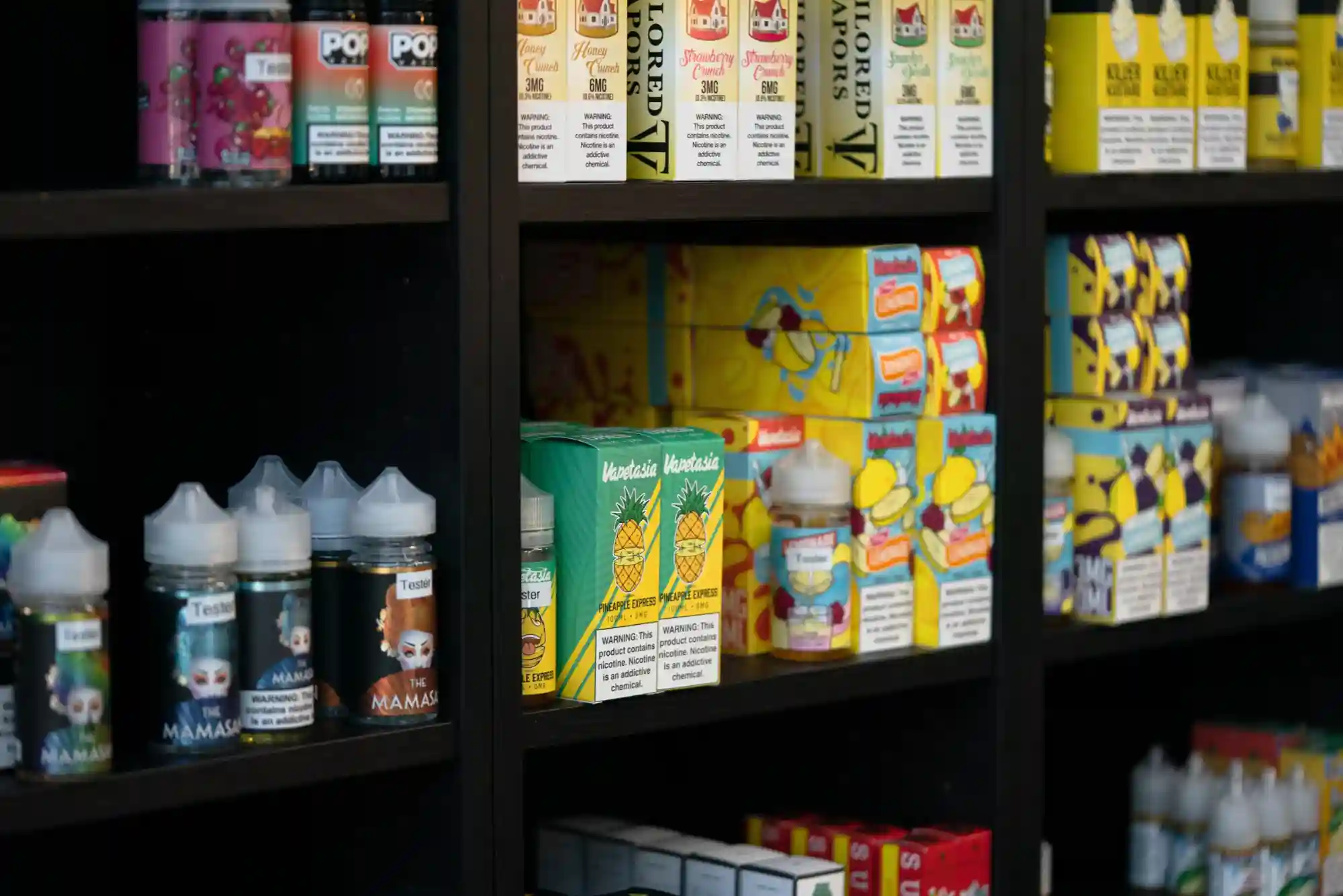
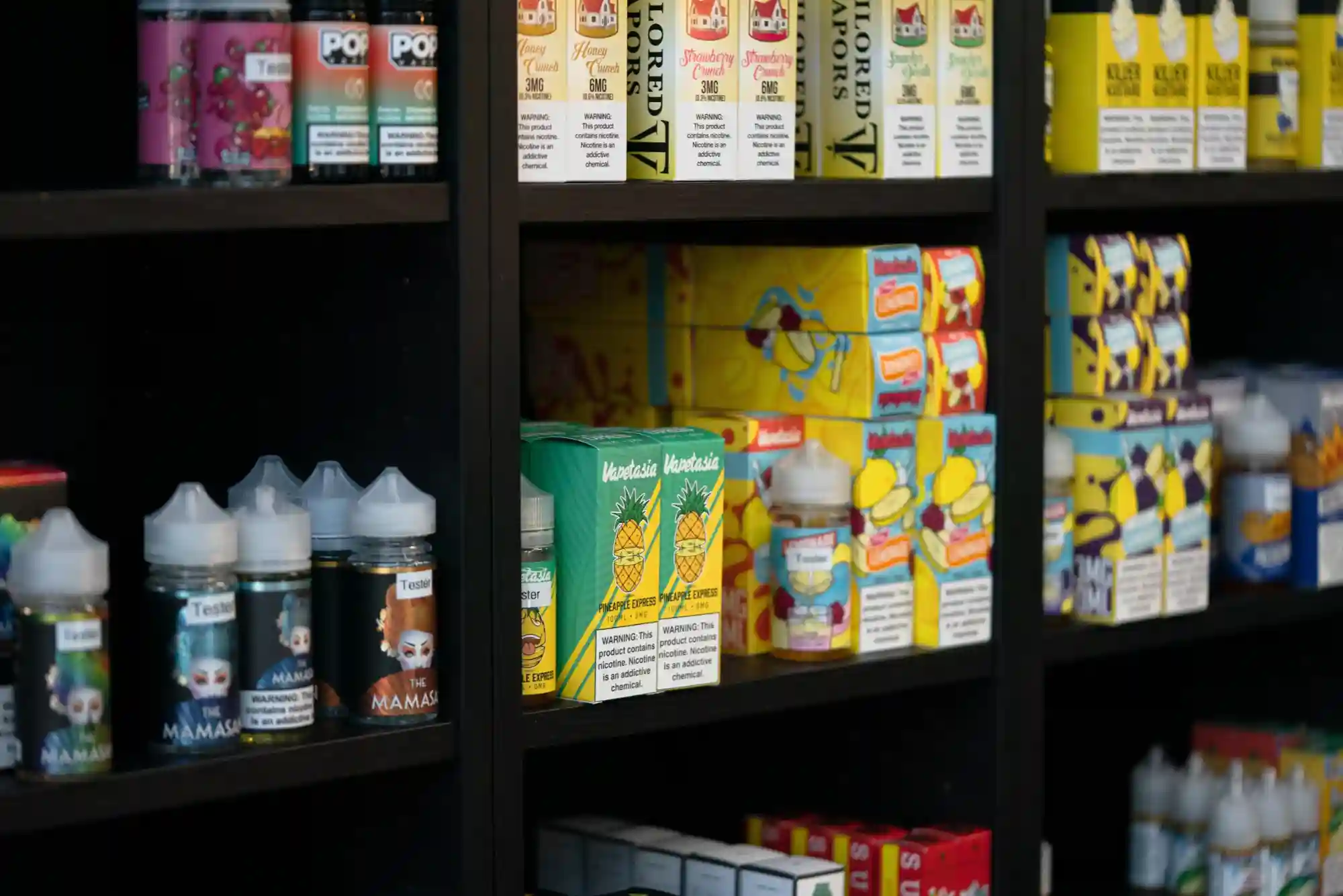
Qualifying liquid nicotine containers needed appropriate health warnings. Packaging also needed to provide relevant product information.
Depending on the applicable requirements, labels communicated nicotine concentration and liquid volume. Child-resistant packaging provided another important safety measure.
These requirements helped consumers understand the products they purchased. They also encouraged manufacturers and distributors to maintain appropriate packaging standards.
Retailers needed to ensure that qualifying products met applicable requirements. Selling improperly packaged products could create regulatory problems.
The Role of the Washington State Department of Health
Public health education remained an important part of Washington’s vaping policy. The Washington State Department of Health provided information about nicotine addiction and tobacco prevention.
Its resources helped residents understand youth vaping concerns and the potential health effects of nicotine. Parents and educators could also access information supporting prevention discussions.
For additional guidance, readers can explore Washington State Department of Health — 2021 vape regulations. This official resource provides information about Washington’s public health programs and tobacco prevention initiatives.
The department’s educational materials are useful for consumers, retailers, and community organizations. They also help readers distinguish official guidance from outdated online claims.
However, different government agencies have different responsibilities. The Department of Health focuses on public health information, while the Liquor and Cannabis Board handles important retail licensing and enforcement matters.
Myth: Every Flavored Vape Was Illegal in Washington
Flavor restrictions have generated considerable confusion among vaping consumers. Some people assumed that Washington prohibited every flavored vapor product in 2021.
Truth: Washington Did Not Have a General Statewide Flavor Ban
Washington’s original vapor product legislation did not establish a general statewide flavor prohibition.
However, this did not mean every flavored product was automatically permitted under every circumstance. Local regulations and other applicable requirements could affect product sales.
Consumers needed to distinguish statewide legislation from local restrictions. Retailers also needed to monitor regulatory developments carefully.
Checking official government information was the best approach. This prevented consumers from relying on misleading claims about product availability.
How Washington Vape Laws 2021 Influenced the Vaping Industry
Washington’s regulations influenced several areas of the vaping industry. Retailers faced additional responsibilities involving licenses, taxes, and age verification.
Manufacturers needed to understand applicable packaging and labeling requirements. Distributors also had responsibilities involving product classification and legal compliance.
Consumers experienced changes through purchasing restrictions and product taxation. Meanwhile, public health organizations continued educating communities about nicotine exposure.
These developments demonstrated how regulation could influence an entire industry. They also encouraged businesses to maintain better compliance practices.
Importantly, proposed legislation should never be confused with enacted law. A bill introduced during 2021 did not automatically become an enforceable requirement.
For this reason, historical research should always distinguish legislative proposals from approved legislation.
Separating Truth From Myth About Washington Vape Laws 2021
Truth vs Myth: Washington vape laws 2021 in the Vaping World highlights the importance of understanding actual legislation. Washington maintained regulations covering purchasing ages, vapor product taxation, retail licensing, packaging, and public vaping locations.
Understanding the Truth vs Myth: NJ Vape Laws 2019 in the Vaping World helps readers explore how New Jersey regulated vaping products, nicotine sales, and age restrictions. Discover the key legal changes introduced in 2019, separate common misconceptions from facts, and learn how these regulations influenced vaping consumers and retailers.
Frequently Asked Questions
What was the legal vaping age in Washington in 2021?
The minimum purchasing age was 21. Washington’s Tobacco and Vapor 21 law became effective on January 1, 2020.
Were flavored vapes banned in Washington in 2021?
Washington did not have a general statewide flavor ban under its original vapor product legislation. However, applicable local restrictions could affect sales.
Could adults vape in public places in Washington?
Adults could legally vape, subject to location-based restrictions. Schools, childcare facilities, school buses, and elevators were among the prohibited locations.
Did Washington charge taxes on vape products in 2021?
Yes. Washington introduced its vapor products tax on October 1, 2019. Tax rates depended on container type and liquid volume.
Were nicotine-free vape products regulated in Washington?
Certain nicotine-free products also fell under Washington’s vapor product regulations. Their legal classification depended on the applicable statutory definitions.
Where can I find official Washington vape regulations?
The Washington State Department of Health and Washington State Liquor and Cannabis Board provide official information. Their websites explain public health guidance, licensing, and relevant regulatory requirements.
Exploring vaping trends, product information, and industry developments can help readers make more informed decisions. For useful insights, vaping-related updates, and information about available products, visit TryVapex, a dedicated online destination for discovering more about the evolving vaping world.