Introduction
Vaping has become a widely discussed topic among teenagers, parents, educators, and policymakers. However, many people remain confused about the legal age for vaping in Ohio. Some believe teenagers can legally purchase vape products with parental permission. Others think possessing an electronic cigarette automatically results in serious legal consequences.
So, what is the truth? Is vaping illegal for underage people in Ohio?
The answer depends on the activity involved. Ohio restricts the sale of tobacco and alternative nicotine products to people under 21. Federal law also establishes 21 as the minimum legal sales age. However, purchasing, selling, possessing, and using vape products are different legal issues.
Understanding these distinctions helps families avoid misinformation. It also explains why retailers, schools, and young people must understand the rules. This guide explores the truth behind Ohio’s underage vaping laws.
Understanding Ohio’s Underage Vaping Laws
Ohio follows a strict Tobacco 21 policy. This policy prevents people younger than 21 from obtaining tobacco and covered nicotine products through ordinary sales or distribution.
The state introduced its Tobacco 21 restrictions in October 2019. These restrictions apply to electronic cigarettes, vaping pens, tanks, and covered vaping liquids. They also cover certain accessories and nicotine products.

What Is the Legal Age for Vaping in Ohio?
The minimum legal age for purchasing tobacco and covered vaping products in Ohio is 21. Anyone younger than 21 cannot legally purchase these products from retailers.
This restriction also applies to online purchases. Sellers must use appropriate age-verification procedures for remote transactions. A person cannot avoid the restriction simply by ordering a vape online.
Ohio law also requires retailers to check acceptable proof of age. Businesses must display signs explaining the age restriction. These requirements help prevent illegal sales to young customers.
Does the Law Cover Nicotine-Free Vapes?
This question creates considerable confusion among young people and parents. Many assume nicotine-free products are automatically exempt from vaping regulations.
However, Ohio’s legal definitions are broader than nicotine content alone. The definition of an electronic smoking device includes devices designed to deliver aerosolized or vaporized nicotine or other substances. The law also defines certain tobacco-product components to include liquids used in electronic smoking devices, even without nicotine.
Therefore, nicotine-free labeling does not automatically make a vaping product exempt. The exact product and applicable statutory definition matter.
Truth vs Myth: In Ohio, Is Vaping Illegal for Underage People?
Understanding the difference between common beliefs and actual legal requirements is essential. Several myths continue circulating about teenage vaping.
Myth: Teenagers Can Buy Vapes With Parental Permission
This is incorrect. Parental permission does not create a general exception allowing retailers to sell vaping products to customers under 21.
Ohio Revised Code Section 2927.02 contains limited affirmative defenses concerning certain distributions involving parents, spouses, or legal guardians. However, these provisions do not establish a general parental-consent purchasing exception.
Parents should never assume that accompanying a teenager makes an ordinary retail purchase lawful.
Myth: Only Nicotine Vapes Are Restricted
This belief is misleading. Ohio law includes broad definitions covering electronic smoking devices and certain vaping components.
A product’s nicotine concentration does not independently determine whether every restriction applies. Consumers must consider the product’s intended use and statutory classification.
Myth: Turning 18 Makes Vaping Legal
This is another common misunderstanding. Reaching adulthood at 18 does not satisfy Ohio’s minimum age requirement for purchasing covered tobacco and nicotine products.
The legal sales age remains 21. Therefore, an 18-, 19-, or 20-year-old cannot legally purchase covered vaping products from a retailer.
Myth: Online Vape Purchases Are Different
Online shopping does not provide an exception. Ohio law requires age verification for covered remote sales.
Delivery services also face restrictions involving products delivered to people under 21. Consequently, ordering through a website or delivery service does not remove the legal age requirement.
What Happens If Someone Under 21 Is Caught Vaping?
The consequences depend on the person’s age and the circumstances. Ohio law distinguishes between children under 18 and young adults aged 18 to 20.
Rules for Teenagers Under 18
Ohio Revised Code Section 2151.87 addresses children’s possession, use, purchase, and receipt of tobacco products. It contains an exception involving accompaniment by a parent, spouse, or legal guardian aged 21 or older.
Importantly, the statute states that a juvenile court cannot adjudicate a child delinquent or unruly solely for violating this section. However, knowingly providing false identification can have separate consequences.
Rules for Young Adults Aged 18 to 20
People aged 18 to 20 remain below Ohio’s legal purchasing age. Retailers cannot legally sell covered vaping products to them.
However, the consequences of possession and use are not identical to those involving illegal retail sales. Ohio Department of Health guidance distinguishes possession and use from false identification and illegal distribution.
This distinction matters when discussing whether underage vaping is illegal. A purchasing restriction should not automatically be described as a criminal penalty for every young person found vaping.
Ohio Revised Code: Underage Vaping and Sales Laws
Understanding the actual legislation is the best way to separate facts from rumors. Two important provisions explain Ohio’s approach to underage vaping.
Section 2927.02: Illegal Distribution of Tobacco Products
Ohio Revised Code Section 2927.02 prohibits giving, selling, or distributing covered tobacco and alternative nicotine products to anyone under 21. It also requires age verification before distribution.
The law covers retail businesses, distributors, and other individuals involved in providing these products. It includes restrictions on online transactions and certain delivery arrangements.
A first violation of the illegal distribution provisions can constitute a fourth-degree misdemeanor. Repeat violations can result in more serious misdemeanor classifications and financial penalties.
Section 2151.87: Children’s Possession and Use
Section 2151.87 addresses children’s use, possession, purchasing, and receiving of tobacco products. It also addresses false identification used to obtain these products.
The law includes specific exceptions and juvenile court protections. Therefore, readers should examine the actual statutory wording rather than relying on simplified social media explanations.
For the complete legal language, readers can visit the official Ohio Revised Code — underage vaping & sales laws website. The relevant provisions are Sections 2927.02 and 2151.87.
Why Ohio Takes Underage Vaping Seriously
Ohio’s restrictions are not simply about preventing teenagers from purchasing fashionable electronic devices. They also address concerns about nicotine exposure and youth health.
Nicotine Addiction and Teenage Development
Many vaping products contain nicotine, which is addictive. Young people may underestimate how quickly regular use can become a habit.
Nicotine exposure during adolescence can affect brain development. It may also influence attention, learning, and impulse control.
Some teenagers believe vaping is harmless because it does not produce traditional cigarette smoke. However, vaping aerosol can contain harmful substances. Understanding these risks encourages more informed decisions.
Flavored Products and Youth Appeal
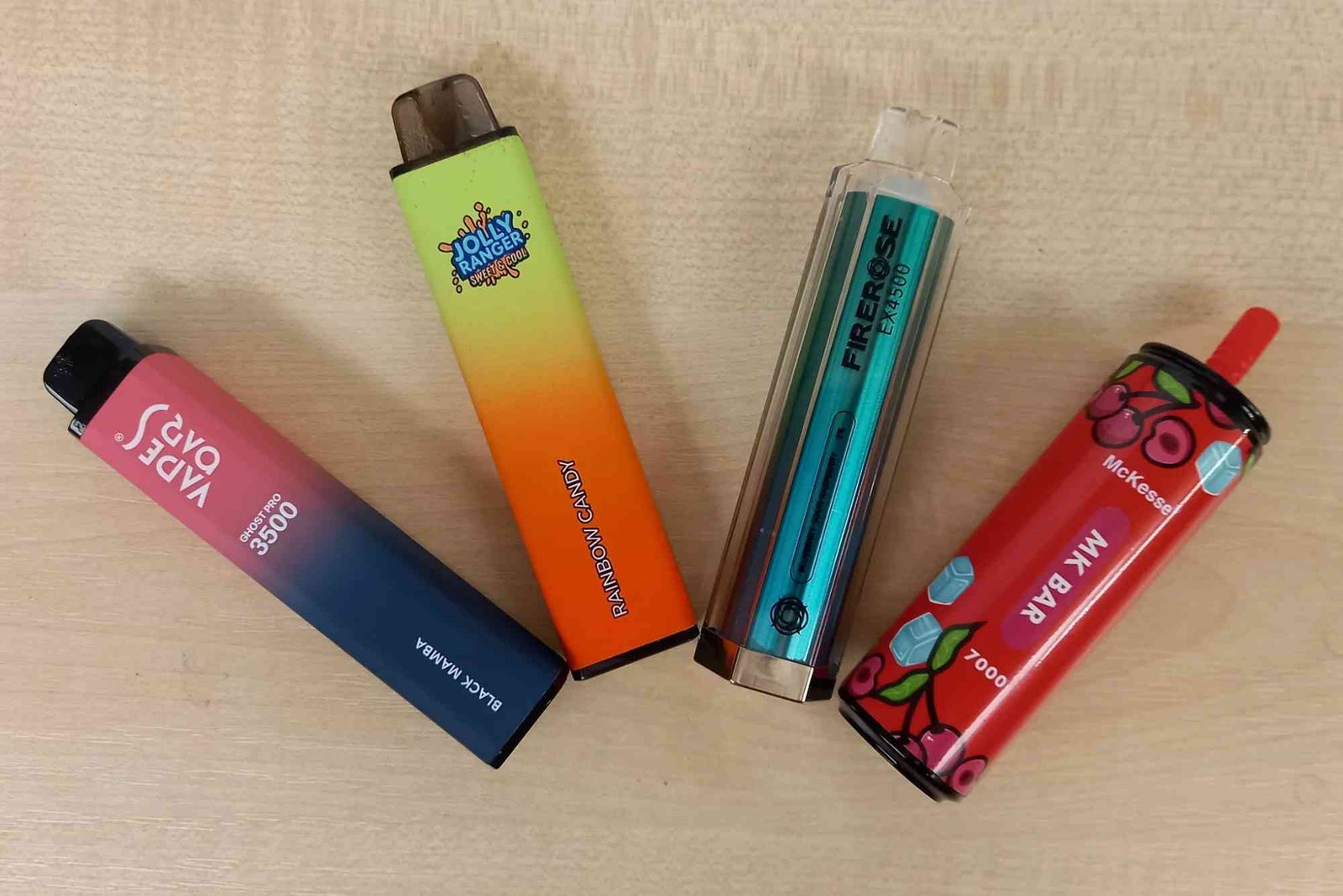
Flavored vaping products can attract younger audiences. Sweet and fruit-inspired flavors may make vaping appear less harmful or more socially acceptable.
However, attractive packaging does not change the legal purchasing age. Retailers must follow Ohio’s restrictions regardless of flavor, branding, or marketing presentation.
The Role of Parents and Schools
Parents and schools play important roles in preventing underage vaping. Honest conversations can help teenagers understand legal restrictions and potential health consequences.
Schools may also establish tobacco-free campus policies. Students should understand that school disciplinary rules can apply independently of criminal laws.
The topic Truth vs Myth: 20 May Vape Law in the Vaping World explores the facts behind vaping regulations and highlights common misconceptions. Understanding legal updates, public health guidance, and compliance requirements helps readers separate rumours from reality and make informed decisions about the changing vaping landscape.
Frequently Asked Questions
Is vaping illegal for anyone under 21 in Ohio?
Ohio prohibits retailers from selling covered vaping and tobacco products to anyone under 21. Federal law establishes the same minimum sales age. Other restrictions depend on the person’s age and circumstances.
Can an 18-year-old legally buy a vape in Ohio?
No. An 18-year-old cannot legally purchase covered vaping products from a retailer. The minimum purchasing age is 21.
Can a 16-year-old possess a vape in Ohio?
Ohio Revised Code Section 2151.87 addresses children’s possession and use of tobacco products. It includes an exception involving accompaniment by a qualifying adult aged 21 or older. The legal consequences are different from retailer sales violations.
Can parents buy vapes for their children in Ohio?
Parents should not assume that buying vaping products for their children is automatically permitted. Ohio law restricts distribution to people under 21 and contains specific affirmative defenses. These provisions are not a general permission for parents to supply vaping products.
Are nicotine-free vapes illegal for minors in Ohio?
Nicotine-free products are not automatically exempt. Ohio law defines electronic smoking devices broadly and includes certain vaping liquids without nicotine. Product classification determines which restrictions apply.
What happens if a store sells a vape to someone under 21?
The seller may face a fourth-degree misdemeanor for a first violation. Repeat violations can result in increased criminal penalties. Financial sanctions may also apply under Ohio law.
Does Ohio have different vaping laws for schools?
Schools can establish their own tobacco-free campus and student conduct policies. Students may face school disciplinary action for violating those policies. These consequences are separate from state criminal penalties.
Know the Truth About Ohio’s Underage Vaping Laws
So, is vaping illegal for underage people in Ohio? The answer requires understanding the difference between purchasing, selling, possessing, and using vaping products.
Ohio establishes 21 as the minimum age for purchasing covered vaping products. Retailers cannot legally sell these products to younger customers. Online sales and nicotine-free product claims do not automatically remove applicable restrictions.
Vaping enthusiasts often look for reliable information, product insights, and updates about the latest industry trends. TryVapex offers a dedicated online destination for exploring vaping-related topics, discovering useful resources, and staying informed about evolving products and accessories.