
Introduction
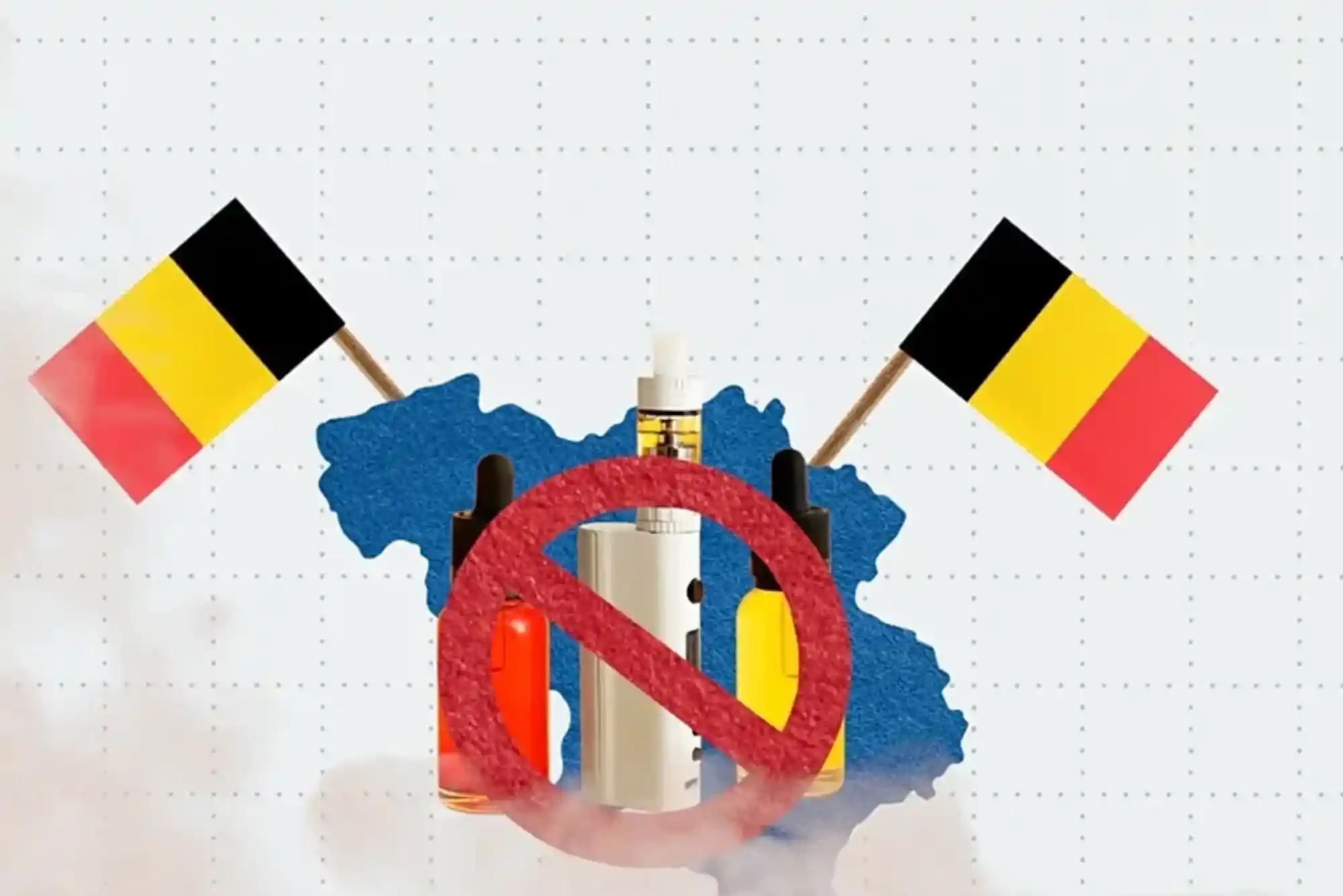
The vaping industry continues to change as governments introduce new rules to protect public health. The UK is among the countries taking stronger action to regulate vaping products. However, confusion about these regulations remains common. Many consumers still struggle to separate legal facts from online rumours. This makes Truth vs Myth: 20 may vape law in the Vaping World an important topic for anyone following vaping developments.
Some people believe that vaping is completely illegal in the UK. Others think disposable vapes are still available without restrictions. Both assumptions can create misunderstandings. Understanding the actual legislation helps consumers make informed decisions.
The phrase “20 May vape law” is not the official name of a UK vaping law. Instead, this article examines the important legal developments and explains the facts behind common vaping myths. It also explores the Tobacco and Vapes Act 2026 and earlier restrictions affecting retailers and consumers.
Understanding Truth vs Myth: 20 May Vape Law in the Vaping World
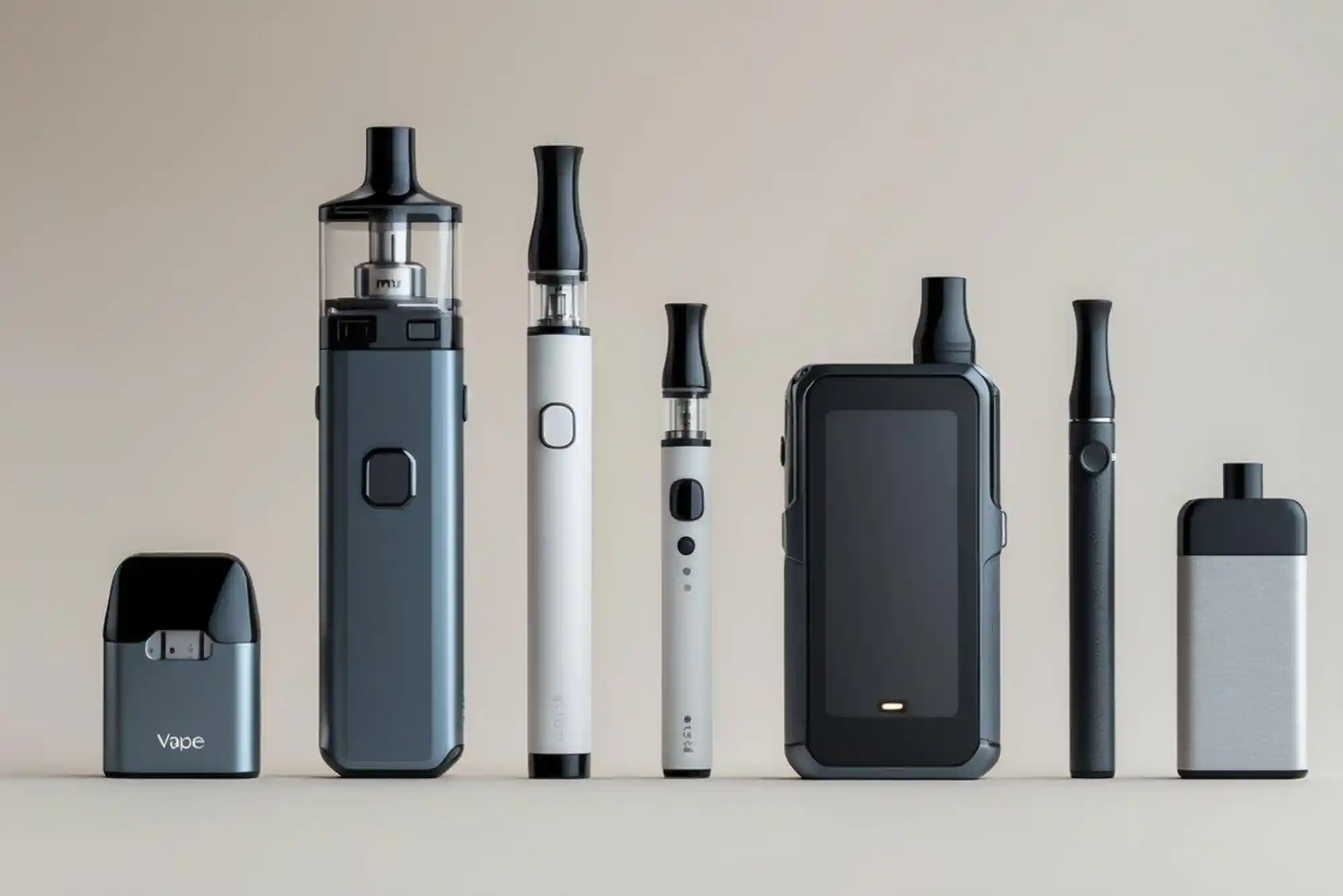
Vaping regulations are designed to control the production, marketing, distribution, and sale of electronic cigarettes. These rules vary between countries. Therefore, information about one market should not automatically apply to another.
In the UK, several important regulations govern vaping products. The Tobacco and Related Products Regulations 2016 established product safety requirements. Later legislation introduced additional restrictions.
The Tobacco and Vapes Act 2026 received Royal Assent on 29 April 2026. It introduced further measures concerning tobacco sales, vaping products, advertising, and retail regulation. Some provisions started on different dates, so understanding commencement dates is essential.

Consumers can follow legislative developments through the UK Parliament — bill & statute trackers (example reference) This official resource helps readers distinguish proposed legislation from laws that Parliament has already approved.
Myth One: Vaping Is Completely Illegal in the UK
One common misconception is that the UK has banned all vaping products. This is incorrect. Adults can still legally purchase compliant reusable vaping products from authorised retailers.
The government regulates how these products are manufactured, marketed, and sold. Businesses must follow applicable product standards and age restrictions.
The distinction between banning certain products and banning an entire industry is important. Understanding this difference prevents unnecessary confusion among consumers.
Myth Two: Disposable Vapes Are Still Legal to Sell
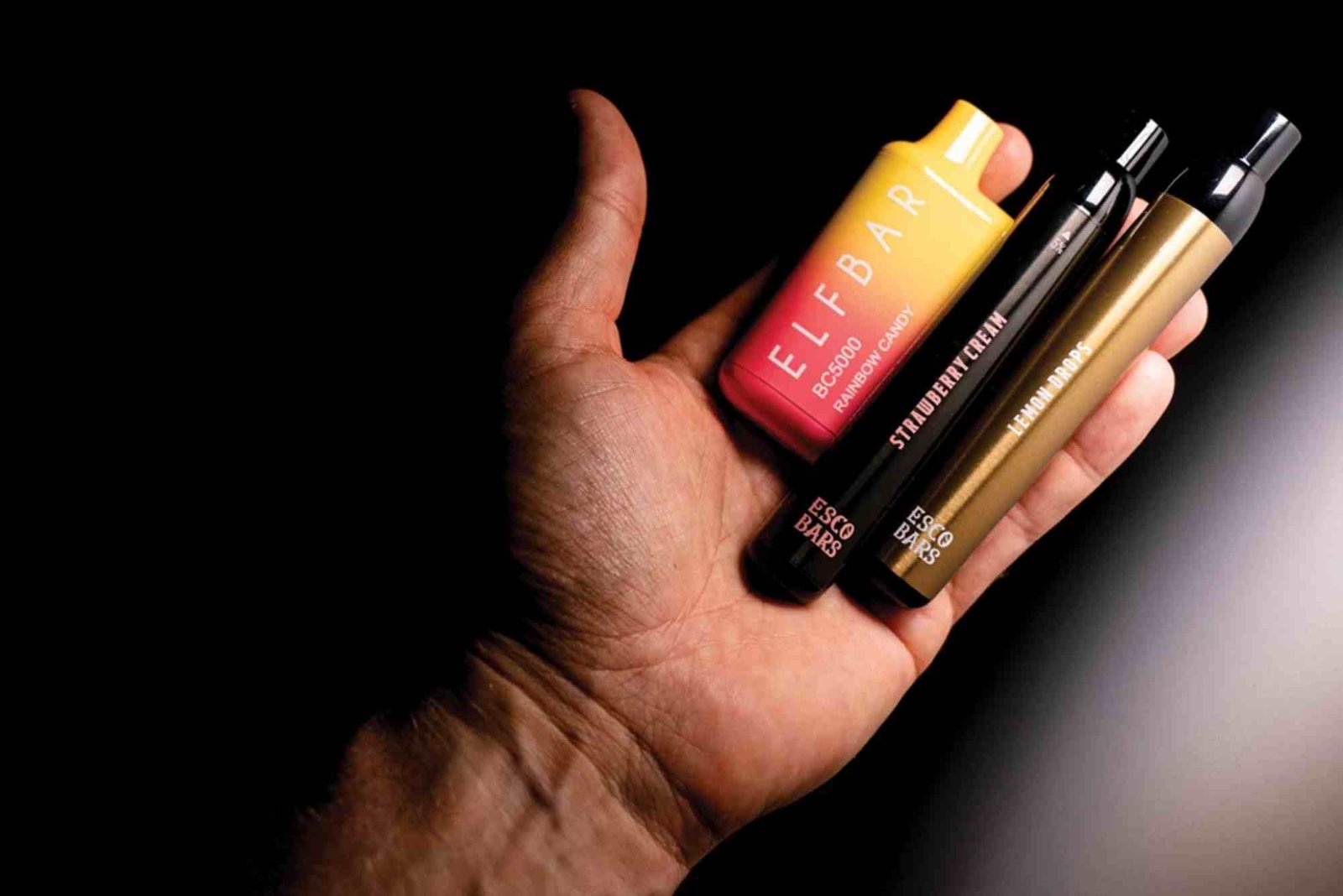
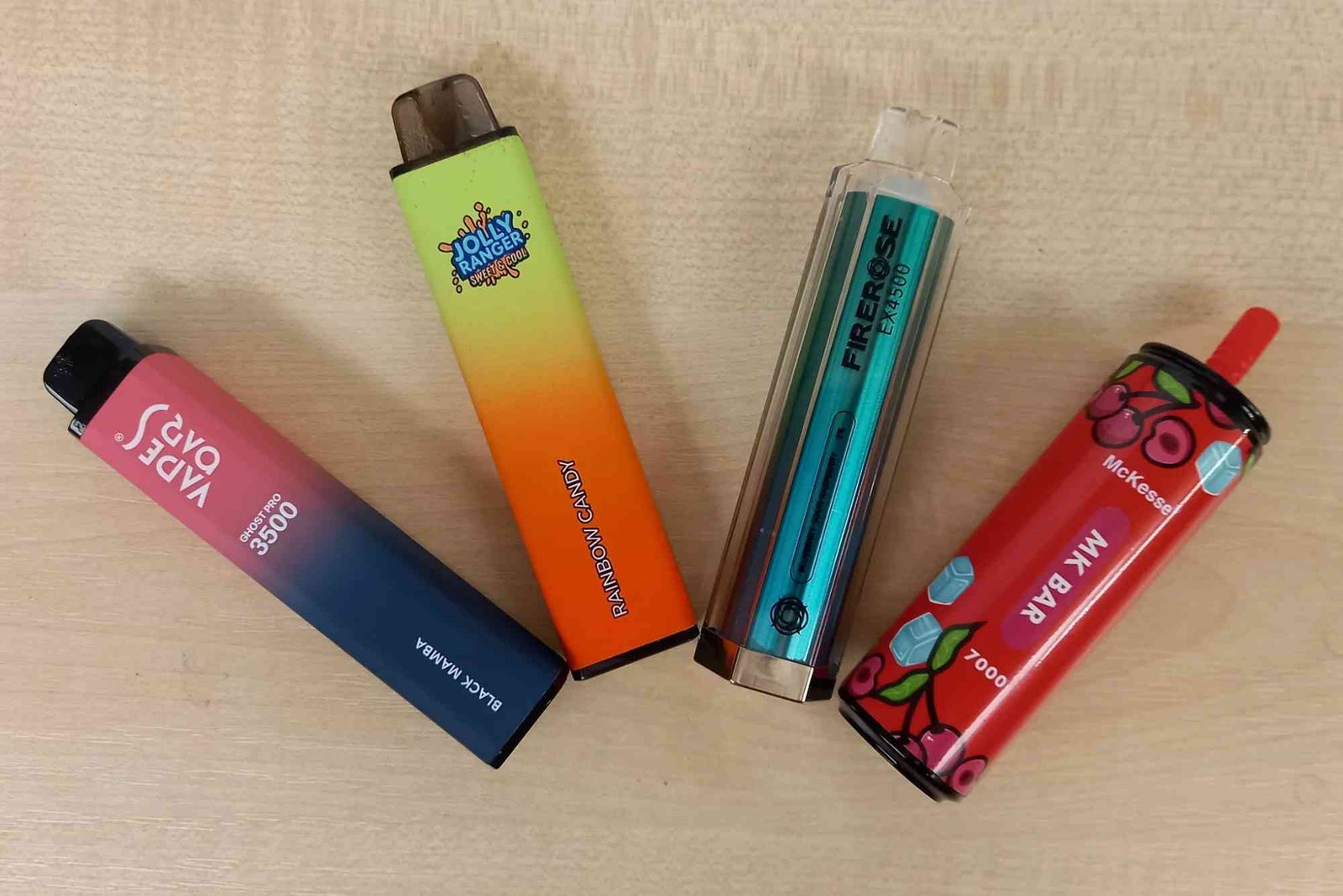
This is another widespread misunderstanding. The UK introduced a ban on single-use vapes on 1 June 2025.
The restriction applies to online and physical retail sales. It also covers products containing nicotine and those without nicotine.
However, reusable vaping devices remain available when they satisfy applicable regulations. This distinction explains why some vaping products remain on shop shelves while disposable alternatives cannot legally be supplied.
The restriction also supports environmental objectives. Single-use devices create electronic waste and contain batteries that require appropriate disposal.
Myth Three: Anyone Can Purchase Vaping Products
Age restrictions are an important part of UK vaping legislation. Since 29 October 2026, selling vaping and nicotine products to anyone under 18 has been an offence across the UK.
Adults must also avoid purchasing these products on behalf of underage individuals. Retailers should verify customers’ ages when necessary.
These measures aim to reduce access among young people. They also place greater responsibility on businesses to follow appropriate sales procedures.
Understanding the Tobacco and Vapes Act 2026
The Tobacco and Vapes Act 2026 represents a significant development in UK tobacco and vaping regulation. It received Royal Assent on 29 April 2026.
The legislation addresses several areas, including retail sales, product requirements, advertising, and restrictions on vaping in certain places.
It also introduces a generational tobacco sales restriction. Under the legislation, selling tobacco to people born on or after 1 January 2009 is prohibited from the relevant commencement date.
Importantly, not every provision became effective immediately. Some measures require additional regulations or separate commencement orders.
Consumers and businesses should therefore check official government guidance instead of relying on outdated social media posts.
The Truth About Legal Nicotine Limits
Another popular myth suggests that manufacturers can sell vaping liquids with any nicotine strength. This is incorrect.
Existing UK product regulations establish a maximum nicotine concentration of 20mg per millilitre for regulated nicotine-containing e-liquids.
They also restrict refill containers to 10ml and relevant vape tanks or cartridges to 2ml.
These requirements help establish consistent product standards. Manufacturers and retailers must ensure that products meet the applicable requirements before supplying them.
Product notification requirements also matter. Relevant vaping products must meet the required regulatory procedures before entering the UK market.
Are Vaping Products Allowed in Public Places?
Many people assume that vaping is automatically permitted wherever smoking is prohibited. However, this assumption is not always accurate.
Property owners, employers, transport operators, and hospitality businesses can establish their own vaping policies. Certain public locations may also have specific restrictions.
The Tobacco and Vapes Act 2026 provides powers for further regulation of vape-free places. The implementation of these measures depends on the relevant national provisions and commencement arrangements.
Therefore, consumers should check local rules before using vaping devices in shared spaces.
Why Accurate Information Matters in the Vaping Industry
Misinformation can create problems for both consumers and businesses. Retailers may unintentionally sell non-compliant products. Consumers may also misunderstand their legal responsibilities.
Accurate information supports responsible purchasing decisions. It helps businesses understand their obligations and maintain compliance.
The vaping industry also needs transparency. Manufacturers should provide clear product information and follow applicable safety standards.
For readers researching legislation, official government publications are more reliable than unverified online discussions. Checking parliamentary records can also reveal whether a proposed change has actually become law.
Separate Vaping Facts From Legal Myths
Understanding Truth vs Myth: 20 may vape law in the Vaping World requires looking beyond online rumours. UK vaping legislation has developed through several important changes, including the disposable vape ban and the Tobacco and Vapes Act 2026.
However, vaping has not been completely prohibited. Compliant reusable products remain available to adults under applicable regulations.
Consumers and retailers should stay informed about changing requirements. They should also consult official government and parliamentary resources before making legal assumptions.
Stay informed and make responsible decisions. Explore the latest parliamentary updates, understand the applicable vaping restrictions, and share accurate information with others. Knowing the difference between legal facts and common myths is essential for navigating the modern vaping industry.
Understanding Truth vs Myth: European Union Vaping Laws in the Vaping World helps readers separate facts from misconceptions about vaping regulations. EU countries follow specific rules on product standards, nicotine limits, packaging, and advertising. Staying informed about these laws promotes awareness of legal requirements and responsible decision-making across Europe.
Frequently Asked Questions
Is vaping illegal in the UK?
No. Adults can legally purchase compliant reusable vaping products. However, disposable vape sales and certain other activities are restricted.
Are disposable vapes banned in the UK?
Yes. The UK banned the sale and supply of single-use vapes from 1 June 2025. Reusable vaping devices remain available if they meet applicable requirements.
What is the legal age to buy vapes in the UK?
The legal minimum age is 18. From 29 October 2026, this restriction applies to all vaping and nicotine products across the UK.
What is the maximum nicotine strength allowed in UK vapes?
The existing regulatory limit for nicotine-containing e-liquids is 20mg/ml. Other product requirements also apply.
When did the Tobacco and Vapes Act become law?
The Tobacco and Vapes Act 2026 received Royal Assent on 29 April 2026. Different provisions have different commencement dates.
Can you vape anywhere in the UK?
No. Permission depends on applicable laws and individual property policies. Consumers should check restrictions before vaping in public or shared spaces.
Vaping enthusiasts often look for reliable information, product insights, and updates about the latest industry trends. TryVapex offers a dedicated online destination for exploring vaping-related topics, discovering useful resources, and staying informed about evolving products and accessories.