Introduction
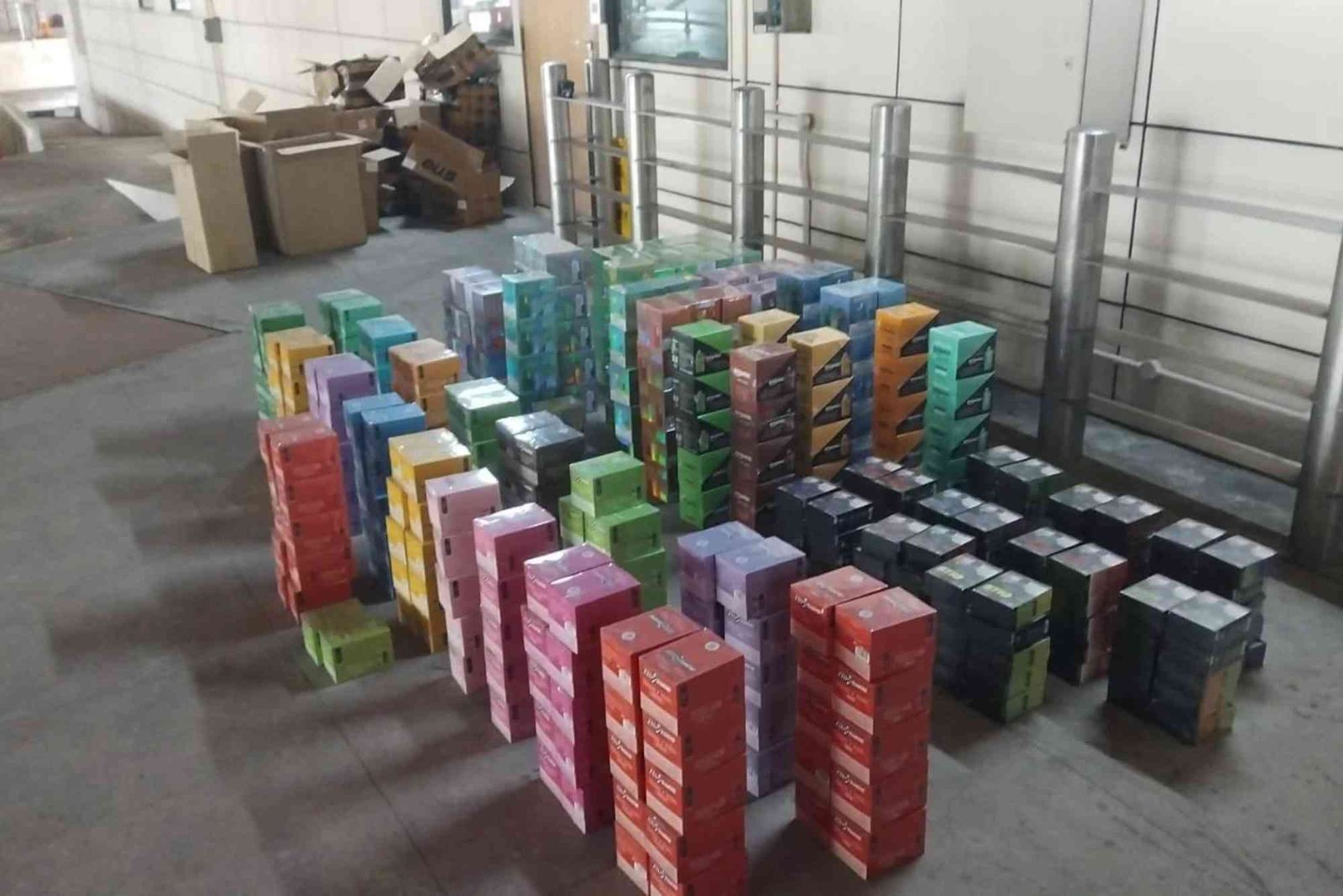
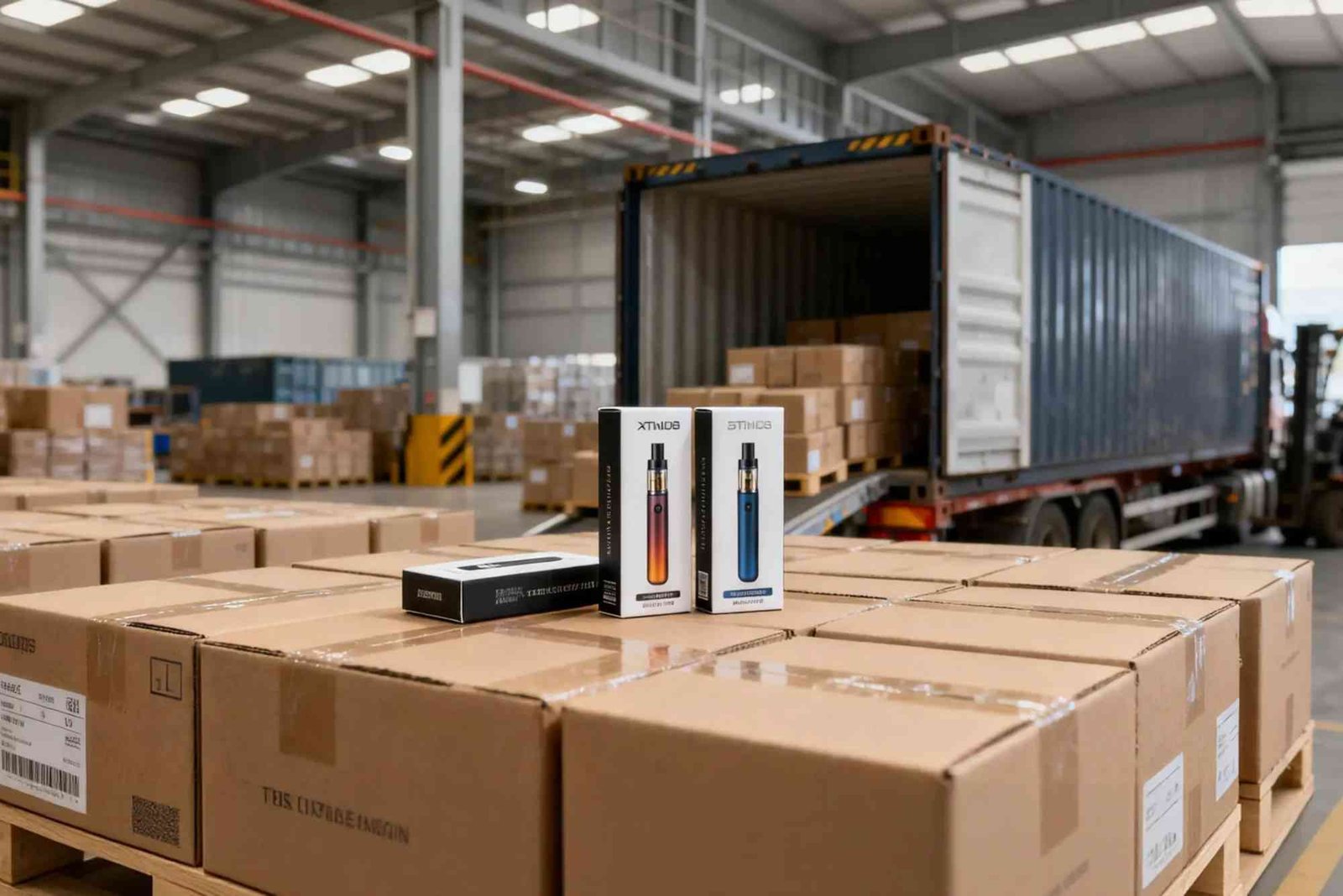
Reducing vape shipping costs using bulk freight has become one of the most effective strategies for manufacturers, wholesalers, and distributors looking to remain competitive in an increasingly regulated global market. Shipping expenses can significantly impact profit margins, especially when transporting vape devices, e-liquids, and accessories across international borders. Choosing bulk freight instead of frequent small shipments helps businesses reduce transportation costs, improve supply chain efficiency, and maintain consistent inventory levels.
Bulk freight is not simply about sending larger quantities. It involves careful planning, selecting the right transportation methods, complying with international regulations, and working with experienced logistics providers. When implemented correctly, this approach offers long-term financial benefits while ensuring products reach customers safely and on time.
Understanding Bulk Freight for Vape Products
Bulk freight refers to transporting large quantities of goods in consolidated shipments rather than multiple smaller deliveries. For vape businesses, this means combining products into fewer shipments, reducing handling charges, customs processing fees, and transportation costs.
Shipping larger volumes allows carriers to optimize container space, resulting in lower costs per unit. Whether products travel by sea, rail, or air freight, businesses benefit from economies of scale that smaller shipments cannot achieve.
The vape industry relies heavily on international suppliers for hardware, batteries, packaging materials, and e-liquids. Since many manufacturers operate across different countries, shipping efficiency directly affects pricing, inventory management, and customer satisfaction.
Why Vape Shipping Costs Continue to Rise
Shipping costs have increased over recent years because of changing fuel prices, stricter regulations, labour shortages, customs compliance requirements, and higher insurance premiums. Vape products often require additional documentation due to varying laws regarding nicotine products and electronic devices.

Many businesses also underestimate the cumulative cost of multiple small shipments. Every shipment generates administrative expenses, customs processing, warehouse handling, packaging materials, and transportation fees. Consolidating these shipments into bulk freight significantly reduces these recurring costs.
How Bulk Freight Reduces Overall Shipping Expenses
One of the biggest advantages of reducing vape shipping costs using bulk freight is lowering the transportation cost per individual product. Freight companies generally offer more competitive rates when containers or pallets are shipped in larger volumes.
Instead of paying minimum shipment charges several times each month, businesses pay for fewer consolidated deliveries. Warehouse operations also become more efficient because receiving staff process fewer shipments while inventory management becomes easier.
Bulk freight reduces packaging expenses as larger shipments require less individual protective packaging compared to numerous small parcels. Businesses also save money on documentation, customs brokerage, and administrative processing.
Choosing the Right Freight Method
Ocean Freight for Large Orders
Ocean freight remains the most cost-effective solution for high-volume vape shipments. Full container loads provide excellent value for manufacturers and distributors importing products regularly.
Although shipping times are longer than air freight, the substantial savings make sea transportation the preferred option for bulk inventory replenishment.
Air Freight for Time-Sensitive Inventory
Air freight is more expensive but remains valuable for urgent product launches or seasonal inventory demands. Businesses can still reduce expenses by consolidating larger shipments instead of sending frequent express parcels.
Rail and Road Transportation
For regional markets, rail and truck freight offer balanced solutions that combine affordability with predictable delivery schedules. Many companies integrate multiple transportation methods to optimize both speed and cost.
Planning Inventory Around Bulk Freight
Successful bulk freight depends on accurate demand forecasting. Businesses should analyse historical sales trends, seasonal demand, and promotional campaigns before placing manufacturing orders.
Maintaining appropriate inventory levels prevents emergency shipments, which often cost significantly more than scheduled freight. Better inventory planning also minimizes warehouse shortages that can interrupt customer fulfilment.
Modern inventory software enables companies to monitor stock levels in real time while predicting future purchasing requirements based on sales patterns.
Working with Experienced Freight Partners
An experienced logistics provider understands the unique shipping requirements associated with vape products. These include battery handling, liquid transportation regulations, customs documentation, and country-specific import restrictions.
Professional freight forwarders negotiate better carrier rates because they manage high shipment volumes across multiple industries. Their expertise often results in additional cost savings beyond standard transportation fees.
Businesses seeking reliable international shipping and logistics guidance can review this resource for practical information on transporting liquids internationally.
Packaging Strategies That Support Bulk Freight
Efficient packaging contributes significantly to reducing shipping costs. Proper carton dimensions maximize pallet utilization while minimizing wasted container space.
Manufacturers should use durable packaging materials that protect products during long-distance transport without adding unnecessary weight. Lightweight but strong packaging lowers freight charges while reducing damage rates.
Standardized carton sizes also simplify warehouse storage, pallet stacking, and container loading, creating additional operational efficiencies.
Compliance Helps Prevent Costly Delays
International vape shipping involves numerous regulations that vary between countries. Failure to meet documentation or labelling requirements can result in customs delays, product inspections, fines, or shipment returns.
Businesses should ensure all invoices, certificates, product descriptions, battery declarations, and nicotine documentation remain accurate before dispatch.
Maintaining compliance not only avoids financial penalties but also strengthens relationships with customs authorities and logistics partners.
Container Optimization Improves Freight Value
Every unused cubic metre inside a shipping container represents unnecessary cost. Efficient container loading maximizes available space while protecting products during transport.
Professional logistics teams carefully arrange pallets based on product dimensions, weight distribution, and unloading requirements. Proper planning increases container utilization, reducing the cost allocated to each individual unit.
Many freight forwarders now use digital container optimization software to improve loading efficiency before shipments leave the warehouse.
Warehouse Consolidation Creates Additional Savings
Warehousing plays an important role in reducing vape shipping costs using bulk freight. Instead of dispatching products immediately after manufacturing, businesses can consolidate inventory from multiple suppliers into a single shipment.
Consolidation warehouses combine products into full container loads, reducing transportation expenses while simplifying customs clearance.
This approach is particularly beneficial for businesses sourcing vape hardware, replacement coils, accessories, packaging, and e-liquids from different manufacturers.
Technology Makes Bulk Freight More Efficient
Digital logistics platforms have transformed freight management. Businesses can now track shipments in real time, compare freight quotes, monitor customs progress, and estimate delivery schedules more accurately.
Artificial intelligence also assists demand forecasting, helping companies order inventory at optimal times while avoiding expensive emergency shipments.
Integrated logistics software connects purchasing, warehousing, transportation, and sales departments, improving communication across the supply chain.
Managing Risks During Bulk Freight
Although bulk freight reduces costs, businesses should still manage transportation risks effectively. Cargo insurance protects valuable shipments from loss, theft, weather damage, and unforeseen delays.
Supplier diversification also reduces dependency on single manufacturing locations. If one supplier experiences production disruptions, alternative suppliers help maintain inventory continuity.
Businesses should regularly review freight contracts, insurance policies, and shipping schedules to identify opportunities for further optimization.
Sustainability Benefits of Bulk Freight
Bulk freight supports environmental sustainability by reducing the number of shipments required throughout the year. Fewer transportation movements result in lower fuel consumption and reduced greenhouse gas emissions.
Many customers increasingly prefer companies that demonstrate responsible logistics practices. Efficient freight planning not only lowers operational costs but also contributes to broader sustainability initiatives.
As governments continue introducing environmental regulations, optimized shipping strategies may provide additional competitive advantages.
Future Trends in Vape Freight Logistics
The logistics industry continues evolving through automation, predictive analytics, digital customs documentation, and smarter warehouse technologies. These innovations help businesses further reduce transportation costs while improving delivery reliability.
Blockchain technology is also enhancing shipment transparency by providing secure documentation throughout international supply chains. Combined with automated inventory management, these developments will make bulk freight even more efficient in the coming years.
Companies that invest in modern logistics systems today will likely enjoy stronger competitiveness as global shipping continues to evolve.
Vape Export Taxes and Their Economic Impact play a key role in shaping global trade, pricing, and market growth. Higher export taxes can increase product costs, reduce international competitiveness, and influence consumer demand. Understanding these economic effects helps businesses plan better strategies and adapt to changing regulations in the global vaping industry.
FAQs
How does bulk freight reduce vape shipping costs?
Bulk freight lowers transportation costs by consolidating products into larger shipments, reducing the cost per unit, minimizing handling fees, and improving container utilization.
Is ocean freight better than air freight for vape products?
Ocean freight is generally more economical for large shipments, while air freight is better suited for urgent deliveries or smaller high-value orders.
Can vape products be shipped internationally?
Yes. Vape products can be shipped internationally when businesses comply with the destination country’s import regulations, customs documentation, and transportation requirements.
What factors affect international vape shipping costs?
Shipping costs depend on shipment size, destination, transportation method, fuel prices, customs duties, packaging, insurance, and regulatory compliance.
Why is inventory planning important for bulk freight?
Accurate inventory planning helps businesses avoid expensive emergency shipments, maintain consistent stock levels, and maximize the financial benefits of bulk freight.
Discover the latest vaping insights, product guides, and industry updates at TryVapex. Whether you’re exploring new vape devices, premium e-liquids, or helpful tips for a better vaping experience, tryvapex.com offers reliable information and useful resources. Visit the homepage to stay informed about the newest trends and innovations in the vaping world.
Related Reading: How Vape Companies Optimize Shipping Routes
Related Reading: Vape Shipping and Labeling Compliance Tips — full guide
Related Reading: Vape Packaging Rules for Temperature Control