
Introduction
The global vaping industry has grown into a highly competitive market where efficient logistics, regulatory compliance, and cost management play a significant role in business success. As manufacturers, distributors, and retailers expand into international markets, customs-free vape trade zones have become an important part of modern supply chains. These specially designated economic areas simplify import and export procedures while helping businesses reduce operational costs and improve inventory management.
Understanding customs-free vape trade zones is valuable for companies looking to expand internationally without unnecessary delays or excessive customs expenses. While these zones offer numerous commercial advantages, businesses must still comply with national laws, product standards, tax regulations, and documentation requirements.
Whether you operate a vape manufacturing business, wholesale distribution company, or international logistics service, learning how customs-free vape trade zones function can help you make informed decisions about global trade strategies.
What Are Customs-Free Vape Trade Zones?
Customs-free vape trade zones are designated areas where imported goods can be stored, processed, assembled, packaged, or redistributed before entering a country’s domestic market. In many jurisdictions, customs duties and taxes are deferred or reduced until products officially enter local commerce.
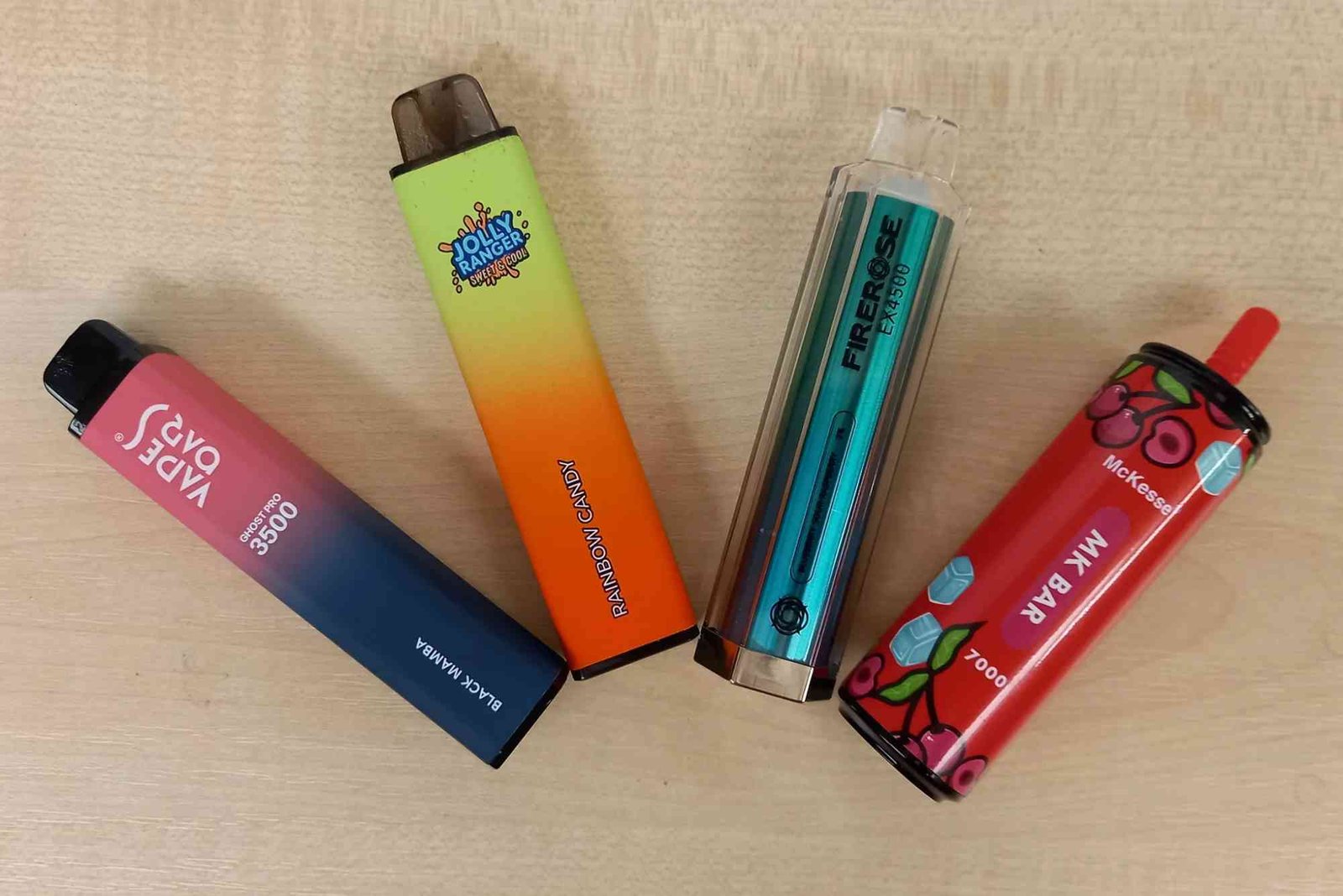
For vape businesses, these zones provide greater flexibility in handling products such as vape devices, refillable systems, accessories, replacement coils, packaging materials, and other related products intended for international distribution.
Rather than paying duties immediately upon arrival, businesses can manage inventory more efficiently and pay applicable charges only when products move into the domestic market, depending on local regulations.

How Customs-Free Vape Trade Zones Work
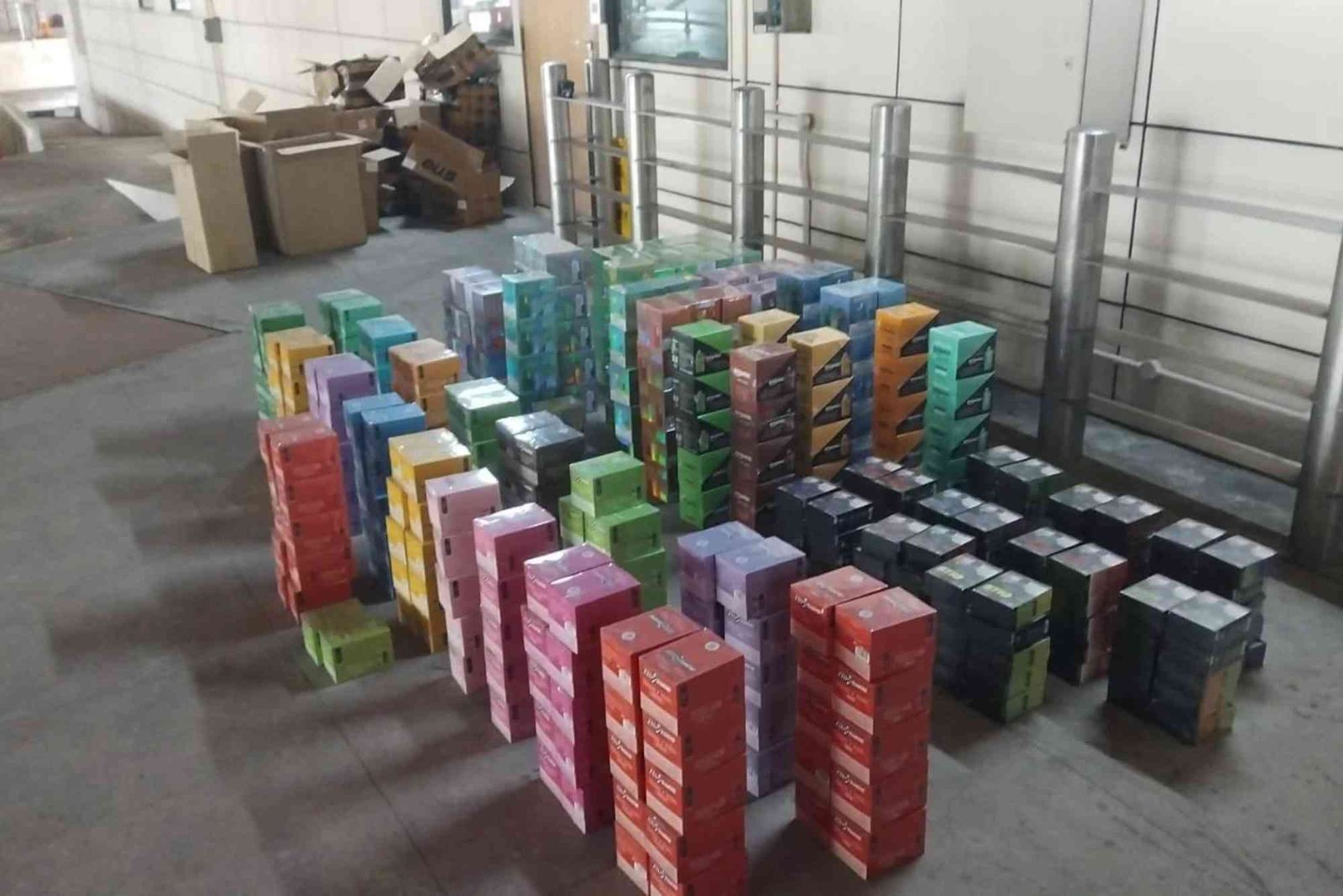
Businesses import products directly into an approved customs-free zone instead of the country’s domestic customs territory. Products remain under customs supervision while companies perform approved business activities such as inspection, packaging, relabelling, quality control, or order consolidation.
Once customers place international orders, shipments can often leave the zone without attracting domestic import duties because they are exported directly. If products are later sold within the host country, customs duties and taxes generally become applicable according to national regulations.
This approach improves operational efficiency while maintaining regulatory oversight.
Why Vape Companies Choose Customs-Free Trade Zones
The vape industry depends heavily on international manufacturing and global distribution. Many brands source components from multiple countries before assembling finished products.
Customs-free vape trade zones provide an environment where businesses can combine shipments, organise inventory, and prepare products for multiple destination markets without repeated customs procedures.
The result is a smoother supply chain capable of responding more quickly to changing customer demand.
Reduced Customs Costs
One of the primary advantages of customs-free vape trade zones is improved cash flow.
Instead of paying customs duties immediately after products arrive, businesses may defer payments until products enter the domestic market. Goods that are re-exported directly from the zone may avoid certain domestic import duties altogether, depending on applicable laws.
This allows companies to invest more capital into inventory, marketing, product development, or warehouse improvements.
Improved Supply Chain Efficiency
International vape businesses often face logistical challenges caused by multiple suppliers, shipping schedules, and varying customs regulations.
Operating from customs-free trade zones allows businesses to:
Receive bulk shipments from manufacturers.
Inspect products before redistribution.
Repackage products for regional markets.
Prepare multilingual labels.
Consolidate customer orders.
Coordinate exports more efficiently.
These improvements help minimise unnecessary warehouse transfers and customs delays.
Faster International Distribution
Speed matters in competitive industries.
Customs-free vape trade zones allow companies to position inventory closer to target markets without immediately importing goods into domestic circulation.
When international orders arrive, products can often be dispatched much faster than if inventory remained overseas.
This responsiveness supports wholesalers, distributors, and authorised retailers who depend on consistent stock availability.
Better Inventory Management
Inventory planning becomes much easier when products can remain inside customs-controlled storage until required.
Businesses gain flexibility by adjusting stock levels based on seasonal demand, promotional campaigns, or new product launches.
Instead of importing products gradually through multiple customs entries, larger shipments can be stored and released strategically over time.
This reduces administrative complexity while improving warehouse efficiency.
Support for International Business Expansion
Growing into new international markets requires careful planning.
Customs-free vape trade zones allow businesses to test demand in different countries without immediately committing products to domestic import procedures.
Companies can distribute inventory across multiple international destinations while maintaining centralised stock management.
This flexibility reduces financial risk during market expansion.
Quality Control Before Distribution
Product quality remains essential within the vaping industry.
Many businesses use customs-free trade zones to inspect imported inventory before shipping products to retailers.
Quality assurance activities may include packaging inspections, product testing, barcode verification, accessory matching, and documentation review.
Identifying issues before products reach customers helps protect brand reputation while reducing costly returns.
Compliance Remains Essential
Although customs-free vape trade zones simplify logistics, they do not eliminate legal responsibilities.
Each destination country maintains its own regulations covering vape products, nicotine limits, packaging requirements, health warnings, age restrictions, import permits, and product standards.
Businesses should ensure all shipments meet applicable regulatory requirements before export.
Accurate paperwork remains one of the most important aspects of international trade. Companies seeking reliable customs import documentation guidance should always consult official government resources before shipping products internationally.
The Role of Documentation
Proper documentation supports smooth customs clearance regardless of whether products pass through customs-free trade zones.
Required documentation may include commercial invoices, packing lists, certificates of origin, shipping documents, customs declarations, product specifications, and compliance certificates where applicable.
Incomplete documentation frequently causes shipment delays that increase operational costs.
Maintaining organised digital records also simplifies audits and improves supply chain transparency.
Technology Is Improving Customs Operations
Modern customs-free vape trade zones increasingly rely on digital systems to manage inventory and customs reporting.
Warehouse management software, RFID tracking, barcode scanning, automated customs declarations, and integrated logistics platforms provide greater visibility across international supply chains.
Businesses benefit from real-time inventory updates, improved shipment tracking, and faster document processing.
These technological improvements reduce manual errors while strengthening compliance.
Sustainability Benefits
Environmental responsibility has become increasingly important across international commerce.
Customs-free vape trade zones help businesses optimise transportation by consolidating shipments and reducing unnecessary freight movements.
Better warehouse planning also helps minimise excess inventory and product waste.
Efficient logistics not only lower operational costs but also contribute to more sustainable international supply chains.
Challenges Businesses Should Consider
Despite their advantages, customs-free vape trade zones require careful management.
Businesses must understand local regulations governing storage periods, permitted processing activities, licensing requirements, customs reporting obligations, and product-specific laws.
Failure to comply with customs regulations may result in shipment delays, financial penalties, or additional inspections.
Companies should work closely with experienced customs brokers, logistics specialists, and legal advisors familiar with international vape trade.
Choosing the Right Customs-Free Trade Zone
Not every customs-free zone offers identical benefits.
Businesses should evaluate factors including transportation infrastructure, airport and seaport access, warehouse capacity, customs efficiency, labour availability, technology services, and regulatory stability.
The ideal location depends on customer markets, supplier locations, shipping routes, and long-term expansion plans.
Strategic location selection can significantly improve supply chain performance.
Future Trends in Customs-Free Vape Trade
International trade continues evolving alongside digital customs systems and stronger regulatory cooperation.
Many governments are investing in electronic customs clearance, automated compliance verification, and integrated border management systems.
For vape companies, future customs-free trade zones will likely become even more efficient through artificial intelligence, predictive inventory planning, blockchain-based documentation, and advanced shipment tracking.
Businesses that embrace these innovations while maintaining regulatory compliance will be better positioned to compete in global markets.
Customs-free vape trade zones have become valuable tools for businesses seeking greater efficiency, lower operational costs, and improved international logistics. By allowing products to be stored, processed, and redistributed before entering domestic markets, these zones create flexibility that supports global business growth.
However, successful international trade depends on more than logistics alone. Companies must maintain accurate documentation, comply with destination-country regulations, and monitor changing customs requirements to ensure smooth operations.
Looking for reliable information on modern vaping products and accessories? Visit TryVapex at to discover quality vape devices, helpful guides, and the latest industry updates. Whether you’re new to vaping or an experienced user, TryVapex offers useful resources to help you make informed decisions with confidence.
FAQs
What is a customs-free vape trade zone?
A customs-free vape trade zone is a designated area where vape products can be stored, processed, or redistributed under customs supervision before entering the domestic market, often allowing duties to be deferred according to local regulations.
Do customs-free trade zones eliminate import taxes?
Not necessarily. In many cases, duties are deferred until products enter the domestic market. Products exported directly to another country may be treated differently depending on applicable customs laws.
Can vape products be repackaged inside customs-free trade zones?
Many customs-free trade zones allow approved activities such as packaging, relabelling, inspection, and quality control, subject to local regulations.
Are customs-free vape trade zones legal?
Yes. Many countries operate customs-free or free trade zones under established legal frameworks. Businesses must comply with all applicable customs, tax, and product regulations.
Why are customs-free vape trade zones important for international trade?
They help improve inventory management, support faster international distribution, optimise cash flow, and streamline logistics while maintaining customs oversight and regulatory compliance.
How vape companies optimize shipping routes by using smart logistics, real-time tracking, and advanced route planning to reduce delivery times and transportation costs. Efficient shipping networks help improve inventory management, minimise delays, and enhance customer satisfaction while ensuring products reach retailers and consumers quickly and reliably.
Related Reading: Vape Customs Reforms That Will Shape 2027
Related Reading: Customs Clearance for Vape Batteries and Coils — full guide
Related Reading: How Vape Importers Save on Taxes in Free Zones
Related Reading: How Blockchain Can Streamline Vape Customs