
Introduction
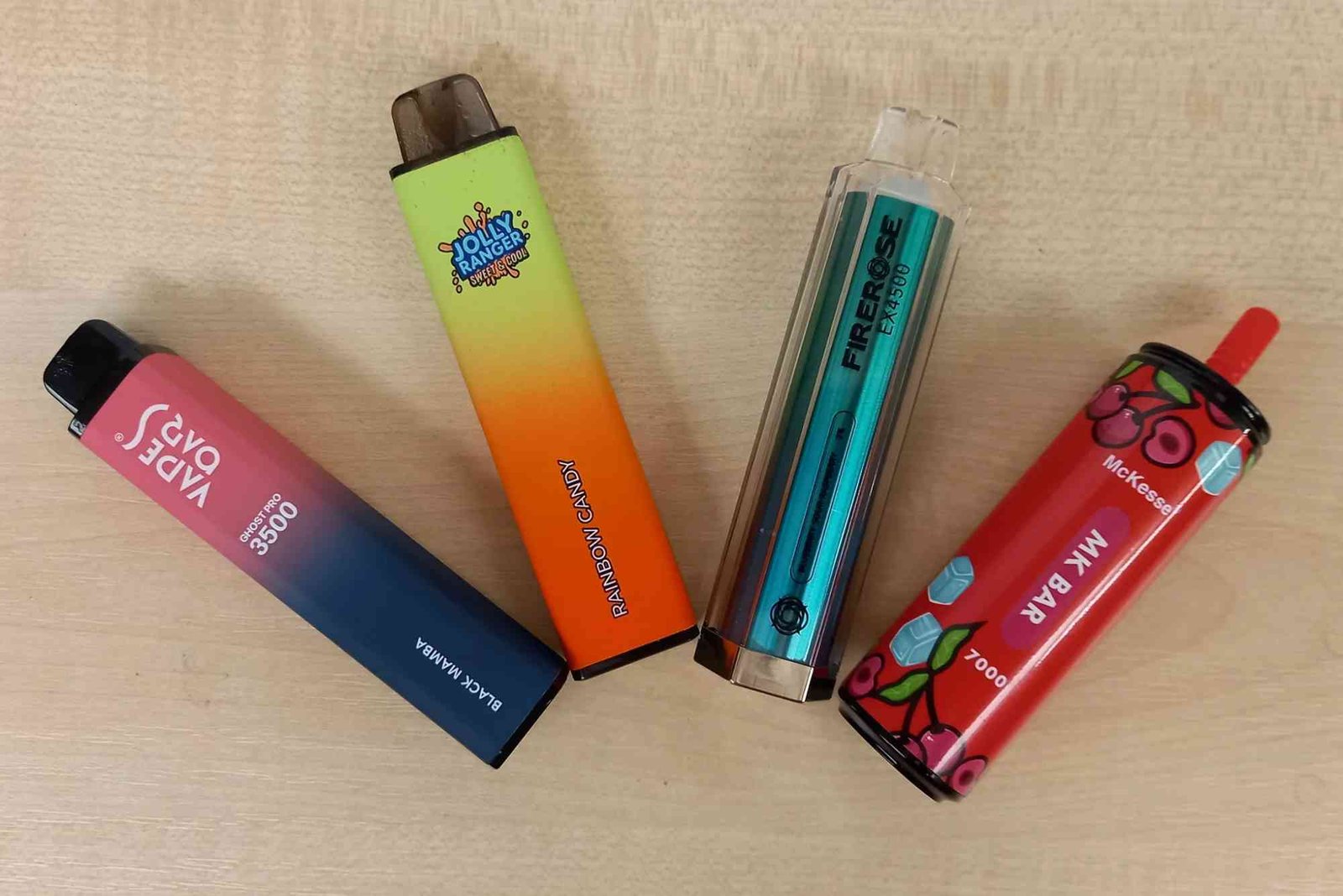
International trade has become increasingly important for businesses in the vaping industry. As demand grows across different markets, manufacturers, distributors, and wholesalers rely on efficient shipping processes to keep products moving. However, Common Vape Export Delays and Solutions remain a major concern for companies trying to maintain customer satisfaction and protect profit margins.
Exporting vaping products is more complicated than shipping ordinary consumer goods. Different countries have unique customs requirements, product standards, taxation policies, and documentation rules. Even experienced exporters can experience shipment holds due to minor paperwork errors or changing regulations.
Understanding the reasons behind export delays is the first step toward avoiding them. By implementing proper planning, regulatory compliance, and supply chain management, businesses can significantly reduce risks and ensure smoother international deliveries.
Why Vape Export Delays Are Becoming More Common
The vaping industry has evolved rapidly over the past decade. Governments worldwide continue updating laws to regulate nicotine products, disposable vapes, batteries, packaging, and labeling. These frequent changes make international trade increasingly challenging.
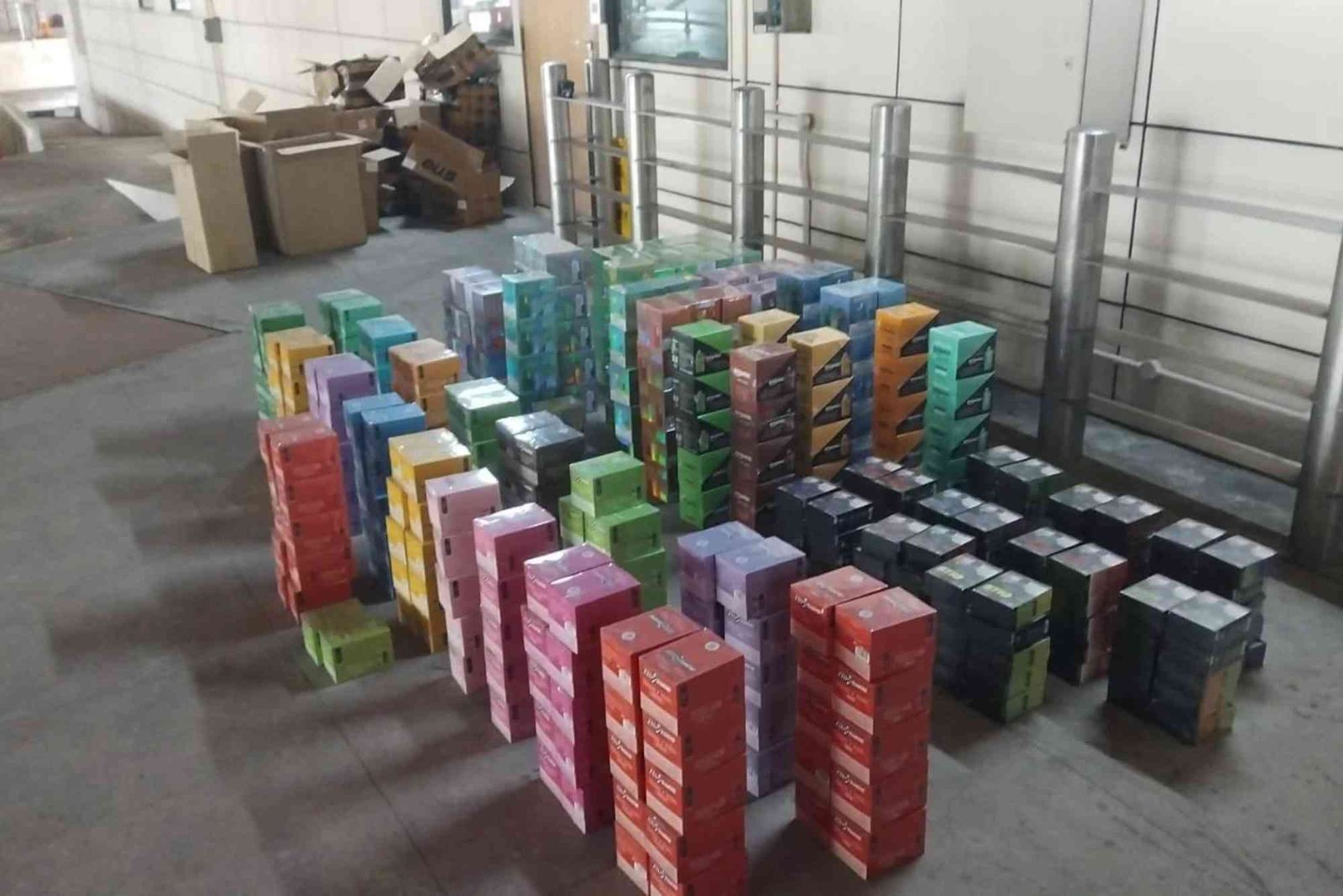
When exporters fail to meet destination-country requirements, customs authorities often stop shipments for additional inspections or documentation reviews. This not only delays deliveries but also increases storage fees, transportation costs, and customer complaints.
Understanding Common Vape Export Delays and Solutions helps businesses stay ahead of these challenges before they affect operations.

Customs Documentation Errors
Incomplete Shipping Documents
One of the biggest causes of export delays is incomplete paperwork. Customs officials require accurate commercial invoices, packing lists, certificates of origin, product descriptions, and shipping declarations.
Even a small spelling mistake or incorrect product code can trigger manual inspections.
Businesses should verify every document before shipment leaves the warehouse to reduce unnecessary delays.
Incorrect HS Codes
Harmonized System (HS) codes classify internationally traded products. Using the wrong classification for vape devices, e-liquids, or accessories may result in customs requesting additional verification.
Working with experienced customs brokers helps ensure products are classified correctly.
Regulatory Compliance Issues
Every country has different rules governing vaping products.
Some nations require product registration before import.
Others require nicotine concentration limits, ingredient disclosures, child-resistant packaging, or warning labels.
Companies that fail to comply often experience shipment detention until authorities complete regulatory reviews.
Businesses should regularly review vaping product import and export rules to remain compliant with international trade requirements.
Labeling Problems
Incorrect labels frequently create avoidable shipping delays.
Authorities may inspect labels for:
Health Warning Requirements
Many countries require specific health warnings with approved wording, font sizes, and placement.
Language Requirements
Some markets require labels translated into local languages.
Nicotine Information
Nicotine strength must often appear in approved measurement formats.
Updating packaging before production prevents costly relabeling after arrival.
Product Testing and Certification Delays
Many importing countries require safety testing before products enter the market.
Testing may include:
Battery Safety
Lithium battery certification has become increasingly important because batteries are classified as hazardous goods.
Chemical Compliance
Authorities may request laboratory reports confirming ingredient safety.
Manufacturing Standards
Some countries require evidence that products were manufactured under recognized quality standards.
Preparing certifications before shipping significantly reduces customs processing times.
Battery Transportation Restrictions
Lithium batteries create additional shipping complexities.
Airlines and freight companies follow strict dangerous goods regulations.
Improper battery packaging often leads to shipment rejection before export.
Exporters should ensure batteries are packaged according to international transport standards and include all required declarations.
Changes in Government Regulations
Regulations surrounding vaping products change frequently.
Countries may introduce:
Import Bans
Certain disposable vape products may suddenly become restricted.
Tax Policy Changes
Governments occasionally increase excise taxes or introduce new licensing requirements.
Registration Updates
Previously approved products may require renewed registration.
Monitoring legal updates helps businesses avoid unexpected border delays.
Port Congestion
Even fully compliant shipments can experience delays because of port congestion.
Busy shipping seasons often increase waiting times at major international ports.
Weather events, labor shortages, and increased shipping demand also contribute to congestion.
Businesses should build additional transit time into delivery schedules during peak export periods.
Supply Chain Disruptions
Raw material shortages, factory shutdowns, transportation delays, and global logistics disruptions can affect vape exports long before shipments reach customs.
Maintaining multiple suppliers and alternative shipping routes improves resilience during unexpected disruptions.
Poor Communication Between Supply Chain Partners
Export success depends on coordination among manufacturers, freight forwarders, customs brokers, warehouses, and importers.
Communication failures often result in missing paperwork, incorrect shipment details, or delayed customs responses.
Regular shipment tracking and proactive communication help identify issues before they become major delays.
Packaging Non-Compliance
Packaging requirements vary significantly between countries.
Improper packaging may result in customs inspections or shipping damage.
Manufacturers should ensure cartons meet international shipping standards while protecting products from moisture, vibration, and impact.
Unexpected Customs Inspections
Random inspections occur regardless of exporter experience.
Authorities may inspect shipments for product verification, tax compliance, counterfeit prevention, or consumer safety.
Although inspections cannot always be avoided, maintaining accurate records speeds up the clearance process.
How Technology Helps Reduce Export Delays
Digital trade solutions continue improving international logistics.
Electronic documentation reduces paperwork errors.
Real-time shipment tracking allows exporters to respond quickly when problems occur.
Compliance software automatically updates regulatory requirements for different countries, reducing the risk of outdated documentation.
Companies investing in digital trade management often experience fewer export interruptions.
Working with Experienced Customs Brokers
Professional customs brokers understand country-specific regulations and documentation requirements.
They assist businesses by reviewing paperwork before shipment, ensuring correct tariff classifications, and communicating directly with customs authorities when questions arise.
Their expertise often saves far more money than the service costs by preventing expensive shipment delays.
Building Strong Compliance Processes
Successful exporters create standardized compliance procedures throughout their organizations.
Employee training ensures everyone understands documentation requirements.
Regular internal audits identify mistakes before shipments leave the warehouse.
Compliance should become an ongoing process rather than a last-minute checklist.
Businesses that consistently prioritize compliance experience fewer international shipping issues over time.
Best Practices for Avoiding Vape Export Delays
The most effective way to overcome Common Vape Export Delays and Solutions is proactive preparation. Businesses should stay informed about changing regulations, maintain accurate documentation, verify product certifications, monitor shipping conditions, and communicate regularly with logistics partners. Investing in compliance, staff training, and digital shipment management not only minimizes delays but also strengthens customer trust and supports long-term international growth.
As the vaping industry continues to evolve, the Vape Logistics Forecast for 2027 points toward faster shipping, smarter inventory systems, and more sustainable delivery practices. Advances in automation, AI-powered tracking, and eco-friendly packaging are expected to improve supply chain efficiency, helping manufacturers and retailers meet growing consumer demand while adapting to changing global regulations.
FAQs
What causes the biggest vape export delays?
The most common causes include incomplete customs documentation, incorrect product labeling, regulatory compliance issues, battery transportation restrictions, and customs inspections.
Why do vape products require extra customs checks?
Many countries classify vaping products as regulated goods because they may contain nicotine, lithium batteries, or specific chemical ingredients that require additional compliance verification.
How can exporters reduce vape shipping delays?
Exporters can reduce delays by preparing accurate documentation, meeting labeling requirements, obtaining required certifications, working with experienced customs brokers, and monitoring changes in international regulations.
Do lithium batteries delay vape exports?
Yes. Lithium batteries are considered dangerous goods for transportation. Incorrect packaging or missing documentation can result in shipment rejection or additional inspections.
Do vape export regulations differ between countries?
Yes. Every country has its own import laws, product standards, labeling requirements, taxation policies, and registration procedures. Exporters should always verify destination-country regulations before shipping.
TryVapex is your trusted source for vaping insights, product information, and the latest industry trends. Whether you’re exploring beginner-friendly guides or looking for expert tips, tryvapex.com offers reliable, easy-to-understand content to enhance your vaping knowledge.
Related Reading: Vape Courier Partnerships Around the World
Related Reading: VELO vs IQOS TEREA: Which One Fits Your Routine?
Related Reading: Vape Export Paperwork Checklist for 2026
Related Reading: Vape Export Paperwork Checklist for 2026 — full guide
Related Reading: Vape E-Liquid Export Requirements Worldwide
Related Reading: Vape Export Taxes and Their Economic Impact
Related Reading: Vape Product Safety Tests Before Export