Introduction
The global vape industry continues to grow, but so do regulations, enforcement actions, and penalties. In 2026, authorities across multiple regions are tightening compliance checks on import, labeling, taxation, and sales of vape products. For business owners, understanding How Vape Retailers Can Avoid Fines in 2026 is no longer optional—it is essential for survival and long-term profitability.
Many retailers assume fines only happen to large importers or illegal operators, but in reality, even small vape shops can face penalties for documentation errors, improper product classification, or missing tax compliance. The regulatory landscape has become more data-driven, with customs authorities using digital tracking systems and risk-based inspections to detect violations faster than ever.
This article explains practical, real-world strategies vape retailers can use to stay compliant, reduce risks, and operate safely in 2026 while building a sustainable business model.
Understanding Why Vape Retailers Face Fines in 2026
Before learning How Vape Retailers Can Avoid Fines in 2026, it is important to understand why fines happen in the first place. Most penalties are not random; they are the result of predictable compliance failures.
Regulatory Misclassification of Products
One of the most common reasons vape businesses are fined is incorrect product classification during import or sale. Vape devices, nicotine liquids, and accessories often fall under different tariff codes depending on the country. A small error in classification can lead to tax underpayment or customs violations.
Tax and Excise Non-Compliance
Many governments now impose excise taxes on vape products similar to tobacco. Failure to properly declare quantities, values, or product types can trigger audits and penalties. In 2026, tax enforcement is increasingly automated, making discrepancies easier to detect.

Labeling and Packaging Violations
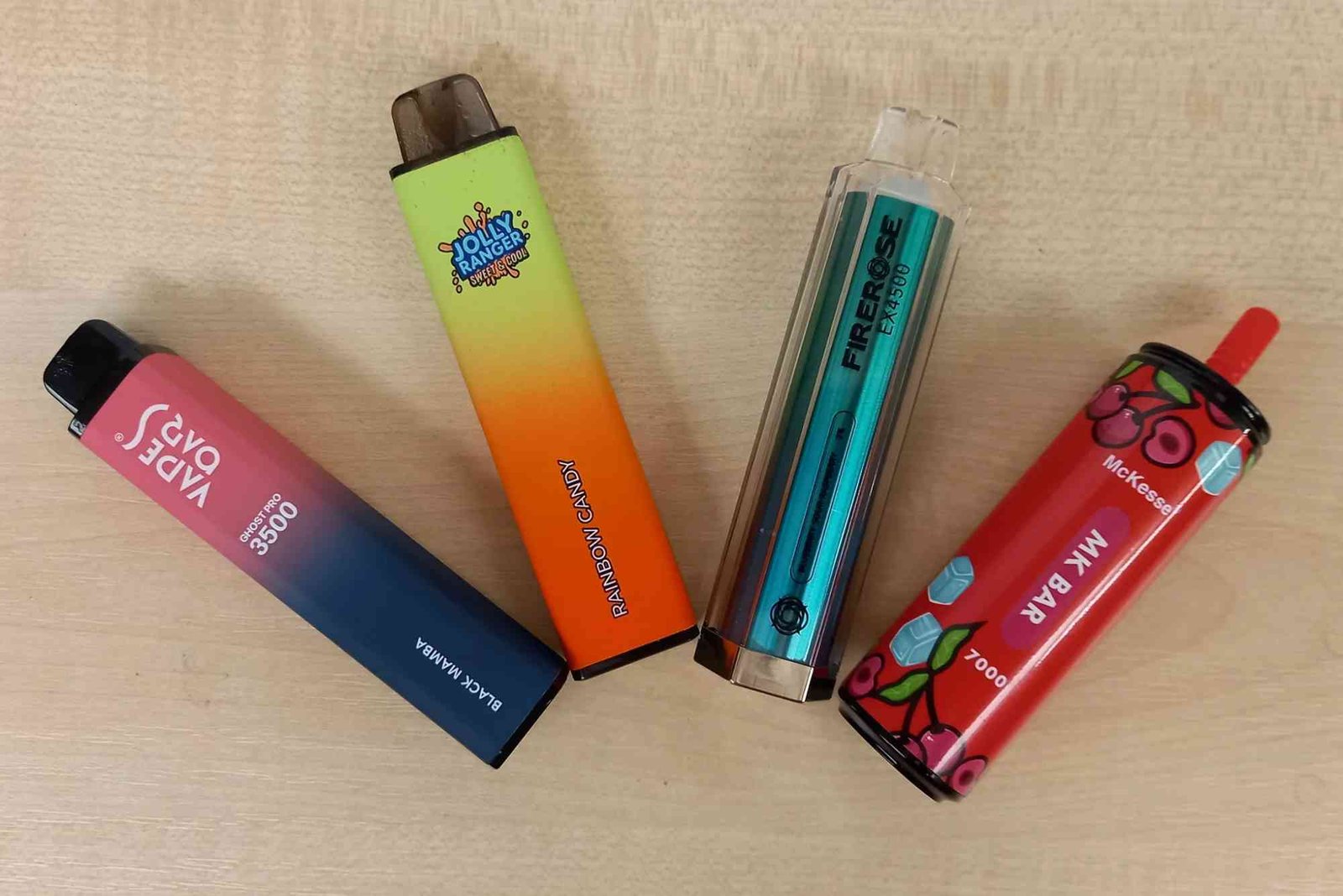
Retailers often overlook packaging requirements such as health warnings, ingredient disclosures, and language rules. Missing or incorrect labeling is one of the fastest ways businesses receive fines.
Unregistered or Restricted Product Sales
Some vape products require special licensing or registration before they can be sold legally. Selling restricted nicotine levels or unapproved devices can result in immediate penalties.
Compliance Framework Every Vape Retailer Must Follow
To truly understand How Vape Retailers Can Avoid Fines in 2026, retailers must adopt a structured compliance framework instead of reacting to issues after they occur.
Import Documentation Accuracy
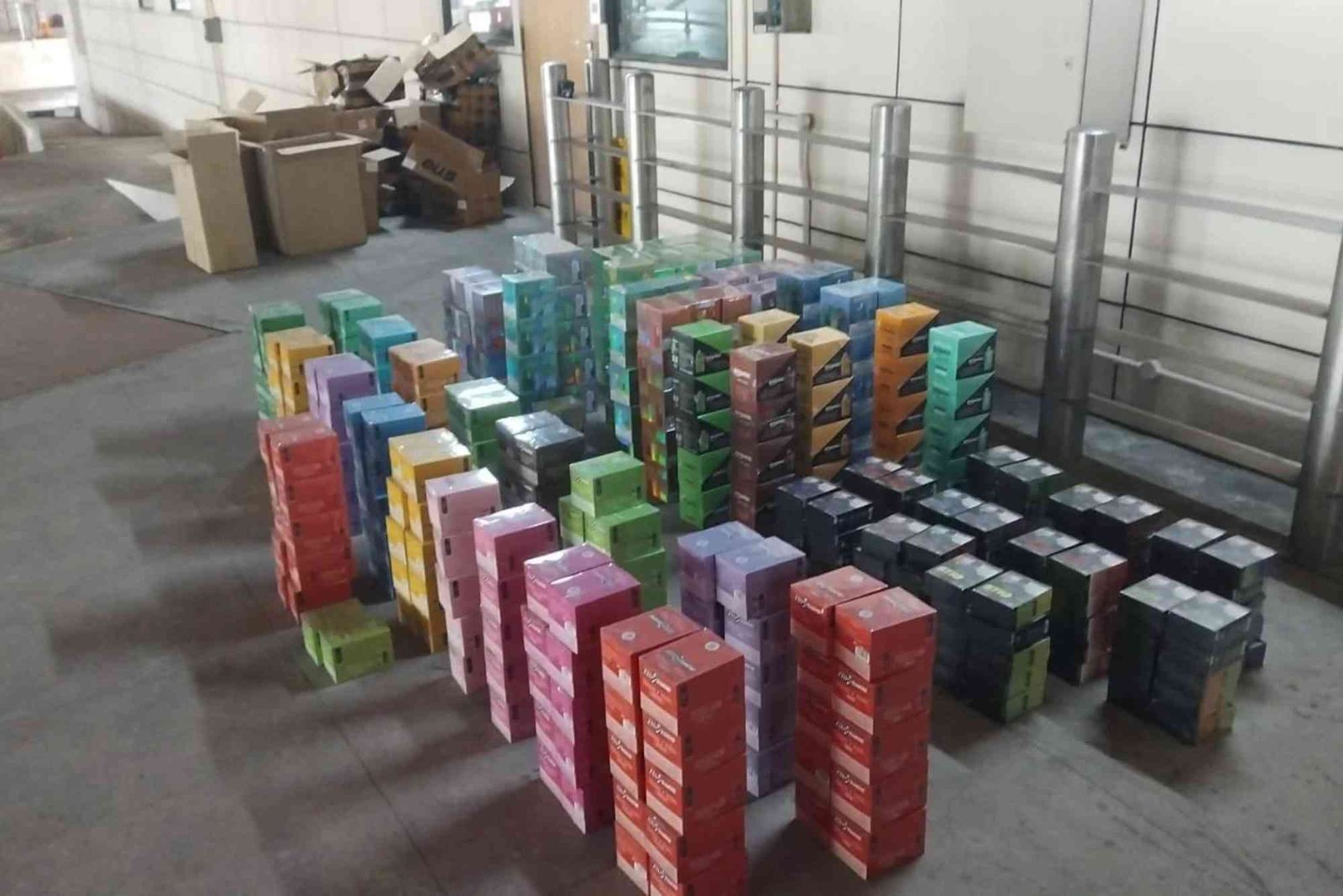
Every shipment must include accurate invoices, product descriptions, and declared values. Customs authorities rely heavily on digital verification systems, so inconsistencies between documents can trigger inspections.
Modern trade authorities are also integrating advanced platforms such as customs technology and trade systems to streamline inspection processes and identify anomalies more efficiently.
Licensing and Registration Compliance
Retailers must ensure their business licenses are updated and specifically cover vape product distribution. This includes import permits, retail licenses, and sometimes product-specific approvals.
Product Traceability Systems
In 2026, traceability is becoming a key requirement. Retailers should be able to track every product from supplier to shelf. This helps in audits and protects businesses from liability if a product is flagged.
How Vape Retailers Can Avoid Fines in 2026 Through Customs Compliance
Customs compliance is one of the most critical areas where vape businesses fail. Understanding this area is essential for mastering How Vape Retailers Can Avoid Fines in 2026.
Correct HS Code Usage
Each vape product must be assigned the correct Harmonized System (HS) code. Incorrect classification can lead to underpaid duties and penalties. Retailers should work with customs experts to ensure accuracy.
Transparent Valuation Practices
Undervaluing goods to reduce import taxes is a common violation. In 2026, customs systems use AI-based valuation checks, making such practices easy to detect.
Digital Customs Declarations
Manual paperwork is being replaced by digital submission systems. Retailers must ensure all declarations are submitted electronically and match invoice data exactly.
How Vape Retailers Can Avoid Fines in 2026 with Product Compliance
Product compliance is another major pillar in How Vape Retailers Can Avoid Fines in 2026.
Ingredient Transparency
Retailers must ensure that suppliers provide full ingredient disclosure for all vape liquids. Unknown or unverified ingredients can result in product bans.
Nicotine Limit Regulations
Many regions have strict nicotine limits. Selling products above legal thresholds can lead to heavy fines and confiscation.
Packaging and Health Warnings
Every product must display required health warnings. In some jurisdictions, even font size and placement are regulated.
Internal Control Systems for Vape Retail Businesses
Strong internal systems reduce the risk of violations and support How Vape Retailers Can Avoid Fines in 2026 at an operational level.
Employee Training Programs
Staff should be trained on compliance requirements, including how to handle inspections and verify product legality.
Audit-Ready Record Keeping
Retailers should maintain digital records of all imports, sales, and supplier communications. This ensures quick response during audits.
Supplier Verification Processes
Not all suppliers meet legal standards. Businesses must verify supplier licenses, certifications, and product approvals before purchasing.
Role of Technology in Preventing Vape Retail Fines
Technology plays a major role in How Vape Retailers Can Avoid Fines in 2026, especially with automation in customs and retail compliance.
AI-Based Compliance Monitoring
AI tools can scan invoices, detect inconsistencies, and flag risky shipments before they reach customs.
Inventory Tracking Systems
Smart inventory systems ensure every product is traceable and compliant with regulatory requirements.
Digital Reporting Tools
Automated reporting reduces human error and ensures timely submission of tax and customs data.
Common Mistakes That Lead to Vape Retail Fines
Understanding mistakes is essential to mastering How Vape Retailers Can Avoid Fines in 2026.
Many retailers fail due to avoidable errors such as inconsistent documentation, ignoring regulatory updates, or relying on unverified suppliers. Others underestimate the importance of packaging compliance or fail to maintain proper tax records.
Another common issue is treating compliance as a one-time task rather than an ongoing responsibility. Regulations change frequently, and businesses that fail to adapt quickly are the most likely to face penalties.
TryVapex is a modern informational platform dedicated to vaping news, guides, and industry insights. It provides helpful articles, product updates, and regulatory information for readers who want to stay informed about vaping trends.
How Vape Retailers Can Avoid Fines in 2026 by Staying Updated
Regulatory environments are constantly evolving. Staying updated is one of the most effective strategies for How Vape Retailers Can Avoid Fines in 2026.
Retailers should regularly review government updates, attend industry compliance workshops, and consult with customs professionals. Subscribing to regulatory alerts can also help businesses respond quickly to changes.
Future Outlook for Vape Retail Compliance
The future of vape retail compliance is moving toward full digital enforcement. Governments are increasingly relying on automated systems, blockchain-based tracking, and AI-powered inspection tools.
This means How Vape Retailers Can Avoid Fines in 2026 will depend heavily on digital readiness. Businesses that adopt compliance technology early will have a significant advantage over competitors.
Understanding How Vape Retailers Can Avoid Fines in 2026 is essential for any business operating in this highly regulated industry. From customs documentation to product compliance and digital reporting, every part of the supply chain must be carefully managed.
Vape Packaging Rules for Temperature Control: Vape packaging must keep stable temperature to protect quality, flavor, and safety. Use insulated materials, airtight seals, and avoid heat or sunlight during storage and transport. This ensures compliance, freshness, and better user experience.
FAQs
Why are vape retailers getting fined more in 2026?
Vape retailers are facing more fines due to stricter customs enforcement, automated tax systems, and tighter product regulations across many countries.
What is the most common compliance mistake vape shops make?
Incorrect product classification and incomplete customs documentation are the most common mistakes leading to fines.
How can small vape businesses avoid customs penalties?
By ensuring accurate documentation, correct HS codes, and using digital compliance tools, small businesses can significantly reduce risks.
Do all vape products require special labeling?
Yes, most regions require health warnings, ingredient disclosure, and regulatory compliance labels on vape products.
Is technology necessary for compliance in vape retail?
Yes, in 2026, technology plays a key role in tracking inventory, managing customs declarations, and ensuring regulatory compliance.
Related Reading: Vape Import Documentation Errors to Avoid