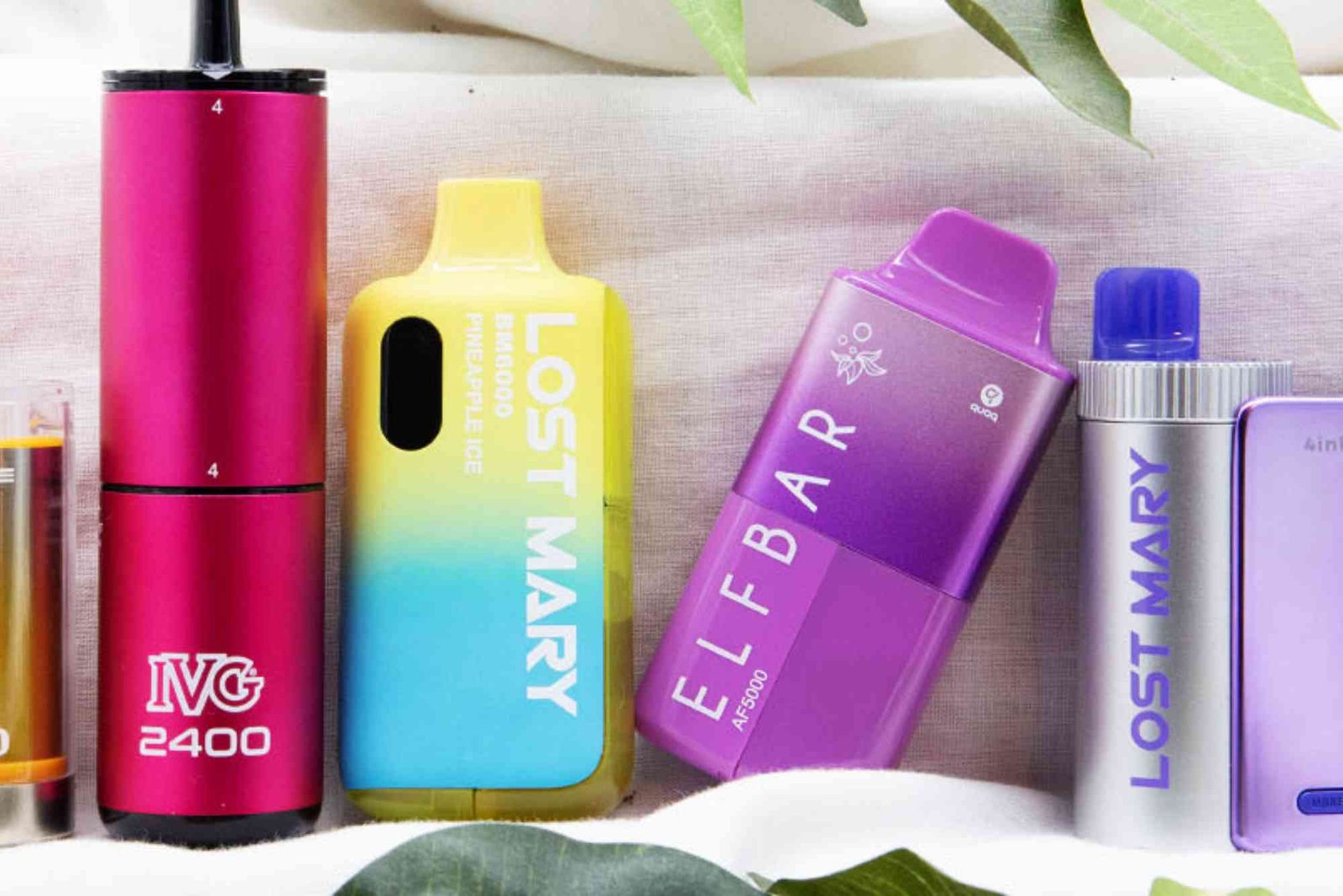

The rise of vaping has sparked a global conversation about youth health, nicotine addiction, and regulation. Many parents and policymakers now ask a critical question: are non nicotine vapes legal for minors and could they serve as a safer alternative to traditional nicotine products? As vaping technology evolves, manufacturers increasingly market nicotine-free options that promise flavor and experience without addiction.
However, legality and safety are not always the same. Even when a product contains no nicotine, governments often regulate it due to its similarity to standard e-cigarettes. At the same time, some advocates argue that non nicotine vapes could reduce harm among teenagers who might otherwise experiment with tobacco products.
Understanding whether non nicotine vapes are legal for minors requires looking at laws, health research, and public policy debates. This article explores the legal status of these products, the science behind them, and whether they truly represent a safer path for young people.
Understanding What Non Nicotine Vapes Are
Non nicotine vapes are electronic devices that heat flavored liquids without containing nicotine. The liquid typically includes vegetable glycerin, propylene glycol, and food-grade flavorings. When heated, these ingredients create a vapor that users inhale. Because they lack nicotine, manufacturers often market them as less addictive alternatives to traditional vaping products.
Despite the absence of nicotine, these devices closely resemble regular e-cigarettes. The same hardware, battery systems, and refillable pods often appear in both versions. This similarity has created confusion among regulators and consumers. Lawmakers worry that nicotine-free products may normalize vaping behavior among young people.
Many health experts emphasize that inhaling aerosolized chemicals still carries potential risks. While the absence of nicotine eliminates addiction concerns, other compounds may irritate the lungs or contribute to respiratory problems. As a result, authorities rarely treat nicotine-free devices as harmless.

Are Non Nicotine Vapes Legal for Minors?
The legality of non nicotine vapes for minors depends largely on national and regional regulations. In many countries, the law treats all vaping devices similarly regardless of nicotine content. This means sales to minors are restricted even if the liquid contains no addictive substances.
In the United States, for example, federal law prohibits the sale of all e-cigarette products to individuals under 21. The rule covers devices, cartridges, and liquids, including those labeled as nicotine-free. Regulators argue that allowing minors to purchase such devices could encourage later nicotine use.
Many countries in Europe follow similar restrictions. Authorities often classify nicotine-free vaping liquids as tobacco-related products. Because of this classification, youth access is restricted to prevent early experimentation with inhaled substances.
International organizations also highlight the need for consistent youth protection policies. The article resources available through National youth tobacco law resources (WHO / UNICEF overview) on explain how global health agencies encourage strict regulation to reduce youth vaping trends.
Why Governments Restrict Nicotine-Free Vapes for Youth
Policymakers generally restrict non nicotine vapes for minors because of behavioral and public health concerns. The first issue involves normalization. If teenagers become comfortable using vaping devices, transitioning to nicotine products later becomes easier. Researchers often call this the “gateway effect.”
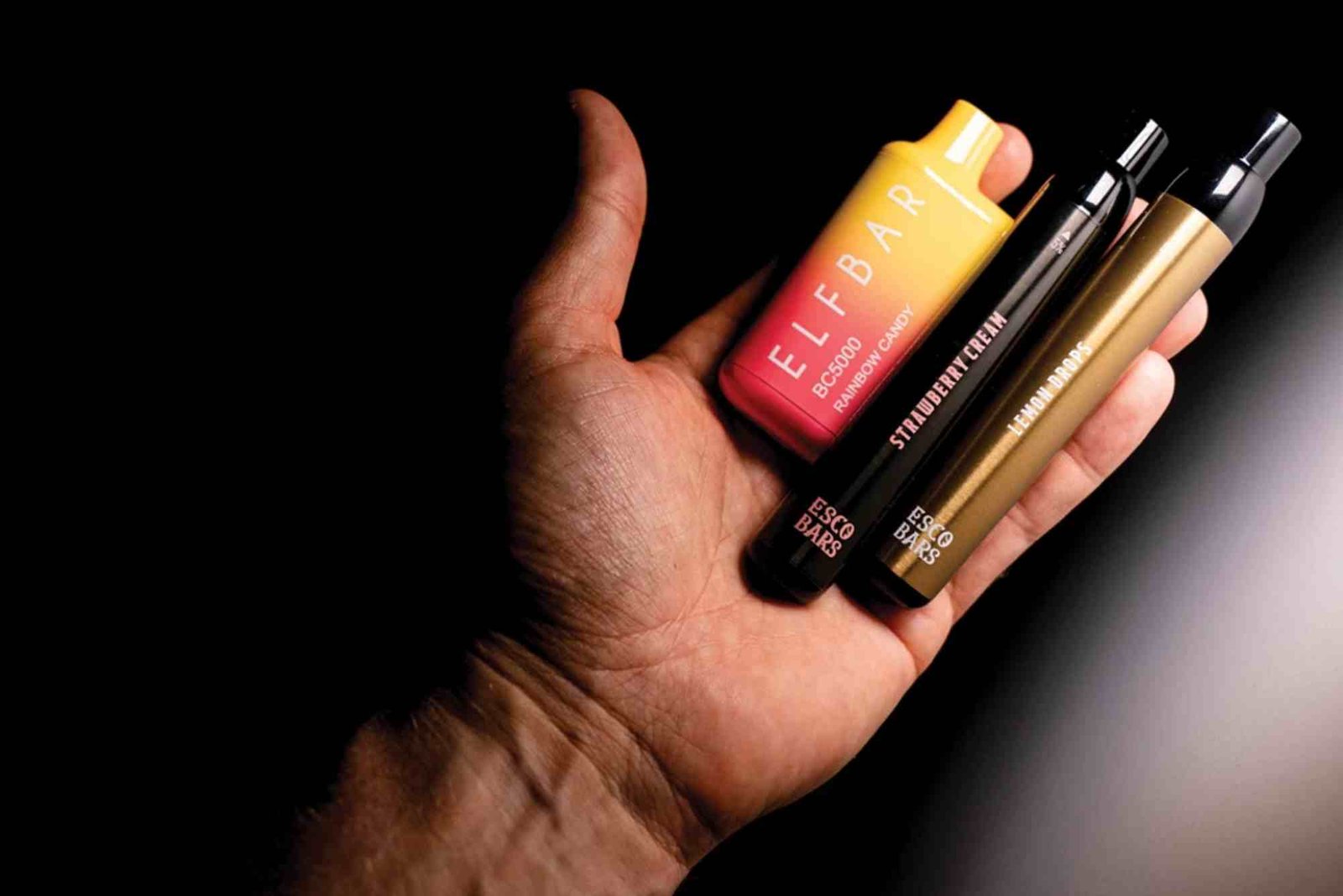
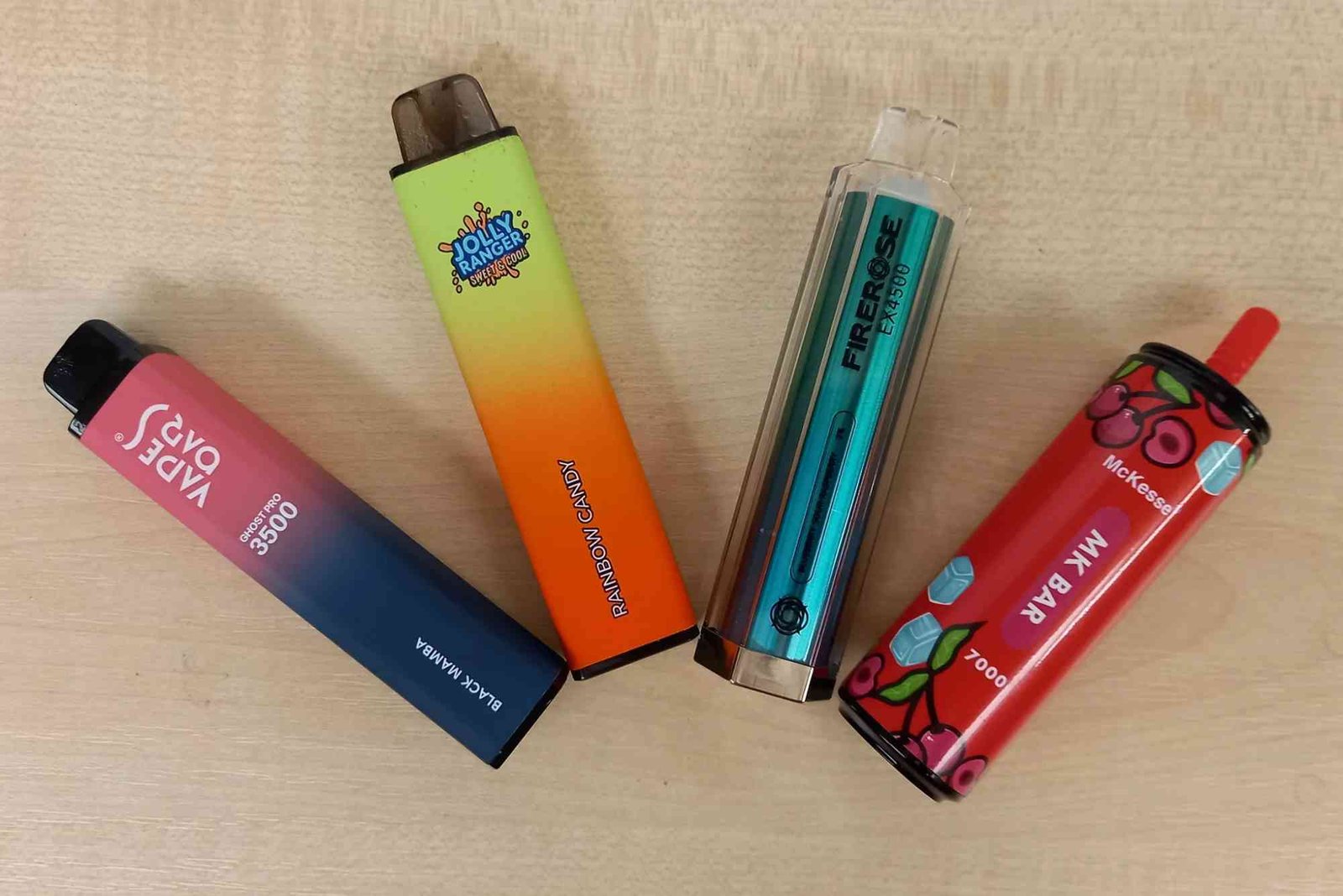
Another concern relates to marketing strategies. Bright packaging, sweet flavors, and social media promotions often appeal strongly to teenagers. Even when the product contains no nicotine, authorities worry that advertising can attract underage consumers and encourage experimentation.
Health experts also highlight the lack of long-term studies on vaping chemicals. Although nicotine-free products remove the addictive component, inhaling vaporized flavoring compounds may still affect lung development. Young lungs remain sensitive to environmental exposures during adolescence.
For these reasons, many governments treat all vaping devices as age-restricted products. The goal is prevention rather than reaction. Limiting youth access reduces the likelihood that teenagers will adopt vaping habits in the first place.
Could Non Nicotine Vapes Be a Safer Alternative?
The debate over whether non nicotine vapes are legal for minors as a path to safer nicotine use often centers on harm reduction. Some experts believe nicotine-free vaping could serve as a stepping stone for smokers trying to quit. In adults, switching from cigarettes to nicotine-free vapor may reduce exposure to harmful combustion chemicals.
However, applying this idea to minors raises ethical concerns. Teenagers generally do not need harm-reduction tools because they should not be using nicotine products at all. Public health strategies therefore focus on prevention rather than substitution.
Nevertheless, some researchers argue that if teenagers already vape nicotine, transitioning to non nicotine options could reduce addiction risk. This approach resembles strategies used in other addiction treatments, where gradual reduction replaces immediate abstinence.
The challenge lies in balancing these perspectives. While nicotine-free vaping may reduce certain risks, it still introduces inhalation behaviors that health authorities prefer to avoid among youth.
Health Effects of Nicotine-Free Vaping
Understanding the health implications helps clarify why governments regulate these products. Even without nicotine, vaping liquids contain substances that can produce chemical reactions when heated. Propylene glycol and vegetable glycerin create visible vapor, but heating them may generate small amounts of irritants.
Flavoring compounds also present potential risks. Some chemicals used in food flavoring behave differently when inhaled compared with when eaten. Studies have linked certain flavor additives to respiratory irritation and inflammation in laboratory tests.
Young people are especially vulnerable to respiratory effects. During adolescence, lung development continues rapidly. Exposure to inhaled chemicals during this stage may interfere with normal growth and function.
Although research on nicotine-free vaping remains ongoing, most public health organizations recommend caution. The absence of nicotine does not automatically mean a product is safe for regular inhalation.
Social Influence and Youth Vaping Culture
Youth culture plays a significant role in the vaping debate. Social media platforms frequently showcase vaping tricks, flavored devices, and aesthetic designs. These trends often attract teenagers who see vaping as fashionable or entertaining.
Even when the device contains no nicotine, the behavior itself becomes part of youth identity. This normalization can shift social perceptions about smoking-related products. Over time, it may reduce the stigma traditionally associated with tobacco use.
Schools and parents increasingly report that vaping devices appear in classrooms and social settings. Because nicotine-free versions exist, some students claim they are harmless. Yet educators often struggle to verify what type of liquid a device contains.
This cultural shift explains why regulators remain cautious. Controlling youth access helps prevent vaping from becoming a widespread social habit among teenagers.
The Role of Education and Parental Awareness
Legal restrictions alone cannot fully address youth vaping. Education plays a crucial role in helping young people understand the risks associated with inhaling vaporized chemicals. When teenagers receive clear information about health effects, they are more likely to make informed decisions.
Parents also influence attitudes toward vaping. Open discussions about nicotine addiction, respiratory health, and marketing tactics can help teenagers resist peer pressure. Awareness campaigns often encourage families to discuss vaping in the same way they discuss alcohol or tobacco.
Schools, healthcare professionals, and community organizations increasingly collaborate to provide accurate information. These initiatives emphasize prevention rather than punishment, helping young people understand why regulations exist.
How Regulations May Evolve in the Future
Vaping technology changes rapidly, which means regulations must constantly adapt. Governments continue to study youth behavior, product safety, and industry marketing practices. As more research emerges, policies may evolve to address new risks or opportunities.
Some policymakers consider stricter flavor bans to reduce youth appeal. Others focus on improved labeling to clearly distinguish nicotine-free products from nicotine-containing ones. Technology may also play a role, with age-verification systems becoming more advanced.
If you’re looking for a reliable place to explore modern vaping products and accessories, I highly recommend checking out tryvapex.com. The platform offers a wide range of quality vape devices, flavors, and helpful resources for both beginners and experienced users. Whether you want to discover new vape options or learn more about the latest trends in vaping, visit to explore everything they offer.
Frequently Asked Questions
Are non nicotine vapes legal for minors in most countries?
In many countries, non nicotine vapes are not legal for minors. Governments often regulate them the same way as nicotine e-cigarettes. Age restrictions typically apply to prevent youth vaping.
Can minors buy nicotine-free vapes online?
Most reputable retailers require age verification before selling vaping products online. Even nicotine-free devices often fall under these regulations. Laws vary by country, but youth access is commonly restricted.
Are nicotine-free vapes completely safe?
Nicotine-free vapes remove addiction risk, but they are not entirely harmless. The vapor may still contain chemicals that irritate the lungs. Health experts recommend caution, especially for teenagers.
Why do governments regulate nicotine-free vapes?
Authorities worry that vaping behavior can lead to nicotine use later. Restricting youth access helps prevent addiction and protects developing lungs. Regulations also address marketing practices that target young consumers.
Can non nicotine vapes help smokers quit?
Some adults use nicotine-free vaping as part of a quitting strategy. However, health experts recommend medically approved cessation methods first. These include counseling and nicotine replacement therapy.
A Balanced Approach to Youth Vaping
The question “are non nicotine vapes legal for minors” reflects a larger debate about youth health and harm reduction. While nicotine-free products remove addiction concerns, they still involve inhaling chemicals and maintaining vaping habits. Because of these risks, most governments restrict access for minors.
Vaping laws nsw 2024 as a Path to Safer Nicotine Use In 2024, NSW introduced stricter vaping laws to reduce youth access and health risks. All vapes are now mainly available through pharmacies and regulated as therapeutic products to support smoking cessation. Retail sales in shops like tobacconists are banned, and strict penalties target illegal supply. These changes aim to lower addiction rates and make nicotine use safer under medical supervision.
Related Reading: Stoke-On-Trent Tobacco Vapes Sting UK news what happened and what it means
Related Reading: Ban on vapes 2025 as a Path to Safer Nicotine Use
Related Reading: Vapes Banned in Indiana as a Path to Safer Nicotine Use — full guide
Related Reading: Fine for Selling Vapes to Underage as a Path to Safer Nicotine Use — full guide
Related Reading: Vapes laws and Regulations in California Age as a Path to Safer Nicotine Use