The debate around nicotine consumption has intensified in recent years. Governments worldwide are searching for ways to reduce smoking-related harm while controlling emerging alternatives like vaping. In Australia, the vaping laws NSW 2024 mark a significant shift toward stricter regulation and public health protection.
These new policies aim to control the availability of nicotine vapes, prevent youth access, and ensure vaping products are used primarily for smoking cessation. While controversial for some consumers, many health experts believe the vaping laws NSW 2024 represent a structured path toward safer nicotine use.
Understanding these regulations is essential for smokers, healthcare providers, and retailers alike. This article explores how the updated framework works, why it was introduced, and what it means for the future of nicotine consumption in New South Wales.
Understanding the Purpose of Vaping Laws NSW 2024
The vaping laws NSW 2024 were introduced to address growing concerns about unregulated vaping products. Over the past few years, disposable vapes and flavored nicotine products became widely available. This surge raised alarms among public health authorities.
Health officials observed that many young people began vaping despite never having smoked cigarettes. As a result, policymakers moved to tighten regulations. Their goal was to ensure vaping remained a controlled tool for quitting smoking rather than a recreational habit.
Authorities believe that strict oversight can reduce health risks while maintaining access for people who genuinely need nicotine replacement options. The framework emphasizes medical supervision, product safety, and reduced youth exposure.

For official regulatory guidance and updates, readers can consult NSW Health — 2024 vape law updates.
Why Governments Are Regulating Vaping More Strictly
Nicotine remains one of the most addictive substances used worldwide. While vaping is often considered less harmful than smoking traditional cigarettes, it still carries risks. The challenge for regulators is balancing harm reduction with prevention.
The vaping laws NSW 2024 aim to solve this dilemma. They recognize that some smokers may benefit from switching to vaping. However, they also seek to stop the rapid rise in youth vaping.
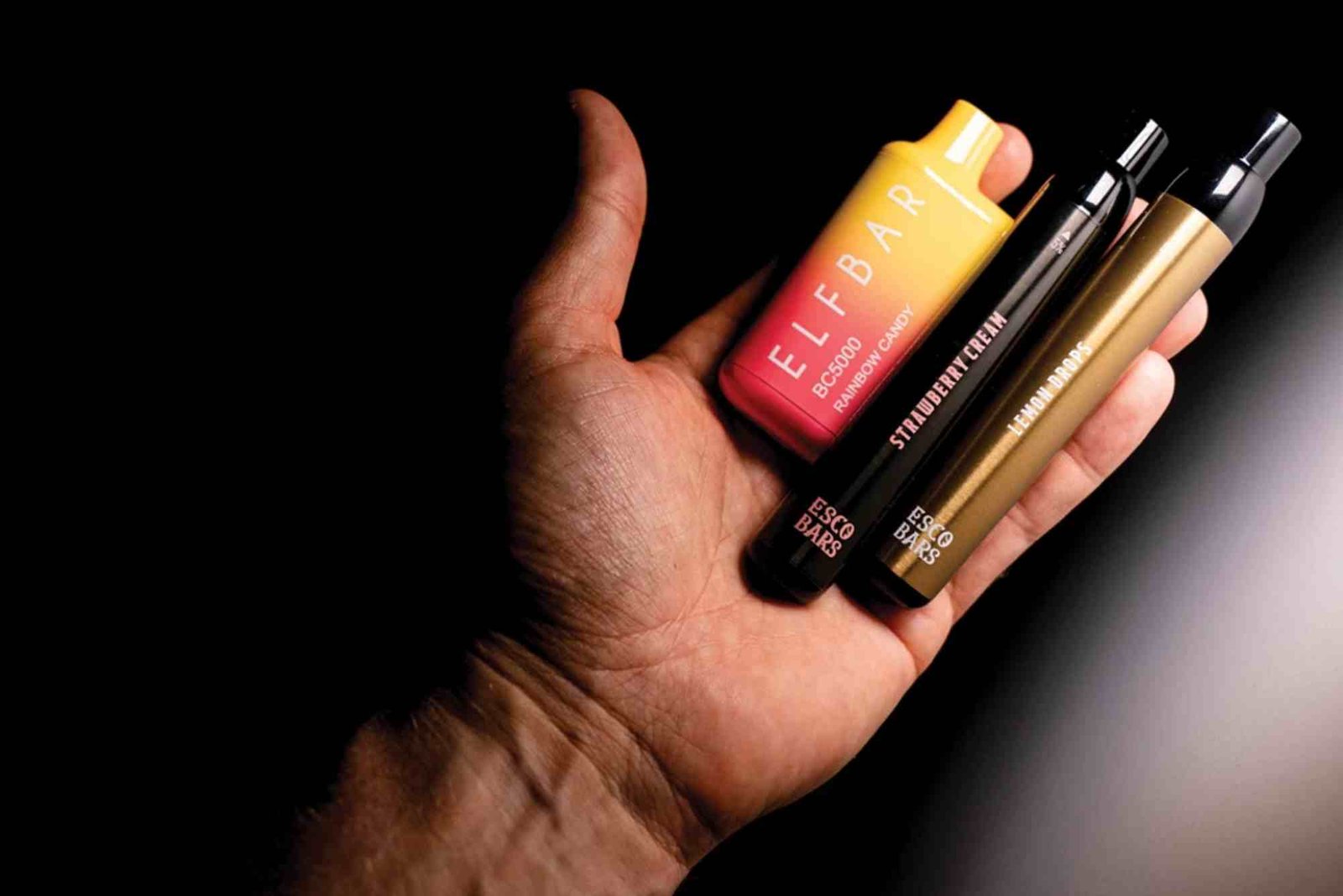
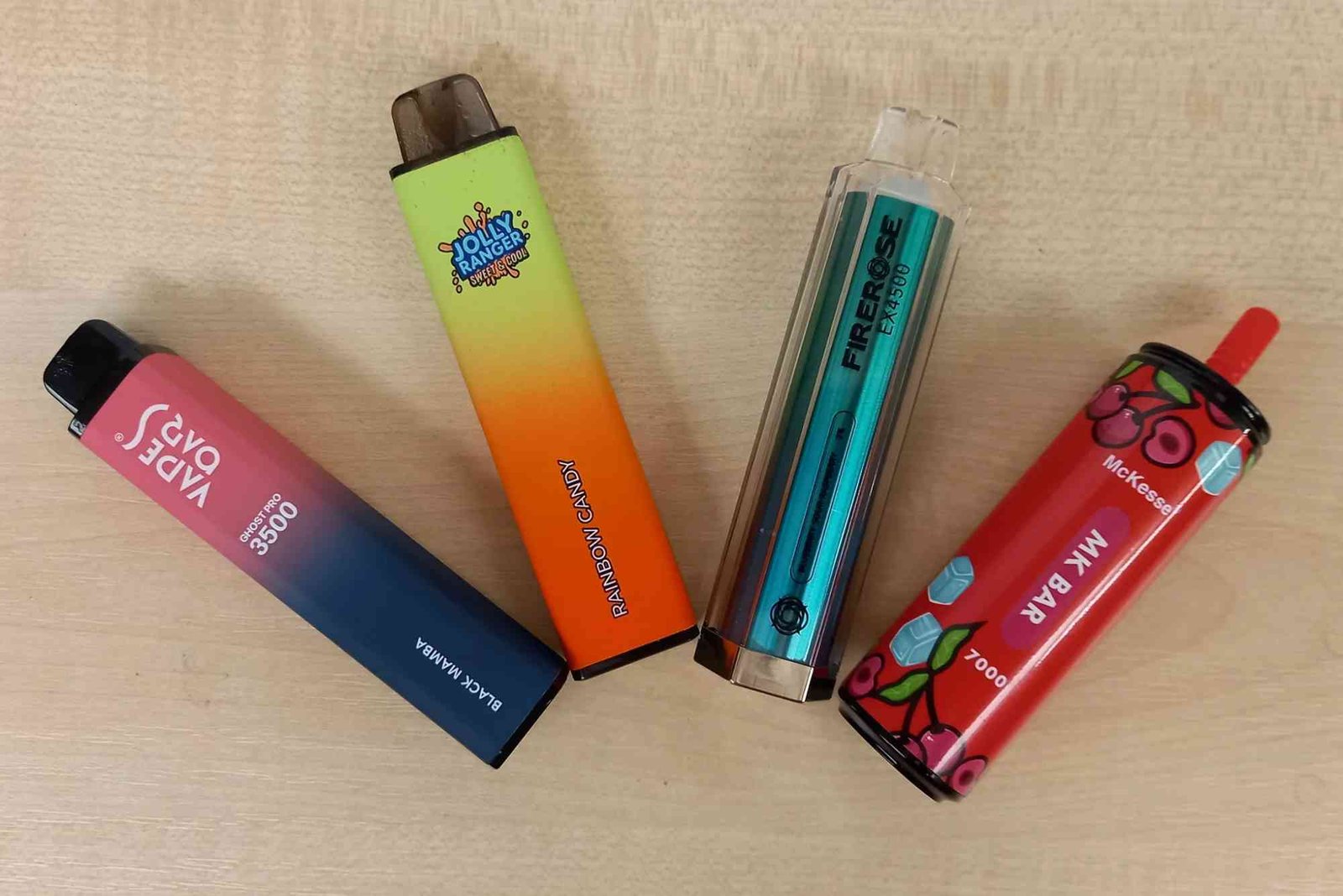
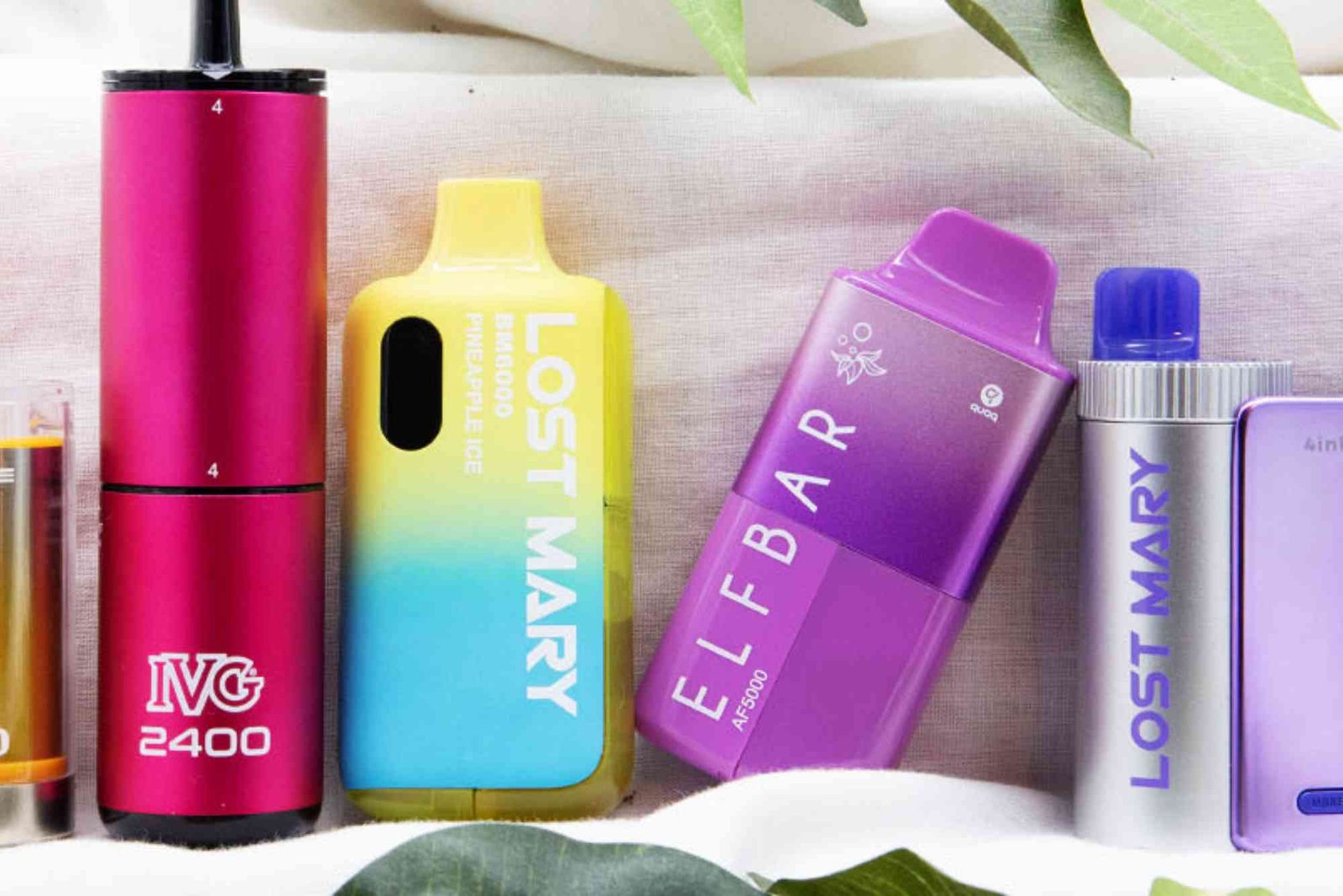
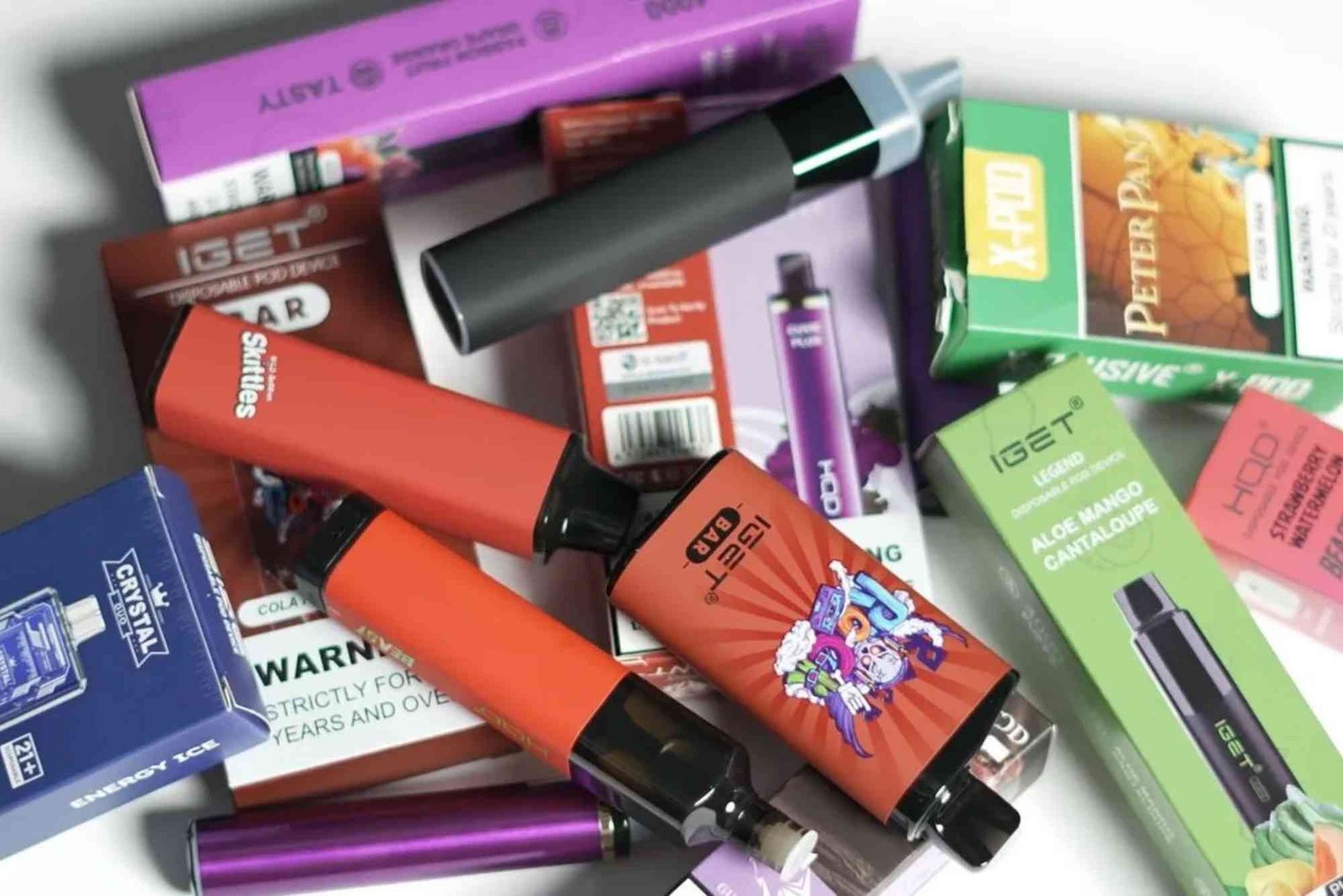
Public health research shows that flavored disposable vapes attract younger audiences. These products are often marketed with bright colors and sweet flavors. Such marketing strategies increase the risk of nicotine addiction among teenagers.
Therefore, the new regulations place tighter controls on retail access, product composition, and advertising practices.
Key Changes Introduced in Vaping Laws NSW 2024
The vaping laws NSW 2024 introduce several major regulatory changes. These changes reshape how nicotine vaping products are distributed and consumed across the state.
One of the most notable adjustments is the prescription-only model for nicotine vapes. Under this approach, individuals must obtain a doctor’s prescription before purchasing nicotine-containing vaping products. This system treats vaping as a therapeutic aid rather than a lifestyle product.
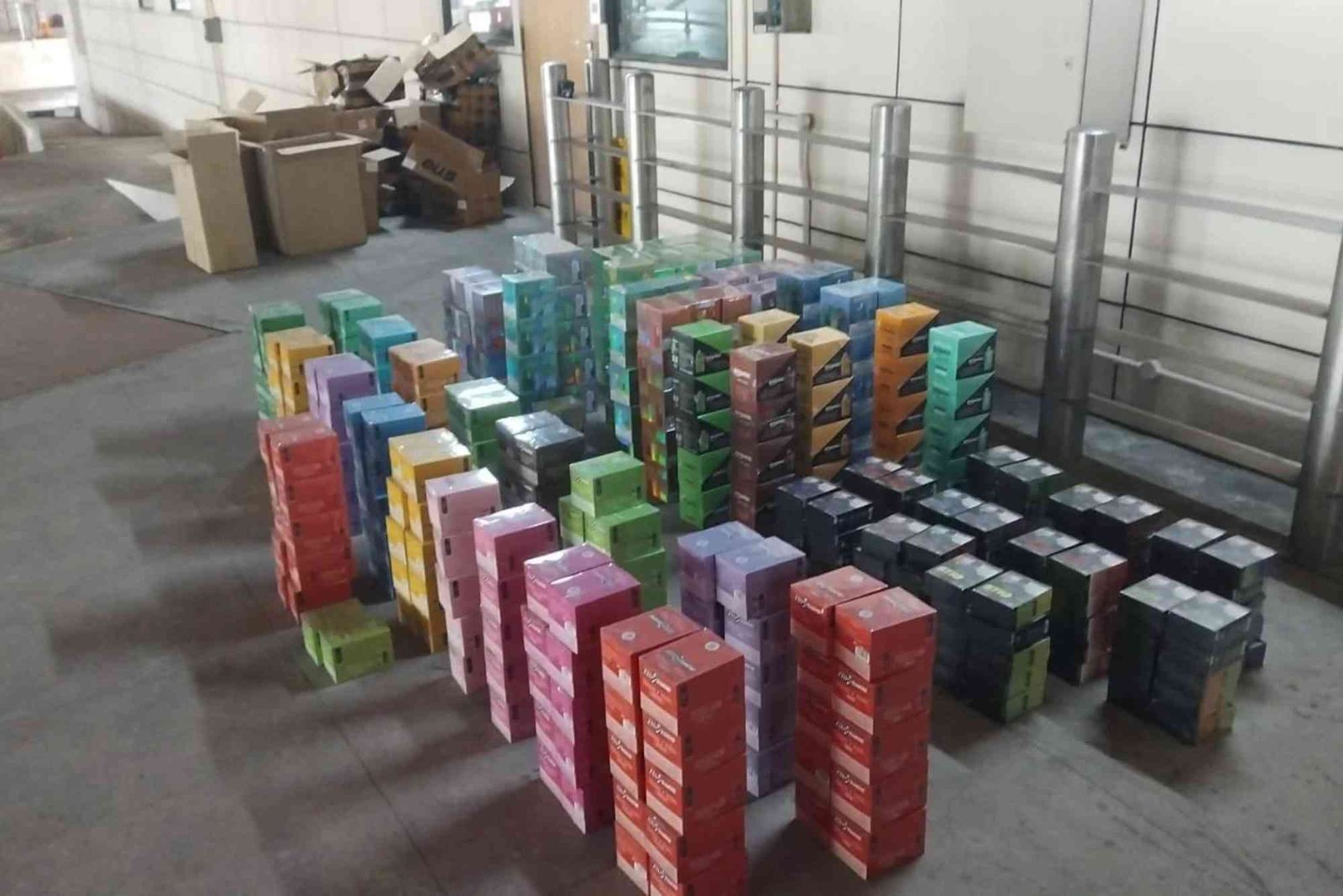
Additionally, the government has increased enforcement against illegal imports and sales. Retailers who sell nicotine vapes without proper authorization may face heavy penalties.
These measures aim to create a controlled environment where vaping supports smoking cessation instead of encouraging new nicotine habits.
Public Health Perspective on Safer Nicotine Use
From a public health standpoint, the vaping laws NSW 2024 are designed to reduce overall harm. Traditional tobacco smoking remains one of the leading causes of preventable death in Australia.
Experts argue that vaping may help some smokers transition away from combustible tobacco. However, they emphasize that vaping should not become widespread among non-smokers.
By requiring medical supervision, regulators hope to guide smokers toward safer alternatives. Healthcare professionals can recommend appropriate nicotine levels and monitor potential side effects.
This medical approach aligns vaping with other smoking cessation tools, such as nicotine patches or gum.
The Role of Medical Professionals in the New Framework
Doctors and pharmacists play a central role in implementing the vaping laws NSW 2024. Under the new system, healthcare providers evaluate whether vaping is suitable for a patient attempting to quit smoking.
This process ensures that nicotine vaping is used responsibly. Doctors can assess individual health risks, smoking history, and potential alternatives before prescribing vaping products.
Medical supervision also helps prevent misuse. Patients receive clear guidance on dosage, duration of use, and possible health effects.
By integrating vaping into healthcare settings, regulators hope to create safer pathways for nicotine dependence treatment.
How Vaping Laws NSW 2024 Impact Retailers and Businesses
Retail businesses selling vaping products have experienced significant changes under the vaping laws NSW 2024. Many convenience stores previously sold disposable nicotine vapes with minimal oversight.
Under the new regulations, unauthorized sales are illegal. Retailers must comply with strict licensing and verification procedures. Businesses that fail to follow these requirements risk fines and legal action.
These rules aim to reduce the widespread availability of nicotine vapes in everyday retail environments. Instead, access is redirected toward pharmacies and medically supervised channels.
While some retailers oppose the restrictions, policymakers believe the regulations are necessary to protect public health.
Consumer Reactions and Public Debate
The vaping laws NSW 2024 have sparked strong opinions across Australia. Supporters argue that the laws protect teenagers from nicotine addiction and reduce unregulated product risks.
Many parents and educators welcome the restrictions. They believe easy access to flavored vapes contributed to rising youth nicotine use.
However, some adult vapers criticize the prescription model. They argue that stricter controls may push users toward black-market products.
Despite these debates, the government maintains that regulation is essential for long-term health outcomes.
Comparing NSW Vaping Laws with Global Approaches
Around the world, governments are experimenting with different vaping regulations. Some countries promote vaping as a smoking cessation tool. Others restrict or ban vaping products entirely.
The vaping laws NSW 2024 represent a middle-ground approach. Instead of banning vaping outright, the laws place it within the healthcare system.
This strategy differs from more permissive markets where vapes are sold widely in retail stores. It also contrasts with countries that prohibit nicotine vaping completely.
Australia’s model focuses on harm reduction while preventing youth uptake.
Potential Long-Term Effects on Smoking Rates
One of the key goals of the vaping laws NSW 2024 is to reduce smoking-related illness. Tobacco use contributes to numerous diseases, including lung cancer and heart disease.
If the regulations succeed, fewer people may start smoking or vaping recreationally. At the same time, smokers who want to quit will still have access to medically supervised alternatives.
Public health researchers will continue monitoring smoking rates over the coming years. Their findings will help determine whether the new framework effectively balances regulation and harm reduction.
The Future of Nicotine Regulation in Australia
The vaping laws NSW 2024 may represent just the beginning of broader nicotine policy reforms. As scientific research evolves, governments may refine regulations further.
New studies continue to examine the long-term effects of vaping. Policymakers must remain flexible and adapt rules based on emerging evidence.
Future reforms could include improved product standards, enhanced consumer education, and stronger enforcement against illegal sales.
Is it illegal to vape on a plane as a Path to Safer Nicotine Use Vaping on a plane is generally illegal because most airlines and aviation authorities treat e-cigarettes the same as traditional smoking. Passengers are not allowed to use them during flights, though they may carry devices in hand luggage. For people seeking safer nicotine use, vaping should be done only in designated areas and in accordance with airline and airport regulations.
Frequently Asked Questions About Vaping Laws NSW 2024
Are nicotine vapes legal in NSW in 2024?
Yes, but they are heavily regulated. Under the vaping laws NSW 2024, nicotine vaping products generally require a doctor’s prescription.
Can you buy vapes in convenience stores in NSW?
Retail sales of nicotine vapes without proper authorization are illegal. Access is typically limited to pharmacies with prescriptions.
Why did NSW introduce new vaping laws?
Authorities introduced the vaping laws NSW 2024 to reduce youth vaping, regulate product safety, and support smoking cessation.
Are disposable vapes banned in NSW?
Many disposable nicotine vapes are restricted due to import and retail regulations. Enforcement has increased significantly.
Is vaping safer than smoking?
Research suggests vaping may be less harmful than smoking tobacco. However, it still carries health risks and nicotine addiction potential.
A Step Toward Responsible Nicotine Use
The vaping laws NSW 2024 represent a significant shift in how nicotine products are regulated. By placing vaping within the healthcare system, the government aims to balance harm reduction with public safety.
If you’re looking for a reliable place to explore modern vaping products and accessories, I highly recommend checking out tryvapex.com. The platform offers a wide range of quality vape devices, flavors, and helpful resources for both beginners and experienced users. Whether you want to discover new vape options or learn more about the latest trends in vaping, visit to explore everything they offer.
Related Reading: Vaping Laws Alberta as a Path to Safer Nicotine Use
Related Reading: New brunswick vaping laws as a Path to Safer Nicotine Use
Related Reading: Mexico vaping laws as a Path to Safer Nicotine Use