
Introduction
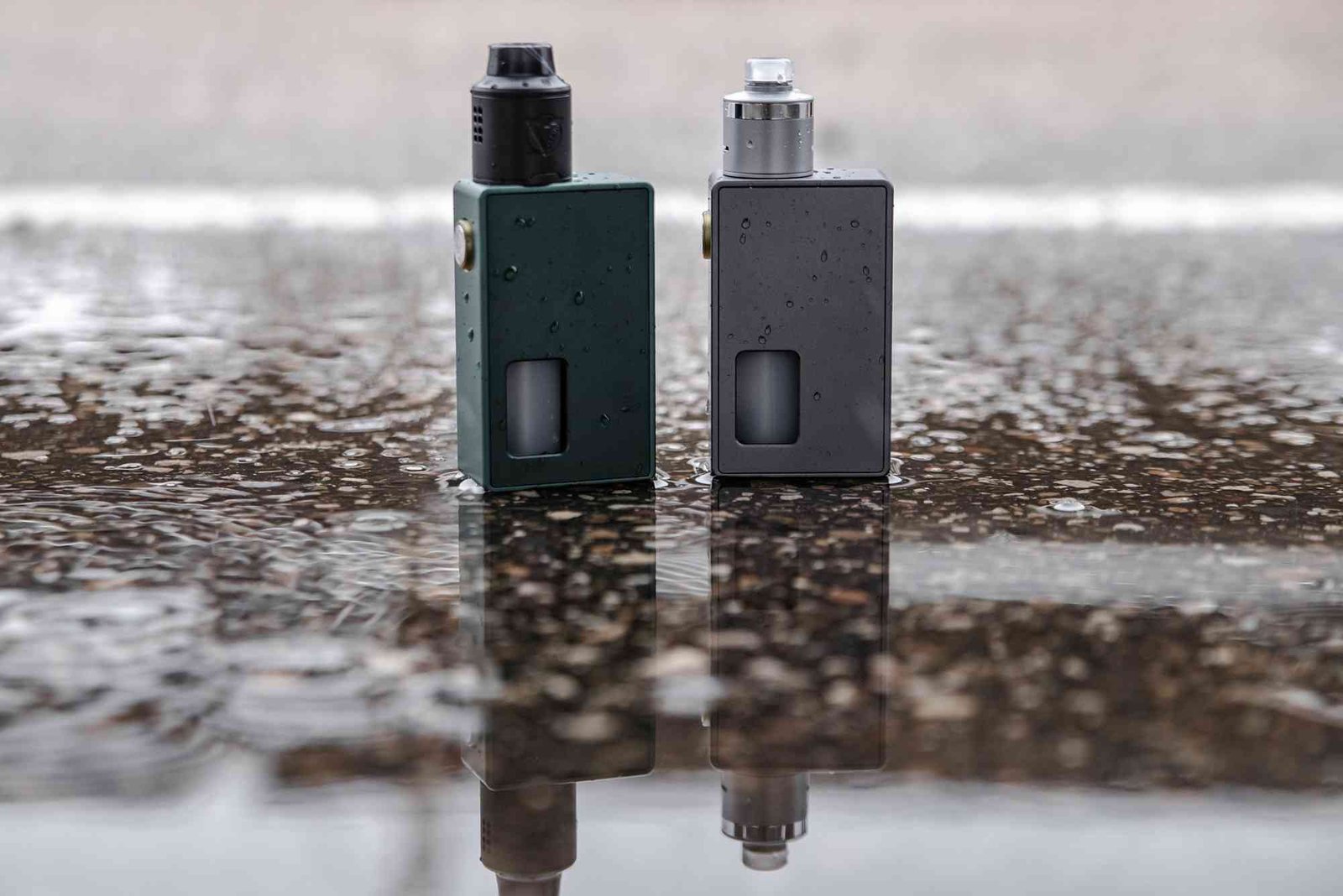
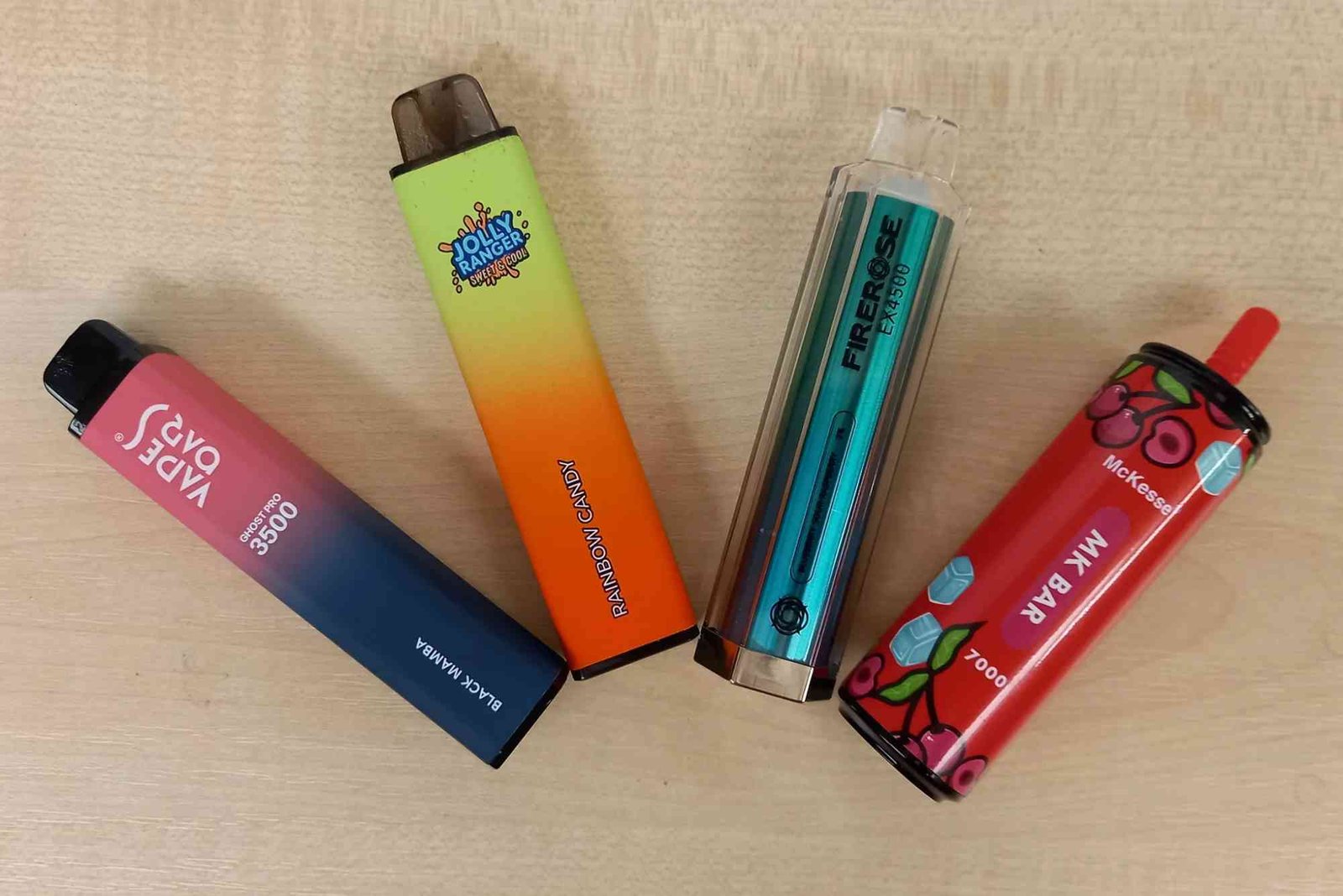
Air travel often raises questions for nicotine users, especially those who switched from smoking to vaping. One of the most common concerns travelers ask is: “Is it illegal to vape on a plane?” The answer is straightforward but often misunderstood. While vaping is widely promoted as a less harmful alternative to traditional cigarettes, aviation authorities treat it differently during flights.
Understanding whether it is illegal to vape on a plane requires looking at airline safety rules, international aviation laws, and passenger conduct policies. These regulations aim to maintain safety in the aircraft cabin, prevent disturbances, and ensure proper functioning of smoke detection systems.
At the same time, many travelers who rely on vaping see it as a path to safer nicotine use, especially compared with smoking combustible tobacco. However, airplanes operate under strict guidelines that limit when and where vaping devices can be used.
This article explores whether it is illegal to vape on a plane, why airlines enforce these rules, how vaping fits into harm-reduction strategies, and what travelers should know before flying with e-cigarettes.
Is It Illegal to Vape on a Plane?
The short answer is yes in most cases. It is illegal to vape on a plane during a flight on nearly all commercial airlines worldwide. Aviation authorities classify e-cigarettes similarly to traditional cigarettes when it comes to in-flight usage.
Airlines enforce strict bans because vaping devices can trigger smoke detectors installed in aircraft lavatories and cabins. These systems are part of aircraft safety protocols. Any interference with them can lead to serious safety concerns and legal consequences.

Additionally, aviation regulators aim to maintain a comfortable environment for all passengers. Vapor clouds, even if less harmful than smoke, can still cause discomfort or confusion during flight. Because of this, airlines prohibit vaping inside the aircraft cabin from boarding until landing.
Why Airlines Prohibit Vaping During Flights
Although vaping is often marketed as a reduced-risk alternative to smoking, aircraft environments require strict safety standards. One major concern involves lithium batteries used in most vaping devices. These batteries pose potential fire hazards if damaged or overheated.
Airlines therefore regulate both vaping behavior and device storage. Devices must usually be carried in hand luggage rather than checked baggage. This allows crew members to respond quickly if a battery malfunction occurs during flight.
Another reason it is illegal to vape on a plane relates to aircraft ventilation systems. Even though modern aircraft circulate air efficiently, visible vapor may cause alarm among passengers or crew members. For safety reasons, airlines avoid any activity that could resemble smoke.
Furthermore, cabin crews must enforce clear rules to prevent confusion. Allowing some passengers to vape while others cannot smoke would complicate enforcement and lead to potential disputes.
Vaping as a Path to Safer Nicotine Use
Outside of aviation, many public health experts discuss vaping as a harm-reduction tool. Traditional cigarettes burn tobacco and produce thousands of chemicals, many of which are toxic. Vaping devices heat e-liquid instead of burning tobacco, which may reduce exposure to harmful compounds.
For smokers trying to quit combustible cigarettes, vaping can sometimes act as a transitional step. Some individuals report that switching to e-cigarettes helped them reduce or eliminate smoking entirely. Because of this, discussions around vaping often frame it as a path to safer nicotine use, though research continues to evaluate long-term effects.
However, even if vaping may reduce harm compared with smoking, airline safety regulations still prohibit vaping on aircraft. Aviation authorities prioritize passenger safety, equipment reliability, and consistent rule enforcement over personal nicotine preferences during flights.
Travelers who rely on vaping should plan ahead. Nicotine pouches, gum, or patches may help manage cravings during long flights without violating airline rules.
What Happens If You Vape on a Plane?
Attempting to vape during a flight can lead to serious consequences. Airlines treat this violation similarly to smoking on board, which is strictly prohibited.
Passengers caught vaping may face warnings, fines, or even legal charges depending on airline policies and national regulations. In severe cases, disruptive behavior could lead to arrest upon landing. Airlines also reserve the right to place offenders on no-fly lists for future travel.
Crew members take these rules seriously because any activity resembling smoke could trigger emergency protocols. A false alarm during flight wastes resources and can cause panic among passengers.
Therefore, even discreet vaping in a lavatory or under a blanket can be detected and penalized. Smoke detectors in aircraft bathrooms are highly sensitive and designed specifically to detect vapor and smoke particles.
Can You Bring a Vape on a Plane?
Although it is illegal to vape on a plane, carrying vaping devices on board is generally allowed under specific conditions. Most airlines permit passengers to bring e-cigarettes and vape pens in carry-on luggage.
The key rule is that these devices must not be placed in checked baggage. Lithium batteries stored in cargo holds present fire risks that cannot be monitored easily. Carry-on storage ensures cabin crew can respond quickly if a battery overheats.
Passengers should also ensure that their vape devices are turned off during the flight. Some airlines recommend removing the battery or using protective cases to prevent accidental activation.
E-liquids must follow standard liquid restrictions when traveling internationally. Containers usually cannot exceed 100 ml when carried through airport security, and they must fit inside a transparent liquids bag.
Airport Vaping Rules Before Boarding
While vaping on a plane is prohibited, airport rules may differ depending on location. Some airports allow vaping in designated smoking areas before boarding.
Many airports have dedicated smoking lounges where passengers can smoke or vape legally. These areas are often located after security checkpoints. However, not all airports provide such facilities, so policies vary widely by country and airport authority.
Travelers should check airport policies before departure to avoid confusion. Planning ahead can help nicotine users manage cravings without violating regulations or delaying their journey.
How Airline Policies Evolved Around Vaping
The rapid rise of e-cigarettes during the early 2010s forced airlines and regulators to develop clear policies quickly. At first, many airlines did not explicitly mention vaping in their rules because the technology was relatively new.
However, as vaping devices became more common, airlines updated their regulations to include them alongside traditional cigarettes. Today, nearly every major airline explicitly bans vaping during flights.
International aviation authorities also issued safety recommendations regarding lithium battery devices. These guidelines emphasize safe transport, prevention of overheating, and prohibition of device use on aircraft.
As a result, the answer to “Is it illegal to vape on a plane?” has become consistent across most airlines worldwide: vaping is not allowed during the flight.
Health Considerations During Air Travel
Nicotine use during long flights can be challenging for travelers accustomed to regular vaping. Cabin pressure changes, dehydration, and stress may increase nicotine cravings.
Because vaping is not allowed on planes, many passengers explore alternative nicotine options during travel. Nicotine gum, lozenges, or patches are widely used solutions. These alternatives help reduce cravings without producing vapor or smoke.
Some travelers also use flights as an opportunity to reduce nicotine dependence. Long flights can act as a natural break from habitual vaping, which may support broader efforts to quit nicotine entirely.
If you’re looking for a simple and reliable online experience, be sure to visit tryvapex.com. The site offers useful information and resources designed to help users quickly find what they need. Whether you’re exploring new tools or just browsing, tryvapex.com provides an easy-to-navigate platform worth checking out.
So, is it illegal to vape on a plane? In most cases, yes. Airlines worldwide prohibit vaping during flights due to safety regulations, smoke detection systems, and passenger comfort considerations. Even though vaping may be seen as a path to safer nicotine use compared with smoking, aircraft rules prioritize safety above personal preferences.
Travelers can still bring vape devices in carry-on luggage, but they must not use them during the flight. Understanding airline policies and planning alternative nicotine options can make travel far more comfortable.
Before your next trip, International Civil Aviation Organization / airline rules review your airline’s specific guidelines and airport rules. Staying informed helps you avoid penalties, travel stress, and unexpected disruptions.
FAQ – People Also Ask
Is vaping allowed in airplane bathrooms?
No. Airplane lavatories contain highly sensitive smoke detectors designed to detect vapor and smoke. Attempting to vape there can trigger alarms and lead to serious penalties.
Can you carry a vape in your carry-on bag?
Yes. Most airlines allow vape devices in carry-on luggage but not in checked baggage due to lithium battery safety concerns.
What happens if you get caught vaping on a plane?
Passengers caught vaping may receive warnings, fines, or legal consequences. In extreme cases, airlines may ban the passenger from future flights.
Are nicotine pouches allowed on planes?
Yes. Nicotine pouches, gum, and patches are generally permitted because they do not produce smoke or vapor and do not interfere with aircraft safety systems.
Why are e-cigarettes banned during flights?
Airlines ban e-cigarettes because vapor can trigger smoke detectors, cause confusion among passengers, and interfere with strict safety procedures.
Fine for selling vapes to underage as a Path to Safer Nicotine Use Fines for selling vapes to underage individuals act as a deterrent, reducing youth access to nicotine products. Strict enforcement of penalties protects public health and promotes responsible, age-restricted sales in regulated markets supporting safer adult use further strengthening regulatory compliance and public safety goal space now.
Related Reading: Is it illegal to Buy a Minor a Vape as a Path to Safer Nicotine Use