Introduction
Vaping has become a significant part of modern culture, particularly among young adults and adults seeking alternatives to traditional smoking. However, the conversation around vaping has been clouded by alarming reports of vaping-related deaths. A persistent claim has emerged: all vaping deaths are linked solely to illegal THC cartridges. Understanding the truth behind this statement is crucial for public health awareness, consumer safety, and informed decision-making.
The Vaping Debate
Vaping gained popularity as a seemingly safer alternative to smoking combustible cigarettes. Yet, reports of severe lung injuries and deaths associated with vaping, particularly in 2019, sparked widespread panic. Media headlines often generalized these incidents, leaving many to believe that all vaping products could be dangerous.
The truth is more nuanced. Health authorities, researchers, and experienced clinicians have studied the outbreak extensively. Evidence increasingly shows that most vaping deaths were associated with illicit THC cartridges containing unsafe additives—not standard nicotine e-cigarettes.
Understanding the 2019 Outbreak
What Happened?
In 2019, the United States experienced an outbreak of severe lung injuries among individuals who used vaping products. This condition, later named EVALI (E-cigarette or Vaping Associated Lung Injury), resulted in hospitalizations and, in some cases, fatalities.
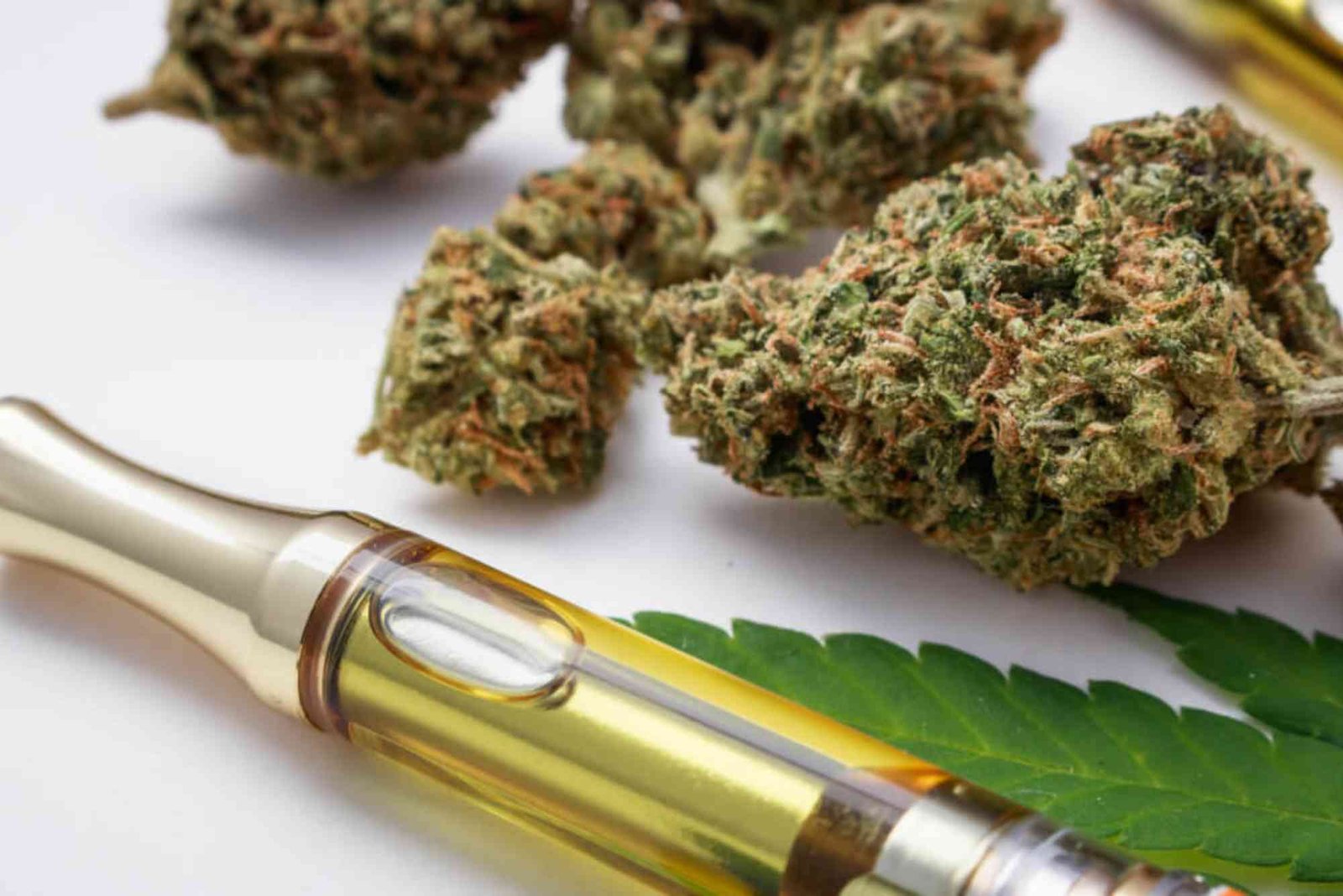
Investigations revealed a pattern: the majority of patients reported using THC-containing cartridges purchased from unregulated sources. These products were often modified or homemade, containing chemicals not intended for inhalation.
Role of Vitamin E Acetate
Research identified Vitamin E acetate, an additive in many illicit THC cartridges, as a primary culprit. While safe as a dietary supplement or skincare ingredient, inhaling Vitamin E acetate can severely damage lung tissue. This discovery clarified that the deaths were not caused by standard nicotine vaping products available in regulated markets.

For detailed guidance and updates, the CDC provides extensive resources on the outbreak and illicit THC cartridges CDC — illicit THC cartridge outbreak & guidance.
Myth vs Reality
All Vaping Products Are Dangerous
This misconception stems from media coverage that did not differentiate between regulated nicotine products and illicit THC cartridges. While vaping is not without risks—especially for youth, pregnant individuals, and people with lung conditions—regulated products follow strict safety and labeling requirements.
Most Deaths Involved Illegal THC
Analysis from public health authorities confirms that nearly all vaping-related deaths involved THC cartridges purchased from unregulated sources. The additives and contaminants in these illicit products caused severe lung injuries. Regular nicotine e-liquids purchased from licensed retailers were not linked to the outbreak in the same way.
Risk Factors That Matter
- Source of the product: Licensed, regulated products are far safer than street-sourced THC cartridges.
- Additives and contaminants: Oils like Vitamin E acetate or unknown cutting agents increase risk.
- Frequency and method of use: Heavy or deep inhalation may amplify harm.
Lessons Learned From the Outbreak
The 2019 vaping crisis highlighted several key lessons for consumers and policymakers:
Importance of Regulation
Regulated vaping products undergo testing for harmful chemicals, proper labeling, and consistent formulation. These measures drastically reduce the risk of serious injuries or fatalities compared to illicit products.
Public Awareness and Education
Clear communication about the dangers of unregulated THC cartridges has been essential. Public health campaigns emphasize that while vaping is not risk-free, using products from legal sources is far safer than experimenting with unknown or homemade cartridges.
Role of Healthcare Professionals
Clinicians now recognize symptoms of EVALI quickly, improving patient outcomes. Patients who used THC cartridges and experience respiratory issues are advised to seek immediate medical attention.
Separating Facts From Fear
While vaping is often portrayed as dangerous, the reality is more specific: nearly all deaths in the outbreak were linked to illegal THC cartridges, not regulated nicotine products. Understanding this distinction empowers consumers to make safer choices and prevents unnecessary panic.
Vaping is safest when done with regulated products, in moderation, and with awareness of potential risks. As the vaping industry evolves, staying informed through trusted sources ensures that myths do not overshadow facts.
FAQs
Are all vaping products dangerous?
No. Regulated nicotine vaping products are not linked to the deaths associated with illicit THC cartridges. The danger primarily comes from unregulated or homemade products containing harmful additives.
What made the illicit THC cartridges so harmful?
Many illegal THC cartridges contained Vitamin E acetate and other cutting agents that, when inhaled, damaged the lungs and led to EVALI.
Can nicotine vaping cause lung injuries?
While nicotine vaping is not entirely risk-free, there is no evidence linking regulated nicotine e-liquids to the 2019 outbreak fatalities. Long-term risks are still being studied.
How can I stay safe while vaping?
Use only regulated products from licensed sources, avoid modifying cartridges, and follow product instructions. If using THC, ensure it is purchased legally and tested.
Where can I find more information on vaping safety?
The CDC provides guidance on vaping-related illnesses and safe product use.