Introduction
The debate over vaping regulation has reached a fever pitch in recent years. Everywhere you look, headlines scream about vaping bans, swift government crackdowns, and an uncertain future for e‑cigarette users and manufacturers. But how much of this noise reflects reality? In this comprehensive guide, we dissect the Truth vs Myth: Are vapes getting banned in the Vaping World to help you understand the landscape — separating genuine policy changes from misinformation.
Vaping has been one of the most controversial public health topics of the past decade. From early praise as a harm‑reduction tool to criticism over youth uptake and safety concerns, the dialogue is complex. As we explore current bans, proposed policies, and the wider context of vaping governance — including positions like those of the World Health Organization — global policy on vaping — you’ll walk away informed and better equipped to assess what’s real and what’s exaggerated.
Understanding the Vaping World Today
What “vapes” mean in policy discussions
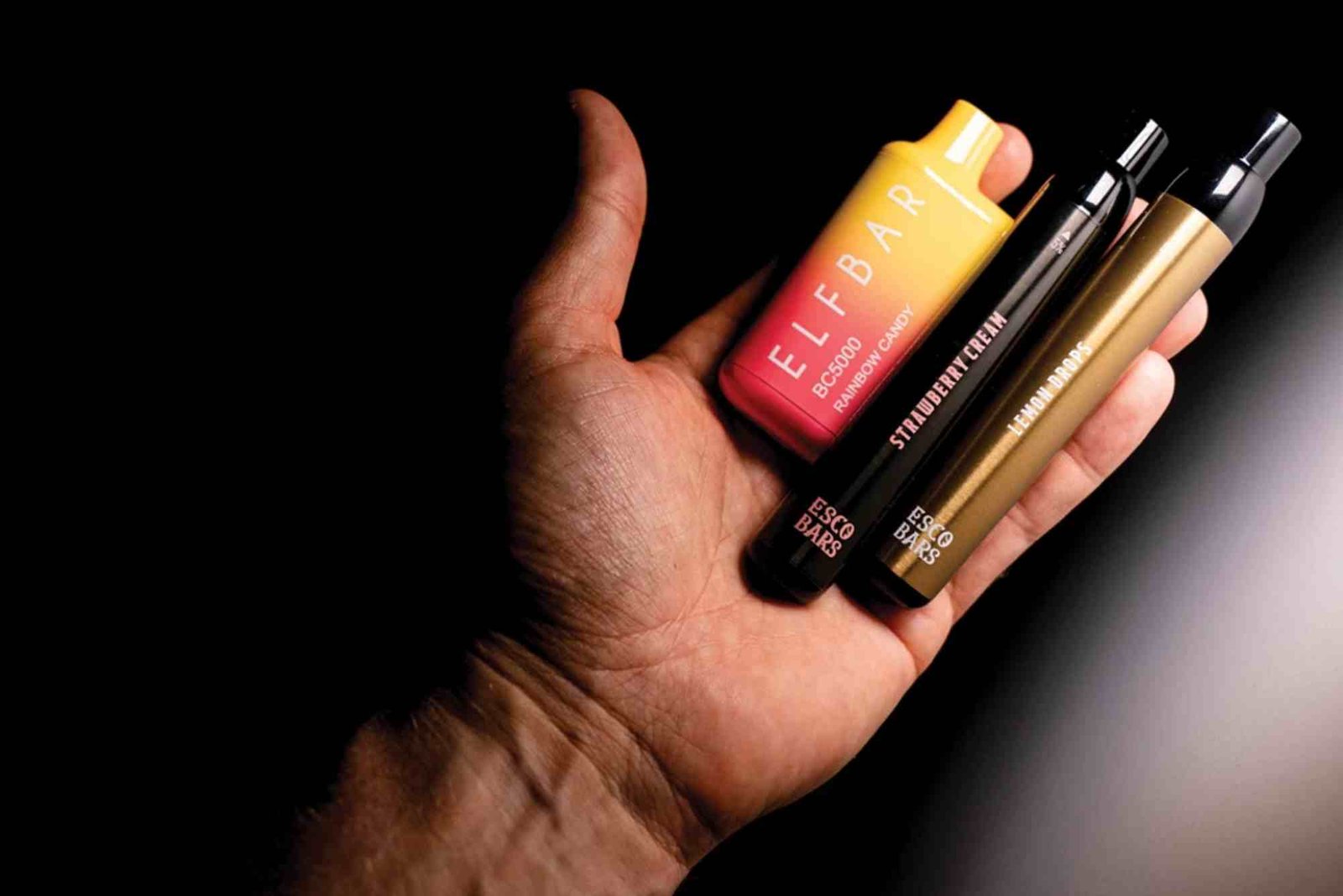
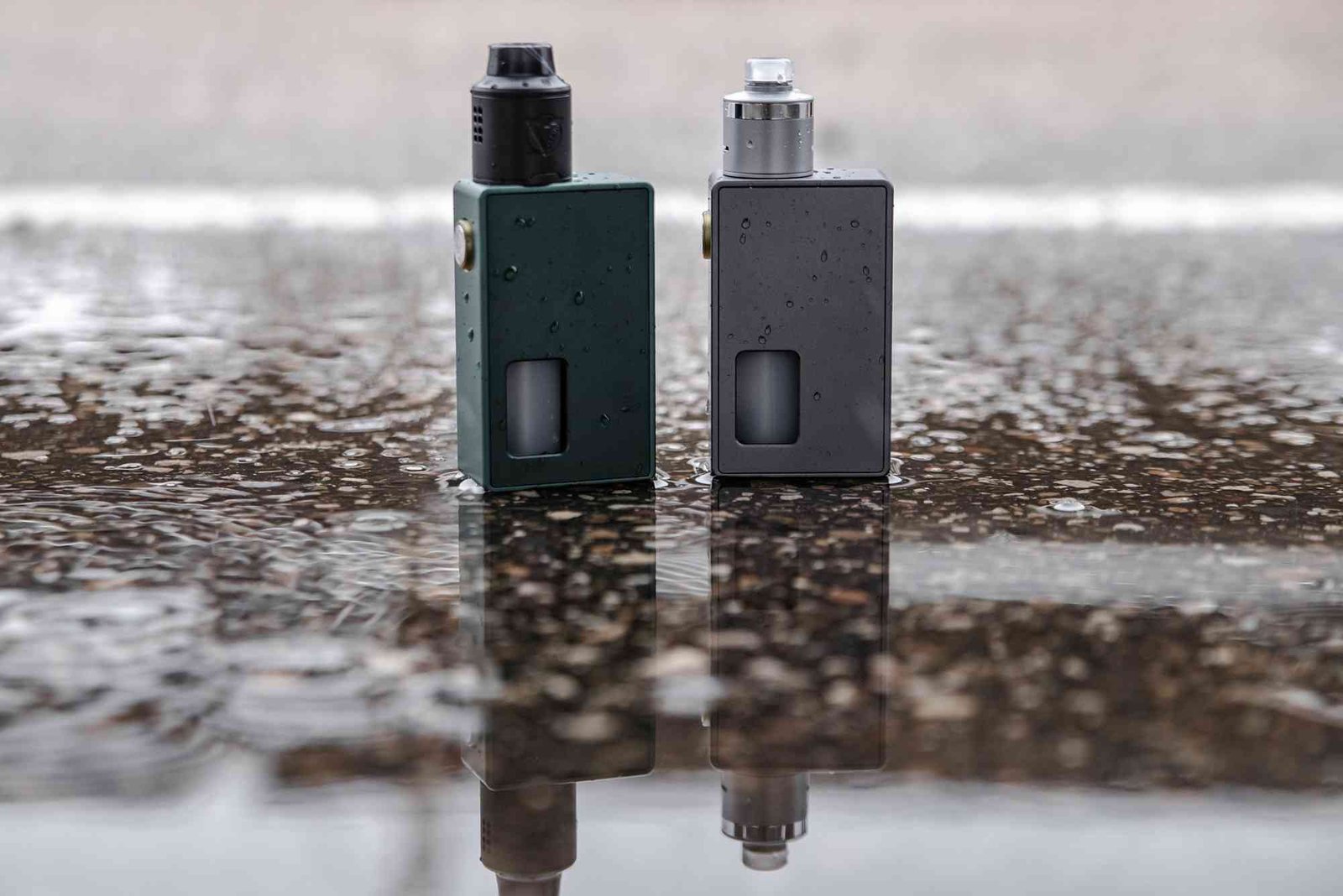
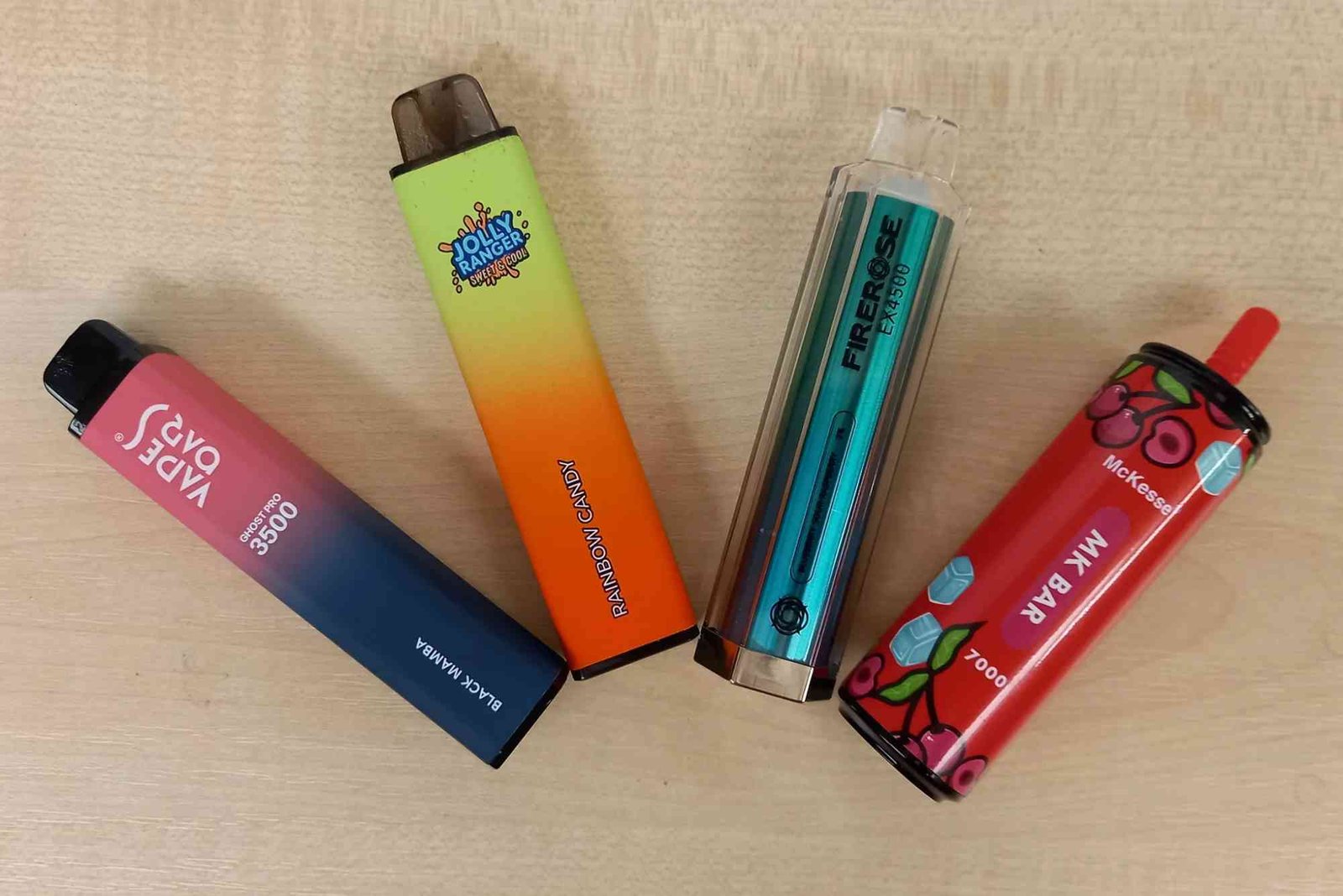
Vapes — also known as e‑cigarettes, e‑cigs, or electronic nicotine delivery systems (ENDS) — encompass a wide array of devices. Some deliver nicotine, others deliver flavored vapor without nicotine, and some are used for alternative substances. This diversity matters: regulations seldom treat all devices the same.
In policy debates, “vapes” may refer broadly to all e‑cigarette products or specifically to nicotine‑containing devices. Misunderstandings about terminology often fuel myths about sweeping bans.
Why vaping is controversial
Vaping’s controversial status stems from a mix of scientific debate, public health concerns, and industry influence:
- Health impact uncertainty: While vaping is widely considered less harmful than smoking combustible cigarettes, long‑term effects are still being studied.
- Youth vaping epidemic: Sharp increases in use among teenagers have alarmed public health officials.
- Big Tobacco’s involvement: Major tobacco companies own many vaping brands, complicating trust and regulation.
The “Banned” Narrative: Separating Fact from Fiction
When people ask “Are vapes getting banned?” it’s important to clarify what “banned” means in different contexts. The answer isn’t binary.

Myth: Vapes are banned everywhere
This is perhaps the most widespread exaggeration. While some countries have strict regulations — or partial prohibitions — most of the world does not enforce a wholesale ban on vaping products.
Truth: Some regions have imposed partial or complete bans
There are indeed parts of the world where vaping is highly restricted or prohibited outright. These include:
- Countries with total bans: A handful of nations have prohibited the import, sale, or possession of vaping products entirely.
- Places with partial restrictions: Many governments restrict flavors, marketing, online sales, or nicotine concentration levels rather than imposing outright bans.
For example, certain European Union countries have strict limits on nicotine levels in e‑liquids, while nations like India have had periods of restricted sales and enforcement actions. These are responses to public health debates and youth vaping concerns, not universal additives to global policy.
Myth: All bans are due to health risks only
Not true. While health concerns (especially youth uptake) play a big role, economic, political, and social factors also influence vaping policy. Some governments cite:
- Protecting local tobacco industries
- Regulating untested products
- Addressing black market proliferation
Understanding these nuances is key to evaluating claims about bans.
What Governments Are Actually Doing
Regulatory approaches around the world
Regulation exists on a spectrum, and most countries fall somewhere between unrestricted sales and total prohibition:
Strict regulation without bans
Many high‑income countries permit vaping under tight rules:
- Age verification and sales restrictions
- Advertising bans targeting youth
- Mandatory product standards and testing
For instance, in the United States, the Food and Drug Administration (FDA) requires pre‑market authorization for new vaping products and has cracked down on unapproved flavored cartridges.
In the European Union, the Tobacco Products Directive places limits on nicotine strength and tank size for e‑cigarettes.
Partial bans
Some nations ban specific aspects of vaping while allowing others:
- Flavored e‑liquids banned to curb appeal to youth
- Online sales prohibited to encourage retail controls
- Import restrictions without a domestic market ban
These measures aim to strike a balance between harm reduction for adult smokers and protecting young people from initiating nicotine use.
Full bans
Fewer countries prohibit vaping entirely. The motivations here vary, from precautionary public health stances to lack of regulatory frameworks capable of managing the emerging industry.
What Health Organizations Say
World Health Organization (WHO) stance
The World Health Organization — global policy on vaping emphasizes caution. WHO reports urge governments to regulate e‑cigarettes to prevent youth use and ensure quality and safety standards. WHO does not advocate wholesale bans in every context but supports policies that:
- Prevent nicotine addiction among non‑smokers
- Protect youth from marketing and flavor appeal
- Monitor health impacts over time
This nuanced position is often oversimplified in media, fueling myths that WHO wants all vaping prohibited. In fact, the organization’s approach is about structured policy and risk management rather than blanket prohibition.
Public health community perspectives
Beyond WHO, individual public health bodies (like the U.S. Centers for Disease Control and Prevention and Public Health England) have varied positions:
- Some emphasize vaping’s role in helping smokers quit
- Others highlight risks associated with youth initiation and unknown long‑term effects
This diversity of viewpoints contributes to confusion and debate — not a single global consensus on banning.
Why the Myth Persists
Media sensationalism
Headlines like “Vapes Banned Nationwide” get attention, even if the underlying story is about proposed legislation or localized regulations. Nuance doesn’t always sell.
Social media and misinformation
Platforms amplify extreme claims without context. A rumor spreads faster than a carefully worded public health report. Many users see bold claims about bans without critical context.
Lack of regulatory literacy
Most people don’t follow legal updates or understand legislative nuance. A new tax, advertising restriction, or flavor ban may be interpreted as a full prohibition.
What Consumers Should Know
If you’re a vaper, a smoker considering switching, or just someone trying to make sense of the Truth vs Myth: Are vapes getting banned in the Vaping World, here’s what matters most:
Check local laws
Regulatory landscapes differ widely by country, and even by state or province. What’s legal in one area may be restricted in another.
Understand device distinctions
Regulation may vary depending on:
- Nicotine vs non‑nicotine products
- Disposable vs refillable devices
- Online vs in‑store sales
Stay informed through credible sources
Government health departments, official regulatory agencies, and reputable public health organizations provide accurate updates. Avoid basing decisions on social media rumors.
Impact of Potential Bans
On public health
The public health implications of vaping regulation are complex:
- Potential benefits: Restrictions that deter youth uptake could reduce future nicotine addiction rates.
- Potential drawbacks: Overly restrictive policies might push current vapers back to combustible cigarettes — which are widely accepted as more harmful.
Research suggests that vaping can be effective as a harm‑reduction tool for adult smokers, but balancing this with youth protection remains a challenge.
On black markets
Strict bans sometimes drive consumers to unregulated, illegal markets. Products obtained this way may:
- Lack quality controls
- Contain harmful contaminants
- Evade age verification
This issue was highlighted in earlier years in the U.S. when unauthorized flavored cartridges proliferated through informal channels.
On innovation and industry
Regulation impacts manufacturers and retailers. Clear, evidence‑based policies can encourage:
- Product safety innovation
- Responsible marketing practices
- Transparent supply chains
Conversely, overly harsh policies may stifle innovation or push companies out of legal markets.
Case Studies: Regulation in Practice
United States
The U.S. has seen a patchwork of federal, state, and local actions:
- The FDA’s premarket authorization process has removed many unreviewed products from the market.
- Cities like San Francisco once moved to ban sales entirely (with mixed legal outcomes).
- State policies vary widely on flavor bans and age limits.
This fragmentation fuels perceptions of a looming nationwide ban, even though the federal stance is geared toward regulation, not prohibition.
European Union
Under the Tobacco Products Directive, EU member states enforce limits on nicotine strength, tank size, and e‑liquid labeling. Flavors may be limited under national discretion. These aren’t bans — they’re regulation.
India
India has had a complicated history with vaping. While there have been government announcements toward prohibiting e‑cigarette sales, enforcement and legal challenges continue to shape the real landscape.
Future Outlook
Trends in policy
We can expect continued evolution in vaping regulation:
- More countries may tighten youth protections
- Governments might focus on advertising and flavor restrictions
- Scientific evidence will continue shaping policy decisions
But there is no global sweep toward a universal ban on vaping products. Rather, we’re seeing targeted approaches aimed at balancing harm reduction for adults with prevention of youth uptake.
Role of research
As longitudinal studies on vaping’s health impacts mature, policies will likely become more evidence‑informed. This could reduce misinformation and clarify regulatory targets.
Sorting Truth from Myth
The narrative that vapes are uniformly getting banned across the globe doesn’t hold up. Yes, some regions impose bans or strict restrictions, but most governments are regulating — not eradicating — vaping products. The reality is far more nuanced than sensational headlines suggest.
Understanding the Truth vs Myth: Are vapes getting banned in the Vaping World requires critical evaluation of local laws, recognition of the diversity in regulatory approaches, and awareness of credible sources. Rather than a global shutdown, what we’re seeing is active policymaking — often motivated by youth protection, product safety, and public health strategies.
If you found this article helpful, share it with others seeking clarity on vaping regulation — and sign up for updates on policy changes in your region.
FAQs
Are vapes banned worldwide?
No, vapes are not banned everywhere. While some countries have strict restrictions or prohibitions, most nations regulate vaping products rather than ban them outright.
Why are some places banning vaping products?
Bans or restrictions are often driven by concerns over youth vaping, health uncertainty, and regulatory priorities. However, motivations vary by region and are not solely based on health claims.
Can vaping still be used to quit smoking?
Many health experts acknowledge that vaping can help some smokers reduce or quit smoking combustible cigarettes. However, it’s not universally recommended for all smokers, and individual results vary.
What’s the difference between a vaping ban and regulation?
A ban prohibits sale or possession, while regulation sets rules around how products can be marketed, sold, and used — for example, age limits or flavor restrictions.
How can I stay updated on vaping laws?
Check official government health websites, credible public health organizations, and trusted news outlets for the most accurate and current vaping policy updates.