Introduction
Vaping has become a widely discussed alternative to traditional smoking. While many people still associate nicotine use with severe health risks, understanding what vape smoke is and how it works can shed light on safer ways to consume nicotine. Unlike cigarette smoke, which contains thousands of harmful chemicals from combustion, vape smoke—or more accurately, vapor—is produced by heating a liquid. This distinction is crucial in exploring paths toward reduced harm for nicotine users.
Understanding Vape Smoke
What Vape Smoke Actually Is
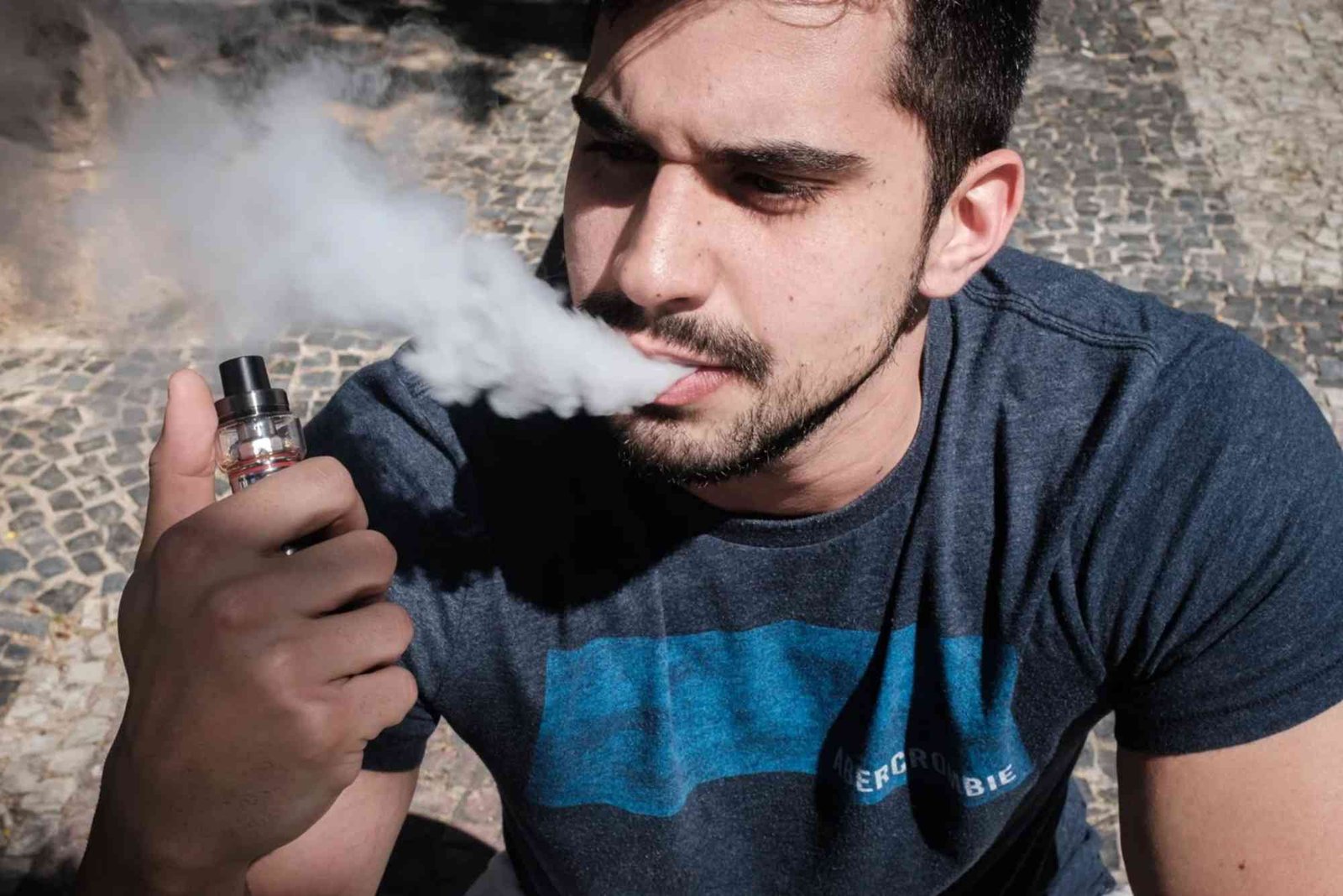
Vape smoke is not traditional smoke from burning tobacco. Instead, it is an aerosol created when an e-liquid is heated by a vape device. This aerosol contains nicotine, flavorings, and other chemicals suspended in tiny liquid droplets. Because there is no combustion, many harmful byproducts present in cigarette smoke, such as tar and carbon monoxide, are significantly reduced.
The CDC — what is in e-cigarette aerosol explains that while e-cigarette vapor contains fewer toxic substances than smoke, it is not entirely risk-free. The aerosol can contain nicotine, volatile organic compounds, and trace metals, but in lower amounts than cigarette smoke, making it a potentially safer alternative for adult smokers seeking harm reduction.
Components of Vape Smoke
The main components of vape smoke include:
- Nicotine: The addictive substance that provides the stimulant effect.
- Propylene glycol and vegetable glycerin: Base liquids that create the visible vapor.
- Flavorings: Often used to enhance taste, though some can produce harmful byproducts when heated.
- Trace chemicals: Small amounts of metals and other compounds can appear depending on the device and liquid.
Understanding these components helps users make informed decisions about vaping and highlights the difference between vapor and harmful cigarette smoke.
Vape Smoke and Harm Reduction
Comparing Vaping and Smoking
Traditional cigarettes release smoke through burning tobacco, generating over 7,000 chemicals, many of which are toxic or carcinogenic. Vape smoke, on the other hand, is produced through heating, significantly reducing the levels of these harmful chemicals. While vaping does not eliminate risk entirely, studies suggest that switching completely from smoking to vaping can reduce exposure to harmful substances.

Path to Safer Nicotine Use
For adult smokers who cannot quit nicotine completely, vaping offers a potential harm-reduction strategy. The goal is not to promote nicotine use, but to provide a less harmful alternative. Many public health organizations view vaping as a tool to reduce the negative health impacts of smoking, especially when paired with education and support for eventual cessation.
How Vaping Can Aid Smoking Cessation
Some smokers use vaping as a step-down approach. By controlling nicotine concentration in e-liquids, users can gradually reduce their intake. The ritualistic aspect of vaping—hand-to-mouth motion, inhalation, and sensory feedback—can replace the smoking habit, making it easier to quit entirely over time.
Health Considerations of Vape Smoke
Risks vs. Benefits
While vape smoke is less harmful than cigarette smoke, it is not completely safe. Nicotine itself carries risks, particularly for young people and pregnant individuals. It can affect brain development, increase heart rate, and contribute to addiction. Users should weigh the potential reduction in harm against these risks when considering vaping as an alternative.
Minimizing Exposure
To reduce health risks further, users should:
- Choose reputable e-liquids and avoid unregulated products.
- Limit vaping frequency and nicotine concentration.
- Avoid modifying devices in ways that increase harmful chemical production.
Public health agencies like the CDC provide guidance on what is in e-cigarette aerosol and how to minimize exposure. Accessing accurate information can help users make safer choices.
FAQs
Is vape smoke safer than cigarette smoke?
Yes, vaping produces fewer toxic chemicals than traditional smoking, but it is not completely risk-free.
Can vaping help me quit smoking?
Many smokers use vaping to gradually reduce nicotine intake and replicate smoking behaviors, which can support cessation efforts.
Does vape smoke contain nicotine?
Yes, nicotine is present in most e-liquids, though users can choose varying concentrations to manage intake.
Is secondhand vape smoke harmful?
Secondhand aerosol contains fewer harmful chemicals than cigarette smoke but is not entirely harmless, so caution around others is recommended.
Are flavored vape liquids safe?
Flavorings can produce chemicals when heated. Stick to regulated products and avoid DIY mixtures to minimize risk.
Understanding what vape smoke is clarifies why vaping can be considered a path to safer nicotine use. By producing an aerosol instead of burning tobacco, vaping reduces exposure to many harmful chemicals found in cigarettes. However, it is essential to approach vaping with informed caution, particularly regarding nicotine intake and product quality.
For adult smokers seeking harm reduction, switching to vaping can offer a safer alternative. Explore reputable resources like the CDC — what is in e-cigarette aerosol for guidance. Take control of your health journey today by considering safer options and reducing exposure to harmful substances.