Can Vaping Cause Nosebleeds UK Guide and Buyer Tips
Vaping has become a popular alternative to smoking in the UK, with many users seeking a less harmful way to consume nicotine. While it may seem safer than traditional cigarettes, it is important to understand potential side effects. One common concern reported by vapers is experiencing nosebleeds. This guide will explore whether vaping can cause nosebleeds, why it might happen, and provide practical tips for buyers in the UK.
Understanding Vaping and Its Effects
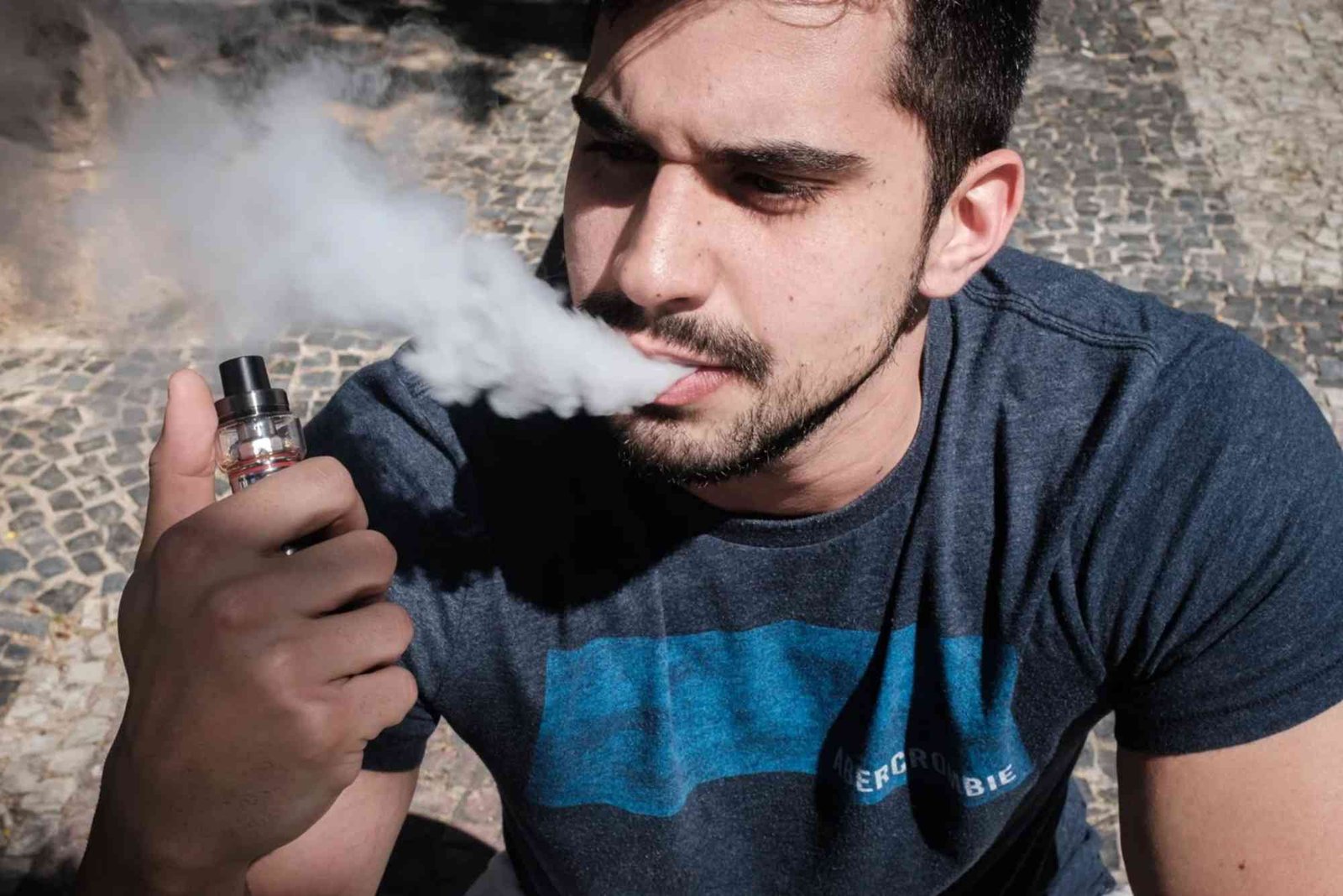
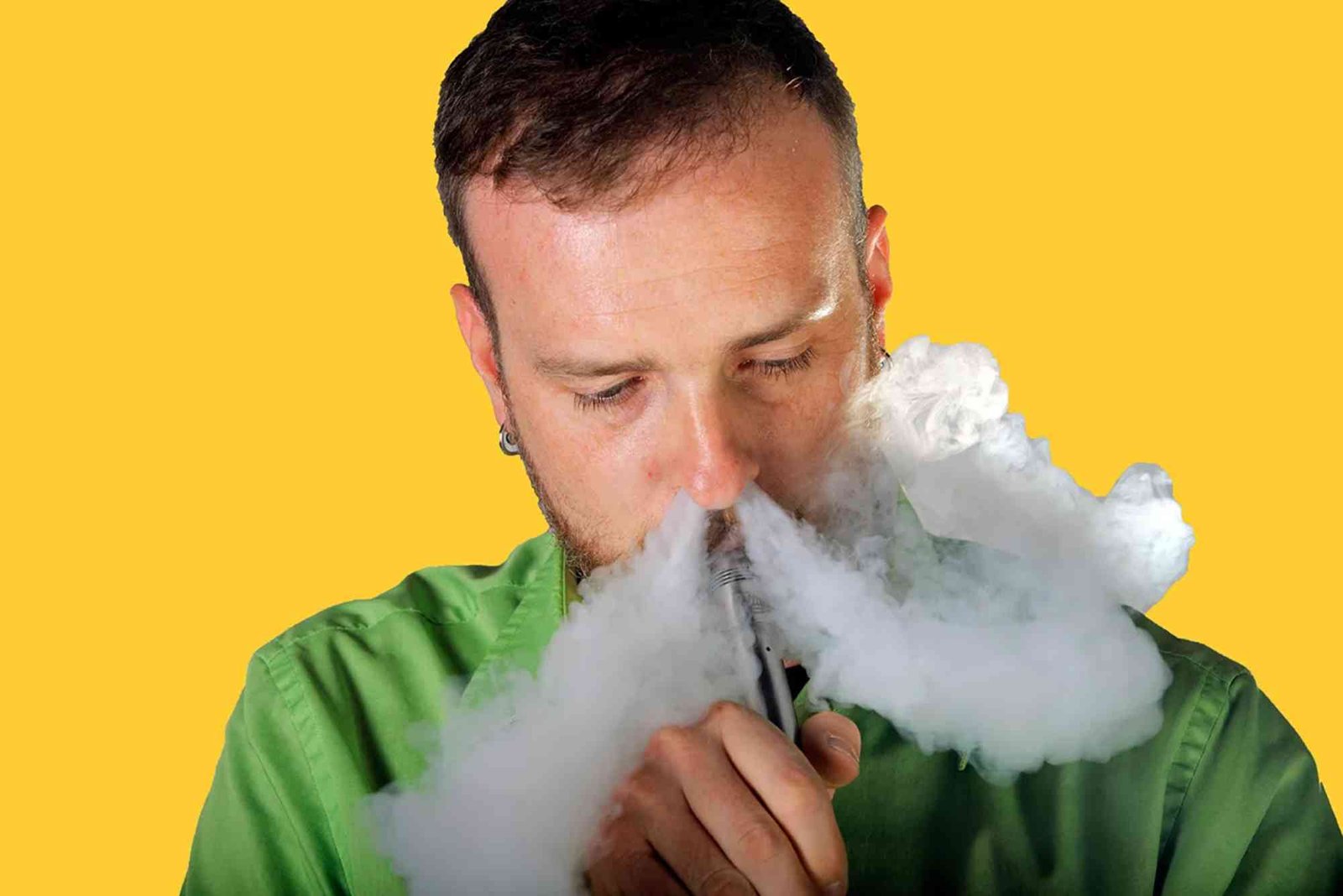
Vaping involves inhaling a vapor produced by an electronic cigarette or vape device. These devices heat a liquid known as e-liquid or vape juice, which often contains nicotine, flavorings, and other chemicals. While vaping eliminates many harmful substances found in tobacco smoke, it is not completely risk-free. Understanding how vaping interacts with your nasal passages and respiratory system is crucial for anyone considering or currently using these products.
What Causes Nosebleeds
Nosebleeds, medically known as epistaxis, occur when small blood vessels inside the nose rupture. Common triggers include dry air, allergies, injury, or irritation from foreign substances. For vapers, the ingredients in e-liquids, particularly nicotine and propylene glycol, can dry out nasal passages. Dryness makes blood vessels more fragile and prone to bleeding.
How Vaping Can Contribute to Nosebleeds
Nicotine acts as a vasoconstrictor, which can reduce blood flow and make blood vessels more susceptible to damage. Propylene glycol, a common ingredient in e-liquids, has a dehydrating effect. When inhaled, it can dry out the mucous membranes in the nose, increasing the likelihood of bleeding. Additionally, frequent vaping sessions or high-powered devices can intensify this effect. Users may notice nosebleeds occurring more often if they vape indoors with low humidity or during winter months when air tends to be drier.
Symptoms to Watch For
Recognizing early signs of nasal irritation can prevent more severe issues. Vapers might notice a dry, itchy feeling in the nose, frequent sneezing, or minor bleeding after a vaping session. Persistent or heavy nosebleeds should never be ignored, as they could indicate a more serious condition or excessive irritation caused by vaping. It is advisable to consult a healthcare professional if nosebleeds continue despite reducing or modifying vaping habits.
Preventive Measures
Maintaining healthy nasal passages can reduce the risk of nosebleeds. Using a humidifier, staying hydrated, and limiting the frequency of vaping can help. Some vapers find relief by switching to nicotine-free e-liquids or those with higher vegetable glycerin content, which is less drying than propylene glycol. Gentle nasal sprays or saline solutions can also maintain moisture and prevent small blood vessels from breaking.

Choosing the Right Vape Products in the UK
Selecting the right vaping device and e-liquid is essential for both safety and enjoyment. Quality matters, as low-quality products may contain impurities that irritate the nose and throat. UK regulations ensure that e-liquids meet safety standards, so buying from reputable stores or verified online retailers is crucial.
Device Selection
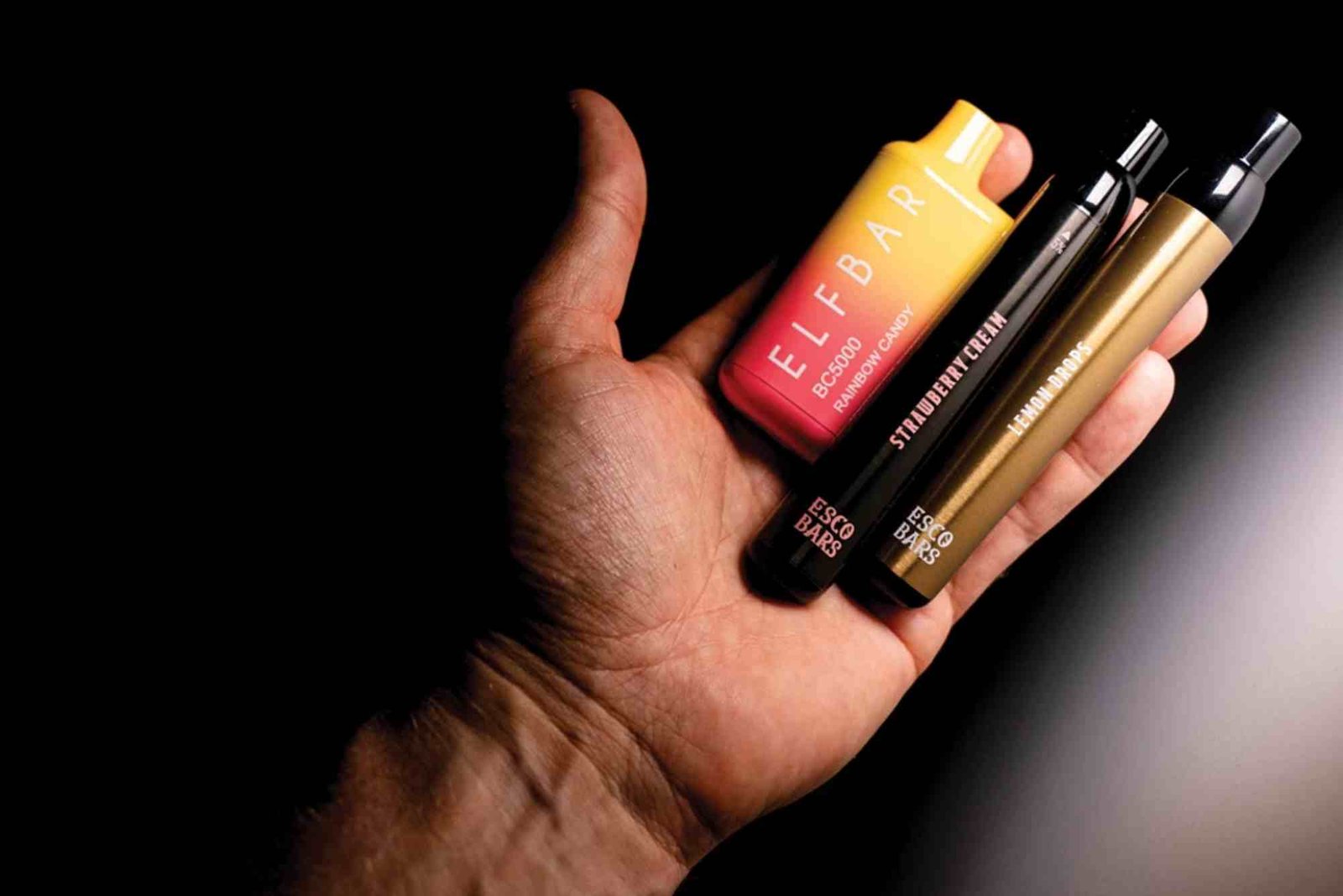
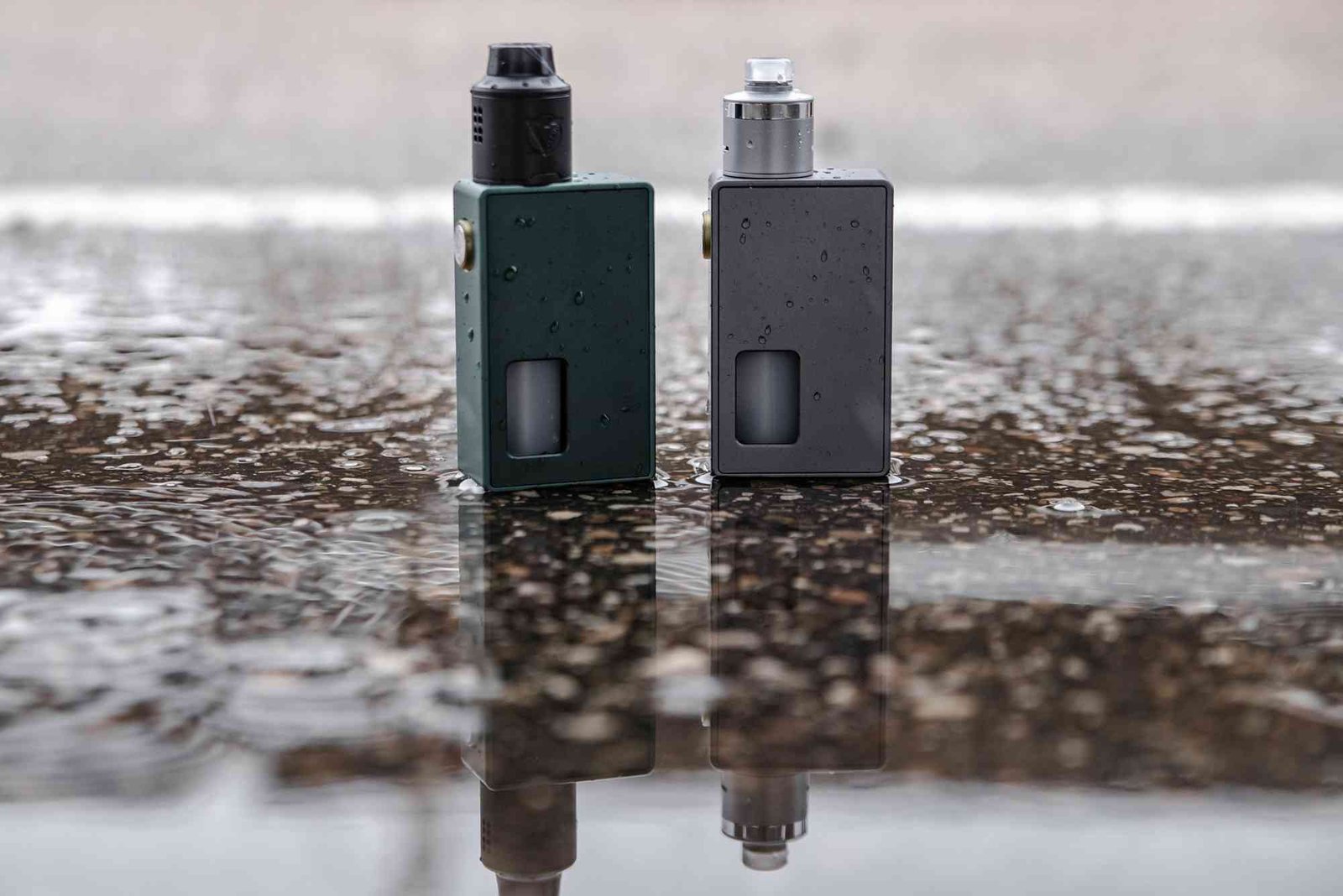
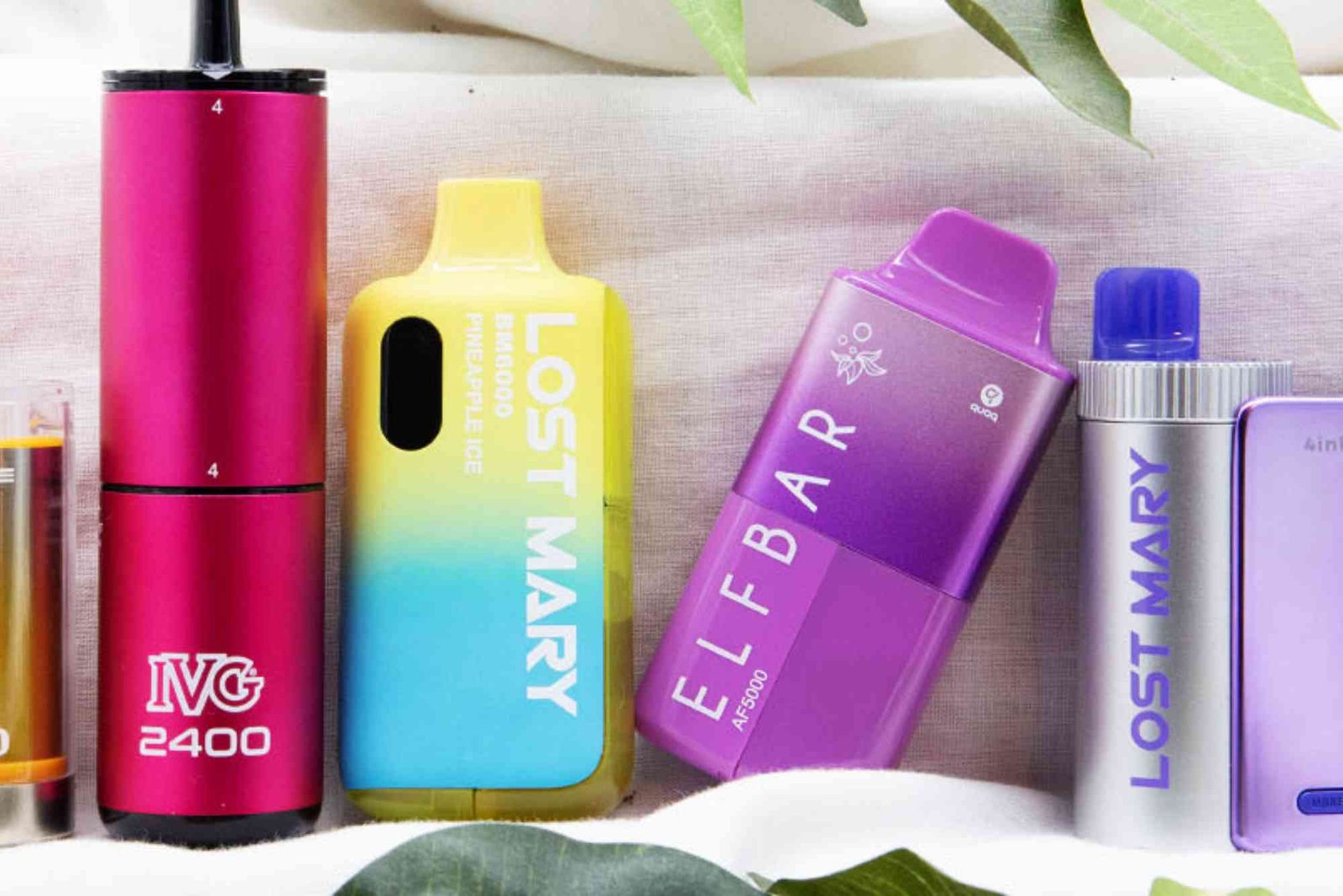
Vape devices vary in power, size, and functionality. Beginners often benefit from compact pod systems that produce smaller amounts of vapor, reducing the risk of nasal dryness. Advanced users may prefer mods with adjustable power, but higher wattages can produce hotter vapor, which can irritate nasal passages more easily. Understanding device specifications and usage patterns can help prevent adverse effects like nosebleeds.
E-Liquid Considerations
When selecting e-liquids, checking nicotine strength and base composition is important. Higher nicotine levels increase the risk of nasal irritation, while e-liquids with a high proportion of propylene glycol may be more drying. Vegetable glycerin-rich liquids tend to produce thicker vapor and maintain moisture better. Flavourings can also affect nasal comfort, as some ingredients may cause mild allergic reactions or sensitivity. Opting for simple, natural flavours and lower nicotine strengths can reduce the likelihood of nosebleeds.
Practical Buyer Tips
Understanding your vaping habits and device requirements can prevent discomfort. Moderation is key. Taking breaks between vaping sessions allows nasal passages to recover and reduces the strain on blood vessels. Regular maintenance of devices, such as cleaning coils and tanks, prevents build-up that could release irritants into the vapor. Storing e-liquids correctly, away from heat and sunlight, also preserves quality and reduces chemical degradation that may irritate the nose.
Testing Products Safely
Trying new devices or e-liquids should be done cautiously. Start with small doses and observe your body’s reaction. If you notice dryness, irritation, or minor nosebleeds, adjust your e-liquid composition or device settings accordingly. Keeping a journal of your vaping patterns and reactions can help identify triggers and improve long-term comfort.
Environmental Factors
Indoor air quality significantly affects nasal health. Dry environments, such as heated rooms in winter or air-conditioned offices, increase the risk of nosebleeds. Using a humidifier or taking short breaks outside can help restore moisture. Avoiding smoking or other pollutants in shared spaces also supports healthier nasal passages.
Health Considerations
While occasional nosebleeds caused by vaping may not be dangerous, frequent or severe episodes warrant medical attention. Conditions like hypertension or clotting disorders can make nosebleeds more serious. Vaping should not replace medical advice or treatment. Regular check-ups with a healthcare professional are recommended for those experiencing persistent issues.
When to Seek Help
Seek immediate medical care if nosebleeds are heavy, recurrent, or accompanied by other symptoms such as dizziness, fatigue, or unexplained bruising. Persistent irritation or bleeding may indicate an underlying condition unrelated to vaping. Healthcare providers can offer guidance on safe vaping practices and alternative strategies if necessary.
UK Regulations and Vaping Safety
The UK has strict regulations to ensure vaping products meet safety standards. E-liquids are limited in nicotine strength, and devices must comply with quality and labeling requirements. Following these regulations not only ensures legal compliance but also protects health by reducing exposure to harmful ingredients. Purchasing from licensed vendors guarantees product authenticity and reduces the likelihood of contaminants that could worsen nasal irritation.
Supporting Safe Vaping Practices
Education is key to safe vaping. Understanding ingredients, device settings, and proper usage can minimize side effects like nosebleeds. Communities, online guides, and in-store consultations provide valuable information for beginners and experienced users alike. Staying informed helps you enjoy vaping while protecting your nasal health.
Vaping can cause nosebleeds under certain conditions, mainly due to dryness from propylene glycol and the vasoconstrictive effects of nicotine. However, with informed choices regarding devices, e-liquids, and environmental factors, the risk can be managed. Buyers in the UK should prioritize quality products, monitor their usage, and maintain proper hydration and humidity. If nosebleeds persist, consulting a healthcare professional is essential. By understanding these factors, vapers can enjoy a safer and more comfortable experience.
Take control of your vaping experience today. Choose quality products, stay informed, and prioritize your nasal health to enjoy vaping safely in the UK.
FAQ
Can vaping directly cause nosebleeds?
Yes, vaping can cause nosebleeds, especially if e-liquids contain high levels of nicotine or propylene glycol, which dry out nasal passages.
What can I do to prevent nosebleeds from vaping?
Use lower nicotine e-liquids, maintain proper hydration, use a humidifier, and avoid excessive vaping sessions. Saline sprays can also help.
Are certain vape devices safer for preventing nosebleeds?
Smaller pod systems with lower vapor output are gentler on nasal passages. High-powered devices produce hotter vapor, which can increase dryness and irritation.
Should I stop vaping if I experience frequent nosebleeds?
Persistent nosebleeds should be assessed by a healthcare professional. Adjusting your vaping habits may help, but medical advice is important for ongoing issues.
Do UK regulations ensure safer vaping products?
Yes, the UK imposes strict quality and labeling standards for e-liquids and devices, which reduces the risk of harmful ingredients causing irritation or nosebleeds.