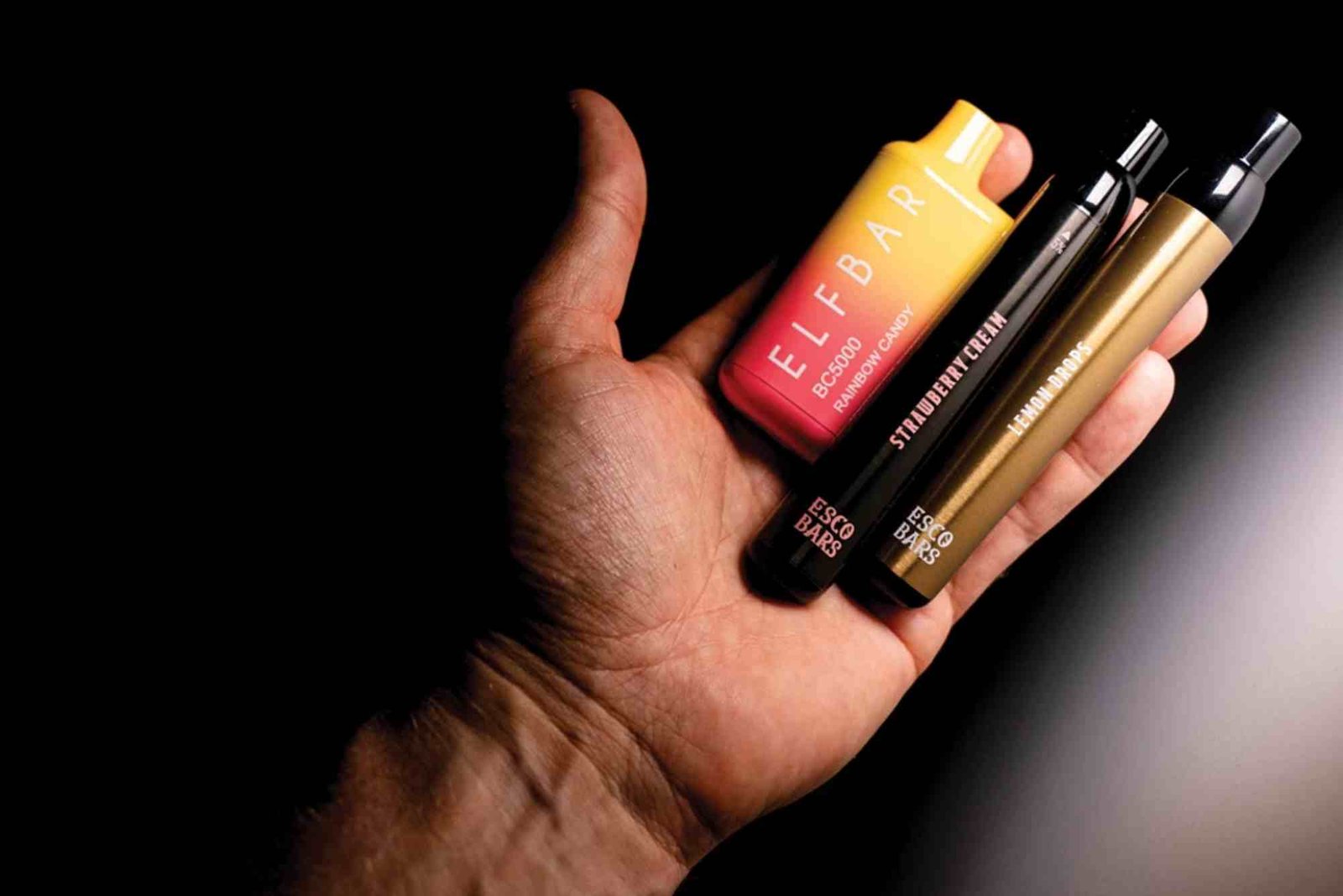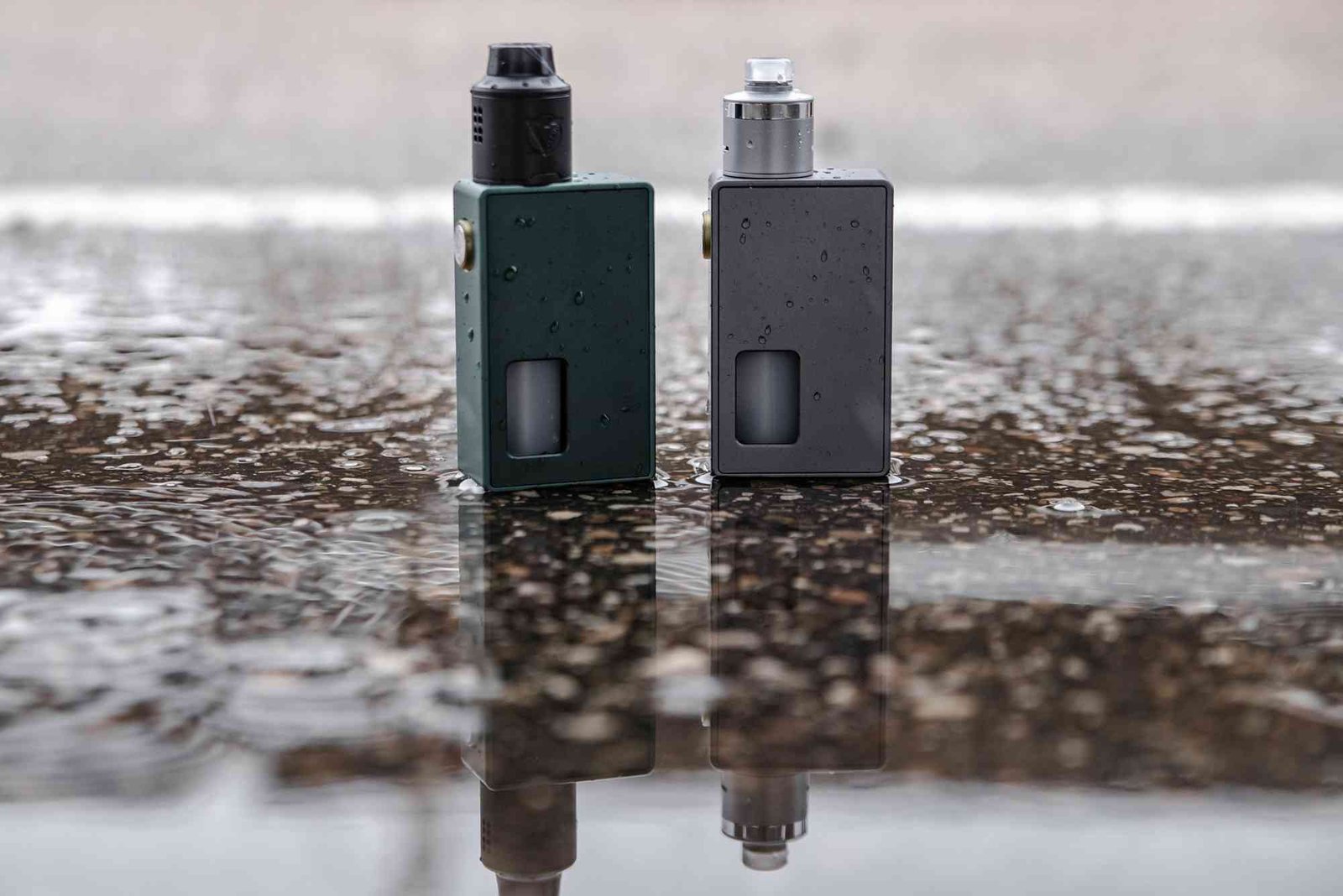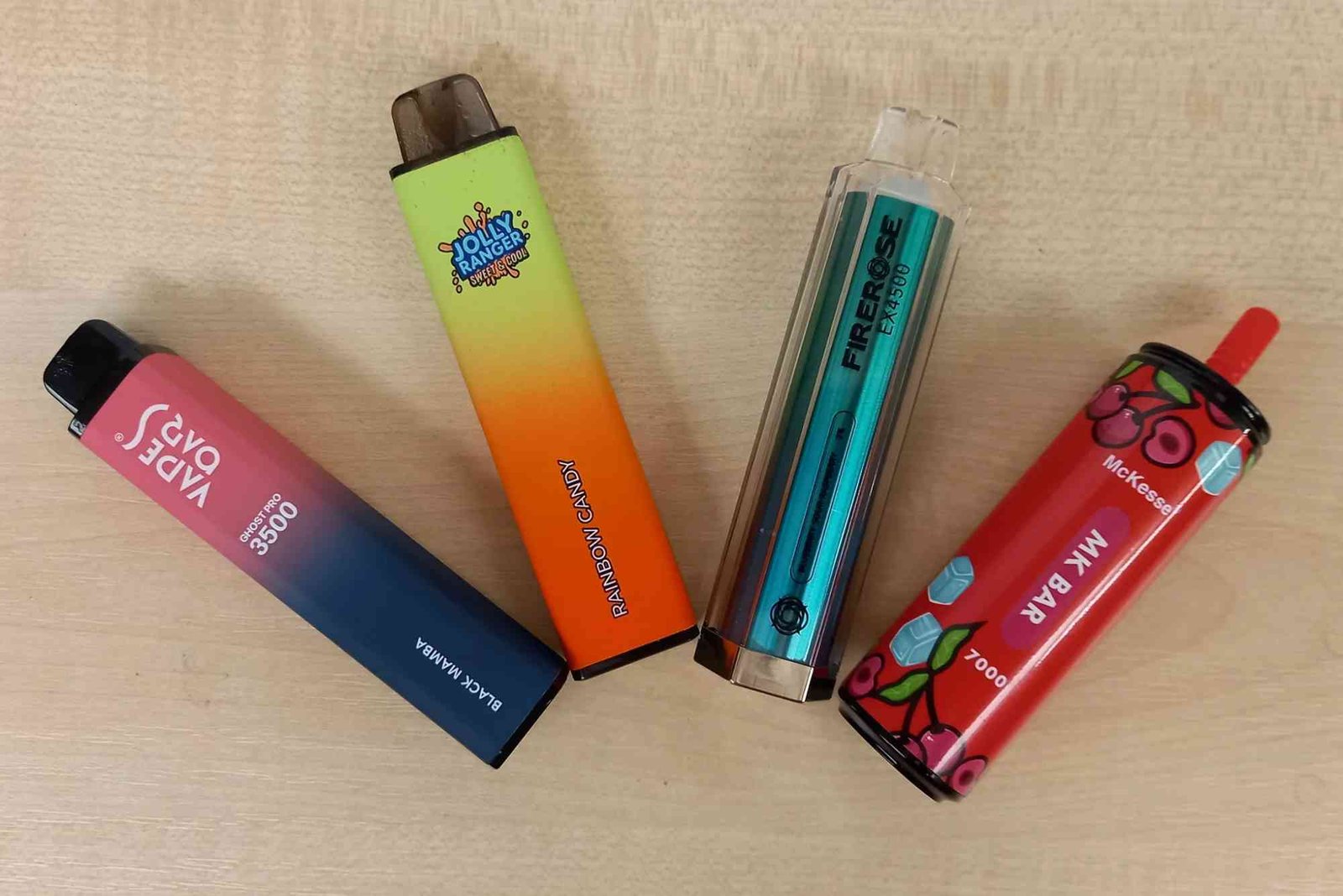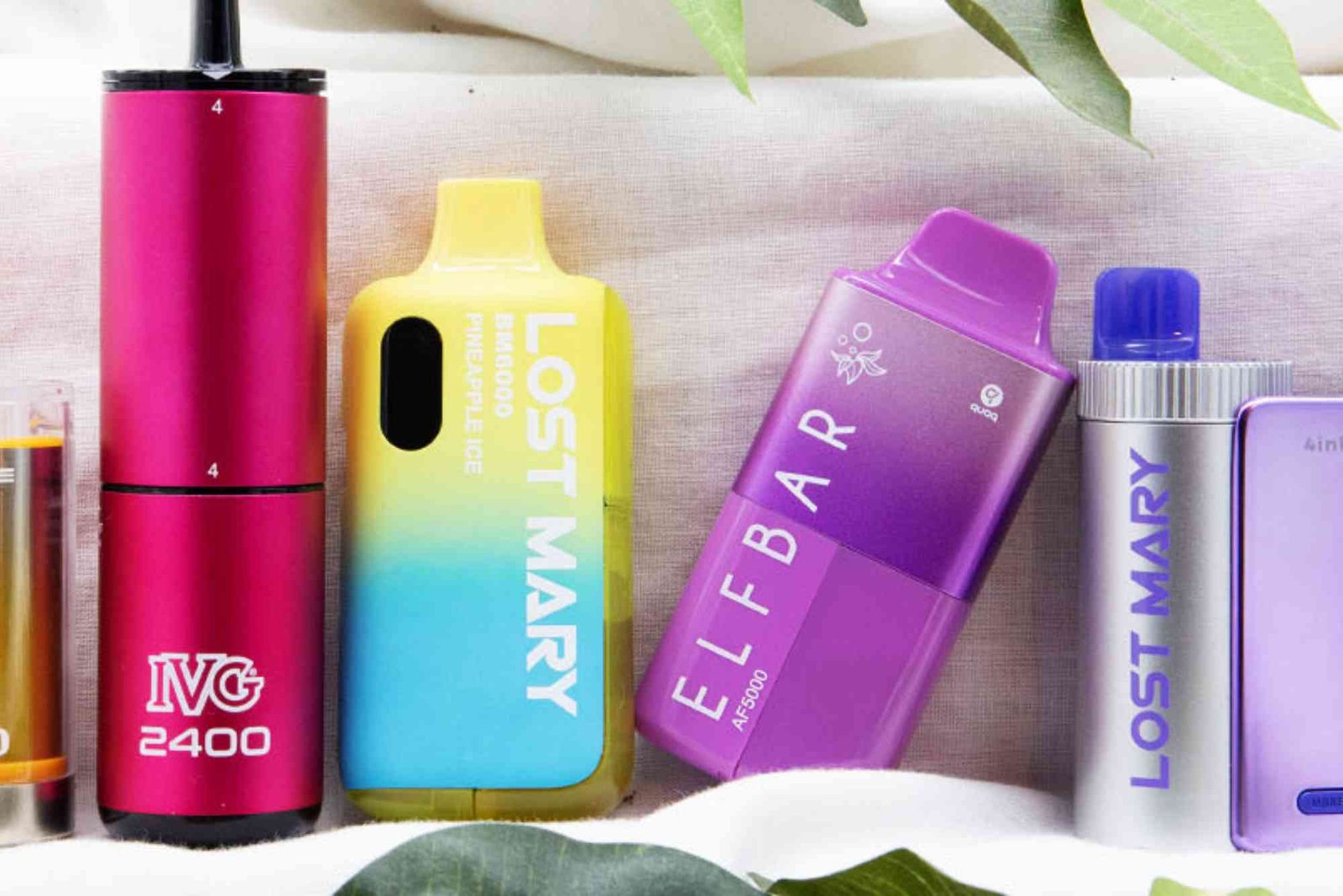

Introduction
In the UK, establishing clear and enforceable rules around the sale of vaping products is a vital part of reducing harm from nicotine. The focus on “vape age laws UK” reflects how the government and regulatory bodies aim to protect younger people while supporting adults making informed choices.
Understanding the UK legal framework for nicotine products
What are the current rules?
In England and Wales, it is an offence to sell nicotine‑containing vaping products or e‑liquids to anyone under 18 years of age. The law also makes it an offence for an adult to purchase such products for someone under 18, which is known as proxy purchasing.
Key legislation and guidance
One of the core pieces of regulation is the Nicotine Inhaling Products (Age of Sale and Proxy Purchasing) Regulations 2015, which sets the minimum age of sale at 18 for nicotine inhaling products. Additional laws cover the sale of tobacco and nicotine products, including provisions on persistent sales of tobacco or nicotine products to under‑18s.
Recent developments and future directions
The government has introduced the Tobacco and Vapes Bill, which aims to strengthen age of sale rules, tighten advertising, display, and flavour controls, and reduce youth uptake of vaping and nicotine products. The law also prohibits the sale of single‑use disposable vapes in England from June 2025.
Why age restrictions on vaping matter
Protecting young people from nicotine addiction
Young people are particularly vulnerable to initiating nicotine use. By enforcing a minimum age of sale, the UK aims to delay or prevent youth uptake of vaping and nicotine products. When fewer young people start, the overall risk of long‑term addiction or transition to smoking decreases.
Supporting safer nicotine use among adults
For adults who already smoke or use nicotine, regulated products offer a potential lower‑risk alternative. The age restriction ensures adult products stay adult only, preserving the benefit of switching for those who need it.

Reducing illicit and underage sales
Maintaining clear age limits helps retailers, enforcement agencies, and the public understand the rules. Retailers are required to verify age and comply with notification and display laws. This reduces opportunities for unregulated access, which may pose higher risks.
Ensuring product standards and safety
Alongside age laws, regulations require that nicotine vaping products comply with registered standards. This is part of the broader safety framework that supports safer nicotine use.
How the rules are implemented in practice
Retailer obligations and age verification
Retailers must display a prominent notice stating that it is illegal to sell nicotine inhaling products to anyone under the age of 18. They must also undertake age verification when someone appears under 18 and refuse sales if they cannot confirm age.
Enforcement and sanctions
If a retailer sells to someone under 18, both the individual staff member and business can be held responsible. In cases of persistent offences, authorities may impose restricted premises or sales orders, preventing the business from selling tobacco or nicotine products for up to a year.
Public education and regulatory oversight
Authorities recognize that while sale to under‑18s is prohibited, use may still occur. Local authorities, trading standards, and health bodies collaborate to monitor youth vaping trends, help ensure compliance, and engage in awareness campaigns.
Special cases and exemptions
There is a narrow exemption for vaping products licensed as medicines or medical devices, such as nicotine replacement therapy. These may be sold under different rules.
What “vape age laws UK” aim to achieve—and the challenges
A path to safer nicotine use
By setting clear age restrictions, the UK creates a framework where adults can access regulated nicotine products while protecting under‑18s from early access. The system supports harm reduction: for adult smokers, switching to regulated vapes may reduce risk compared to combustible tobacco.
The transition challenge: balancing access and restriction
One challenge is maintaining access for adult users looking for alternatives while protecting younger people. Too restrictive a system may push users to illicit markets, too lax may increase youth use. The ongoing policy evolution reflects this balance.
Monitoring new product types and loopholes
Vape products and nicotine delivery technologies evolve quickly. New formats, flavours, and marketing strategies may reach younger people despite age controls. Regulatory frameworks must adapt accordingly.
Retailer compliance and consumer awareness
Age restrictions only work if enforced at the point of sale and accompanied by effective staff training, compliance checks, and consumer information. Retailers must understand their obligations, and consumers should know their rights and responsibilities.
Evaluating public health outcomes
Ultimately, the success of vape age laws should be measured by whether youth uptake of nicotine falls, adult smokers transition safely to lower‑risk products, and overall harm from nicotine decreases. Monitoring and research are essential.
Emerging trends and what to watch
The single‑use vape ban
From June 2025, England will ban the sale of single‑use disposable vapes. This is intended to reduce appeal to younger users, limit environmental harm, and reduce unregulated disposable product supply.
The “smoke‑free generation” proposal
The Tobacco and Vapes Bill includes provisions to phase out the sale of tobacco products to those born from 1 January 2009 onwards. While this focuses on tobacco, the legislative momentum influences how vape age laws and nicotine regulation evolve.
Flavours, packaging, and display controls
Proposed regulations aim to restrict flavours, marketing, packaging, and point-of-sale display for vapes and other nicotine products to reduce youth appeal.
Research and surveillance of youth behaviour
Authorities continue to monitor youth vaping and nicotine use trends. While under‑18 sale is illegal, the prevalence of use may still require broader strategies.
Practical tips for adults, retailers, and parents
For adults considering vape use as a safer nicotine alternative
Use regulated products from reputable retailers, follow manufacturer instructions, and ensure the product is compliant with safety standards.
For retailers and business owners
Implement and maintain an age-verification policy, train staff, display required notices, and keep records of compliance. Non-compliance can lead to prosecution or restricted sale orders.
For parents, carers, and educators
Talk openly with young people about the risks of nicotine and vaping, emphasize that the minimum legal age to buy nicotine products is 18, and encourage healthy behaviours.
For policymakers and health practitioners
Monitor data on youth vaping, adult transition from smoking to vaping, product standards, and enforcement effectiveness. Evaluate how age laws integrate with broader harm-reduction and public-health strategies.
The “vape age laws UK” form a key pillar in the nation’s strategy to encourage safer nicotine use. By setting the minimum age of sale at 18 for nicotine-containing vaping products, enforcing retailer obligations, and supporting further regulation, the UK aims to protect younger people while enabling adults to make informed choices. While challenges remain, the trajectory is clear: a regulated framework aligned with harm-reduction goals and public health objectives.
Adults seeking safer alternatives to smoking, retailers, and GOV.UK — age of sale for nicotine products parents should ensure they understand and comply with age laws. Learning and acting responsibly helps protect future generations and promotes a healthier environment.
FAQs
Q: What is the minimum age to buy vaping products in the UK?
A: You must be at least 18 years old to buy any nicotine-containing vaping product.
Q: Can under‑18s use vapes even if they can’t buy them?
A: The law prohibits sale to under‑18s, but personal use is not criminalized.
Q: What happens if a retailer sells a vape to someone under 18?
A: Both the retailer and staff can face legal consequences; persistent offences may lead to restricted sales or fines.
Q: Are disposable vapes legal in the UK?
A: From June 2025, the sale of single-use disposable vapes will be banned in England.
Q: Why are age laws for vaping important?
A: They protect young people from early nicotine uptake and addiction while supporting adult smokers seeking regulated alternatives.