Introduction
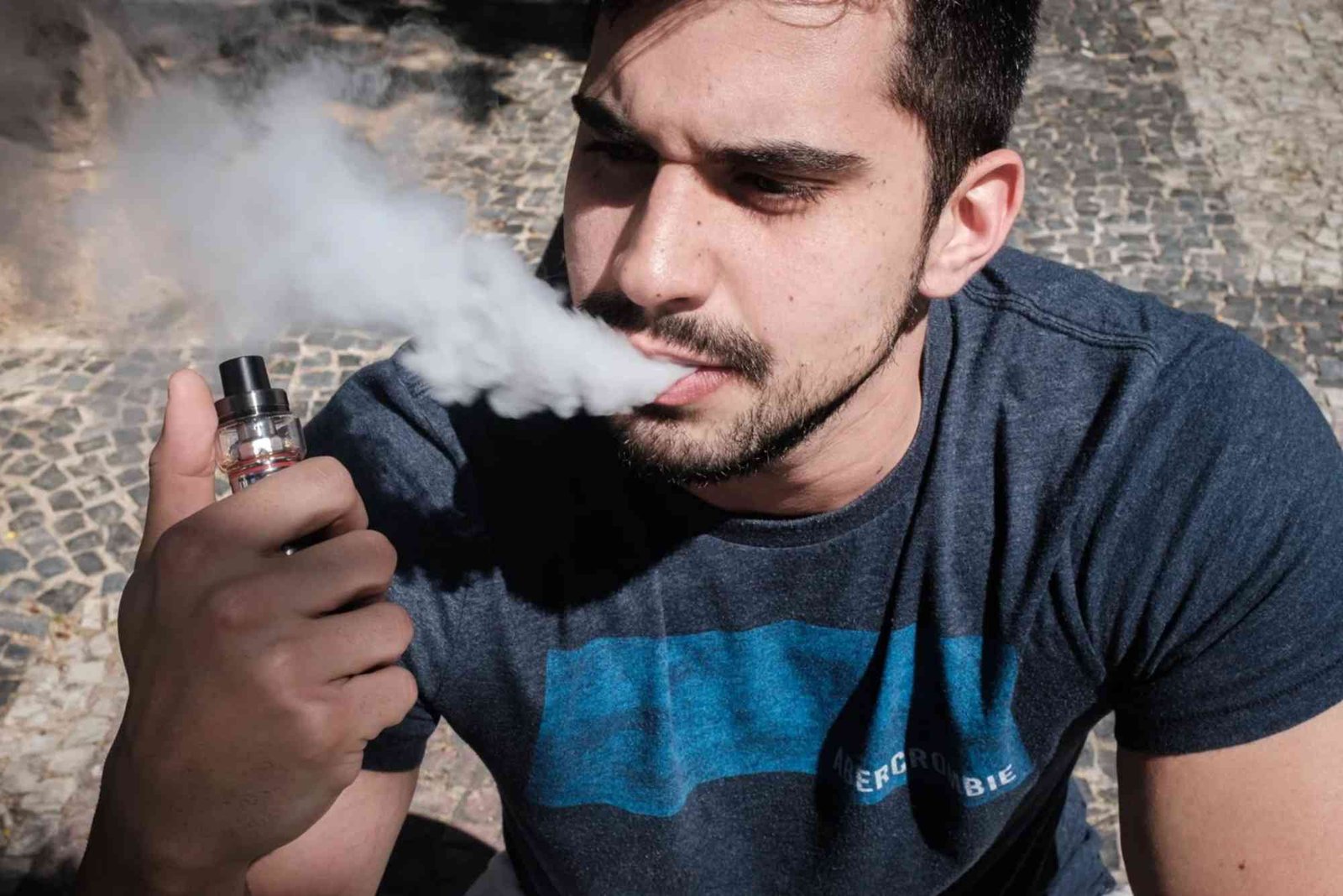
The question “is smoking a vape illegal indoors” is common among those seeking safer nicotine alternatives. Vaping has become a popular substitute for combustible tobacco. While it is generally considered less harmful, using a vape indoors raises legal, health, and social considerations.
Understanding Vaping, Indoor Use, and the Law
What Is Vaping and How Does It Differ from Smoking?
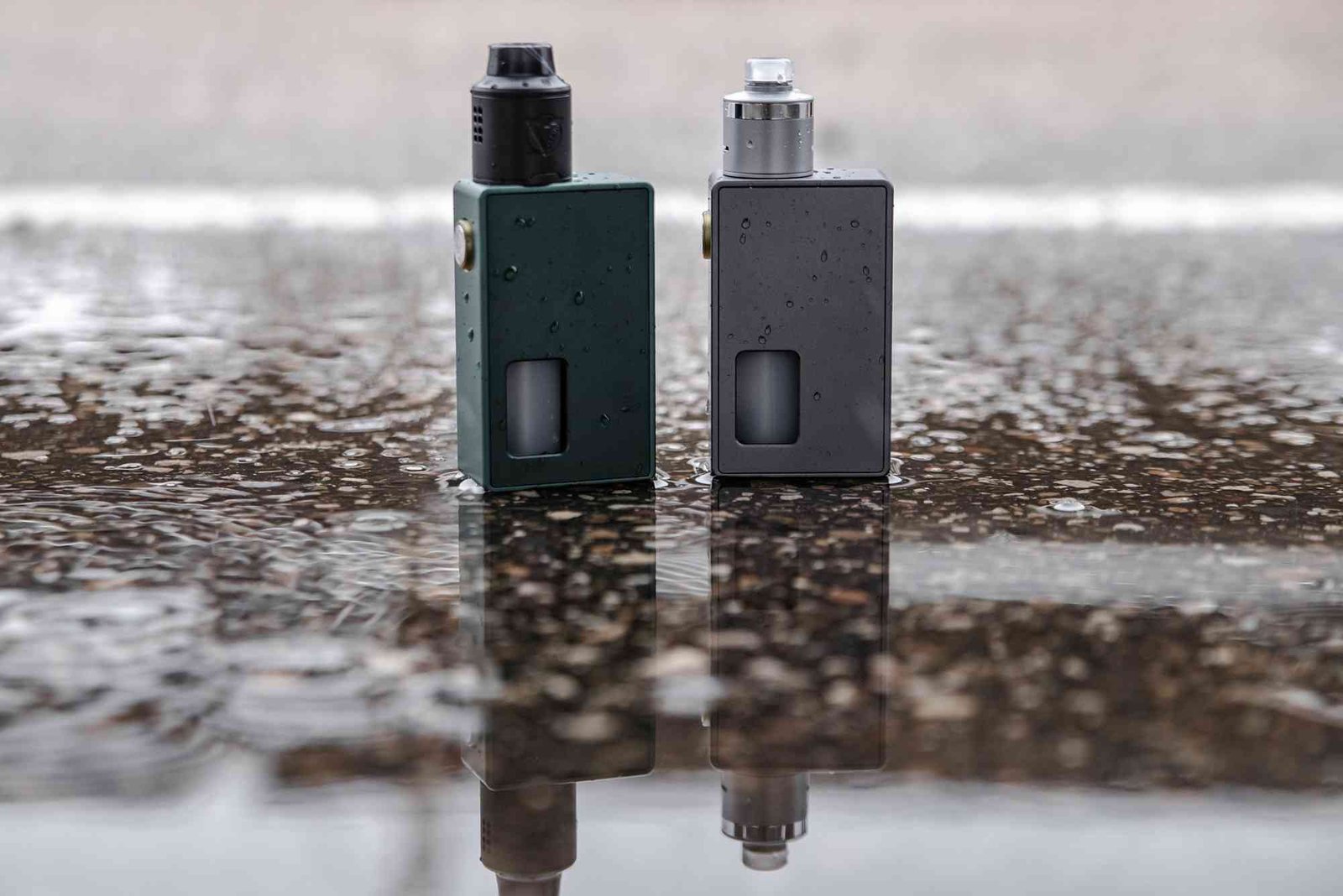
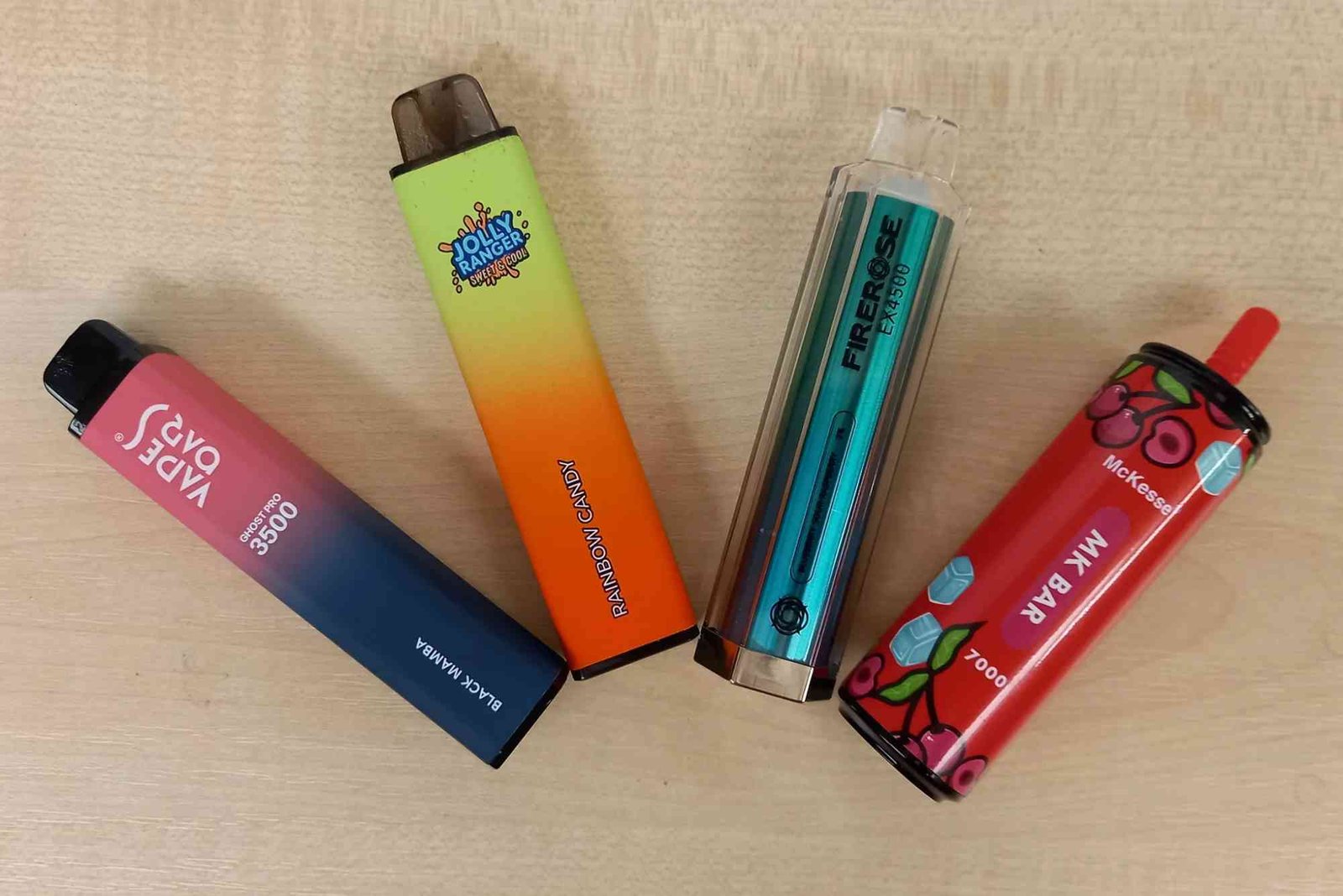
Vaping involves inhaling vapor from an electronic device that heats a liquid containing nicotine, flavorings, and other substances. Unlike tobacco smoking, vaping does not involve combustion, so it produces fewer harmful chemicals. While it is not risk-free, vaping can be a less harmful alternative for those seeking nicotine.
Legal Framework for Smoking and Vaping Indoors
Smoking tobacco indoors is banned in most public and enclosed spaces. These laws aim to protect non-smokers from secondhand smoke. Vaping, however, is not considered “smoking” in most jurisdictions because it does not burn tobacco. Therefore, there is no blanket law making indoor vaping illegal, but individual venues or employers may restrict it.
Is Smoking a Vape Indoors Illegal?
Indoor Vaping in Public Places
Although vaping is generally not illegal indoors, public venues such as restaurants, pubs, cinemas, and shopping centers may impose their own rules. Some establishments allow vaping in designated areas, while others ban it completely. The legality is therefore dependent on the property owner’s policies rather than national legislation.
Indoor Vaping in the Workplace
Employers are not legally required to ban vaping in offices or indoor workplaces. However, many workplaces choose to regulate vaping to maintain air quality, prevent complaints, and reduce conflicts. Policies vary: some designate vaping zones, while others treat it the same as smoking and ban it indoors entirely.
Private Homes and Rental Properties
In private homes, vaping indoors is generally allowed unless restricted by local laws or lease agreements. In rented properties, tenants should check their contracts, as landlords may have clauses prohibiting vaping indoors. Ownership and property rules play a key role in determining whether vaping is permitted.

Safer Nicotine Use and Indoor Vaping
Vaping as Harm Reduction
Vaping is widely recognized as a harm reduction tool for smokers. It is significantly less harmful than smoking combustible cigarettes, making it a valuable option for those looking to reduce health risks. Using a vape indoors may support this goal if it helps someone switch entirely from smoking to vaping.
Health Considerations for Indoor Vaping
Although vaping produces fewer toxins than smoking, indoor use can still release aerosols that contain nicotine and other chemicals. Exposure for non-users, particularly children or individuals with respiratory conditions, should be considered. Proper ventilation or designated vaping areas can reduce potential risks.
Social and Behavioral Impacts
Indoor vaping may affect social norms and behavior. Some people may find vapor irritating or offensive, while others may be indifferent. Respecting the preferences of others in shared indoor spaces helps maintain harmony and reduces conflicts.
Policies and Best Practices for Indoor Vaping
Workplace Policies
Organizations should establish clear guidelines for indoor vaping. This can include: designated areas, no-vaping zones, and education about vaping and health. Clear policies help employees understand expectations and reduce disputes.
Public Venues
Businesses should consider signage and clear communication regarding vaping rules. Designated areas for vaping can protect non-vapers while supporting harm reduction for smokers who use e-cigarettes.
Home and Shared Living Spaces
In multi-unit housing, open communication with neighbors or property managers ensures vaping does not cause conflicts. Using air purifiers or ventilating rooms can further reduce vapor exposure.
Smoking a Vape Illegal Indoors is generally not illegal, it is subject to venue, employer, or property rules. Indoor vaping can be part of a safer nicotine strategy if it helps transition from smoking and is done responsibly. Consider health impacts, social etiquette, and policy compliance before vaping indoors. Respect for others and adherence to local guidelines ensures vaping indoors contributes positively to harm reduction without creating unnecessary conflicts.
If you smoke or are considering vaping, educate yourself on local indoor National indoor air quality / workplace guidance (example: HSE UK) rules and workplace policies. Transitioning from smoking to vaping responsibly can protect your health and those around you. Explore safer nicotine options and make informed choices today.
FAQs
Is it legal to vape indoors in the UK?
Yes, vaping is not legally prohibited indoors, but venues and employers may restrict it.
Can employers ban vaping in offices?
Yes, employers can set indoor vaping policies, including designated areas or complete bans.
Is indoor vaping safe for non-users?
While safer than tobacco smoke, vaping can still expose non-users to nicotine and aerosols. Ventilation and designated areas help reduce exposure.
Can landlords prevent tenants from vaping indoors?
Yes, rental agreements may include rules restricting vaping inside properties. Always check your lease.
Does vaping help with quitting smoking?
Yes, vaping is widely considered a harm reduction tool and can support smoking cessation when used responsibly.