Introduction
Amsterdam is known for its progressive approach to public health, and its stance on vaping is no exception. Today, vape laws in Amsterdam play a central role in shaping how residents and visitors access nicotine products while encouraging safer use. These regulations continue to evolve as policymakers respond to rising youth vaping rates, the need for smoke-free public spaces, and new scientific insights into harm reduction. Because vaping remains a major topic for travelers, consumers, and retailers, understanding the rules is essential before setting foot in the city.
This guide breaks down how vape regulations work, why they exist, and what they mean for anyone using nicotine products in Amsterdam. It also explains how these laws support safer nicotine habits and provides direct access to official guidance through the City of Amsterdam — local vape/tobacco rules.
Understanding the Current Vape Laws in Amsterdam
Amsterdam aligns its tobacco and vape regulations with national Dutch law and EU directives. While the rules are straightforward, many visitors are surprised by the city’s stricter local enforcement. As authorities continue to refine how vaping is managed, these regulations serve two primary goals: reducing public health risks and protecting young people.
General Vape Restrictions Across the City
The foundation of vape laws in Amsterdam is built around where people can vape, where products can be sold, and how advertising must be controlled. Although vaping is considered less harmful than smoking, the city treats it with the same level of caution as traditional tobacco.
Retail and Sale Regulations
Retailers face specific requirements to prevent underage access. Shops must verify age for all vape purchases, whether devices contain nicotine or not. Packaging rules are also strict. By requiring clear labeling, the city ensures consumers understand what they are buying and how to use it responsibly.
Vaping in Public Spaces
Amsterdam’s smoke-free policies extend to vaping in many public areas. These include public buildings, educational institutions, and most health-related spaces. The goal is to reduce involuntary exposure and maintain a clean-air environment. In some outdoor areas, signage indicates whether vaping is prohibited. In other cases, businesses set their own rules, so it is always wise to check before using a device.

Why Amsterdam Regulates Vaping This Way
Many visitors assume the Netherlands is relaxed about all nicotine-related products. However, Amsterdam’s approach is guided by strong public health principles. The city recognizes that vaping can contribute to safer nicotine use, especially for smokers transitioning away from combustible cigarettes. At the same time, regulators understand the need to limit youth exposure and prevent the normalization of nicotine use.
Harm Reduction as a Public Health Strategy
Vaping can reduce exposure to many harmful chemicals found in cigarette smoke. For this reason, Amsterdam does not ban vaping outright. Instead, it focuses on shaping safer environments. By enforcing clear rules, the city encourages smokers to switch while reducing the likelihood that non-smokers—especially teenagers—start vaping.
Protecting Young People From Nicotine
Recent studies show rising experimentation with vaping among youth in Europe. Amsterdam responds to this trend with age restrictions, marketing limits, and packaging rules. Together, these measures help reduce the availability and appeal of vape products to minors.
Cleaner Public Spaces
Restricting vaping in indoor and certain outdoor areas supports air quality goals. While vapor dissipates faster than smoke, authorities still prioritize shared environments. The policy is simple: if smoking is prohibited, vaping usually is too.
What Travelers Should Know About Vaping in Amsterdam
For many tourists, questions about vaping arise before they land. Amsterdam is a popular destination for young adults, business travelers, and tech workers who rely on vaping as a smoking alternative. Knowing the rules helps avoid fines and misunderstandings.
Bringing Vape Devices into the Netherlands
Visitors may bring personal vape devices and liquids for individual use. However, certain airline rules may apply, especially for batteries. It is best to store devices in carry-on luggage and liquids within the allowed volume limits. Travelers should also know that high-nicotine liquids may be subject to EU regulations.
Buying Vape Products Locally
Vape shops in Amsterdam must follow strict product and labeling laws. This means consumers generally find safer, well-regulated products. However, flavored vape liquids are limited. In recent years, the Netherlands has moved toward restricting flavors to discourage youth interest.
Vaping Indoors or in Restaurants
Many restaurants, bars, clubs, and cafés prohibit vaping indoors. While some may allow it, policies vary widely. Asking staff is always the safest option. Outdoor terraces tend to be more flexible, but again, individual businesses set the rules.
How Vape Laws in Amsterdam Support Safer Nicotine Use
Amsterdam’s regulatory structure balances safety with practical harm reduction. The city recognizes that many adults rely on vaping to quit smoking. By shaping the market with clear rules, it ensures access to regulated products while minimizing potential risks.
Consistent Rules Encourage Responsible Use
Because the laws are easy to understand, users can make informed decisions. From packaging requirements to indoor restrictions, every rule aims to promote thoughtful behavior. This helps build healthier habits among residents and tourists.
Quality Controls Reduce Product Risks
Regulated vape products reduce the chances of contamination or manufacturing errors. Consumers benefit from transparency about ingredients and nicotine strength. As a result, the risk of accidental overuse or exposure to harmful additives drops significantly.
Steady Enforcement Improves Trust
Amsterdam’s consistent enforcement boosts user confidence. Whether someone is quitting cigarettes or using nicotine casually, they can trust the city’s standards. Reliable regulation helps vaping function as a genuine health tool rather than a trend-driven habit.
Amsterdam’s Future Direction on Vaping
The Netherlands continues to Vape Laws Amsterdam review national vaping rules, and Amsterdam often leads in enforcement. Future policy changes may include tighter flavor bans, updated advertising rules, and expanded smoke-free zones. These shifts reflect ongoing research and community feedback. While some users worry about potential overregulation, policymakers emphasize a balanced approach. The goal remains to reduce smoking-related harm without pushing people back to cigarettes.
Navigate Amsterdam’s Vape Laws With Confidence
Amsterdam’s vaping laws reflect a commitment to public health, harm reduction, and community well-being. While the regulations may feel strict to some visitors, they help create safer nicotine environments for everyone. By understanding the rules, you can vape responsibly and confidently while supporting the city’s broader health goals. If you need the latest official guidance on vaping and tobacco rules, visit the City of Amsterdam — local vape/tobacco rules.
FAQs
Can you vape in public in Amsterdam?
Yes, you can vape outdoors. However, vaping is prohibited in most indoor public spaces, including public buildings, workplaces, hospitals, and schools. Some outdoor areas also restrict vaping, so always check local signs.
Are flavored vapes banned in Amsterdam?
The Netherlands has moved to restrict most vape flavors to reduce youth appeal. While some basic flavors remain available, many sweet or fruit options are no longer sold.
What is the legal age to buy vapes in Amsterdam?
You must be 18 or older to buy vape products. Shops must verify age and cannot sell to minors under any circumstances.
Can tourists bring vapes into Amsterdam?
Yes, travelers may bring personal vape devices and liquids for their own use. Airline and EU regulations apply, so store devices properly during travel.
Are disposable vapes allowed in Amsterdam?
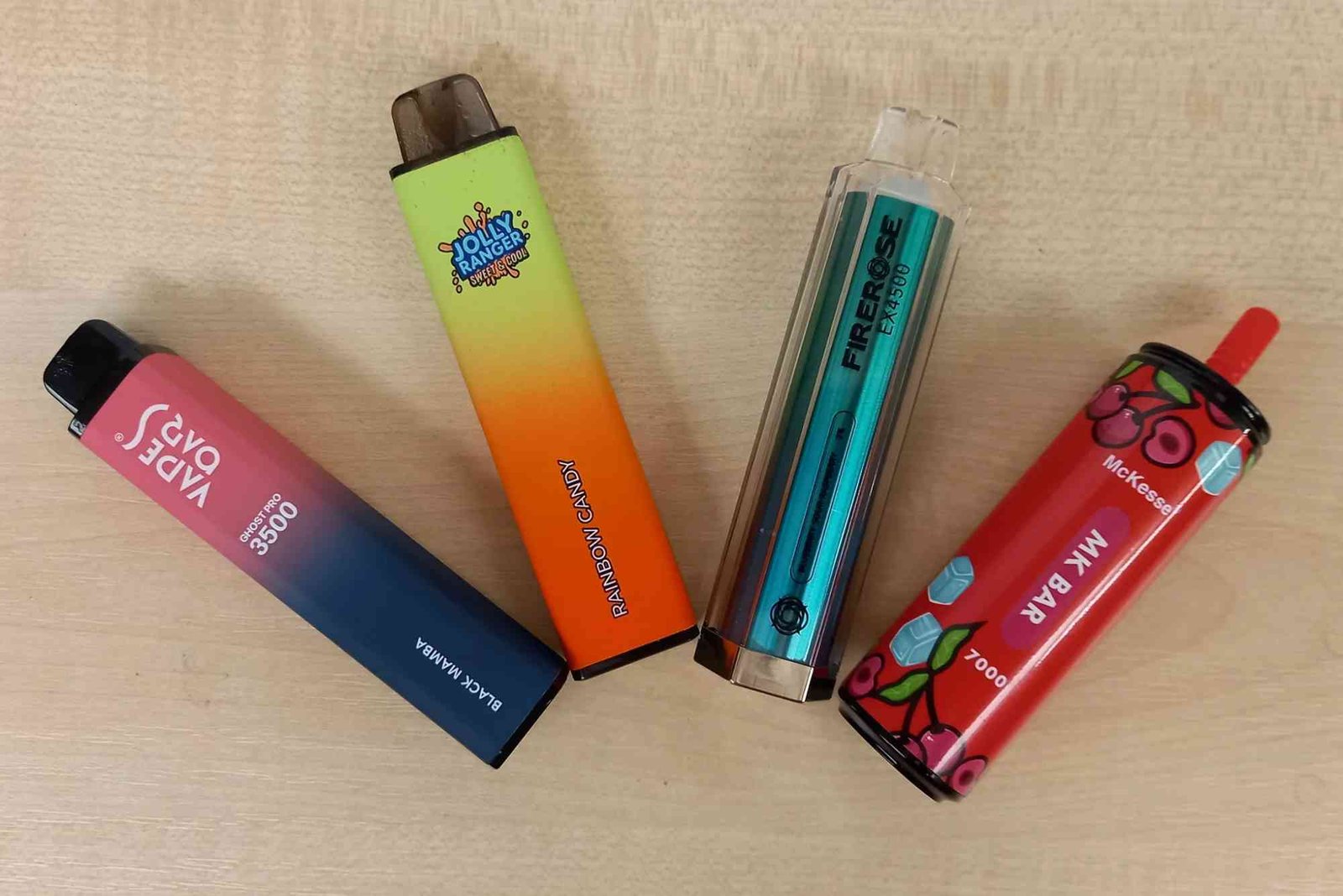
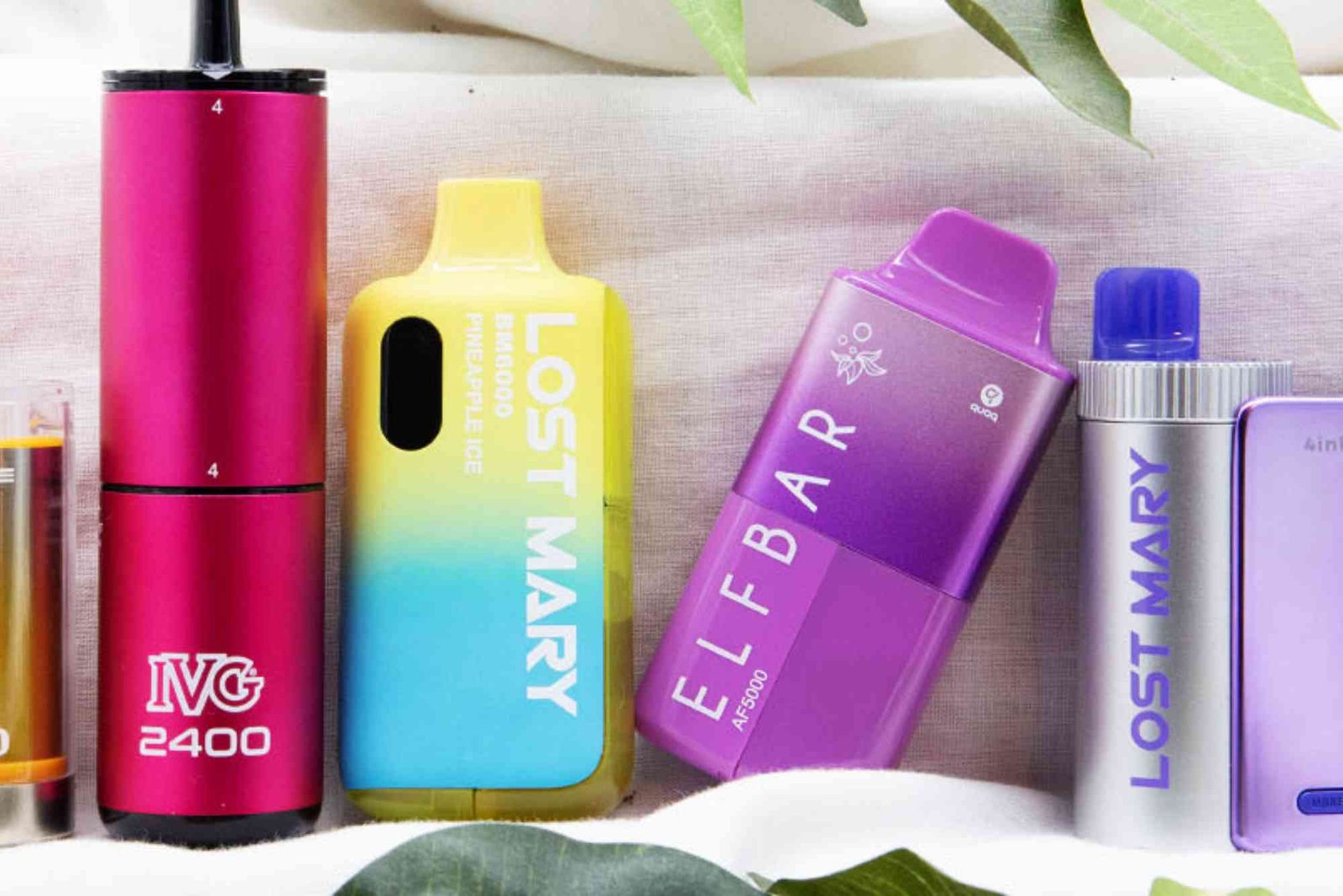
Disposable vapes are still available but face increasing regulatory scrutiny. Environmental concerns may lead to further restrictions in the future.