Introduction
Vaping has become a central topic in Slovenia’s public health discussions, and many adults who want to reduce or replace smoking habits are searching for clear guidance. The phrase “Slovenia vape laws” appears often in online searches because people want to understand how the country manages nicotine products and what these rules mean for safety, accessibility, and long-term harm reduction. Slovenia’s legal framework is detailed, and although it may feel strict at first glance, it plays an important role in shaping safer consumer behaviour.
Slovenia Vape Laws as a Path to Safer Nicotine Use
Slovenia regulates vaping under the same public health philosophy used for other nicotine products. The goal is not prohibition but risk control. Authorities aim to reduce harmful exposure among young people while still allowing adults to choose lower-risk alternatives to cigarettes. This balance reflects global trends that recognize vaping as less harmful than smoking yet still something that requires oversight.
Transparency and safety requirements
Slovenia vape laws demand clear product labeling, quality standards, and manufacturer accountability. Every vape liquid sold in the country must undergo proper documentation and compliance checks, including safety data and ingredient transparency. These rules are not arbitrary. They help consumers understand exactly what they are inhaling and reduce the risk of contaminated or mislabeled products. When safety details are available, adults can make informed decisions, and this supports harm reduction rather than confusion.
Restrictions designed to protect young people
Another core part of Slovenia’s regulatory strategy focuses on youth protection. Retailers cannot sell vape products to minors, advertising is limited, and packaging is controlled to avoid designs that appeal to children. While some adult vapers may view these restrictions as inconvenient, they serve a clear purpose. By reducing youth exposure, the government helps ensure vaping remains an adult-only tool for smokers seeking alternatives.
If you want to reference official guidance, the Slovenian Ministry of Health — tobacco & e-cig rules internal link provides detailed explanations directly from government sources: https://www.gov.si/en/state-authorities/ministries/ministry-of-health/
How Slovenia Vape Laws Support Harm Reduction
Harm reduction is a public health concept based on the idea that people do not need to quit nicotine entirely to reduce risk. Instead, they can move to safer forms. Slovenia vape laws indirectly support this idea by ensuring that safer options remain available while high-risk behaviors are discouraged.

Encouraging a switch from cigarettes
Smoking remains one of the most preventable causes of death in Slovenia. Because vaping does not involve combustion, it dramatically reduces exposure to tar, carbon monoxide, and thousands of other harmful chemicals. By maintaining a regulated but accessible vape market, Slovenia gives adult smokers an alternative that is significantly less dangerous. This aligns with evidence from many European health agencies that recognize vaping as a more suitable long-term replacement compared to continued smoking.
Keeping product quality consistent
One frequent concern among new vapers is the risk of counterfeit liquids or devices. Slovenia’s regulations address that fear by limiting sales to authorized retailers and enforcing product notification standards. When consumers buy within the legal framework, they are far less likely to encounter harmful chemicals, faulty batteries, or mislabeled nicotine levels. This consistency improves safety and encourages more smokers to try lower-risk products instead of remaining with cigarettes.
Supporting informed decision-making
Education is another subtle advantage built into Slovenia vape laws. By requiring clear ingredient lists, warnings, and use instructions, regulators help adults understand what they are using. This level of transparency builds trust and encourages conscious consumption. When adults feel confident in the products they choose, they are more likely to commit to long-term harm reduction goals.
What Vapers Should Know When Visiting Slovenia
Many travelers want to understand how local regulations affect their vaping routines. Slovenia vape laws allow adults to vape and purchase products, but some practical rules ensure compliance with public health goals.
Where you can and cannot vape
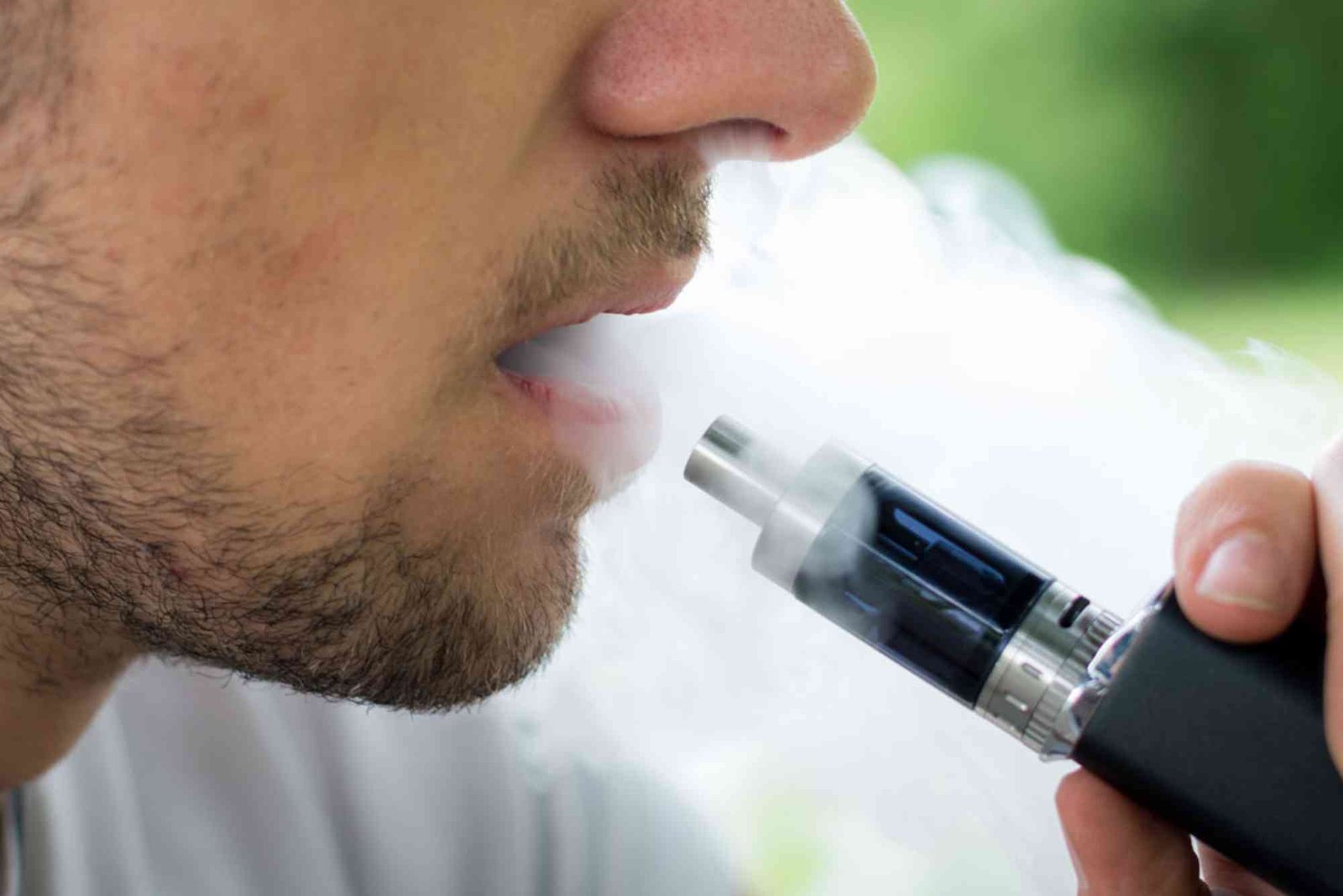
Slovenia treats vaping similar to smoking when it comes to indoor restrictions. Most indoor public spaces do not permit vaping. Outdoor use is usually allowed unless a specific area prohibits it. Understanding this helps visitors avoid misunderstandings and remain respectful of local norms. It also aligns with Slovenia’s goal of maintaining clean air in shared spaces.
Buying vape liquids and hardware
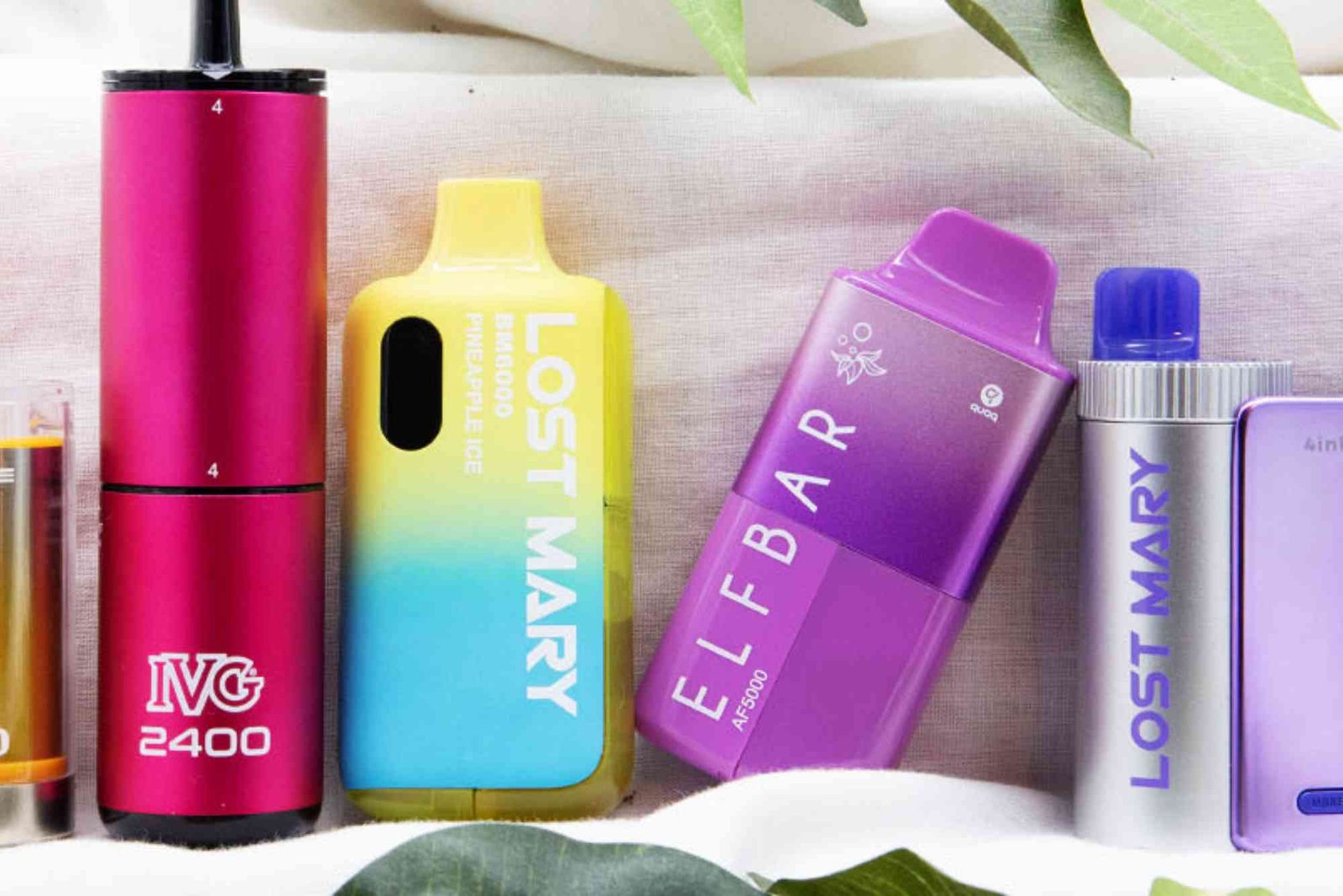
Vape products are available in authorized shops, and adults can buy them without difficulty as long as the products comply with national standards. Nicotine levels follow EU rules, and bottle sizes have specific limits. This helps ensure consistent quality across the entire market. Travelers should keep in mind that only approved products are legal, and suppliers must follow strict reporting requirements.
Bringing your own products into Slovenia
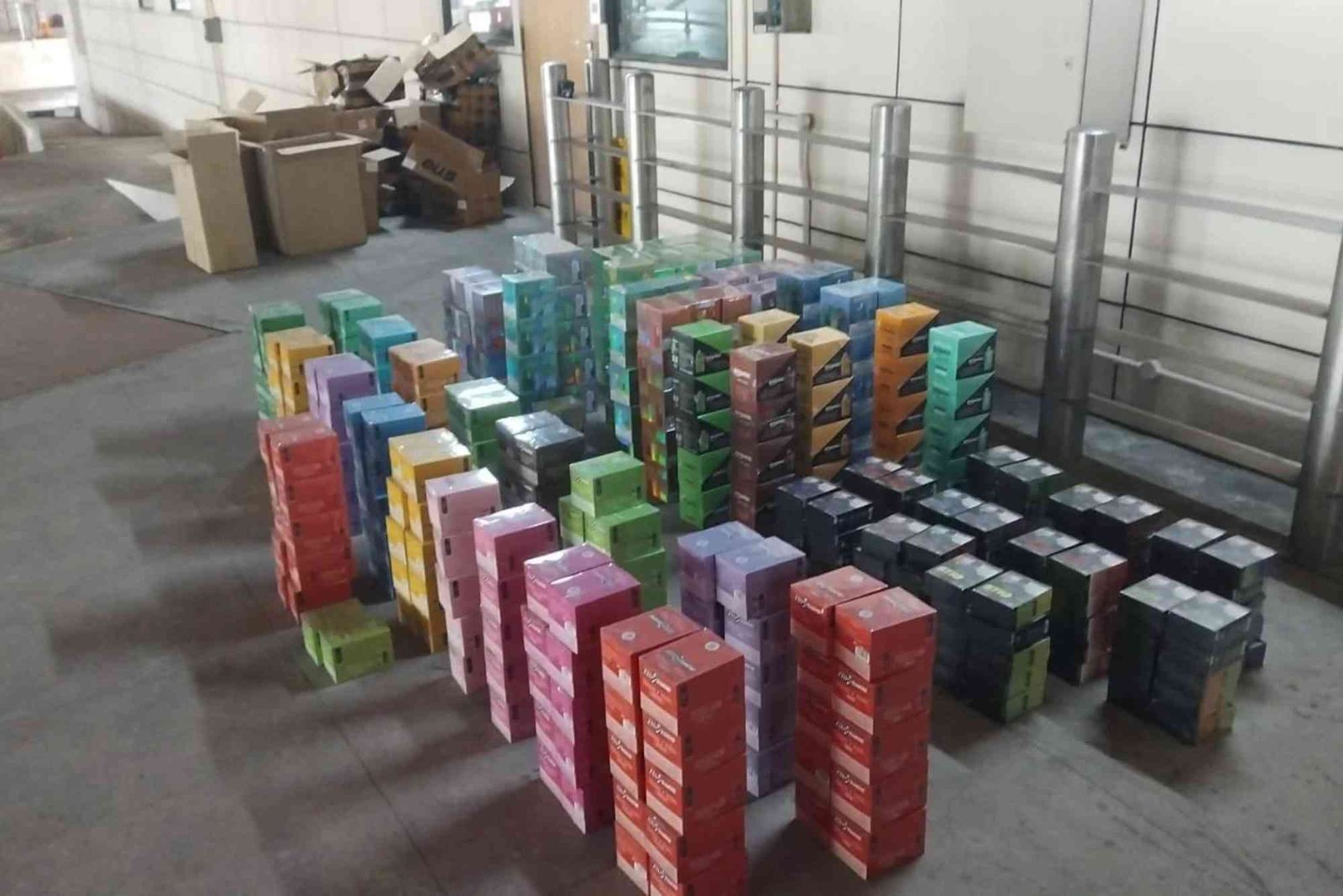
Adults may bring personal vape devices and liquids into the country for their own use. However, carrying large quantities may raise questions about intent to resell. Keeping products in original packaging helps demonstrate compliance with safety rules. These small steps make travel easier and help avoid unnecessary issues at borders.
Why Slovenia’s Vape Regulations Matter for Public Health
Clear laws do more than set boundaries. They create a predictable environment that benefits consumers and public health agencies. Slovenia vape laws seek to lower smoking rates, protect young people, and build a controlled market offering safer alternatives.
Reducing long-term healthcare burdens
Smoking-related diseases place a heavy burden on healthcare systems. By encouraging smokers to switch to significantly less harmful alternatives, Slovenia aims to reduce hospitalizations and long-term treatment costs. This supports the broader goal of creating a healthier population and relieving pressure on medical resources.
Aligning with European standards
Slovenia’s approach mirrors wider European Union policies that promote safety and responsible marketing. This alignment ensures consistency for manufacturers and consumers across the EU market. It allows Slovenia to maintain a modern regulatory system without isolating itself from international trade and scientific developments.
Enhancing consumer trust
Trust plays a major role when adults choose nicotine products. Without rules, consumers fear contamination, misleading claims, or untested chemicals. Slovenia vape laws build confidence by ensuring products meet strict safety criteria. When consumers feel safe, they are more likely to transition from smoking and stay committed to lower-risk behaviors.
A Clear Path Toward Safer Nicotine Use
Slovenia Vape Laws as a Path to Safer Nicotine Use create an environment where adults can choose safer alternatives to smoking with confidence. By focusing on quality, transparency, and consumer protection, the country offers a framework that promotes harm reduction while discouraging risky behaviours. Whether you live in Slovenia or plan to visit, understanding these regulations helps you make informed decisions about nicotine use. If you want to explore official guidance or learn more about ongoing updates, visit the Slovenian Ministry of Health — tobacco & e-cig rules internal link for accurate and trustworthy information.
Frequently Asked Questions
Are vapes legal in Slovenia?
Yes, vapes are legal for adult use. Slovenia allows adults to buy and use vaping devices and nicotine liquids as long as they comply with national and EU regulations. These rules ensure that products remain safe and reliable. Minors cannot legally purchase or use vape products.
Can you vape indoors in Slovenia?
In most cases, no. Slovenia treats vaping similarly to smoking, so indoor public spaces generally prohibit it. This includes restaurants, bars, workplaces, and public transport. Outdoor vaping is usually allowed unless signs indicate otherwise. These restrictions help maintain clean shared environments.
Can tourists bring vape products to Slovenia?
Yes, tourists may bring personal vape devices and liquids for individual use. They should carry reasonable quantities and keep products in original packaging when possible. Large quantities may be interpreted as intended for resale, which is not allowed without authorization.
How much nicotine is allowed in vape liquids in Slovenia?
Slovenia follows EU standards, limiting nicotine liquids to a maximum concentration of 20 mg/ml. Bottles for nicotine-containing liquids also have size limitations. This prevents overconsumption and supports safer use among adults transitioning away from smoking.
Why are vape rules strict if vaping is safer than smoking?
Even though vaping reduces harm compared to smoking, it still involves nicotine and chemical inhalation. Slovenia vape laws aim to balance harm reduction with youth protection and product safety. Strict rules ensure adults can access safer alternatives while preventing misuse and unsafe manufacturing.