Introduction
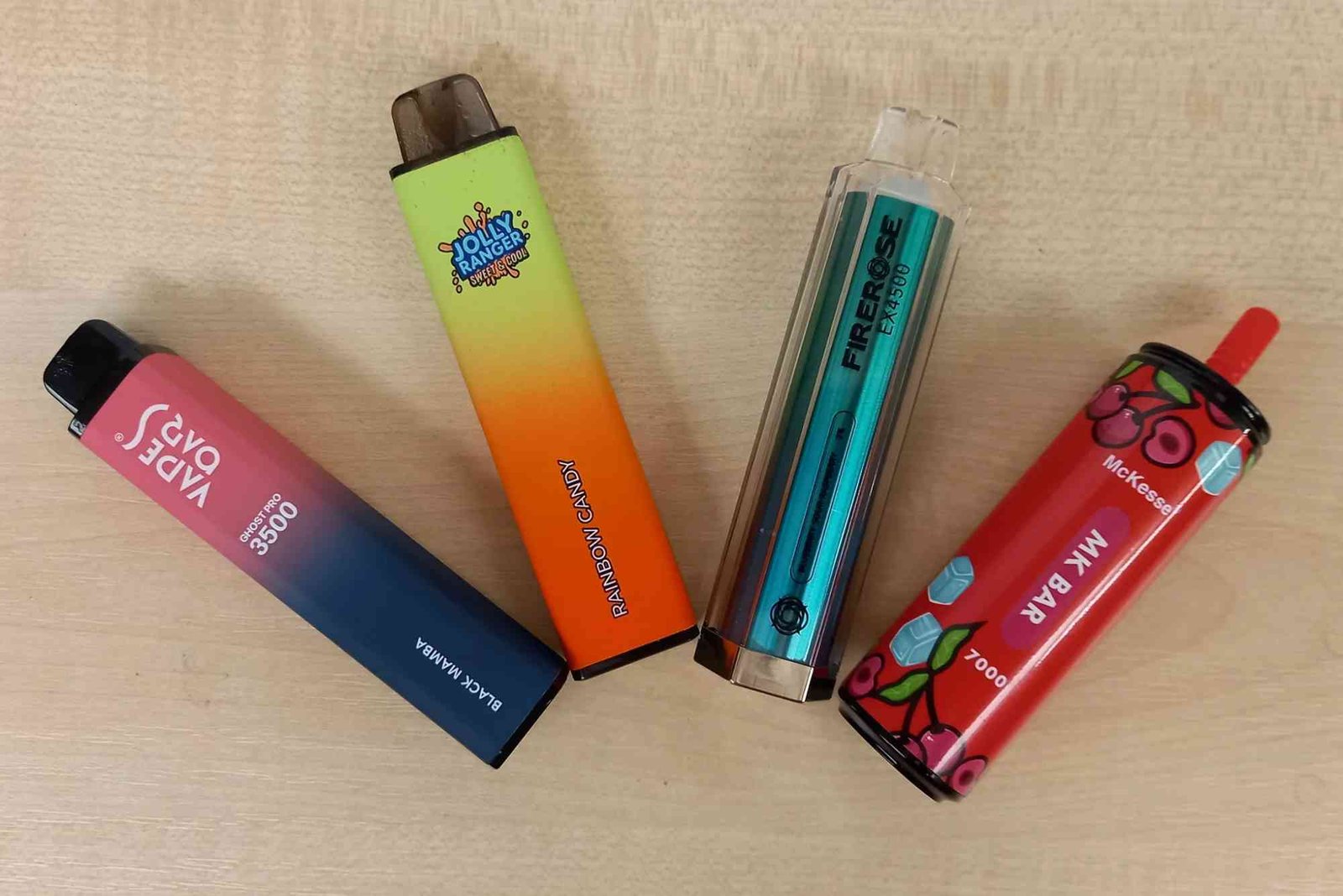
Vaping has become one of the most popular alternatives to smoking in the last decade. Millions of people around the world now use vape devices, often believing them to be a safer option compared to traditional cigarettes. However, studies and real-world experiences show that there are significant health issues caused by vaping that cannot be ignored. From lung damage to cardiovascular risks, vaping poses dangers that many users overlook. Alongside the health concerns, there is also the matter of vape device safety, especially when it comes to batteries that can malfunction or explode if handled incorrectly. In this article, we will take an in-depth look at the health risks of vaping, explore how vape devices can affect your body, and provide essential safety tips to ensure your device is used responsibly.
Understanding health issues caused by vaping
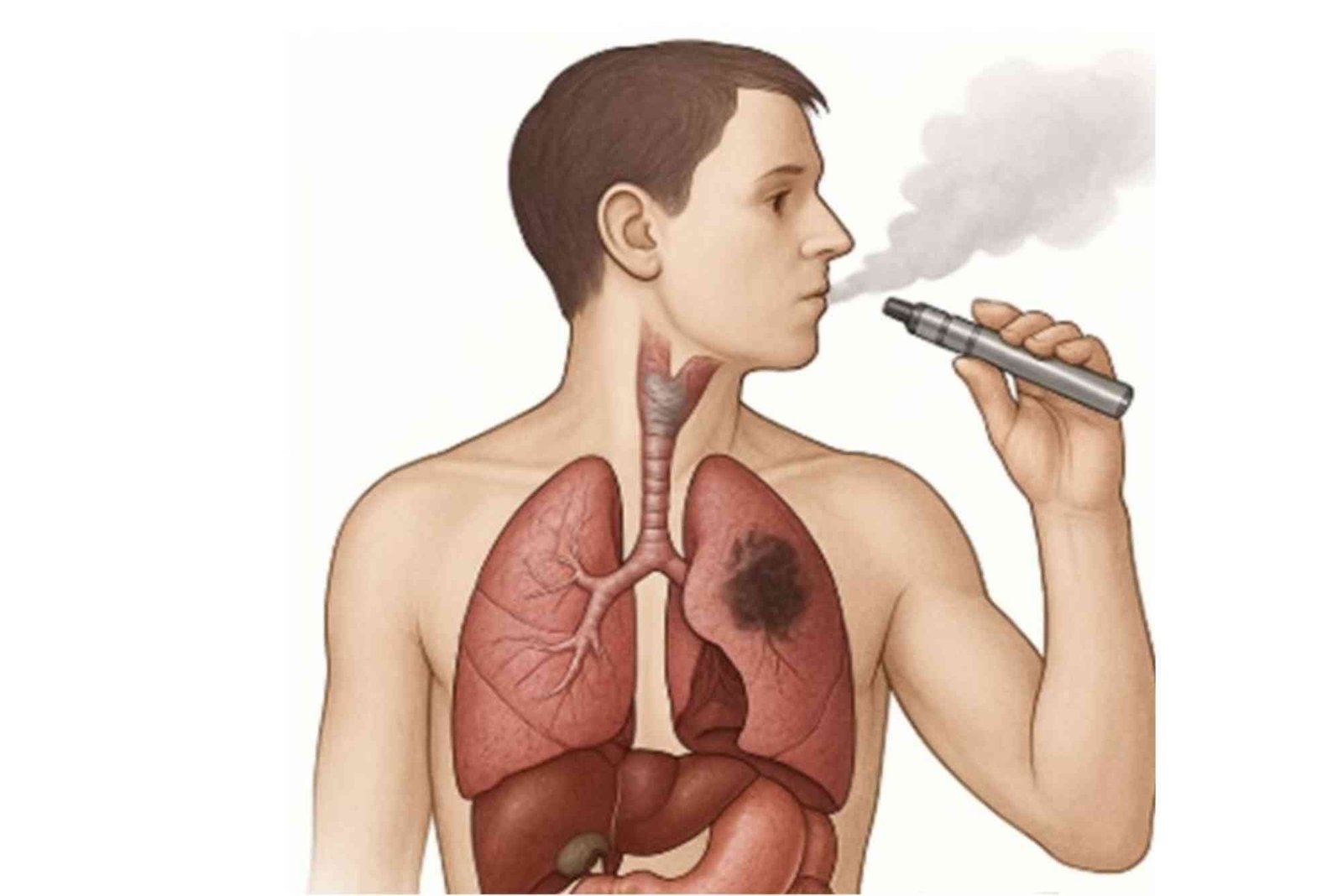
The discussion around vaping usually starts with its marketing as a “healthier” alternative to smoking. While vaping may reduce some of the toxic chemicals found in cigarettes, it introduces new risks that can affect the lungs, heart, and even mental health. The most commonly reported health issues caused by vaping include respiratory irritation, chronic coughing, shortness of breath, and in severe cases, a condition known as EVALI (E-cigarette or Vaping-Associated Lung Injury).
Research shows that the chemicals found in e-liquids, such as propylene glycol and vegetable glycerin, are generally safe for ingestion but may not be safe when inhaled into the lungs. When these liquids are heated and vaporized, they can break down into toxic compounds like formaldehyde and acrolein. These substances irritate lung tissue, leading to inflammation and potential long-term damage. Nicotine, one of the most addictive components in vape juice, can raise blood pressure, accelerate heart rate, and increase the risk of cardiovascular diseases.
Long-term respiratory concerns
One of the most alarming health issues caused by vaping is its impact on lung health. Many users report persistent coughing, wheezing, or chest tightness after regular use. Unlike cigarettes, which have decades of research proving their link to cancer and chronic obstructive pulmonary disease (COPD), vaping is relatively new. This makes its long-term impact less understood, but early signs are worrying. Cases of popcorn lung, a condition caused by inhaling diacetyl found in some flavored vape juices, highlight the risk of chronic lung injury.
In young users, vaping has been shown to decrease lung function and make them more susceptible to infections. Since vaping is often marketed with appealing flavors, many teenagers and young adults are drawn to it without realizing they may be setting themselves up for chronic respiratory conditions later in life.
Cardiovascular risks from vaping
Health issues caused by vaping are not limited to the lungs. Nicotine exposure from e-liquids directly impacts the heart and blood vessels. Regular nicotine intake can stiffen arteries, reduce oxygen circulation, and raise blood pressure. Over time, this increases the likelihood of heart attacks, strokes, and other cardiovascular conditions. Studies have shown that even nicotine-free vape juices may still contain harmful particles and toxins that stress the cardiovascular system.

For individuals with pre-existing heart conditions, vaping can be particularly dangerous. The combination of stress on the lungs and strain on the heart creates a double risk, making vaping far from the safe alternative it is often advertised to be.
The impact on mental health
While most people focus on the physical health issues caused by vaping, its effect on mental health cannot be ignored. Nicotine is highly addictive and directly influences brain chemistry by releasing dopamine, the neurotransmitter associated with pleasure. Over time, users build tolerance and dependence, leading to withdrawal symptoms like irritability, anxiety, and mood swings when they are not vaping.
Teenagers and young adults are particularly vulnerable since nicotine can interfere with brain development. This interference affects memory, learning, and impulse control, leaving lasting consequences that stretch beyond the immediate addiction.
Secondary risks of vaping devices
Apart from the health issues caused by vaping itself, the devices also carry safety risks. Vape devices rely on lithium-ion batteries to heat e-liquids into vapor. While efficient, these batteries can be dangerous if mishandled. There have been numerous reports of vape batteries overheating, leaking, or even exploding. In most cases, these accidents are linked to poor-quality batteries, lack of maintenance, or improper charging practices.
When batteries fail, they can cause burns, fires, and in some cases life-threatening injuries. Understanding how to maintain vape batteries safely is just as important as being aware of the health issues caused by vaping.
Battery safety tips for your vape device
To reduce the risks associated with vaping devices, it is essential to follow proper battery care. Always use the charger recommended by the manufacturer, as using cheap or mismatched chargers can cause overheating. Avoid overcharging your vape device since this puts unnecessary stress on the battery and increases the risk of failure.
Keep your device clean, especially the battery compartment, to prevent dust and e-liquid residue from interfering with the battery’s performance. Do not expose your vape device to extreme temperatures, whether leaving it in a hot car or exposing it to freezing conditions, since both extremes can weaken the battery. Carry spare batteries in protective cases to prevent them from coming into contact with metal objects like keys or coins, which can cause short-circuits.
Finally, replace batteries as soon as you notice signs of wear such as swelling, leaking, or a decrease in performance. Ignoring these signs can lead to dangerous outcomes. Battery safety is not just about protecting your device but also about safeguarding your health.
Why vaping is not risk-free
It is clear that health issues caused by vaping extend far beyond the lungs. From cardiovascular problems to addiction and mental health struggles, vaping poses a wide range of threats. The addition of battery safety risks only emphasizes how complex and potentially hazardous vaping can be.
While some argue that vaping is less harmful than smoking traditional cigarettes, being “less harmful” does not mean safe. Public health experts stress that the only way to avoid the risks is to stay away from both cigarettes and vaping products. For smokers who want to quit, consulting healthcare professionals for safer, medically approved alternatives like nicotine patches or gum is a much better option.
Frequently Asked Questions
What are the most common health issues caused by vaping?
The most common issues include lung irritation, chronic coughing, shortness of breath, nicotine addiction, and an increased risk of heart disease.
Is vaping worse than smoking?
Vaping may contain fewer harmful chemicals than smoking, but it still exposes users to dangerous toxins, nicotine addiction, and long-term risks.
Can vaping cause permanent lung damage?
Yes, vaping has been linked to conditions like EVALI and popcorn lung, both of which can cause irreversible damage to the lungs.
Are nicotine-free vapes safe?
Nicotine-free vapes may still contain harmful chemicals and ultrafine particles that irritate the lungs and affect heart health.
What should I do if my vape battery gets hot?
Stop using it immediately, turn off the device, and place it in a safe area. Replace the battery or device if overheating continues.
Health issues caused by vaping are real and growing, with evidence pointing toward serious respiratory, cardiovascular, and mental health risks. On top of these dangers, the improper handling of vape batteries can lead to accidents that put your safety at risk. Whether you are already a vape user or considering starting, it is important to weigh these risks carefully. Your health is worth protecting, and making informed choices is the first step toward long-term well-being.