How Laws Around THC Vapes Affects Vaping Health in 2025
The vaping industry has seen rapid growth over the last decade, with THC vapes becoming a popular alternative for cannabis users. However, the landscape is shifting as new rules and restrictions emerge globally. In 2025, laws around THC vapes are shaping not only how products are made and sold but also how they affect public health. Understanding these changes is vital for consumers, healthcare professionals, and policymakers.
The Rise of THC Vapes
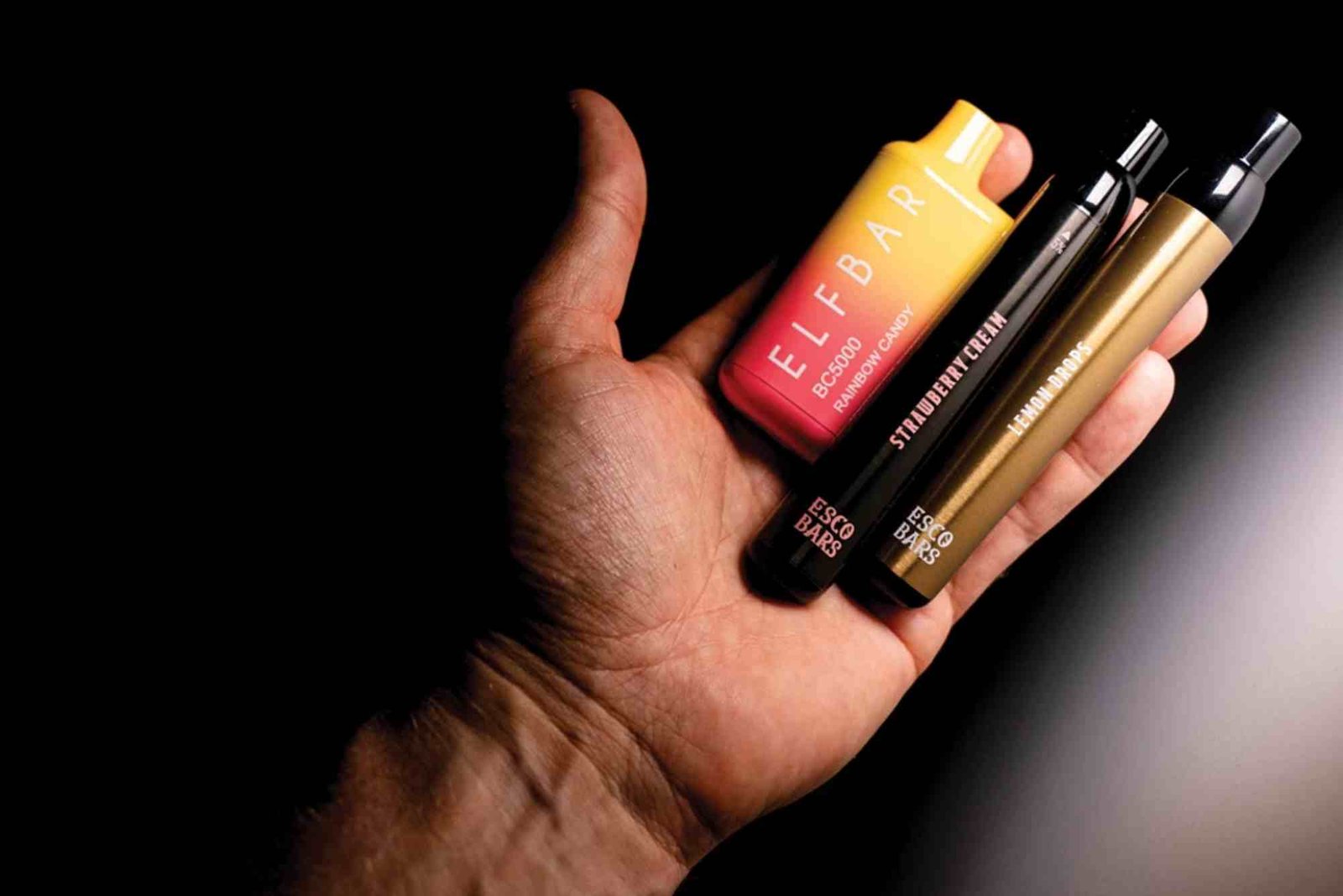
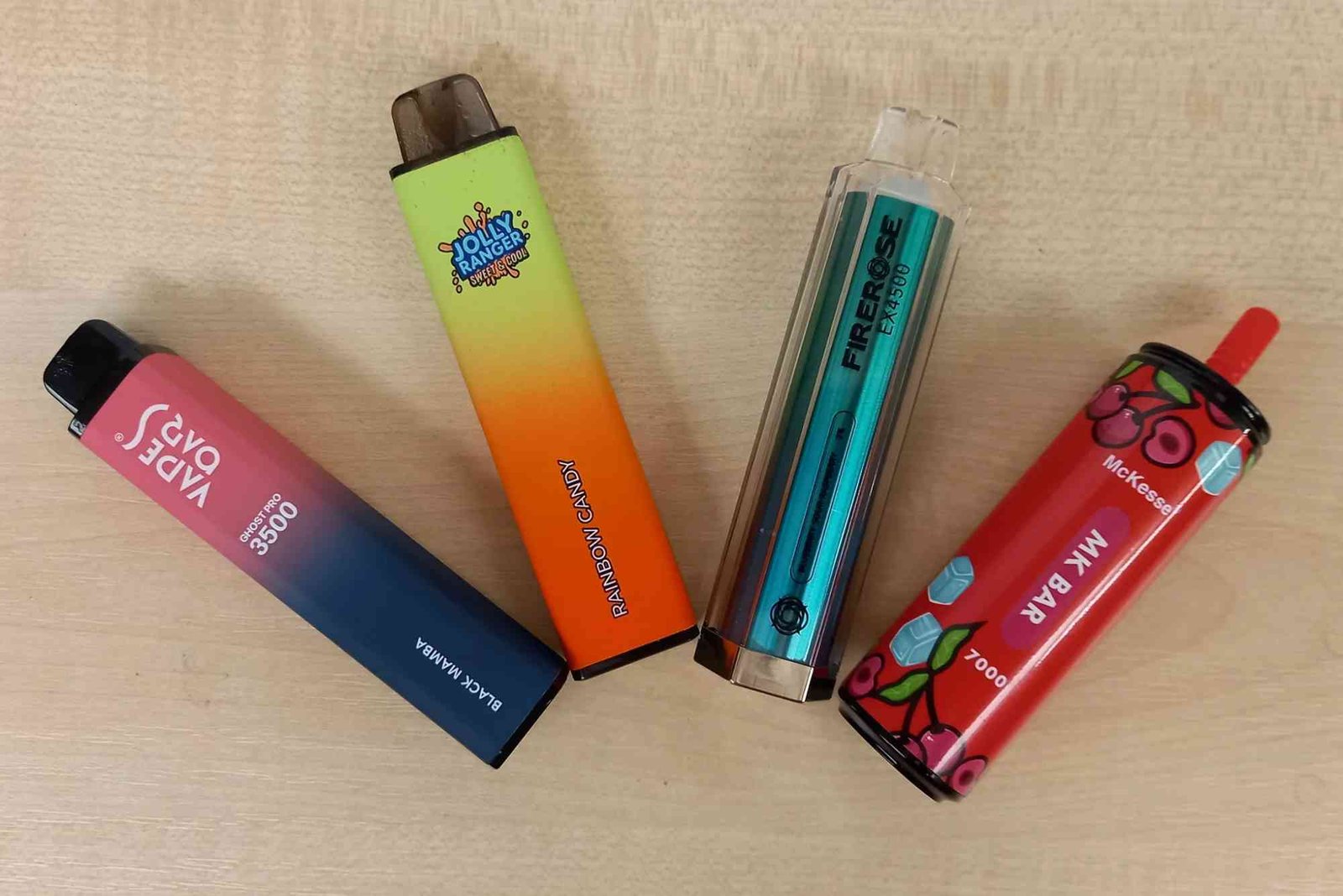
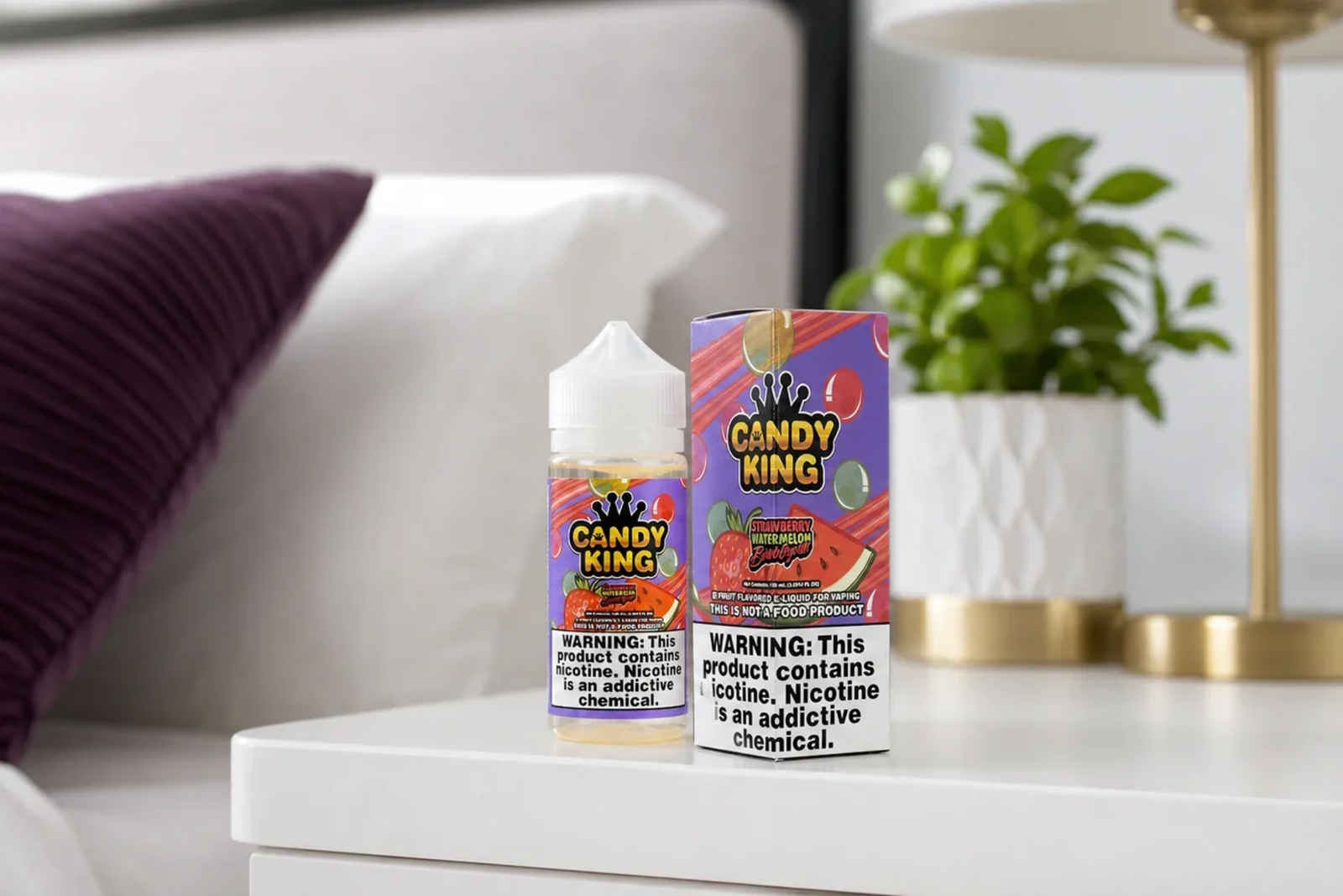
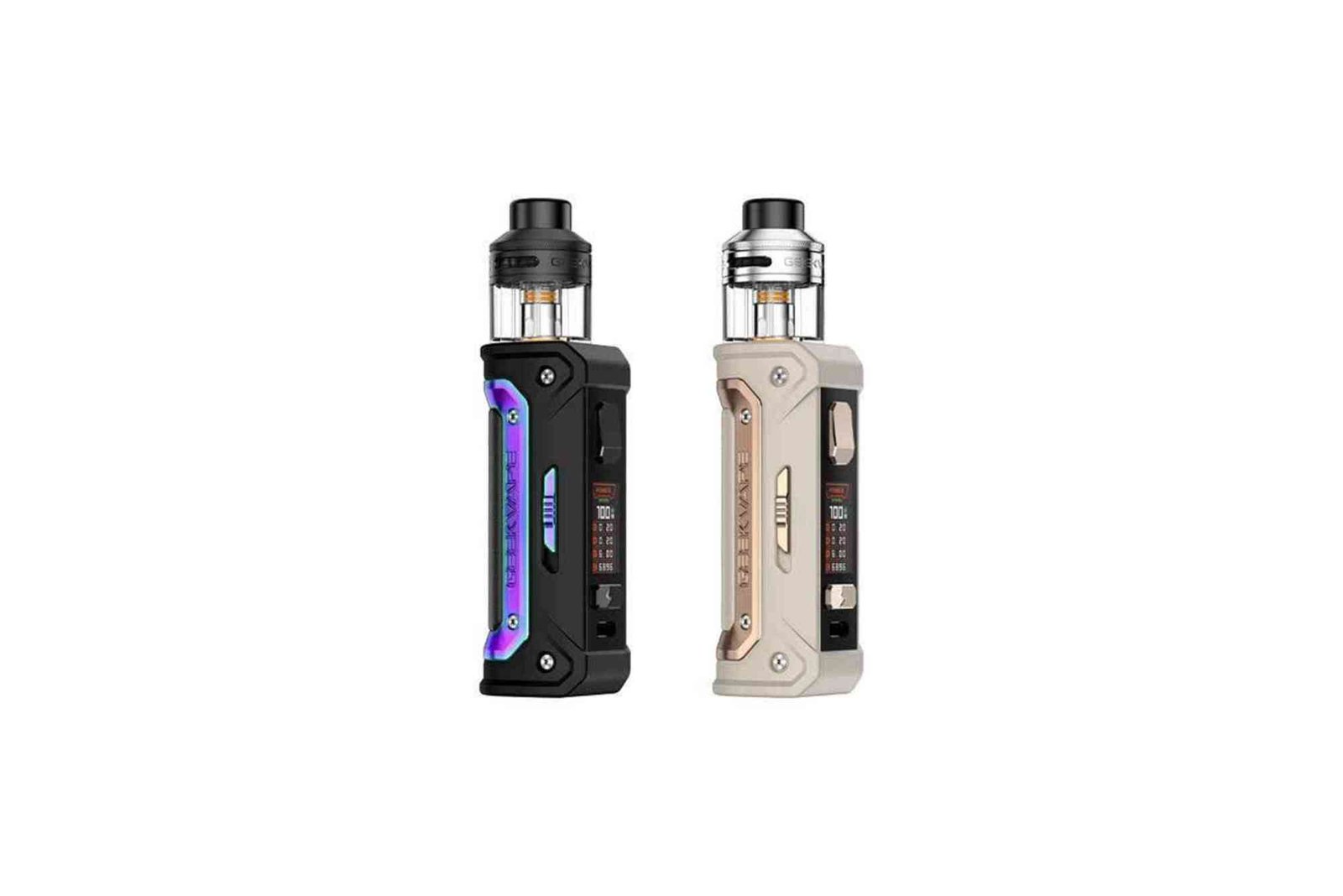
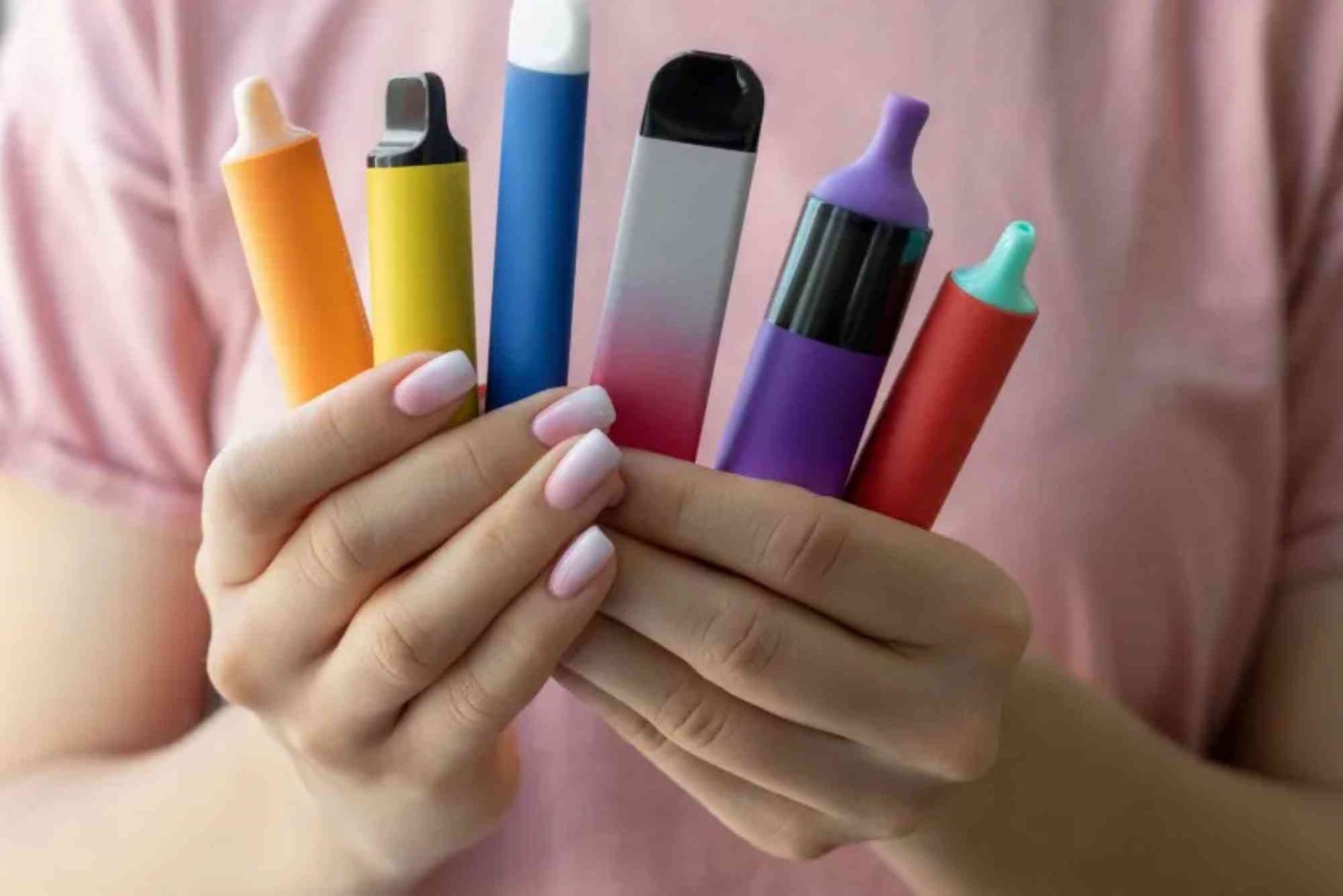
THC vapes, also known as cannabis vape pens, deliver tetrahydrocannabinol in vaporized form. Users favor them for their discreet nature, fast onset, and perceived safety compared to smoking. With legalization spreading, the market has expanded into flavored cartridges, disposable pens, and concentrates.
Yet, concerns about quality control, youth usage, and long-term health effects have triggered stricter regulations. This shift brings both opportunities and challenges for the vaping community.
Laws Around THC Vapes in 2025: A Global Overview
Countries worldwide are adopting diverse approaches to cannabis vaping laws. While some have embraced legalization with strict guidelines, others enforce bans or partial restrictions.
United States
In the U.S., state laws vary widely. Some states allow recreational THC vapes with lab testing requirements, while others limit access to medical patients. The federal government continues debating broader legalization, especially concerning interstate commerce and public health protections.
Europe
European countries remain cautious. Germany and the Netherlands permit regulated cannabis sales, including vapes, under strict age and quality restrictions. In contrast, countries like France maintain strong prohibitions, citing health risks.
Asia-Pacific
Most Asian nations uphold strict anti-cannabis laws, with severe penalties for THC possession. However, Thailand and Australia are exploring regulated cannabis markets, which may open limited space for THC vaping in controlled settings.
Middle East
Laws around THC vapes remain highly restrictive in most Middle Eastern nations. Possession can lead to heavy fines or imprisonment, making vaping nearly impossible in these regions.
How Regulations Impact Vaping Health
The direct link between THC vape regulations and health outcomes is becoming clearer. Laws affect the quality of products available, consumer safety, and long-term public health.
Quality and Safety Standards
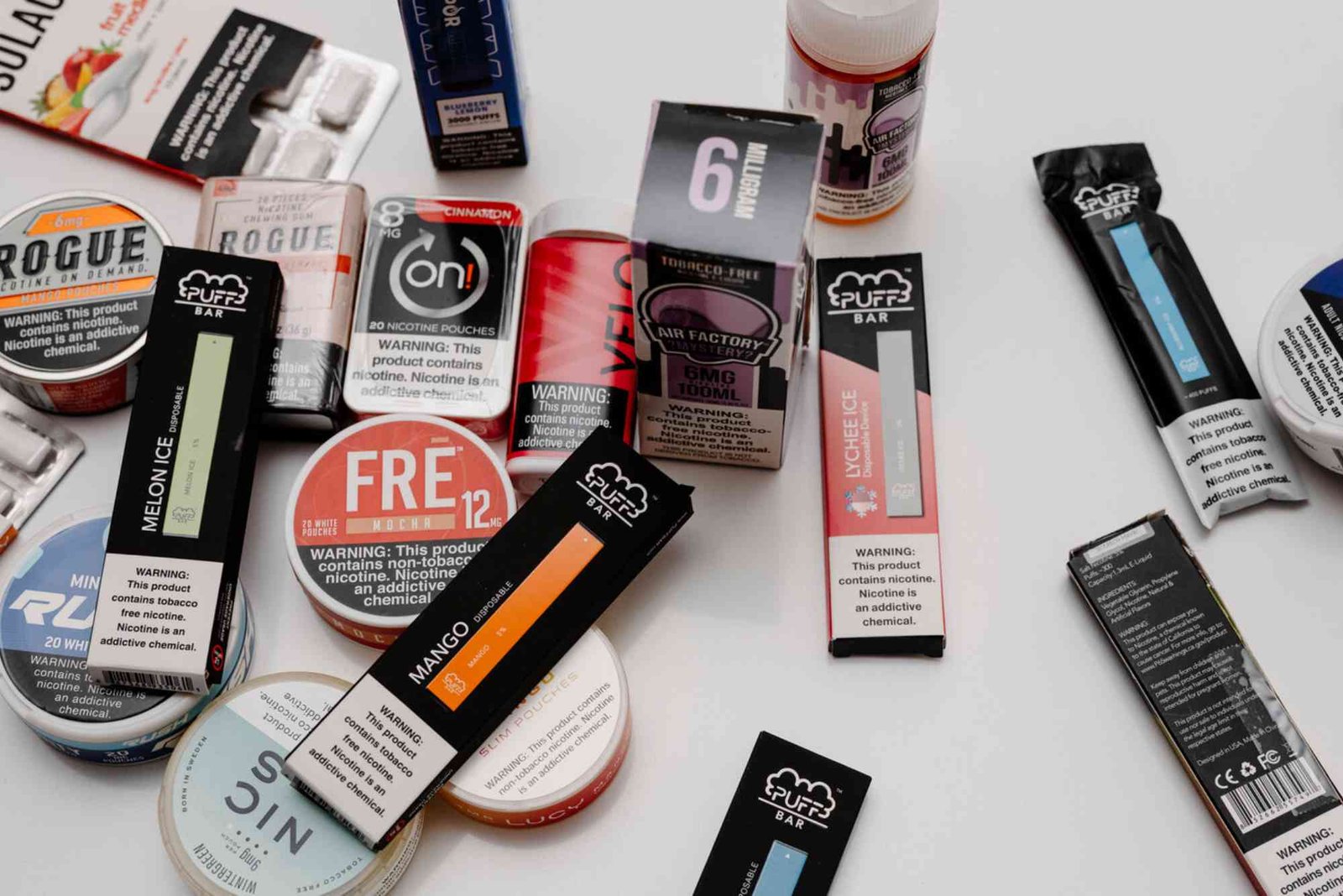
When governments enforce lab testing, labeling, and ingredient transparency, consumers benefit from safer products. Contaminants like pesticides, heavy metals, and vitamin E acetate—once linked to lung injuries—are less likely to reach the market.
Accessibility and Youth Prevention
Stricter sales rules, such as ID verification and marketing restrictions, reduce youth access. This helps prevent early exposure, which studies show can impact brain development.
Public Awareness Campaigns
Many regions now pair legalization with education campaigns. By highlighting safe usage practices and potential health risks, these efforts balance consumer freedom with responsibility.
Health Effects of THC Vaping in 2025
While regulations improve safety, vaping THC still carries risks. Research in 2025 provides new insights into both benefits and concerns.
Short-Term Effects
Users often report rapid relaxation, pain relief, and euphoria. However, side effects like dizziness, dry mouth, or increased anxiety can occur, particularly with high doses.
Long-Term Risks
Studies indicate that long-term THC vaping may affect lung health, especially if products contain additives. Cognitive function, memory, and mood regulation also remain under scientific review.
Potential Benefits
On the other hand, medical patients use THC vapes for chronic pain, nausea, and sleep disorders. When prescribed responsibly, vaping can be a safer option than smoking cannabis.
Legal Loopholes and Challenges
Even with strict laws, gray areas persist. Online sales often bypass regulations, exposing users to untested products. Black market THC vapes continue to pose the greatest health risk, as they frequently contain harmful additives.
Governments are responding with advanced tracking systems and harsher penalties for illegal sales. Still, enforcement remains a challenge in 2025.
Public Health vs. Personal Freedom
The debate over THC vape laws often centers on balancing public health with personal choice. Supporters of legalization argue that regulated markets protect consumers, while opponents highlight unknown long-term risks. This ongoing tension ensures that policies will continue to evolve in the coming years.
Expert Opinions in 2025
Healthcare professionals stress that while vaping THC may be safer than smoking, it is not risk-free. Clear labeling, user education, and strong enforcement of product standards remain crucial. Researchers also call for more long-term studies to understand how vaping affects the lungs and brain.
Future Outlook of THC Vape Laws
Looking ahead, laws around THC vapes are likely to tighten further, focusing on safety, sustainability, and taxation. Governments may adopt digital monitoring of products, environmental standards for vape disposables, and expanded health campaigns.
At the same time, growing acceptance of cannabis use suggests wider legalization is possible. This balance between stricter controls and broader access will define the next phase of vaping regulation.
FAQs on Laws Around THC Vapes
Are THC vapes legal in the U.S. in 2025?
Legality depends on the state. Some allow recreational THC vapes, while others restrict use to medical patients. Federal legalization remains unresolved.
What are the health risks of THC vapes?
Risks include lung irritation, cognitive effects, and potential dependence. Safer products are available where strong regulations exist.
Can you travel internationally with THC vapes in 2025?
In most cases, no. Many countries impose strict penalties for cannabis possession, including vapes. Always check local laws before traveling.
Why do governments regulate THC vapes?
Regulations aim to protect public health by ensuring product safety, preventing youth access, and reducing black market sales.
Are regulated THC vapes safer than black market ones?
Yes. Regulated products undergo testing for contaminants, while black market vapes may contain harmful substances like vitamin E acetate.
Navigating THC Vape Laws in 2025
Laws around THC vapes in 2025 continue to shape the industry and its impact on public health. Strong regulations protect consumers by ensuring safer products, while restrictive laws help prevent misuse. However, black market risks remain a major concern, underscoring the importance of informed choices.
If you use THC vapes, stay updated on your local laws and prioritize regulated products. For further reading, you can explore resources on safe vaping practices and health research. Making informed decisions today ensures a healthier future for vaping tomorrow.
Stay informed about changing regulations and health insights. Whether you’re a consumer, policymaker, or health advocate, knowledge is your best tool for making safe and responsible choices in 2025.