
Vaping in School Laws and Your Vape Device: Battery Safety Tips Inside
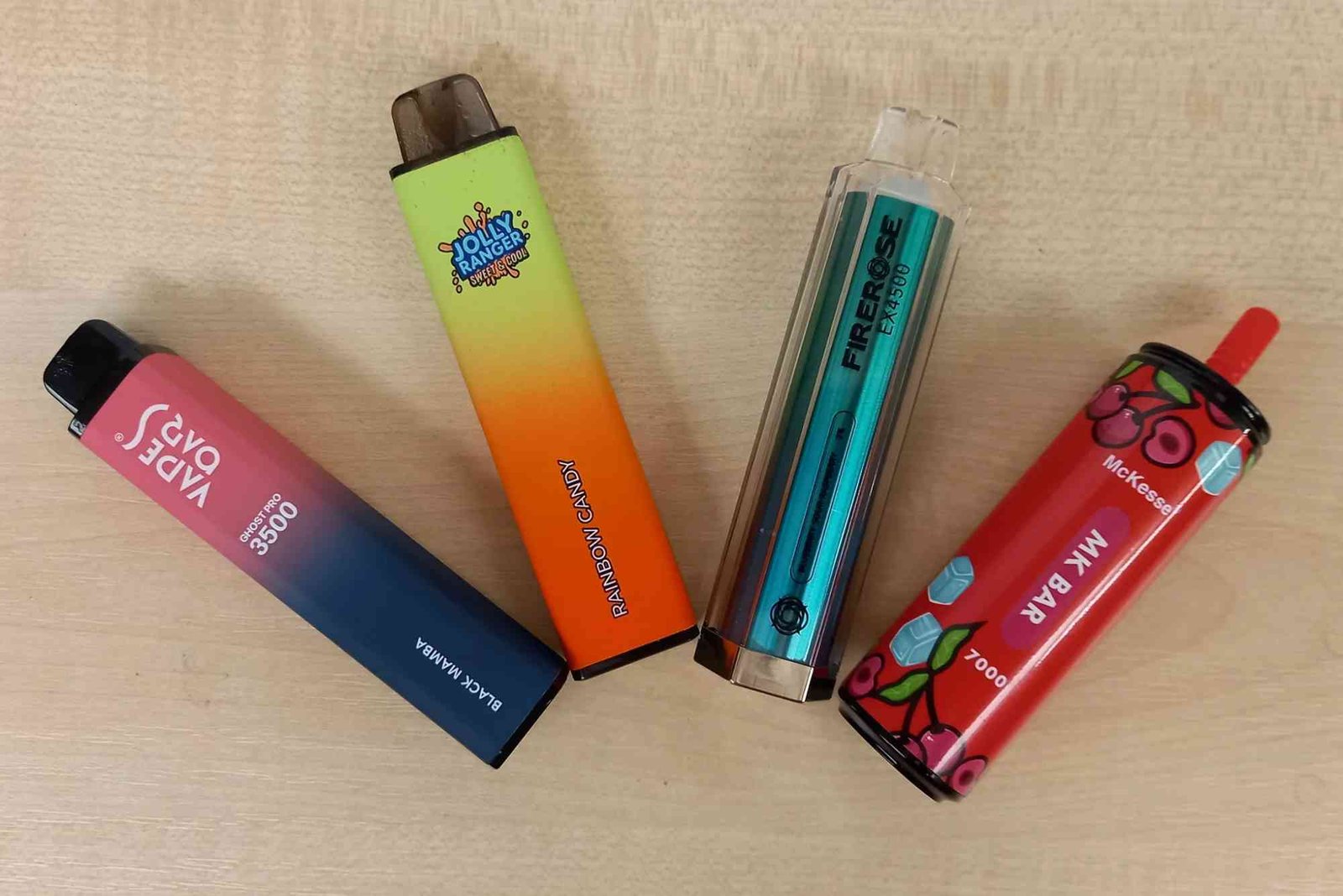
Vaping has become one of the most debated topics in schools across the world. With the rise of e-cigarettes and disposable vapes, questions about vaping in school laws have become more important than ever. Parents, students, and educators are all concerned about the legal rules surrounding vaping on school property and the safety risks that come with carrying vape devices, especially when it comes to battery care. Understanding both the legal and safety aspects can help prevent problems while also keeping health and wellbeing in check.
Understanding Vaping in School Laws
The rules about vaping in schools vary widely by country, state, and even school district. However, the overall trend is clear: most schools have strict regulations that prohibit vaping on campus. These rules are often tied to broader public health policies aimed at discouraging underage vaping and tobacco use.
Why Schools Ban Vaping
Schools act as safe learning environments for students, and vaping is seen as a disruption. The concerns go beyond nicotine addiction. Teachers worry about the health effects of inhaling chemicals, while administrators focus on maintaining discipline and avoiding liability. Laws that back these bans typically focus on protecting minors from exposure to nicotine products, which are illegal for anyone under 18 or 21 in many regions.
Legal Penalties for Students
In some areas, vaping in school can lead to more than just detention. Local laws allow schools to impose fines, suspend students, or require them to attend educational programs about substance use. For instance, in many U.S. states, students caught vaping on school grounds may receive citations similar to smoking violations. In the UK, vaping in school laws also carry disciplinary actions, with schools often confiscating the devices and notifying parents immediately.
Differences Between States and Countries
Not every region handles vaping in the same way. In the United States, the minimum age for purchasing vape products is 21, and schools across the country have adopted zero-tolerance policies. In Canada, the age varies by province, but vaping in schools remains prohibited. Meanwhile, in the UK, laws ban anyone under 18 from buying e-cigarettes, and schools enforce strict bans on vaping within premises. Understanding local laws is essential, since ignorance does not protect students from consequences.
How Schools Enforce Vaping in School Laws
Schools use a variety of strategies to ensure students do not vape on campus. Some schools rely on teacher monitoring, while others invest in technology like vape detectors installed in bathrooms and locker rooms.

Detection and Confiscation
Teachers and security staff are trained to look for the signs of vaping. If a student is caught, the device is often confiscated. Depending on the school’s policy, the student may face disciplinary action, and parents may be called. Some schools go further by involving law enforcement if the device contains THC or other illegal substances.
Educational Campaigns
To support enforcement, schools also launch awareness campaigns. These initiatives educate students about the risks of vaping and the laws surrounding it. By focusing on prevention rather than just punishment, schools hope to reduce vaping incidents over time.
Why Vaping in School Laws Matter
The importance of these laws is not just about discipline. They protect students from health risks and from legal trouble. Vaping among teenagers is often linked to nicotine dependence, respiratory issues, and exposure to harmful chemicals. When schools enforce strict rules, they are sending a message that vaping is not a harmless trend but a serious concern.
Moreover, these laws help parents by setting clear boundaries. When children understand that vaping is prohibited at school, it reinforces the idea that it is risky and socially unacceptable. This external reinforcement can help reduce peer pressure and encourage healthier choices.
Your Vape Device and Battery Safety Tips
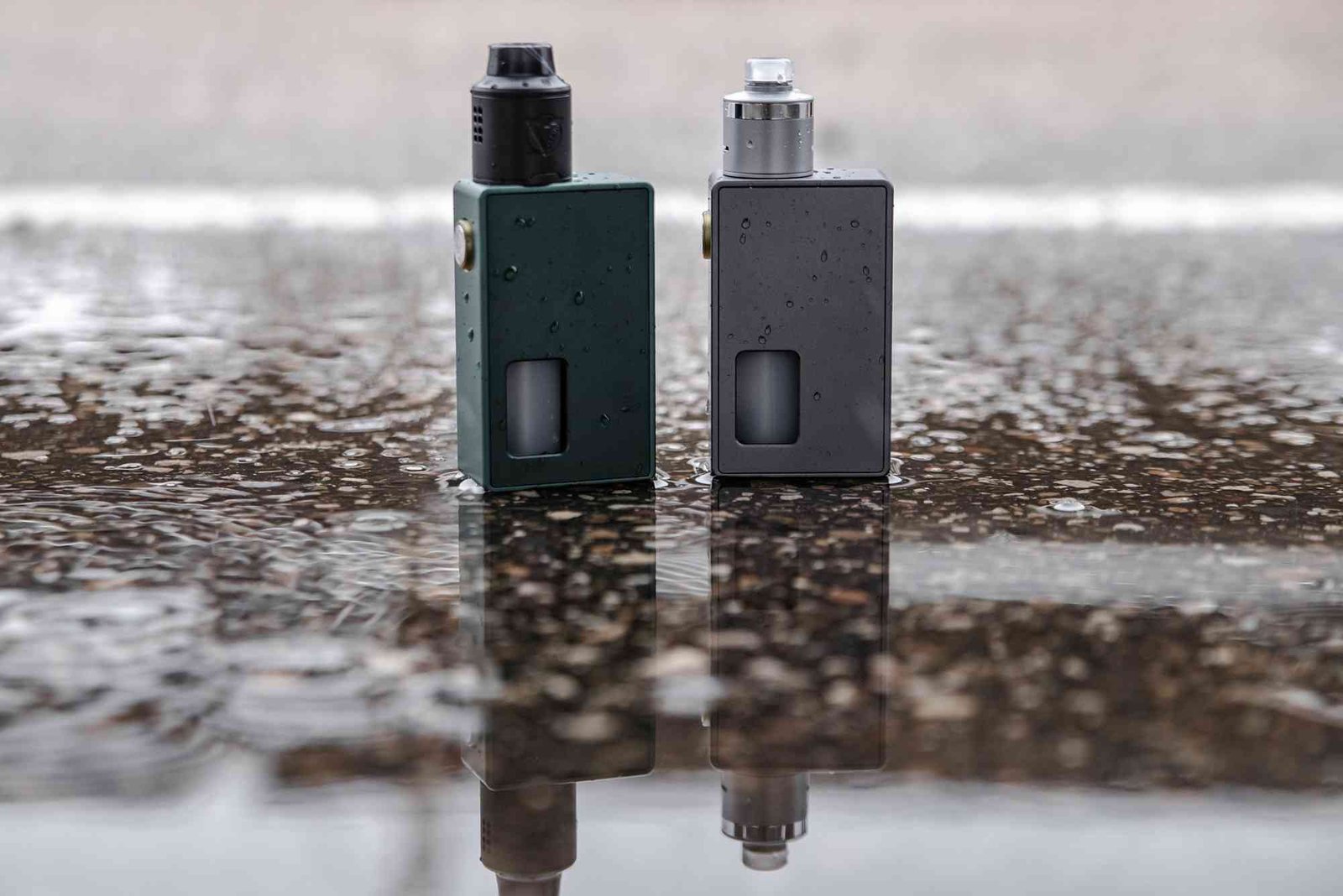
Beyond the legal issues, vape devices come with their own set of safety risks, particularly when it comes to batteries. Understanding how to handle your vape device correctly can prevent accidents, fires, or even injuries.
Why Battery Safety Matters
Most vape devices use lithium-ion batteries. While these are efficient and powerful, they can also be dangerous if mishandled. Reports of vape batteries exploding may be rare, but when they happen, they usually stem from poor maintenance or misuse. Safe handling not only protects you but also those around you.
Proper Charging Practices
Always use the charger that comes with your device or one recommended by the manufacturer. Cheap or incompatible chargers may overcharge the battery or cause it to overheat. Never leave your vape charging unattended overnight, and avoid charging it on soft surfaces like beds or couches where heat cannot dissipate properly.
Storing Batteries Safely
If your device uses removable batteries, store them in protective cases. Carrying loose batteries in your pocket or bag can cause them to come into contact with metal objects, leading to dangerous short circuits. Keep your vape device away from extreme temperatures, as both heat and cold can damage the battery’s performance and safety.
Recognizing Warning Signs
Pay attention to any unusual behavior from your vape device. If the battery becomes hot to the touch, swells, or leaks, stop using it immediately. Replace damaged batteries and avoid trying to repair them yourself. A swollen or damaged battery is a fire hazard that should not be ignored.
Traveling with Vape Batteries
When traveling, especially by air, pack your vape batteries in your carry-on luggage rather than checked baggage. Airlines have specific rules for transporting lithium-ion batteries, and ignoring them could result in confiscation or fines. Always check airline regulations before flying with vape devices.
The Link Between Vaping Laws and Safety
Although vaping in school laws mainly target underage use and discipline, they indirectly highlight the importance of safety as well. Students often do not realize that mishandling vape devices is as risky as breaking school rules. By pairing knowledge of the law with awareness of battery safety, users can stay safer while avoiding legal trouble.
Stay Informed and Stay Safe
Understanding vaping in school laws is essential for students, parents, and educators. These rules are not only about discipline but also about protecting health and setting boundaries for young people. At the same time, vape devices themselves come with safety concerns that cannot be ignored. By following battery safety tips, users can avoid accidents while staying compliant with regulations.
If you vape, take the time to learn your local laws and care for your device responsibly. If you are a parent or teacher, talk openly with students about the risks and the rules. Together, awareness and responsibility can create safer environments both in and out of school. Stay updated on vaping laws in your area and practice safe battery habits with your vape device. Awareness today prevents bigger problems tomorrow.
FAQs
Can I get suspended for vaping at school?
Yes, many schools suspend students caught vaping. The severity depends on school policy and local laws.
Are vape detectors legal in schools?
Yes, schools can install vape detectors in bathrooms and other areas. They are a common tool for enforcing vaping bans.
Can parents be held responsible if their child vapes in school?
In some cases, yes. Schools may require parents to attend meetings or pay fines, depending on local regulations.
Do vaping in school laws apply to teachers and staff too?
Yes, most schools prohibit vaping for all individuals on campus, including teachers, staff, and visitors.
What happens if a vape device contains illegal substances?
If a vape is found with THC or other banned substances, law enforcement may get involved, and students could face criminal charges.