
Is Vaping Illegal Under the Age of 18 and Your Vape Device: Battery Safety Tips Inside
Vaping has become a global trend among both adults and teenagers. While many people use it as an alternative to smoking, questions often arise about its legality for minors and the safety of vape devices themselves. The most common concern among parents, educators, and new vapers is simple: is vaping illegal under the age of 18? The answer depends on where you live, but in most regions, laws strictly prohibit the sale or possession of vape products to anyone under 18. At the same time, understanding your vape device, especially how to handle its batteries safely, is just as important.
Understanding the Legal Side of Vaping Under 18
The question “is vaping illegal under the age of 18” has been debated since e-cigarettes first hit the market. Governments and health organizations worldwide recognize that nicotine is addictive and can affect adolescent brain development. As a result, strict regulations were introduced in many countries to prevent minors from buying or using vape products. In the United States, federal law prohibits the sale of e-cigarettes and vaping products to anyone under 21. However, state laws can vary. Some states set the minimum age at 18 before federal rules changed, but now retailers nationwide must follow the 21+ law. Similarly, in the United Kingdom, the legal age for purchasing or using e-cigarettes is 18. Retailers who sell to minors risk heavy fines and penalties. Other countries follow the same standard, including Australia, Canada, and across the European Union.
For parents and teens wondering, is vaping illegal under the age of 18 in my country? the answer is most likely yes. Even in countries without strict enforcement, social rules and health advisories strongly discourage vaping among minors. The main reason behind these laws is the risk of nicotine addiction, lung damage, and the possibility that vaping can act as a gateway to smoking traditional cigarettes.
Why Vaping Laws Exist for Minors
The law isn’t just about control; it is about protecting health. Research shows nicotine impacts adolescent brain development, particularly in areas linked to attention, memory, and learning. Teenagers are more likely to develop long-term dependence compared to adults. Furthermore, flavored vape juices, which appeal to younger users, increase the risk of early initiation.
By making vaping illegal under 18, lawmakers aim to reduce exposure, addiction, and prevent long-term health risks. These restrictions also send a clear message to manufacturers and retailers that they must not target underage consumers through marketing or product design.
Enforcement and Consequences
In most countries, penalties apply not just to the person under 18 but also to the retailer. For example, in the US and UK, stores caught selling e-cigarettes to minors may face fines, suspension of business licenses, or criminal charges. For minors, consequences can include confiscation of devices, warnings, fines, or mandatory education programs depending on the jurisdiction.

While the law might feel restrictive for some teens who view vaping as harmless, it ultimately prioritizes their health and safety. Parents should also play an active role by discussing these laws openly, highlighting why vaping under 18 is not only illegal but also dangerous.
Vape Device Safety: Why Battery Care Matters
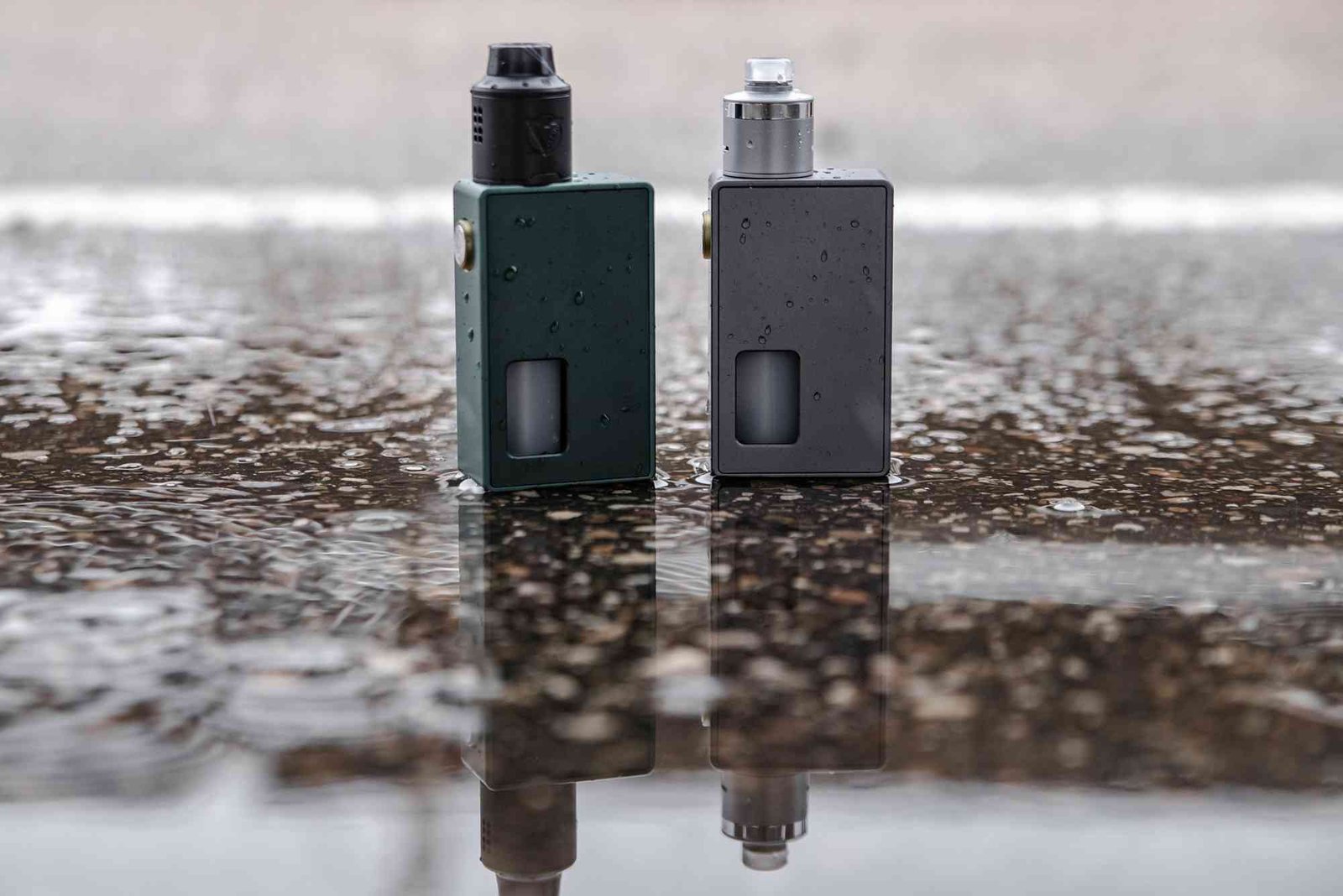
Beyond legality, vaping devices themselves require responsibility, especially when it comes to batteries. Many people don’t realize that vape devices rely on lithium-ion batteries, the same type used in laptops and smartphones. While powerful and efficient, these batteries can become dangerous if mishandled. Stories of vape devices exploding in pockets or during charging often come from poor battery safety practices.
For anyone who owns a vape device, understanding how to protect the battery is critical for avoiding accidents. Just as laws protect young people from vaping too early, safety guidelines protect all users from injury or device damage.
Safe Charging Practices
One of the most common mistakes new vapers make is using the wrong charger. Vape devices should always be charged with the charger provided by the manufacturer. Cheap, unregulated chargers can overcharge the battery, causing it to overheat or even catch fire. Always use the correct cable and plug into a reliable power source.
Never leave your device charging overnight or unattended. Lithium-ion batteries continue to draw power even when full, which can shorten their lifespan and create safety risks. Charging during the day, where you can monitor your device, ensures safety and preserves battery life.
Battery Storage and Handling
If your vape uses removable batteries, store them properly. Carrying loose batteries in your pocket or bag alongside keys or coins can lead to dangerous short circuits. Always keep them in a protective case. Avoid exposing batteries to extreme temperatures, whether it is the summer heat in a car or freezing winter conditions, as both can damage battery integrity.
Inspect your batteries regularly. If you notice dents, leaks, or peeling wraps, replace them immediately. Damaged batteries pose a higher risk of malfunction and should never be used again.
Avoid Over-Discharging
Another safety tip is avoiding complete battery drain. Allowing your vape battery to drop to zero repeatedly puts unnecessary strain on its cells. Most modern devices come with built-in protections, but it is best to recharge once the battery reaches about 20%. This habit prolongs battery health and ensures your device is always ready when you need it.
Recognizing Warning Signs
Your vape device may show signs that something is wrong with its battery. Overheating during use, unusual hissing sounds, swelling, or sudden drops in performance are all red flags. If this happens, stop using the device immediately and seek professional help from the manufacturer or a vape shop. Ignoring these warning signs increases the chance of accidents.
Traveling with Vape Devices
When traveling, battery safety becomes even more important. Airlines require vape devices and batteries to be carried in hand luggage, never checked luggage. Pressure and temperature changes in cargo holds can be unsafe for lithium-ion batteries. Pack them in protective cases and always comply with local regulations, as vaping laws differ across countries.
Knowledge and Safety Go Hand in Hand
The question “is vaping illegal under the age of 18” highlights a crucial health and safety issue. Laws around the world protect minors by restricting access to vaping products, recognizing the risks of nicotine addiction and long-term harm. For adults who legally vape, battery safety remains essential. Understanding how to charge, store, and monitor vape batteries can prevent accidents and prolong device life.
If you are under 18, the best choice is to avoid vaping entirely. If you are of legal age and choose to vape, treat your device with respect and prioritize battery safety. Responsible use ensures a safer experience and helps keep vaping a tool for adults rather than a risk for teens. Stay informed, follow your local laws, and practice safe vaping habits. If you vape, do it responsibly. Share this guide with friends or family who might be curious about vaping laws or need safety reminders about their devices.
FAQs
Is vaping illegal under the age of 18 everywhere?
Not everywhere, but in most countries the age restriction is at least 18. In the US it is now 21.
What happens if a minor is caught vaping?
Consequences vary. They may include confiscation of the device, fines, warnings, or mandatory health education.
Why is vaping restricted for teenagers?
Because nicotine affects adolescent brain development, increases risk of addiction, and can harm lung health long-term.
Can parents legally buy vape devices for minors?
In most regions, no. Purchasing for someone underage is considered supplying to a minor and may carry penalties.
Is vaping safer than smoking for teenagers?
Neither is safe. While vaping is often considered less harmful than smoking for adults trying to quit, teenagers should avoid both.