Vape Laws Maryland and Your Vape Device: Battery Safety Tips Inside
Vaping has become a widely discussed topic in Maryland, both for its legal landscape and for the safety of vape devices themselves. Anyone who vapes in Maryland must understand the state’s regulations as well as how to handle vape batteries safely. By combining legal awareness with practical safety tips, you can avoid costly fines, health risks, and dangerous mishaps.
Understanding Vape Laws in Maryland
Maryland regulates vaping under both state and local policies. These laws cover the sale, distribution, taxation, and public use of vape products. Knowing them helps consumers and retailers avoid penalties.
Minimum Age Requirement
The minimum age to purchase and use vape products in Maryland is 21. This aligns with the federal Tobacco 21 law. Anyone under 21 cannot buy, possess, or consume e-cigarettes, e-liquids, or any vaping device.
Restrictions on Sales
Retailers in Maryland must comply with strict licensing requirements. They cannot sell vape products through vending machines, nor can they sell without proper age verification. Online purchases also require proof of age. Deliveries must be signed for by an adult who is at least 21.
Flavored Vape Product Restrictions
Flavored vape products are heavily scrutinized. While Maryland has not issued a complete ban, certain local jurisdictions restrict flavored e-liquids due to concerns about youth appeal. Always check your county or city regulations, as rules may differ.
Public Vaping Rules
Maryland prohibits vaping in many of the same places where smoking is banned. This includes government buildings, public transportation, and workplaces. Restaurants, bars, and private businesses may set their own policies. Violating public vaping restrictions may result in fines.

Taxation on Vape Products
Maryland applies excise taxes on vape products, making them more expensive than in some neighboring states. This policy is intended to reduce consumption, especially among youth. Retailers must ensure they collect and remit taxes properly.
Penalties for Violations
Breaking vape laws in Maryland carries penalties. Retailers who sell to minors can face fines, license suspension, or permanent loss of their ability to sell tobacco and vape products. Consumers under 21 caught with vape devices may face confiscation and legal consequences.
Why Vape Laws in Maryland Matter
Understanding these regulations goes beyond legal compliance. They also highlight the state’s efforts to balance harm reduction with public safety. While vaping may be less harmful than traditional smoking, Maryland lawmakers focus on limiting youth access and ensuring consumer safety. Knowing the rules protects you from penalties and helps support responsible vaping practices.
Vape Device Safety: Why Batteries Matter
Beyond legal concerns, the safe operation of your vape device is essential. Vape batteries power your device, and mishandling them can cause fires, explosions, or chemical leaks. Many vape accidents reported in the news involve battery failures that could have been prevented.
Common Battery Types in Vape Devices
Most vape devices use lithium-ion batteries. These are compact and powerful, but they can be volatile if damaged, overcharged, or improperly handled. Some devices come with built-in batteries, while others use removable ones, such as 18650 cells. Both types require proper care.
Risks of Poor Battery Safety
Neglecting battery safety can lead to overheating, venting, or even explosions. Cases of burns and property damage often trace back to misuse, such as carrying loose batteries in pockets with keys or using cheap, unregulated chargers.
Essential Vape Battery Safety Tips
Always Use the Right Charger
Only use the charger that came with your vape device or a high-quality replacement from the manufacturer. Generic chargers may supply incorrect voltage, causing overheating.
Avoid Overcharging
Do not leave your vape charging overnight. Overcharging stresses the battery, shortens its lifespan, and increases the risk of overheating. Many modern devices include auto shutoff, but you should still unplug them when fully charged.
Store Batteries Properly
If your device uses removable batteries, always store them in protective cases. Loose batteries can come into contact with metal objects, creating a short circuit. Keep them away from extreme temperatures and direct sunlight.
Check for Damage
Inspect batteries regularly for dents, tears in the wrapping, or signs of leakage. Even small defects can compromise safety. Replace damaged batteries immediately instead of risking an accident.
Do Not Mix Batteries
Never mix old and new batteries or batteries with different capacities. This imbalance can lead to uneven discharge and overheating. Always use batteries in matching pairs if your device requires more than one.
Keep Batteries Dry
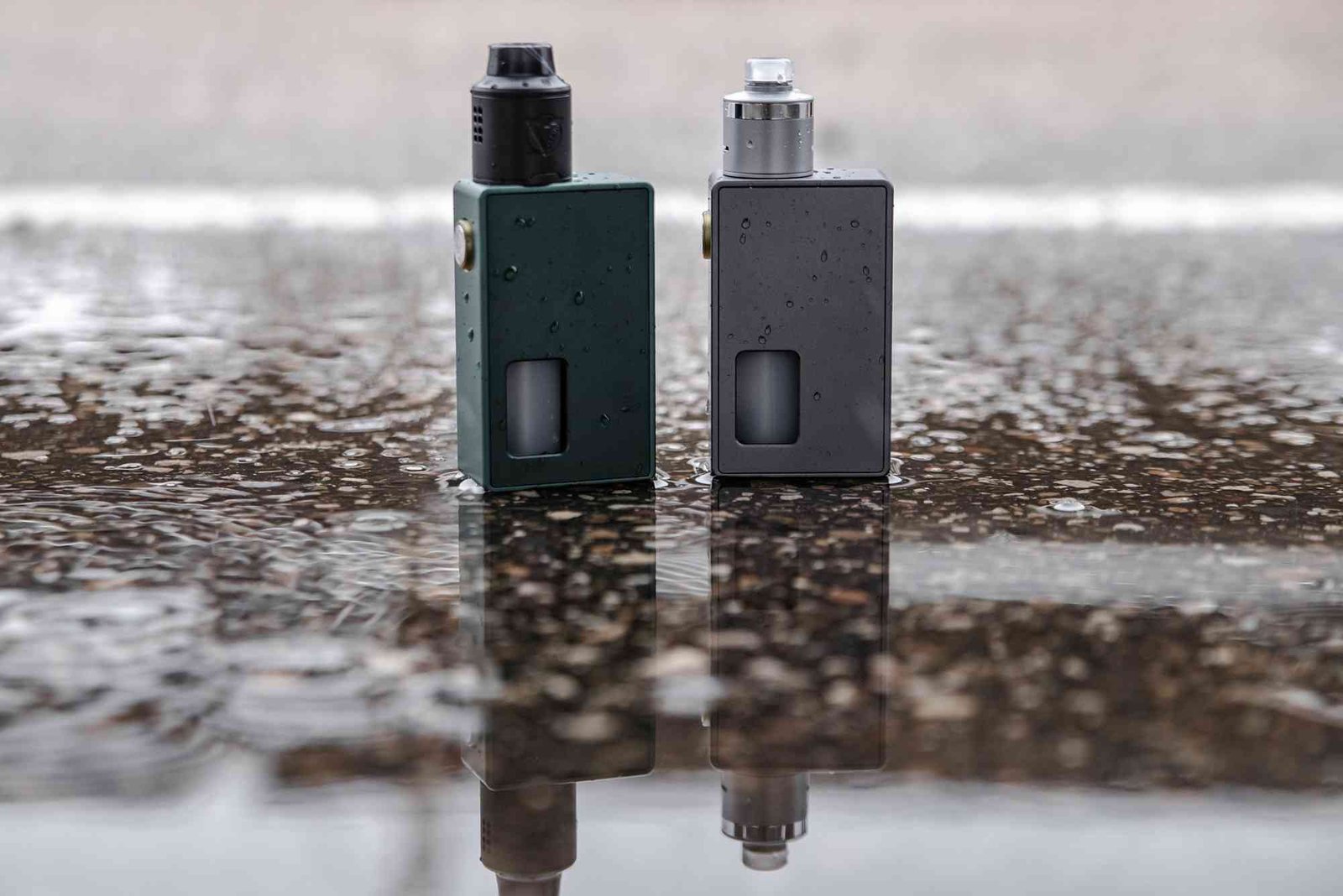
Avoid exposing your vape device to moisture. Water can corrode the battery and electronics, leading to malfunction or short circuits. If your device gets wet, stop using it until it has been checked or replaced.
Know Your Device’s Limits
Each vape mod has a recommended wattage and resistance range. Pushing beyond these limits puts strain on the battery. Always follow the manufacturer’s specifications to ensure safe operation.
Combining Legal Awareness and Battery Safety
The intersection of Maryland vape laws and battery safety shows a bigger picture: responsible vaping requires both compliance and personal accountability. Maryland lawmakers aim to protect consumers, but users must also protect themselves by practicing safe device habits. Just as knowing where you can legally vape prevents fines, knowing how to care for your vape battery prevents accidents.
Stay Compliant and Stay Safe
Vape laws Maryland create a framework for responsible vaping, focusing on age restrictions, taxation, and public health protections. While these laws help regulate access and use, your personal safety depends on how you handle your vape device—especially its battery. By following the rules and practicing smart battery care, you not only protect yourself but also help promote a culture of safe and responsible vaping.
If you live in Maryland or plan to vape there, take time to learn the latest regulations and apply the battery safety practices outlined here. Compliance keeps you out of legal trouble, and safe habits keep your device reliable. Stay informed, vape responsibly, and prioritize safety every time you pick up your device.
FAQs
Is vaping legal in Maryland for people under 21?
No. Maryland follows the federal Tobacco 21 law, making the minimum age to buy and use vape products 21.
Can you vape in public places in Maryland?
Vaping is prohibited in most places where smoking is banned, including government buildings and workplaces. Some businesses may allow it, but always check posted policies.
Are flavored vapes banned in Maryland?
There is no statewide ban, but some local jurisdictions restrict flavored vape sales. Always confirm your area’s specific rules.
Why are vape batteries dangerous if mishandled?
Lithium-ion batteries are powerful but sensitive. Improper handling, overcharging, or exposure to metal objects can cause overheating or explosions.
How can I keep my vape battery safe?
Use the correct charger, avoid overcharging, store batteries in cases, check for damage, and follow manufacturer guidelines.