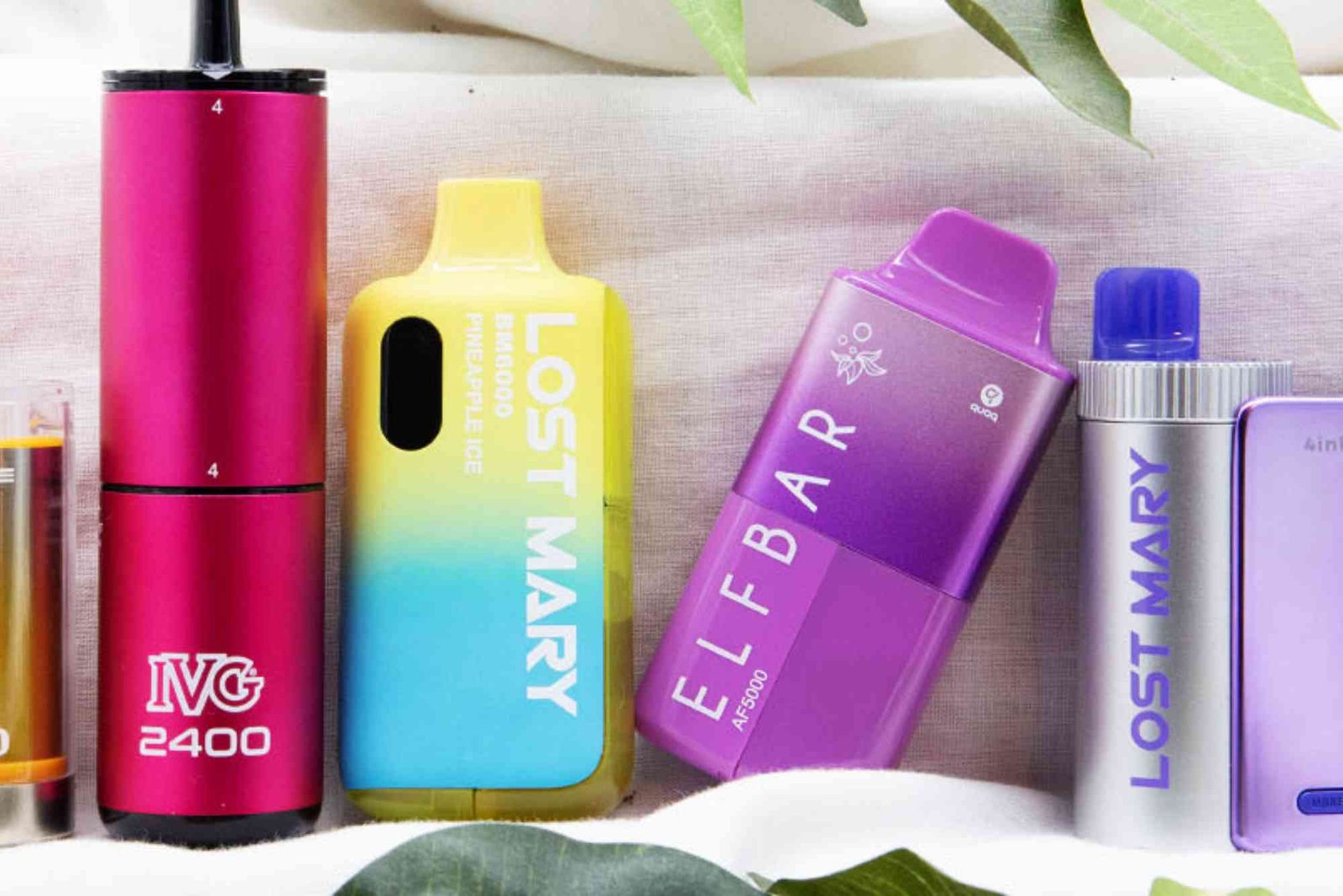

Vape Laws Australia 2018 and Your Vape Device: Battery Safety Tips Inside
Understanding vape laws Australia 2018 is essential for anyone who owns or uses a vape device. Back in 2018, Australia had some of the strictest regulations in the world regarding vaping products, particularly e-liquids containing nicotine. While many countries moved toward more open access, Australia maintained a cautious and health-driven approach. These laws directly affected how people purchased and used vape devices, and they remain an important reference point for anyone interested in vaping in the region. Alongside legal considerations, ensuring the safety of your vape device—especially its battery—is crucial. Vape battery mishandling has led to injuries and accidents, and understanding safe practices is just as important as knowing the law.
Vape Laws Australia 2018: What You Need to Know
Australia’s vaping regulations in 2018 were unique because they combined elements of federal restrictions and state-level rules. The federal government classified liquid nicotine as a poison under the Poisons Standard, making it illegal to sell or supply within Australia without a prescription. This meant that while vaping devices themselves were available, e-liquids containing nicotine could not be legally purchased domestically without following strict medical guidelines.
Federal Restrictions
Under the 2018 framework, nicotine was considered a Schedule 7 dangerous poison, except in very limited forms such as nicotine replacement therapies like gums and patches. Anyone wanting nicotine e-liquid for vaping had to obtain a doctor’s prescription and then legally import it under what was known as the Personal Importation Scheme. This added layers of complexity for consumers, as not every doctor was willing to provide prescriptions, and many users struggled with accessing products safely and legally.
State-Level Rules
In addition to federal restrictions, each state and territory introduced its own rules regarding the use and sale of vaping devices. For example, New South Wales applied the same restrictions to vaping as smoking, banning use in smoke-free areas and limiting advertising. Queensland went further, with some of the harshest restrictions on the possession of nicotine without proper authorization. Victoria, South Australia, and Western Australia also had rules about retail sales, display restrictions, and penalties for non-compliance. This created a patchwork of regulations that often confused users and shop owners.
Impact on Consumers
For consumers in 2018, the laws meant that many either vaped using nicotine-free e-liquids sold domestically or imported nicotine liquids from overseas with a doctor’s prescription. Others, however, turned to the black market, raising concerns about safety and quality. The laws were intended to protect public health, especially to prevent youth uptake, but critics argued that they made it harder for smokers to switch to a less harmful alternative.
Why Battery Safety Matters in Vaping
While understanding vape laws is critical, ensuring your device functions safely is equally important. Most vape devices are powered by lithium-ion batteries, which are efficient but also potentially hazardous if misused. Reports of vape batteries overheating, venting, or even exploding have raised awareness about safe handling practices. By learning battery safety, you reduce risks and extend the lifespan of your device.

Common Causes of Battery Issues
Several factors can contribute to vape battery problems. Overcharging, using damaged batteries, or carrying loose batteries in a pocket with metal objects like coins or keys can cause short circuits. Using the wrong charger or pushing batteries beyond their limits can also lead to overheating. Poor-quality batteries purchased from unreliable sources pose additional risks, as they may lack proper safety protections.
Safe Charging Practices
To minimize risks, always use the charger recommended by your device’s manufacturer. Avoid charging overnight or leaving your vape unattended while plugged in. Place the charger on a hard, flat surface instead of soft materials like beds or couches that trap heat. Unplug the device once fully charged to prevent strain on the battery.
Proper Storage Tips
When not in use, batteries should be stored in protective cases to avoid accidental contact with metal objects. Keep them away from direct sunlight, heat, and moisture. Never use batteries that show signs of physical damage, such as dents or tears in the wrapping. Replace old or degraded batteries promptly rather than trying to extend their lifespan beyond safe limits.
Understanding Battery Ratings
Not all batteries are the same. Vape batteries are rated for capacity, voltage, and discharge rate. Using batteries with ratings unsuitable for your device can create dangerous conditions. Always match your device’s power requirements with the correct battery specifications. If unsure, consult the manufacturer’s guide or seek advice from reputable vape shops.
Practical Tips for Everyday Vapers
Combining an awareness of vape laws and battery safety helps create a more secure vaping experience. For example, in 2018, even though you may have been restricted in sourcing nicotine e-liquids, safe handling of your device was still entirely in your control. Whether you vape daily or occasionally, adopting best practices ensures both compliance with regulations and personal safety.
Stay Informed on Legal Updates
Australia’s vaping laws have evolved since 2018, but understanding the baseline regulations from that year helps explain the current framework. Always stay updated with your state’s specific rules, as enforcement and penalties may vary. Ignorance of the law does not protect you from fines or legal consequences.
Buy From Reputable Sources
Just as you should avoid unregulated nicotine liquids, the same goes for batteries and devices. Purchase only from trusted vendors who provide authentic products. Counterfeit or poor-quality batteries are one of the leading causes of accidents, and avoiding them is a straightforward safety measure.
Develop Safe Habits
Make battery checks part of your routine. Inspect batteries regularly, clean the contacts on your device, and avoid exposing them to extreme temperatures. Small steps like these significantly reduce risks. Educating yourself also empowers you to help others in the vaping community adopt safer habits.
Stay Legal and Stay Safe
Understanding vape laws Australia 2018 gives valuable context to the challenges and responsibilities faced by vapers. While legal access to nicotine e-liquids was restricted, the emphasis on health protection shaped the vaping landscape. At the same time, battery safety remains a universal concern, regardless of legal restrictions. By practicing safe charging, proper storage, and using reputable products, you protect yourself and those around you from unnecessary risks.
If you are a vaper in Australia or plan to start, stay updated on legal requirements and adopt strong battery safety habits. Together, these practices create a safer, more enjoyable experience. Take charge of your health and your device—stay informed, stay safe, and vape responsibly.
FAQs
Is vaping legal in Australia?
Vaping devices are legal in Australia, but e-liquids containing nicotine require a prescription to import legally under current laws.
Were nicotine e-liquids banned in 2018?
Yes, nicotine e-liquids were effectively banned for retail sale in Australia in 2018, though they could be imported with a doctor’s prescription.
Can you get fined for vaping in public?
Yes, depending on your state, vaping in smoke-free areas like public transport, restaurants, and workplaces can result in penalties.
Why do vape batteries explode?
Batteries can explode due to short circuits, overcharging, damage, or use of poor-quality products. Proper handling prevents most incidents.
How should I store my vape batteries?
Store batteries in a protective case, away from heat and metal objects. Do not carry them loose in your pocket or bag.