How MI Vape Laws Affects Vaping Health in 2025
The vaping industry has changed significantly over the last decade, and Michigan is no exception. As concerns about public health and youth vaping rise, state lawmakers have tightened regulations to protect communities. Understanding MI vape laws in 2025 is essential not only for shop owners and consumers but also for anyone concerned with the broader impact of vaping on health. These laws influence how people access e-cigarettes, what kinds of products are available, and how safe vaping practices are in Michigan. With Michigan leading some strong regulatory measures, the effects on vaping health—both positive and negative—are becoming clear.
The Evolution of MI Vape Laws
Michigan has been at the forefront of vape regulations in the United States. In 2019, it became the first state to announce a temporary ban on flavored e-cigarettes due to concerns about youth vaping. Although the ban faced legal challenges, it paved the way for stricter policies. Over time, lawmakers have refined these regulations to balance public health with consumer choice.
By 2025, MI vape laws include restrictions on the sale of flavored nicotine products, higher taxes on e-liquids, stricter age verification rules, and advertising limits. Each of these measures has a direct and indirect impact on vaping health. Some protect youth from exposure to nicotine, while others push adult vapers to reconsider their habits or seek alternatives.
Age Restrictions and Youth Protection
Raising the Age Limit
One of the most significant changes has been aligning Michigan’s regulations with federal law, setting the minimum legal purchase age for vaping products at 21. This change targets the rising number of teenagers experimenting with vaping, which has been linked to nicotine addiction at an early age.
Health Implications
Restricting access helps reduce the risk of long-term addiction in younger populations. Since adolescent brains are more vulnerable to nicotine, these laws can prevent health issues such as reduced cognitive development, lung problems, and increased chances of transitioning to traditional cigarettes later in life.
Flavor Bans and Their Impact
The Flavor Debate
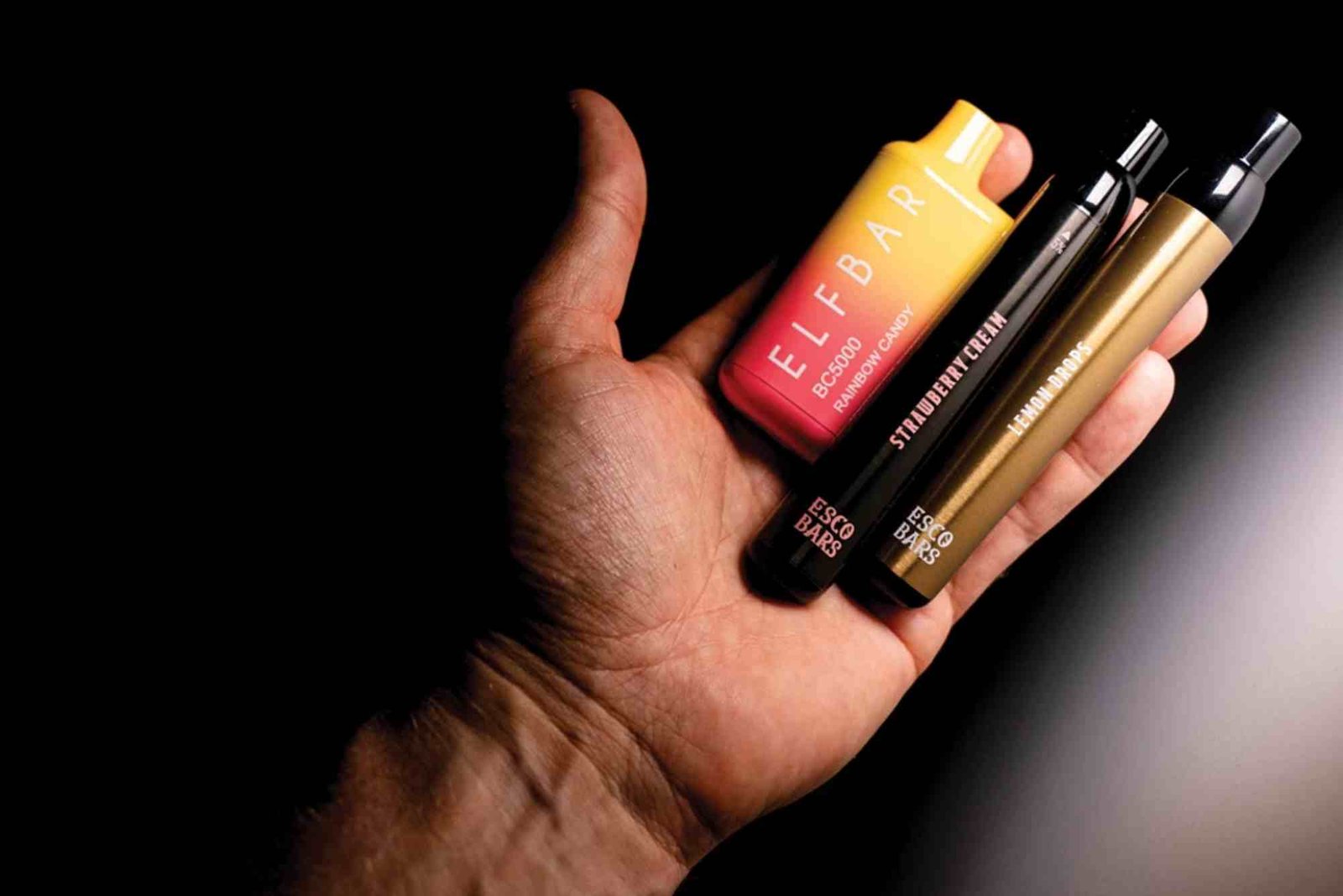
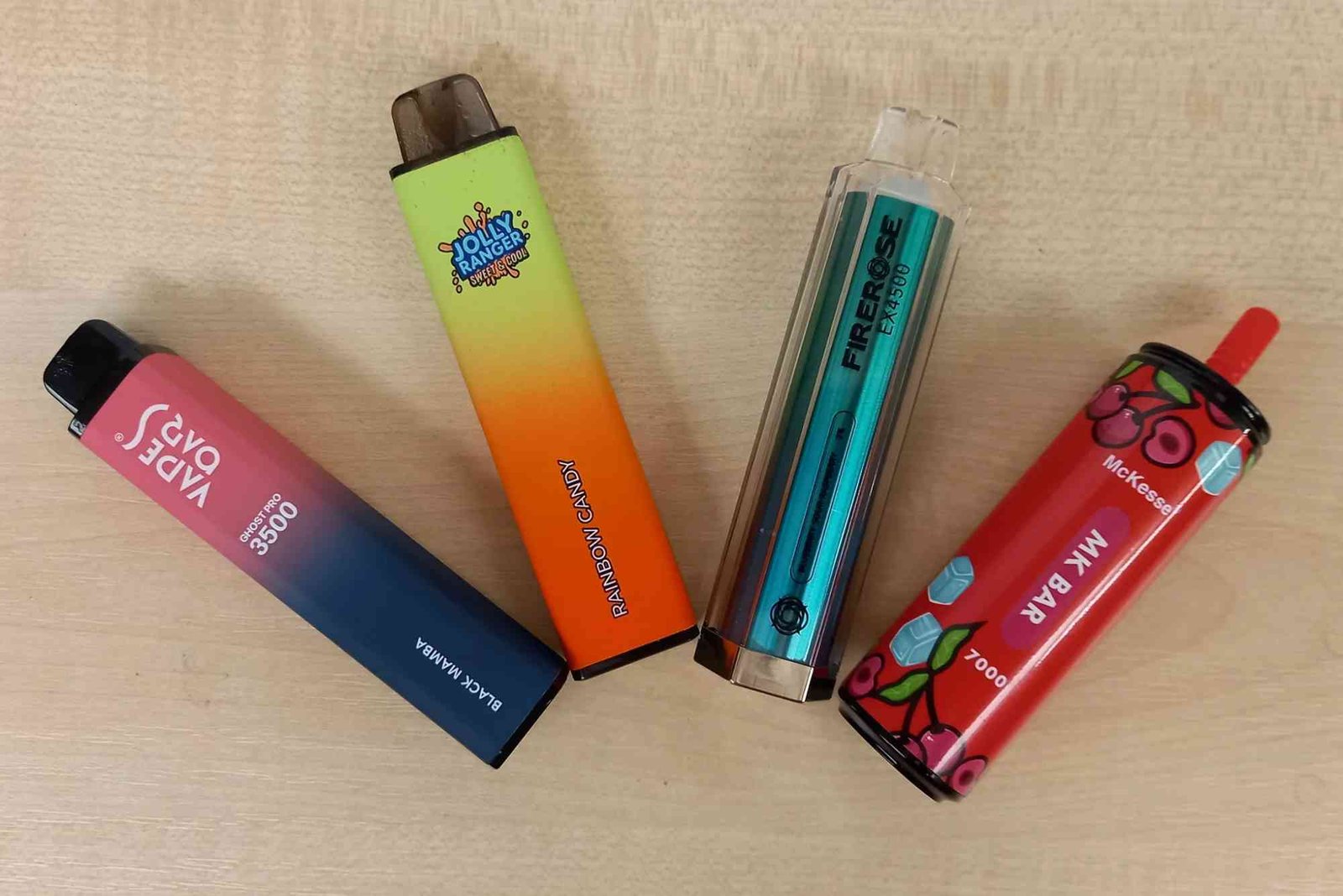
Michigan has limited the sale of flavored e-liquids, particularly those marketed toward younger consumers. Flavors like fruit, candy, or dessert are often cited as a key reason teens start vaping. Supporters argue that removing these products improves public health, while opponents claim it drives adult vapers back to smoking or unregulated markets.

Effect on Vaping Health
On one hand, limiting flavors may decrease the appeal of vaping to new and underage users, lowering the risk of nicotine dependence. On the other hand, some adult users find that flavored products help them quit smoking traditional cigarettes. Without access to these flavors, some may relapse, which undermines harm-reduction strategies. Thus, while the intention is positive, the outcome on vaping health remains complex.
Taxation and Pricing
Higher Taxes on Vape Products
Michigan has imposed higher excise taxes on vaping products, similar to those placed on tobacco. The idea is to discourage overuse, reduce youth access, and generate revenue for public health initiatives.
Influence on Health Behavior
Higher prices can deter casual users, especially teenagers, from purchasing vape products. However, for regular adult vapers, this could push them toward cheaper, unregulated products that may be unsafe. In some cases, it might even encourage them to return to smoking, which poses greater health risks. Therefore, while taxation has benefits, it must be carefully monitored to avoid unintended health consequences.
Advertising and Marketing Restrictions
Limiting Exposure
MI vape laws restrict advertising near schools, playgrounds, and other youth-centered locations. In addition, companies are prohibited from using youth-oriented imagery or language in promotions.
Health Outcomes
These measures reduce the exposure of vaping culture to young audiences, decreasing the chances that teens will view vaping as trendy or harmless. Over time, this can lower initiation rates, which improves public health outcomes. For adults, however, less advertising may limit awareness of potentially safer alternatives to smoking.
Safety Standards and Product Regulations
Ensuring Safer Products
In 2025, Michigan enforces strict product safety standards, requiring e-liquids to be properly labeled with nicotine levels and warning signs. Packaging must also be child-resistant, reducing accidental poisoning risks.
Protecting Consumers’ Health
These requirements improve consumer safety and reduce the number of harmful incidents associated with unsafe vape products. Clear labeling helps users monitor nicotine intake, preventing overconsumption. Safer packaging protects children, making vaping less dangerous in households with minors.
Public Health Campaigns
Raising Awareness
MI vape laws are not just about restrictions; they also fund educational campaigns. These programs focus on the risks of vaping, especially for youth and non-smokers. They also promote cessation programs for adults who want to quit nicotine altogether.
Long-Term Effects
By spreading awareness, Michigan hopes to reduce misinformation about vaping. While vaping is often less harmful than smoking, it is not risk-free. Public campaigns balance this message by discouraging unnecessary use while supporting those who rely on vaping as a harm-reduction tool.
How MI Vape Laws Affect Adult Vapers
For adults, the laws have both positive and negative consequences. The emphasis on safety standards ensures they get reliable, properly labeled products. At the same time, higher costs and flavor restrictions may frustrate those who use vaping to quit smoking. Adult vapers must now carefully weigh whether the benefits of vaping outweigh the growing limitations and expenses.
How MI Vape Laws Affect Teen Vapers
For teens, the effect is more straightforward. With stricter age checks, limited access to flavored products, and fewer ads, vaping becomes harder to start. These barriers significantly reduce nicotine exposure among Michigan’s youth, which may improve long-term health statistics for the state.
The Role of Black Markets
While MI vape laws aim to improve health outcomes, there is concern about the rise of black-market products. If legal flavored e-liquids become scarce, some consumers may turn to unregulated sources. These products often lack safety testing and can contain harmful substances, undermining the intent of regulations. Law enforcement and public health agencies must work together to minimize this risk.
Vaping Health in 2025: A Balanced View
By 2025, vaping in Michigan is safer for many users because of clearer labeling, stronger safety rules, and reduced youth exposure. However, challenges remain. Some adult vapers feel restricted, and the risk of unregulated markets persists. Ultimately, the success of MI vape laws in improving public health depends on balancing safety, accessibility, and harm reduction.
The Future of Vaping Health Under MI Vape Laws
Michigan has established some of the most comprehensive vaping regulations in the country. These MI vape laws in 2025 focus on protecting youth, ensuring product safety, and promoting public health. While they create challenges for adult vapers and shop owners, their long-term goal is reducing nicotine addiction and preventing health crises linked to unregulated vaping.
If you are a vaper in Michigan, it is essential to stay updated on changing regulations, choose products from licensed sellers, and prioritize your health. Whether you vape for harm reduction or lifestyle choice, understanding the law helps you make safer, informed decisions. Stay informed about MI vape laws, make smart choices when buying products, and always put your health first. If you are trying to quit, explore available cessation programs in Michigan and take control of your wellness today.
FAQs
Are flavored vapes banned in Michigan in 2025?
Most flavored nicotine products, especially those attractive to youth, are restricted. However, certain tobacco and menthol flavors remain available.
What is the legal age to buy vapes in Michigan?
As of 2025, you must be 21 or older to purchase vaping products in Michigan, in line with federal law.
Can you vape in public places in Michigan?
Vaping is banned in many indoor public places, including schools, restaurants, and workplaces. Local laws may impose stricter restrictions.
How do MI vape laws affect vape shop owners?
Shop owners must comply with strict verification, labeling, and advertising rules. Non-compliance can lead to heavy fines or license suspension.
Are disposable vapes still legal in Michigan?
Yes, disposable vapes are legal but must meet state safety and labeling requirements. Certain flavored disposables may be restricted.