Introduction
In recent years, vaping has become one of the most discussed topics in public health and lifestyle debates. With the rise of restrictions and even complete prohibitions in some regions, the vaping ban is shaping the way users view and use their devices. Beyond the legality, there is another important issue many vapers overlook: the safety of their vape batteries. As laws tighten and rules evolve, users must not only stay informed about the vaping ban but also ensure that their devices remain safe, reliable, and properly maintained. This article explores the impact of bans, the reasons behind them, and crucial battery safety tips every user should know.
Understanding the Vaping Ban
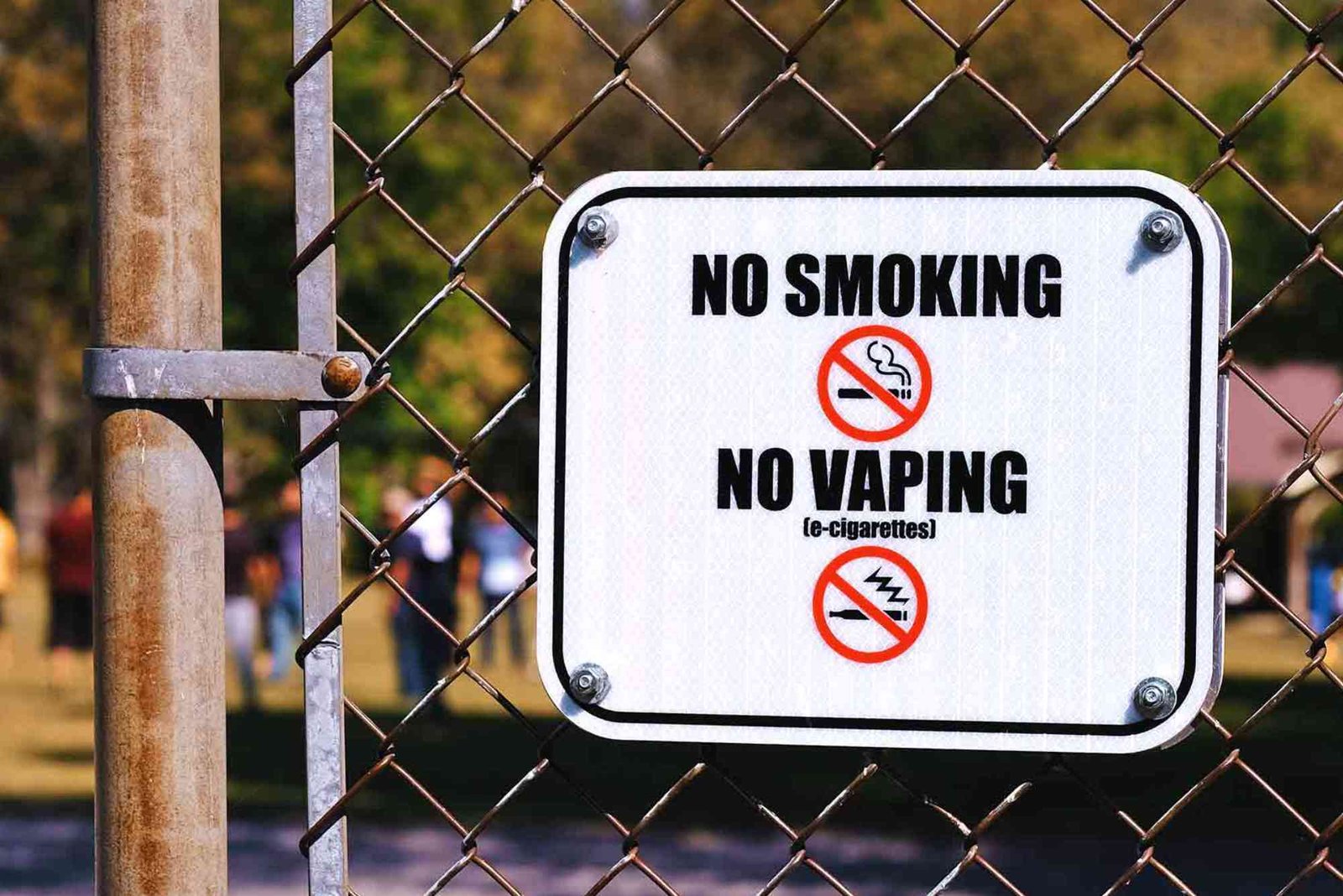
The vaping ban is not a one-size-fits-all rule. Different countries and states apply different levels of restrictions, ranging from flavor bans to complete prohibitions on sales. Governments justify these bans as measures to protect youth, reduce nicotine addiction, and address health risks that are not fully understood. In many regions, the vaping ban has created heated debates. Supporters claim it is a necessary step to safeguard public health, while critics argue it drives users toward unsafe black-market products.
The complexity of the vaping ban lies in its uneven application. For example, in some places only flavored e-liquids are banned, while in others all forms of e-cigarettes are outlawed. This has created confusion for both retailers and consumers. As these restrictions expand, users must adapt not just to changing access but also to safety practices, especially when buying or maintaining their devices independently.
Why the Vaping Ban Matters for Device Safety
The vaping ban impacts more than availability. It influences the way users care for their devices. When legitimate supply chains are restricted, many turn to online sellers or gray markets to obtain products. Unfortunately, this increases the risk of counterfeit or low-quality batteries entering circulation. Since vape devices rely heavily on lithium-ion batteries, any compromise in quality or care can lead to serious safety hazards.
Battery safety becomes even more critical when consumers can no longer easily access official support, replacement parts, or trusted repair services. Under a vaping ban, users may feel tempted to modify or reuse damaged batteries, which heightens the risk of overheating, venting, or even explosion. By understanding the direct connection between bans and battery practices, vapers can make safer decisions in an increasingly regulated environment.
The Science Behind Vape Batteries
To appreciate battery safety, it helps to understand how vape batteries work. Most devices use lithium-ion cells because they provide a powerful energy source in a compact size. These batteries, however, are sensitive to physical damage, incorrect charging, and overheating. Unlike regular household batteries, vape cells handle high current loads, which means mishandling them can result in thermal runaway, a dangerous chain reaction that can cause fire or explosion.

Manufacturers typically design vape batteries with built-in protections, but these measures are not foolproof. When users buy uncertified batteries due to a vaping ban, they may receive cells without these protections, significantly raising the risks. This makes knowledge and responsible handling essential.
Essential Vape Battery Safety Tips
Proper Charging Practices
Always use the charger recommended by the manufacturer. Third-party chargers may deliver inconsistent voltage, which can damage cells. Avoid leaving your device charging overnight or unattended. Continuous overcharging places stress on the battery and reduces its lifespan. With vaping bans pushing users toward less regulated markets, investing in a reliable charging setup is more important than ever.
Avoiding Physical Damage
Batteries should never be carried loosely in pockets with keys or coins. Metal objects can create short circuits, leading to dangerous sparks or fires. Always use a protective case when transporting spare batteries. Furthermore, if a cell shows dents, tears in the wrapping, or leaking, it should be safely disposed of rather than reused.
Controlling Heat Exposure
Vape devices should never be left in cars on hot days or stored in direct sunlight. Excessive heat weakens internal chemistry and increases the chance of venting. Likewise, using a device continuously without breaks can cause overheating. Allowing the battery to cool between sessions keeps it stable and prolongs its lifespan.
Understanding Battery Ratings
Every battery has a maximum capacity and discharge rate. Using cells that cannot handle your device’s wattage setting is dangerous. With bans limiting official guidance, many users overlook these technical details, but they are critical for safe use. If unsure, research the recommended specifications for your device and stick to them.
How the Vaping Ban Changes Consumer Behavior
The vaping ban is reshaping how people approach vaping products. For many, it has created a sense of urgency to stockpile devices, e-liquids, and spare batteries. Others turn to unfamiliar sellers, often without the quality control standards of established brands. This shift increases the importance of user responsibility. With official safety checks reduced, individuals must educate themselves and practice caution.
Another behavior change is the rise of DIY vaping solutions. Some users attempt to repair or rebuild devices on their own. While creativity is commendable, doing so without proper knowledge of battery safety can lead to serious accidents. Understanding that bans may indirectly push users into unsafe habits is crucial for developing safer personal practices.
Health and Safety Beyond the Battery
While battery safety is critical, the vaping ban also raises questions about overall health. Many users worry that bans push them back toward smoking traditional cigarettes, which carry well-documented risks. Others express concern that unregulated e-liquids could contain harmful substances. Therefore, battery safety should be seen as part of a broader conversation about responsible vaping practices, especially under restrictive laws.
Global Perspectives on the Vaping Ban
Different countries offer different lessons about the vaping ban. In the United States, for example, several states have banned flavored e-liquids, leading to debates over whether such measures reduce youth vaping or simply drive users to illicit sources. In Thailand and India, complete bans exist, creating underground markets where counterfeit devices and batteries are common. In contrast, the United Kingdom regulates vaping but sees it as a harm reduction tool compared to smoking.
These global differences highlight the importance of user awareness. No matter the legal landscape, battery safety remains a universal requirement.
Future Outlook: Vaping Ban and Technology
The vaping ban may encourage manufacturers to develop safer, smarter devices. Innovations like temperature control, automatic cut-offs, and improved battery chemistry are already underway. However, until these technologies become widely available, users must rely on proven safety practices. The relationship between regulation and innovation will shape the next generation of vaping products, but individual responsibility will always play a role.
Frequently Asked Questions
Is vaping banned everywhere?
No, the vaping ban varies by country and state. Some regions only ban flavored products, while others enforce complete restrictions.
Why do governments impose a vaping ban?
Authorities argue it protects youth, prevents addiction, and addresses health concerns. Critics believe bans push users toward unsafe black-market alternatives.
Are vape batteries dangerous?
When mishandled, yes. Vape batteries can overheat, vent, or explode. With proper care and certified products, the risk is greatly reduced.
Can I still buy batteries under a vaping ban?
In most cases, general-purpose lithium-ion batteries remain legal. However, finding high-quality cells for vape devices may become harder in banned markets.
How can I make my vape battery last longer?
Avoid overcharging, store at room temperature, use the right charger, and never drain the battery completely. Proper care extends lifespan and safety.
The vaping ban is changing how people view vaping, but it also introduces new challenges for safety. While debates about health and legality continue, one fact remains clear: your device is only as safe as the battery powering it. By practicing responsible charging, preventing damage, managing heat, and respecting device limits, you protect not only your device but also your health.
As regulations shift, the responsibility lies with users to stay educated and vigilant. Whether you live in a country with partial restrictions or a complete vaping ban, your choices determine your safety. Take the time to learn, apply these tips, and share them with others in the community.