
Introduction
In 2025, the vaping industry faces one of its biggest shifts yet with the introduction of a new law on vape products. Governments worldwide have tightened their grip on electronic cigarettes, vape pens, and e-liquids to curb youth addiction and protect public health. While many applaud the move as a positive step toward regulation, others worry about its effect on adult smokers who rely on vaping as a less harmful alternative to cigarettes. Beyond the debate, one question stands out: how does this new law affect vaping health in 2025?
This article explores the impact of the new regulations, the health implications of vaping under stricter rules, and what consumers, retailers, and policymakers must understand moving forward.
Understanding the New Law on Vape Products
The new law on vape products introduced in 2025 builds upon previous regulations but adds stricter measures. These changes aim to address youth vaping, product safety, and the rising concerns about flavored e-liquids. The law includes tighter restrictions on advertising, standardized nicotine limits, clearer health warnings, and mandatory product testing before market release.
Key Provisions in the New Law
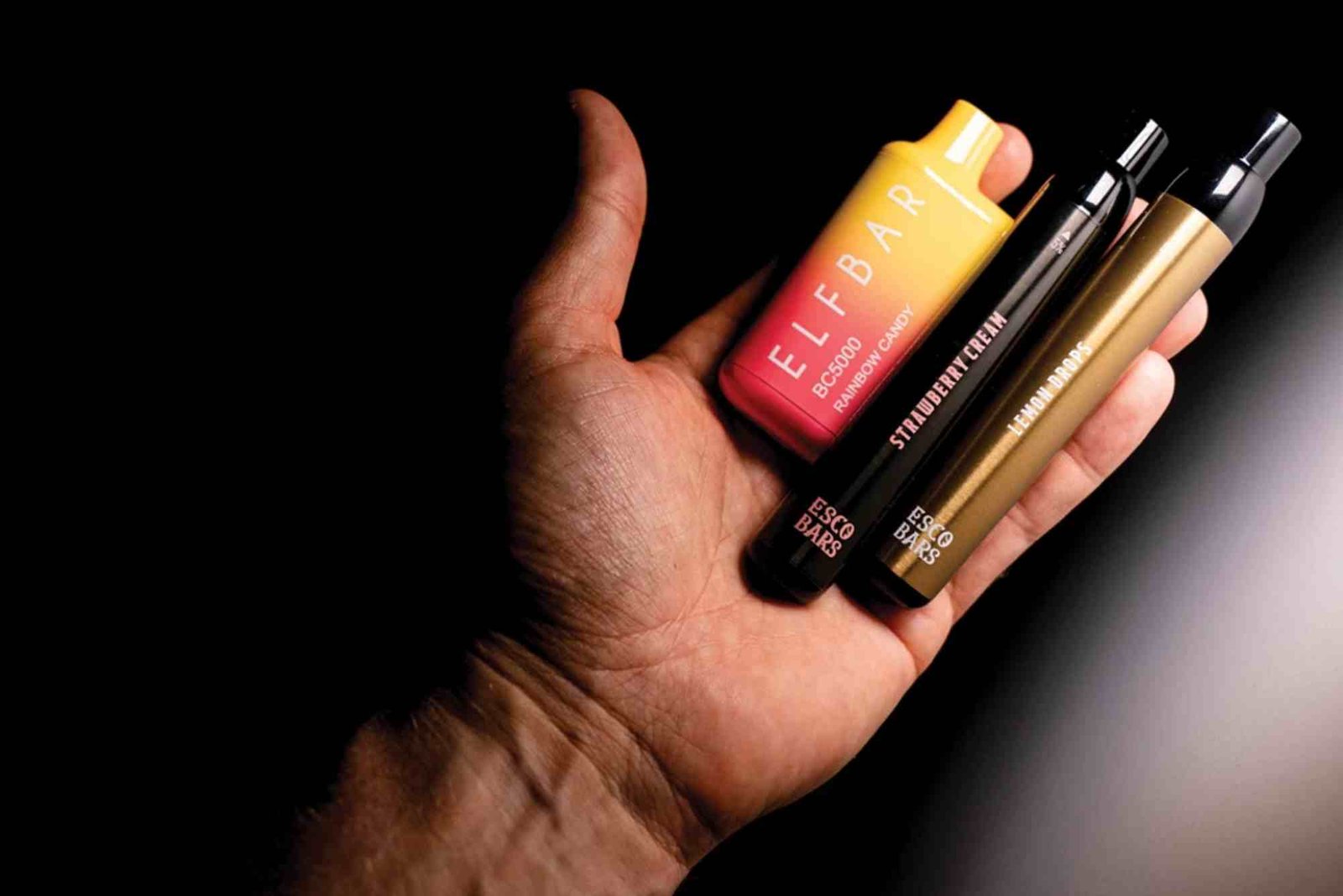
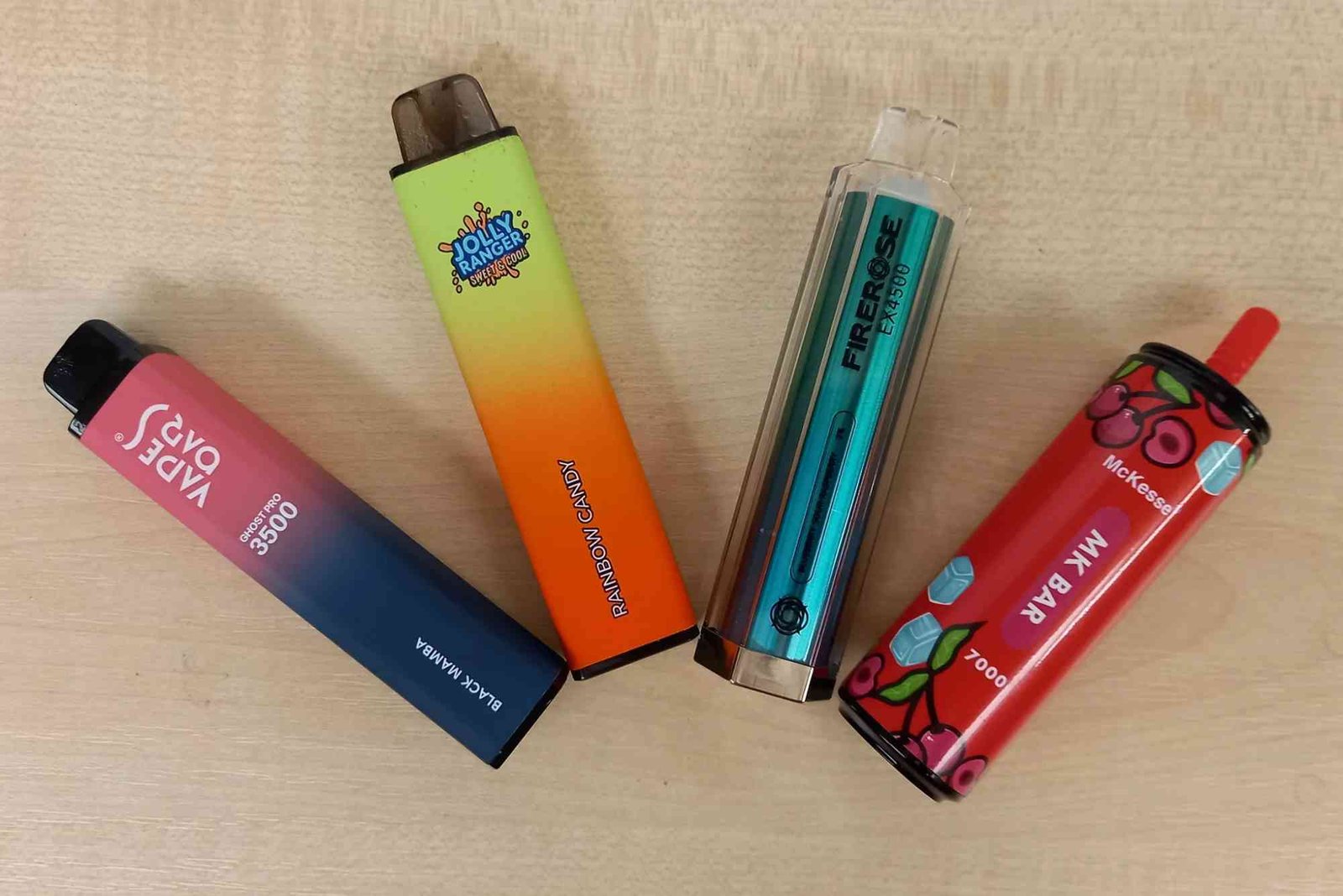
One of the most significant changes is the limitation on nicotine strength in e-liquids. Many governments now cap nicotine at lower levels to reduce addiction risks. Another major provision is the ban on certain flavors that appeal to younger demographics, such as candy, fruit, and dessert-inspired blends. Packaging also faces restrictions, requiring plain labeling with bold health warnings, similar to cigarette packs.
Moreover, the law requires manufacturers to disclose all ingredients and submit products for independent health testing. This ensures transparency and minimizes the presence of harmful chemicals often overlooked in unregulated products. Retailers, both online and offline, are also required to enforce stricter age verification systems, making it harder for minors to access vape products.
How the New Law Affects Vaping Health
The new law on vape products directly influences how vaping impacts health in several ways. While some changes may benefit public health, others may create unintended consequences.

Reduced Nicotine Dependence
By limiting nicotine levels, the law aims to reduce dependence among users. Lower nicotine strength makes it harder to develop strong addictions, particularly for young people experimenting with vaping. For long-term vapers, this change may help in gradually weaning off nicotine altogether, supporting cessation goals.
Safer Ingredients and Quality Control
Mandatory testing and ingredient disclosure ensure that harmful additives are minimized. Previously, many vape liquids contained undisclosed chemicals that could damage the lungs or cardiovascular system. Now, stricter oversight means consumers can expect cleaner, safer formulations. This shift directly contributes to improving vaping health by reducing unknown risks.
Impact of Flavor Bans
While flavor bans may deter youth from trying vaping, they also affect adults who use flavored vapes to avoid going back to cigarettes. Research shows that many smokers successfully transition with the help of appealing flavors. The absence of such options might push some back to smoking, which carries far greater health risks. Therefore, the flavor ban has a mixed impact on vaping health.
Increased Awareness Through Labeling
The requirement of health warnings on packaging ensures that users remain informed about potential risks. Similar to tobacco warnings, these labels serve as constant reminders that vaping, while less harmful than smoking, is not completely safe. This heightened awareness encourages responsible use and discourages casual experimentation.
Unintended Health Consequences
Despite its intentions, the new law on vape products could lead to certain unintended health outcomes. One concern is the growth of the black market. When flavors and stronger nicotine liquids are banned, some users may turn to unregulated, underground sources. These products often lack quality control, exposing users to greater health risks than regulated vapes.
Another issue is dual usage. Some smokers may find regulated vape products unsatisfying and return to cigarettes while continuing to vape. This practice, known as dual use, increases overall nicotine consumption and undermines the potential health benefits of switching to vaping.
Global Variations in the New Law
While the new law on vape products in 2025 follows a general global trend, regulations differ by country. The European Union enforces strict nicotine caps and advertising restrictions. The United States, on the other hand, focuses heavily on flavor bans and youth access prevention. In Asia and the Middle East, some countries have gone as far as banning vaping entirely.
These variations affect vaping health differently. In regions with complete bans, users may resort to unsafe alternatives. In areas with moderate regulations, the balance between safety and accessibility might better support harm reduction goals.
The Role of Public Perception
Public opinion about vaping has shifted significantly under the new law on vape products. Health organizations emphasize the dangers, especially for non-smokers and teenagers. Meanwhile, many vaping advocates argue that strict laws ignore the harm reduction benefits for smokers who struggle to quit.
This conflicting perception plays a major role in shaping individual health behaviors. For instance, smokers who believe vaping is equally harmful may choose not to switch, missing out on a potentially safer alternative. Public education campaigns are therefore essential to ensure accurate understanding of the risks and benefits.
Expert Opinions on Vaping Health in 2025
Medical experts generally agree that vaping is less harmful than smoking, but it is not risk-free. The new law on vape products strengthens this position by pushing for higher safety standards. Pulmonologists warn that even with safer ingredients, long-term inhalation of chemicals poses unknown risks. Cardiologists highlight the potential strain on the heart due to nicotine, even at lower levels.
Public health experts believe the law will reduce youth addiction rates while still allowing adults to use vaping as a smoking alternative. However, they caution that the flavor ban could backfire without additional support for smoking cessation programs.
What This Means for Vapers in 2025
For everyday vapers, the new law on vape products brings both opportunities and challenges. On the positive side, users can feel more confident about product safety and ingredient transparency. On the downside, reduced nicotine options and limited flavors may affect satisfaction and lead to adjustments in consumption habits.
To maintain good vaping health, users should focus on regulated products, avoid black-market alternatives, and stay updated on health warnings. Seeking medical advice for quitting strategies can also maximize the benefits while minimizing risks.
FAQs
What is the new law on vape products in 2025?
The new law introduces stricter regulations on nicotine levels, flavor bans, ingredient disclosures, and health warnings to improve safety and reduce youth vaping.
Does the new law make vaping safer?
Yes, the law ensures safer ingredients and better quality control, but vaping still carries health risks compared to not using nicotine products.
Why are flavors banned under the new law?
Flavors are restricted because they attract young users. However, this has mixed results as adult smokers also benefit from flavored alternatives.
Can I still buy high-nicotine e-liquids?
In most regions, high-nicotine liquids are no longer legally available due to the new nicotine cap. Users may find only lower-strength options.
How will the law affect smokers trying to quit?
The law may make it harder for smokers to transition with flavored vapes, but safer regulated products are still available to support quitting.
The new law on vape products in 2025 marks a pivotal moment for the vaping industry and public health. By capping nicotine, banning flavors, enforcing ingredient transparency, and requiring strong warnings, regulators hope to minimize risks and protect young people. For vapers, the law brings cleaner, safer products but also fewer choices, creating mixed results for health outcomes.