Introduction
The discussion around the legal age to buy a vape has grown more complex in 2025. Governments worldwide are reviewing vaping regulations to protect public health while balancing the rights of adult smokers seeking alternatives to traditional cigarettes. Setting an age limit may seem like a simple policy, but its impact reaches far deeper. It influences youth health outcomes, addiction patterns, public safety, and even how adults perceive vaping as a harm-reduction tool.
In this article, we’ll explore how age restrictions affect vaping health in 2025, what the scientific evidence suggests, and how these policies shape the broader vaping landscape. We’ll also answer common questions from curious readers about vaping laws and health risks.
Why Legal Age to Buy a Vape Matters
Establishing the legal age to buy a vape is not just about preventing minors from accessing nicotine products. It is about regulating when and how individuals encounter addictive substances that may impact long-term health. Nicotine can affect brain development, especially in people under 25. By restricting sales to a certain age, lawmakers aim to reduce the chances of early addiction.
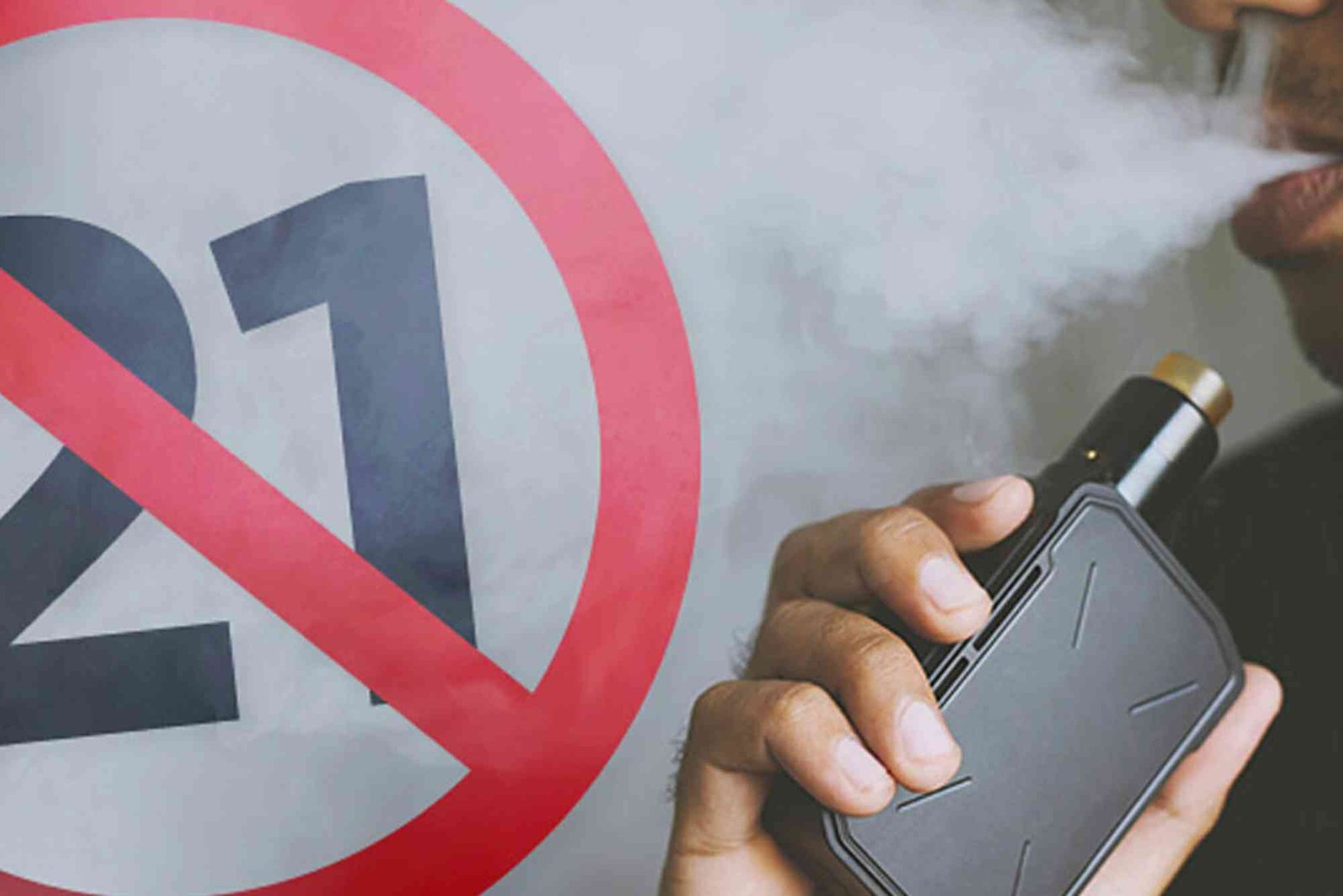
In 2025, most countries have aligned their legal vaping age with existing tobacco laws, often setting it at 18 or 21. This alignment makes enforcement simpler and sends a consistent public health message. Research continues to show that the later people begin using nicotine, the less likely they are to develop lifelong dependence.
The Global Perspective on Vaping Age Limits
Different countries have taken varied approaches to regulating the legal age to buy a vape. In the United States, for example, the federal minimum age is 21. In the United Kingdom, it remains 18. Other nations, like Australia and Singapore, have even stricter regulations, often banning retail vaping sales altogether.
These differences show how governments balance harm reduction with prevention. Some focus on keeping vaping available to adult smokers trying to quit, while others worry more about preventing youth experimentation. By 2025, international studies suggest that setting the legal age higher has helped slow youth uptake, though illegal markets remain a challenge.

Health Effects of Early Vaping
Nicotine exposure at a young age carries unique risks. Teenagers who start vaping before the legal age are more likely to develop stronger dependence than those who begin later. Their brains are still forming neural pathways, meaning nicotine’s impact is stronger and longer lasting.
Moreover, studies in 2025 continue to suggest a connection between early vaping and an increased likelihood of transitioning to combustible tobacco. While vaping is generally seen as less harmful than smoking, starting young often leads to patterns of dual use, which can erase the harm-reduction benefits.
Delaying initiation through strict age laws does not eliminate health risks entirely but reduces the likelihood of long-term addiction. This protective measure is similar to alcohol and tobacco regulations, where delaying first use has consistently been linked to better health outcomes.
Legal Age and Adult Smokers
One important aspect of the legal age to buy a vape debate is how it affects adult smokers seeking alternatives. Vaping has gained popularity as a harm-reduction tool, with many adults switching from cigarettes to e-cigarettes. When laws are too strict, they may unintentionally push older smokers back toward traditional tobacco.
In 2025, public health experts emphasize balance. A higher legal age protects youth but should not prevent adult smokers from accessing safer options. Clear education, medical guidance, and regulated retail environments can help adults make informed choices while still protecting younger populations.
The Role of Enforcement
A law is only as effective as its enforcement. Setting the legal age to buy a vape means retailers must verify identification and governments must monitor compliance. Without proper enforcement, underage access continues through online purchases, unregulated shops, or older peers.
In many countries, 2025 has brought stricter digital age-verification tools for online sales, along with heavy fines for retailers who sell to minors. Some regions are also experimenting with licensing systems, where only approved vendors can sell vape products. These measures strengthen the protective intent of the legal age without restricting responsible adult use.
Public Perception of Age Laws
Public opinion has shifted significantly in recent years. In 2025, more people recognize that vaping should not be marketed toward or easily accessible to youth. Flavor bans, packaging restrictions, and age verification all stem from this awareness.
At the same time, many adult users fear over-regulation could harm the vaping industry and limit access to safer alternatives. This tension highlights why the legal age to buy a vape remains a sensitive but necessary policy issue. Achieving public trust requires transparency, consistent enforcement, and ongoing research about the real health effects of vaping.
Vaping Health Trends in 2025
Data from 2025 shows some encouraging patterns. Countries with strong enforcement of age laws report lower rates of youth vaping compared to regions with weaker systems. Adult smoking rates are also continuing to decline where vaping is allowed but responsibly regulated.
Health experts stress that while vaping is not harmless, it remains less damaging than smoking combustible cigarettes. For adults, access to vaping products can support quitting, but only when paired with accurate information and regulated sales. For minors, age restrictions help delay or prevent nicotine use, which lowers the risk of addiction and long-term health issues.
FAQs
What is the legal age to buy a vape in most countries?
In 2025, the legal age is usually 18 or 21, depending on the country. The United States sets it at 21, while many European countries set it at 18.
Why is there a minimum age for vaping?
The minimum age exists to protect developing brains from nicotine addiction. Younger individuals are more vulnerable to long-term health risks.
Can raising the legal age reduce vaping rates?
Yes, studies suggest that raising the age to 21 reduces youth access and delays initiation, which lowers addiction risks over time.
Does vaping harm adults as much as cigarettes?
Vaping is not risk-free, but it is generally considered less harmful than smoking tobacco. However, long-term effects are still being studied.
What happens if someone underage is caught buying a vape?
Penalties vary by country, but consequences often include fines for the retailer and confiscation of the product from the minor.
The legal age to buy a vape plays a critical role in shaping vaping health outcomes in 2025. By setting clear boundaries, governments aim to protect young people from the risks of nicotine addiction while allowing adults to access potentially safer alternatives to smoking.
The balance is delicate. Overly strict regulations may harm adult smokers seeking to quit, while weak enforcement may encourage youth uptake. The most effective strategies combine strong age restrictions, responsible retail practices, and ongoing education about the risks and benefits of vaping.
As vaping continues to evolve, so too will the policies that regulate it. Staying informed about these changes is essential for both public health advocates and individuals considering vaping as an alternative.