How Vaping Law Philippines Affects Vaping Health in 2025
The vaping law in the Philippines has undergone significant changes in recent years, with 2025 marking a turning point for both public health and the vaping community. The Philippines has always been in the spotlight for its strong stance on tobacco regulation, and vaping laws have now joined the same discussion. By understanding the vaping law Philippines and its direct impact on health in 2025, consumers, policymakers, and healthcare professionals can make informed choices.
The introduction of stricter rules, age limits, product standards, and marketing restrictions has created a new environment for vapers. But beyond legal compliance, the real question remains: how do these laws affect the health of millions of Filipino smokers and vapers?
Understanding the Vaping Law Philippines in 2025
In 2022, the Philippine government passed the Vape Regulation Act, a landmark legislation shifting the responsibility of vaping regulation from the Food and Drug Administration (FDA) to the Department of Trade and Industry (DTI). This act reshaped how vaping is viewed, marketed, and consumed. By 2025, these laws have fully taken effect, directly influencing consumer health and the vaping industry.
The vaping law Philippines focuses on regulating the sale, distribution, labeling, and advertising of vaping devices and e-liquids. It sets strict age restrictions, requires manufacturers to register their products, and imposes penalties on violators. At the same time, it promotes vaping as a potential harm-reduction alternative to smoking while ensuring safeguards against youth exposure.
Why the Vaping Law Matters for Public Health
Public health advocates argue that vaping laws in the Philippines can either protect or endanger the population. The law impacts vaping health in 2025 in several ways. By controlling nicotine content, ensuring safe product standards, and limiting minors’ access, the government aims to minimize health risks. On the other hand, by framing vaping as a regulated alternative to smoking, the law might help millions of smokers transition to less harmful options.
The vaping law Philippines thus has a dual effect: it attempts to reduce smoking-related diseases while addressing the health risks associated with vaping itself. The balance between these two outcomes determines its success in 2025.

Key Provisions of the Vaping Law and Their Health Implications
Age Restriction and Youth Health
One of the strongest features of the vaping law is its strict 18+ age restriction for the purchase of vapes. Before regulation, flavored e-liquids and attractive marketing often appealed to teenagers. By limiting youth access, the law reduces the risk of nicotine addiction among minors, which can have long-term mental and physical health consequences.
Product Standards and Safety
The law requires all vaping products to comply with safety standards set by the DTI. Manufacturers must disclose ingredients, nicotine levels, and potential health risks on packaging. In 2025, this improves consumer safety by reducing the circulation of counterfeit or substandard vape products, which previously led to lung injuries and poisoning incidents.
Advertising Restrictions
The vaping law Philippines bans advertising targeted at minors and limits promotional campaigns. This change protects young people from glamorized vaping images while encouraging responsible marketing. From a health perspective, reduced exposure means fewer new users starting the habit unnecessarily.
Flavor Regulation
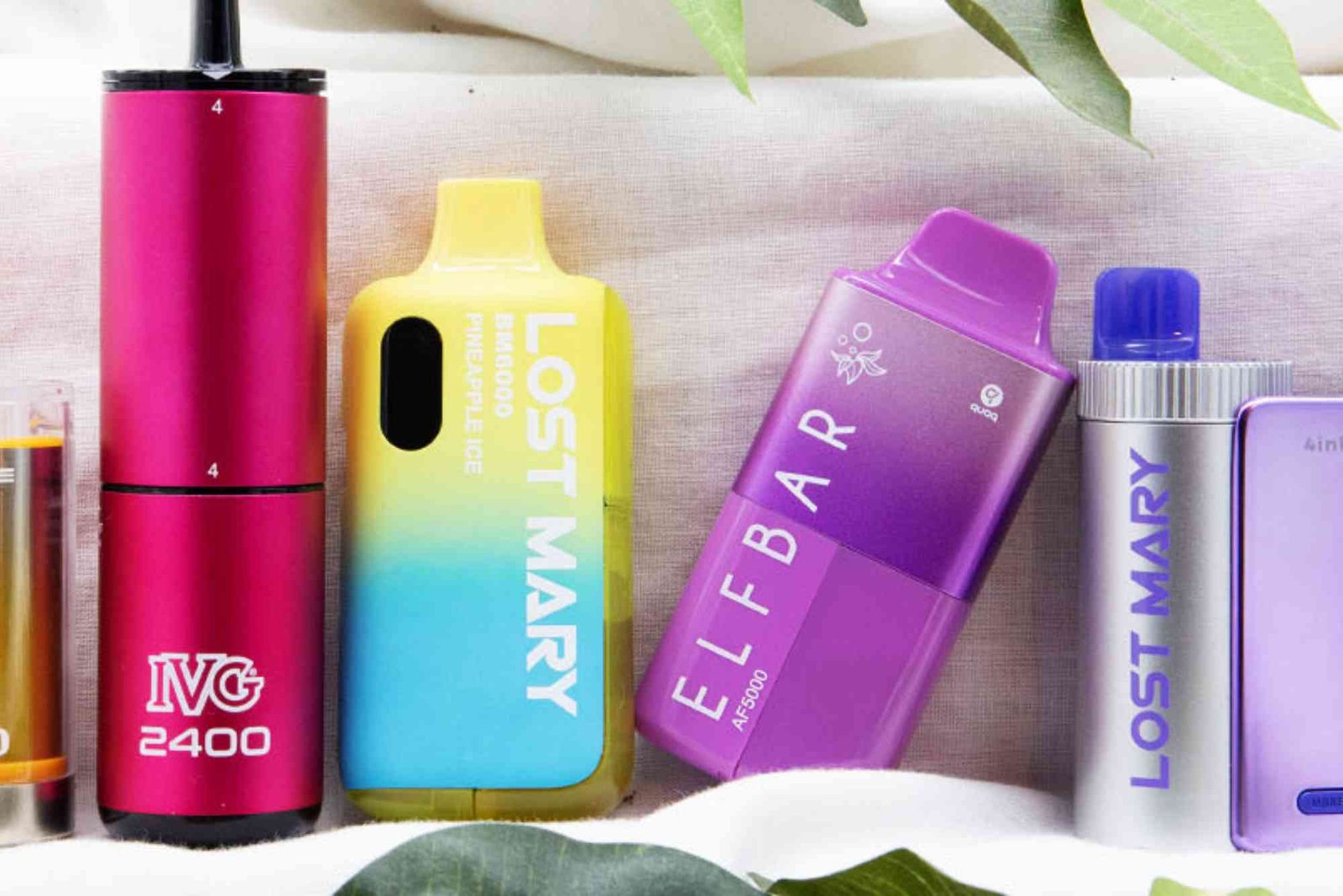
Flavors play a crucial role in attracting young vapers. Under the law, certain flavors that strongly appeal to children are restricted, while adult smokers still have access to standard flavors like tobacco and menthol. This compromise aims to help smokers quit while reducing the risk of youth initiation.
Vaping Health in the Philippines: The 2025 Reality
Harm Reduction for Smokers
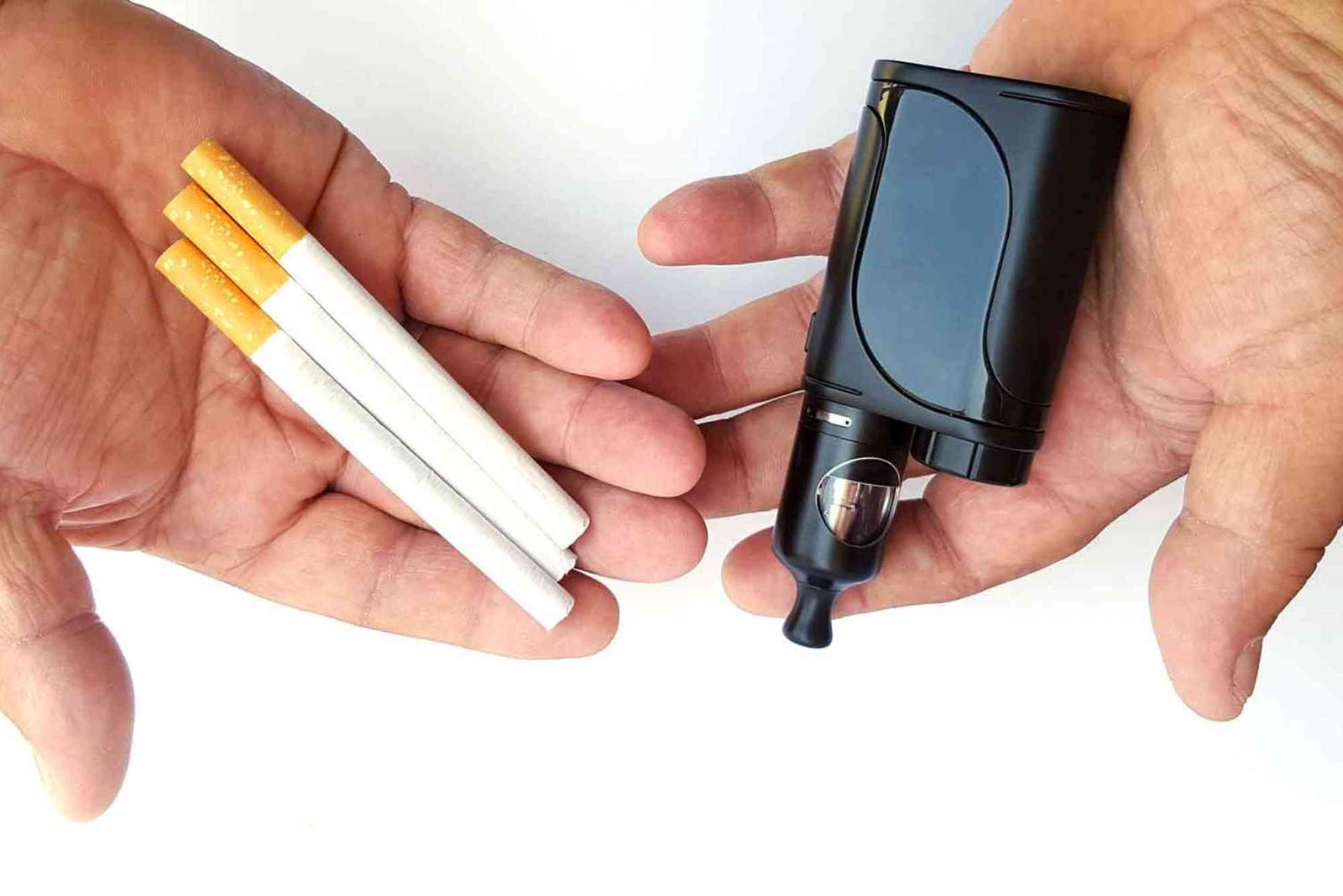
Research suggests that vaping, while not risk-free, is less harmful than traditional smoking. In 2025, the vaping law Philippines helps smokers transition by offering regulated, safer vaping products. Many Filipino smokers report improved lung function, reduced coughing, and better overall respiratory health after switching from cigarettes to vapes.
Risks for Long-Term Vapers
While vaping can reduce harm compared to smoking, it still carries health risks. Prolonged exposure to nicotine can cause addiction, increased heart rate, and elevated blood pressure. Certain chemicals in e-liquids may also affect lung tissue over time. By regulating product content, the law minimizes but does not eliminate these risks.
Mental Health Considerations
Nicotine has strong effects on mood and brain function. For some, vaping provides stress relief and helps reduce smoking withdrawal symptoms. However, for others, it can worsen anxiety and lead to dependency. The law’s focus on education and warning labels in 2025 helps consumers make informed mental health choices.
How the Law Shapes Consumer Behavior
The vaping law Philippines is not only about health; it also influences consumer behavior. In 2025, Filipino vapers are more conscious of what they purchase. With clearer labeling and transparent nicotine levels, consumers can choose products suited to their needs. Additionally, the reduction of youth-targeted advertising reshapes vaping into a harm-reduction tool rather than a lifestyle trend.
Challenges in Enforcing the Vaping Law
Despite its strong provisions, the vaping law faces challenges in enforcement. Black markets, unregulated imports, and online sales sometimes bypass age restrictions and safety checks. If not addressed, these loopholes can undermine the law’s health benefits. In 2025, continuous monitoring and collaboration between government agencies remain crucial to ensure the law protects public health effectively.
Comparing Vaping Law Philippines with Global Standards
In 2025, the Philippines’ approach to vaping is unique. Unlike countries that completely ban vaping, such as India, the Philippines adopts a harm-reduction perspective. Compared to Western nations like the UK, where vaping is actively promoted as a smoking cessation tool, the Philippines takes a middle ground. This balance between restriction and accessibility highlights the complexity of vaping health regulation.
Future of Vaping Health in the Philippines
Looking ahead, the vaping law Philippines will continue to evolve. Experts predict further tightening of flavor regulations, stricter online sales monitoring, and increased education campaigns. By 2030, the law may fully align with global best practices, ensuring both consumer safety and support for smoking cessation.
Frequently Asked Questions
Is vaping legal in the Philippines in 2025?
Yes, vaping is legal under the Vape Regulation Act, but it is strictly regulated with age, product, and advertising controls.
What age can you vape in the Philippines?
The legal age for purchasing vaping products is 18 years old.
Is vaping safer than smoking in the Philippines?
Vaping is considered less harmful than smoking but not completely safe. The law ensures regulated products to reduce health risks.
Are flavored vapes banned in the Philippines?
Certain flavors that appeal to children are restricted, but adult smokers still have access to standard flavors.
Who regulates vaping products in the Philippines?
As of 2025, the Department of Trade and Industry (DTI) oversees vaping products, ensuring compliance with safety standards.
The vaping law Philippines represents a major shift in how the country manages public health. By restricting youth access, enforcing product safety, and limiting harmful marketing, the law aims to strike a balance between reducing smoking rates and controlling vaping risks. In 2025, its effects on health are clear: smokers benefit from safer alternatives, while society reduces the likelihood of a new generation becoming addicted to nicotine.
For consumers, the message is simple—be aware, stay informed, and use vaping responsibly. If you are a smoker looking for an alternative, regulated vaping products can offer a path to reduced harm. But if you are a non-smoker, the safest choice is to avoid vaping altogether.